Clara Shinta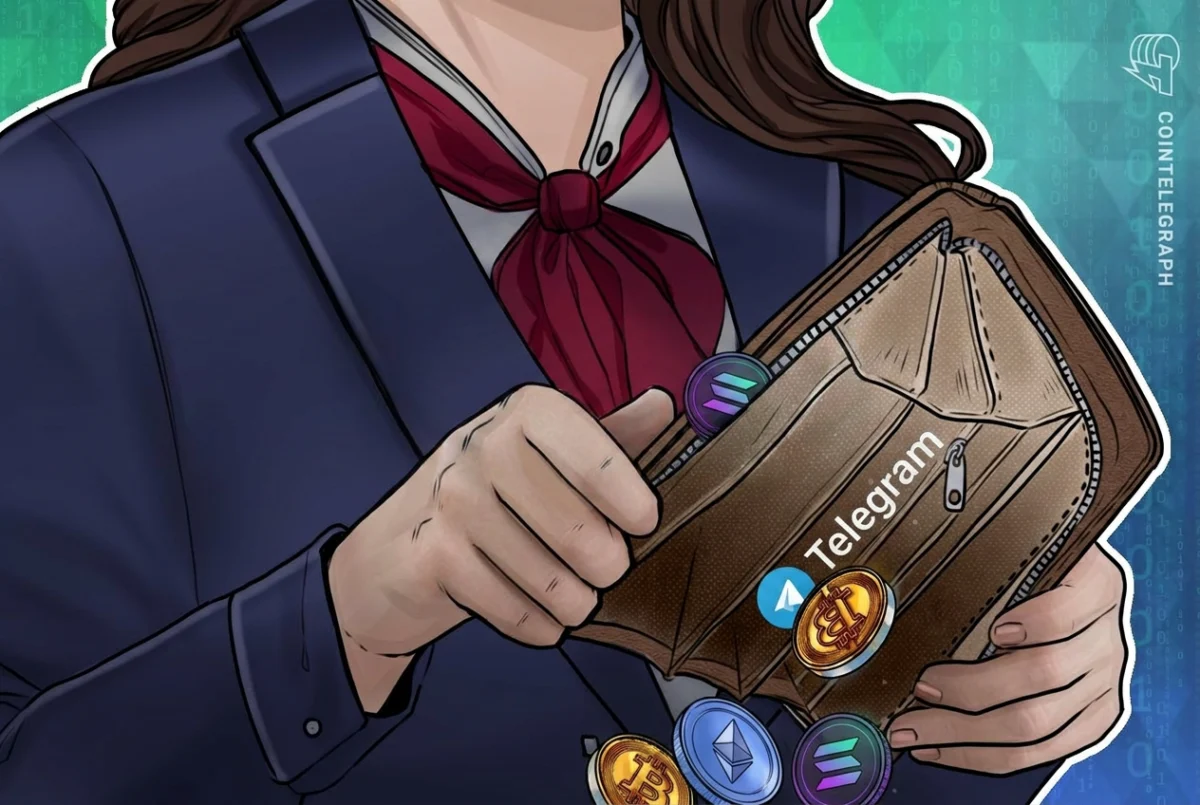
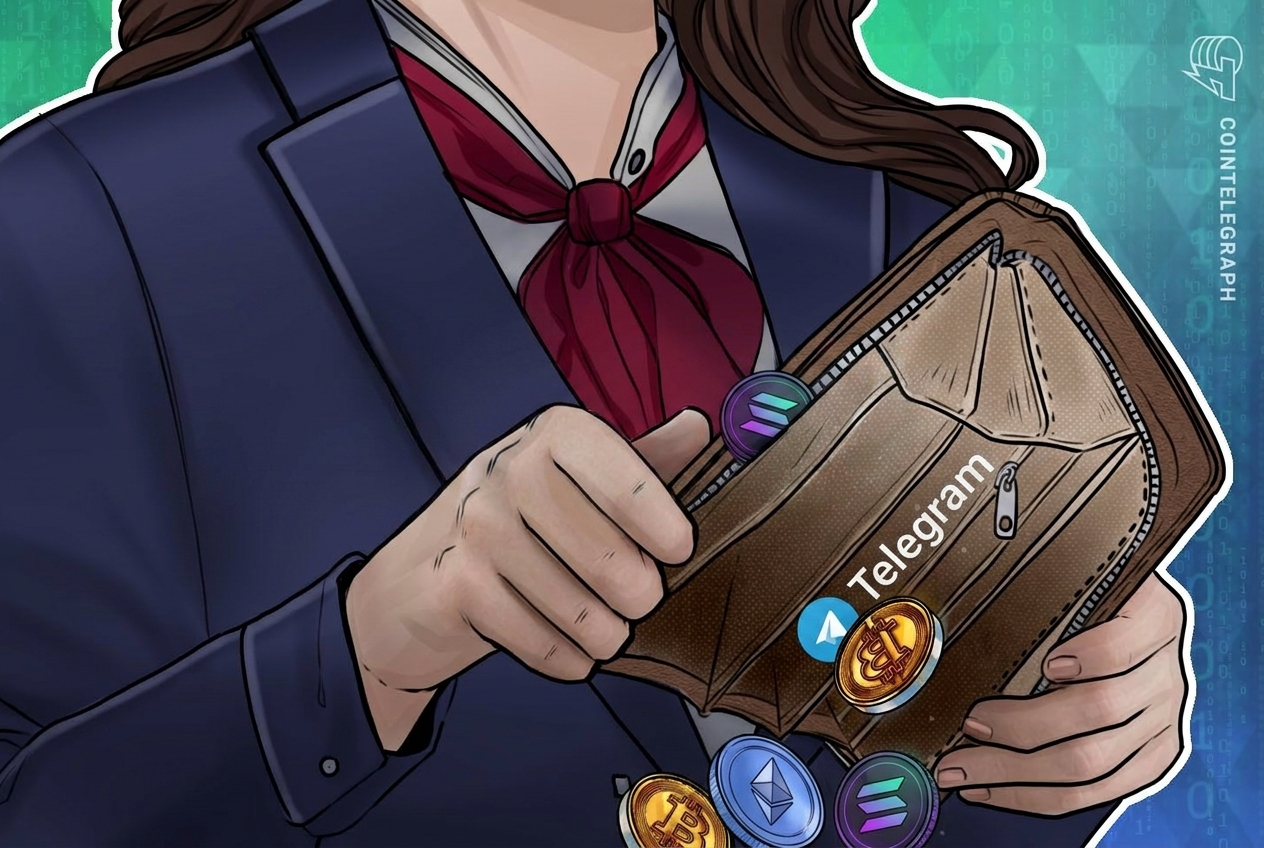
Telegram, the globally recognized messaging platform, is poised to integrate a native, non-custodial Gram crypto wallet into its application this summer, a move announced by founder Pavel Durov that could fundamentally transform the landscape of digital asset transactions for over one billion users. This strategic development is anticipated to democratize access to self-custody cryptocurrency payments on an unprecedented scale, offering instant and fee-less transfers directly within the widely used messaging interface. Durov himself underscored the monumental nature of this initiative, describing it as "the largest rollout of a non-custodial crypto wallet in human history," although specific technical details and a precise launch date remain pending.
The forthcoming Gram wallet stands to leverage Telegram’s colossal user base, which surpassed one billion monthly active users in 2025, according to official company reports. This immense reach positions the integrated wallet far beyond the capabilities of most standalone cryptocurrency applications, promising to significantly expand the adoption of self-custody and peer-to-peer crypto payments, even with limited uptake among its vast user community. The announcement signifies a pivotal moment for both Telegram and the broader cryptocurrency ecosystem, rekindling a vision first conceived years ago.
A Storied History: The Genesis and Evolution of Gram
The integration of the Gram wallet marks a profound return to Telegram’s original ambitions in the blockchain space, bringing the project full circle after a tumultuous journey involving regulatory hurdles and a community-led revival. The name "Gram" itself harks back to the native token envisioned for the Telegram Open Network (TON), the ambitious decentralized platform Telegram initially developed.
The saga began in 2018 when Telegram launched its initial coin offering (ICO) for TON, raising a staggering $1.7 billion from private investors. The vision was grand: to create a decentralized internet infrastructure, complete with a payment system, DNS, anonymous network, and storage, all powered by the Gram token. Telegram’s white paper detailed a highly scalable blockchain capable of processing millions of transactions per second, aiming to onboard billions of users into the nascent Web3 era. The project garnered immense excitement, seen by many as a potential disruptor to traditional financial systems and existing blockchain networks.
However, this ambitious undertaking quickly drew the attention of regulators. In October 2019, the U.S. Securities and Exchange Commission (SEC) filed an emergency action against Telegram, alleging that Gram tokens were unregistered securities. The SEC argued that Telegram’s offering of Grams constituted an unregistered securities offering, violating U.S. securities laws. This legal challenge led to a protracted court battle, culminating in an injunction that prevented Telegram from distributing Grams to investors.
In May 2020, facing insurmountable legal pressure and a court order that would have required returning funds to investors, Pavel Durov announced Telegram’s official abandonment of the TON project. In a poignant message, Durov lamented the regulatory environment in the U.S., stating that "the US court declared that Grams could not be distributed not only in the United States but also globally." He expressed frustration that the regulatory decision effectively barred a global project from launching due to the stance of a single country. Telegram subsequently agreed to return the remaining $1.22 billion to investors, marking what appeared to be the end of the Gram dream.
Yet, the spirit of TON refused to die. The open-source nature of Telegram’s original code allowed community developers to pick up where Telegram left off. A group of independent developers, many of whom had been involved in the original TON project, formed The Open Network (TON) Foundation. They launched their own version of the blockchain, naming its native cryptocurrency Toncoin. This community-led initiative demonstrated the resilience of decentralized technologies, proving that even without its original creator, a project could flourish under the stewardship of its passionate supporters.
Over the past few years, Telegram has gradually re-engaged with this community-driven TON ecosystem. Pavel Durov himself has acknowledged the community’s efforts, often referring to The Open Network as the "spiritual successor" to his original vision. This renewed embrace manifested in various ways, including the integration of TON-based features within Telegram, such as the ability to purchase anonymous numbers, acquire unique usernames, and even host TON-based advertisement platforms. The platform’s commitment deepened with Durov indicating that Telegram would become one of TON’s largest validators, further solidifying the symbiotic relationship between the messaging app and the blockchain network.
The most recent step in this journey occurred just weeks before the wallet announcement, when The Open Network unveiled plans to rename its native token from Toncoin back to Gram. This rebranding was a symbolic, yet highly significant, gesture, signaling a full circle return to the cryptocurrency’s original identity and aligning with Telegram’s broader roadmap to expand crypto services and Web3 functionality within its platform. The re-introduction of the "Gram" name thus sets the stage for the wallet’s launch, cementing the historical link and shared vision between Telegram and its decentralized counterpart.
Unpacking the Native Gram Wallet: Features and User Experience
The proposed native Gram wallet promises a user experience designed for simplicity and accessibility, a critical factor for onboarding a mainstream audience into the complexities of cryptocurrency. The core features highlighted by Durov – instant and fee-less transactions – are powerful differentiators that could significantly enhance the utility of digital assets for everyday use.
Crucially, the wallet will be "non-custodial." This technical distinction carries immense importance, both for user empowerment and regulatory compliance. In a non-custodial wallet, users retain complete control over their private keys, meaning they are the sole owners of their funds. Unlike custodial wallets offered by exchanges or centralized platforms, where the service provider holds the keys and thus technically controls the assets, a non-custodial wallet places the responsibility and power directly in the hands of the user. This aligns with the fundamental ethos of decentralization and self-sovereignty that underpins blockchain technology. For Telegram, adopting a non-custodial approach mitigates many of the regulatory challenges associated with holding user funds, as it does not act as a custodian or financial intermediary.
The integration within the Telegram messaging app is another key aspect. Users will likely be able to access their Gram wallet directly through the app’s interface, perhaps via a dedicated tab, a bot, or a context menu within chats. This seamless integration eliminates the need for users to download separate applications, manage multiple logins, or navigate complex onboarding processes typically associated with standalone crypto wallets. For a user base already accustomed to Telegram’s intuitive design, the transition to using the Gram wallet is expected to be minimal, drastically lowering the barrier to entry for crypto transactions.
The promise of "instant" transactions leverages the inherent speed of The Open Network, which is designed for high throughput and low latency. Compared to older blockchain networks like Bitcoin or Ethereum, which can suffer from congestion and delayed confirmations, TON aims to provide a near-instantaneous experience, mirroring the speed of traditional digital payments. The "fee-less" aspect is equally compelling, especially in a world where transaction fees on some blockchain networks can be prohibitively expensive. While the exact mechanics of how fees will be managed (e.g., subsidized by Telegram or handled via the TON network’s low-cost structure) are yet to be fully disclosed, the proposition of zero transaction costs for users is a powerful incentive for adoption.
This native integration also represents an evolution from previous crypto offerings within Telegram. For instance, the platform has supported various third-party crypto bots and services, such as @wallet, which allows users to send Toncoin and other cryptocurrencies. However, these have typically operated as separate entities or custodial services within the Telegram environment. A native non-custodial Gram wallet signifies a deeper, more organic integration, reflecting Telegram’s direct endorsement and strategic commitment to the TON ecosystem.
A Giant Leap for Crypto Adoption: The 1 Billion User Factor
The sheer scale of Telegram’s user base presents an unparalleled opportunity for mainstream crypto adoption. With over one billion monthly active users globally, Telegram ranks among the world’s most popular messaging applications, rivaling giants like WhatsApp and WeChat. Its rapid growth, particularly in emerging markets across Asia, Africa, and Latin America, where traditional banking infrastructure can be less developed and crypto adoption rates are often higher, amplifies the potential impact of this wallet rollout.
For many of these users, the Gram wallet could serve as their very first introduction to self-custody digital assets. The simplified interface and direct integration mean that millions who have never navigated a blockchain explorer or understood seed phrases might suddenly have access to a fully functional crypto wallet. This democratizing effect could significantly accelerate the global adoption curve for cryptocurrencies, pushing beyond the early adopters and tech-savvy enthusiasts into the realm of everyday utility.
The emphasis on peer-to-peer payments is also crucial. Messaging apps, by their very nature, facilitate direct communication between individuals. Integrating a payment mechanism directly into this communication flow makes sending money as simple as sending a message. This functionality holds immense potential for remittances, micro-transactions, and informal economies, especially in regions where cross-border payments are expensive and slow through traditional channels. It empowers individuals with greater financial autonomy, allowing them to send and receive value without reliance on intermediaries or their associated fees and delays.
To put this into perspective, the total number of cryptocurrency users worldwide is estimated to be around 420 million as of late 2023, according to various industry reports. While this number is growing rapidly, Telegram’s existing user base of over 1 billion offers a potential onboarding pipeline that is more than double the current global crypto user count. Even if only a fraction of Telegram users adopt the Gram wallet, it could still represent the largest single influx of new users into the self-custody crypto space ever recorded. This scale could not only drive up transaction volumes on The Open Network but also catalyze innovation within the TON ecosystem as developers build new applications and services to cater to this newly activated user base.
Navigating the Regulatory Currents: A Return to Scrutiny?
The announcement of the Gram wallet inevitably raises questions about the regulatory environment, especially given Telegram’s past entanglement with the U.S. SEC. The 2020 settlement was a costly and definitive end to Telegram’s direct involvement in the original TON project, underscoring the severe consequences of non-compliance with securities laws. However, several key distinctions characterize the current Gram wallet initiative that may help Telegram navigate potential regulatory scrutiny.
Firstly, the wallet is explicitly "non-custodial." This means Telegram itself will not be holding user funds, nor will it be directly involved in the custody, transfer, or exchange of the underlying Gram tokens. By avoiding the role of a financial intermediary or custodian, Telegram can distance itself from many of the regulatory obligations typically imposed on centralized crypto exchanges or service providers. The platform is merely providing the interface and integration for users to manage their own assets on a decentralized network.
Secondly, the underlying blockchain, The Open Network, is now a community-driven project stewarded by the TON Foundation, not directly by Telegram. While Telegram has expressed strong support and integration, the decentralized nature of the network itself means that no single entity controls it. This separation of the messaging app (Telegram) from the blockchain network (TON) and its governance (TON Foundation) is a critical structural difference from the original Telegram Open Network, which was entirely conceived and managed by Telegram.
Despite these distinctions, the sheer scale of the rollout and the history of the "Gram" name are likely to attract renewed attention from regulators worldwide. Jurisdictions beyond the U.S. may also examine the wallet’s functionality and its potential impact on financial markets, anti-money laundering (AML) regulations, and consumer protection. Regulators might focus on how Telegram intends to address issues such such as know-your-customer (KYC) requirements, especially if the wallet were to facilitate large-scale transactions or integrate with fiat on/off-ramps. The global nature of Telegram’s user base means that the wallet will operate across diverse regulatory landscapes, requiring careful consideration of local laws and compliance frameworks.
It is probable that Telegram and the TON Foundation have learned valuable lessons from the 2020 SEC settlement. Their current approach appears to be a deliberate strategy to leverage the benefits of decentralization while minimizing direct regulatory exposure for Telegram as a corporate entity. However, the rapidly evolving nature of crypto regulation means that ongoing vigilance and proactive engagement with authorities will be paramount to ensure the long-term viability and success of the Gram wallet.
Broader Implications: Web3, Financial Inclusion, and the Digital Economy
The launch of Telegram’s native Gram wallet carries profound implications that extend beyond simple cryptocurrency transactions, potentially serving as a major catalyst for Web3 adoption, financial inclusion, and the evolution of the digital economy.
Web3 Gateway: Telegram, with its vast user base, is uniquely positioned to become one of the most significant gateways to the decentralized web. By embedding a crypto wallet, it opens the door for users to interact with a broader ecosystem of decentralized applications (dApps), NFTs, and other Web3 services built on The Open Network. This could significantly accelerate the transition of internet users from Web2 (centralized platforms) to Web3 (decentralized, user-owned platforms), exposing a mainstream audience to the principles of digital ownership and self-sovereignty.
Financial Inclusion: In many parts of the world, particularly in developing economies, access to traditional banking services remains limited. Telegram’s Gram wallet could offer a viable alternative, enabling individuals to store, send, and receive value without requiring a bank account. This fosters greater financial inclusion, empowering underserved populations with tools for economic participation, remittances, and wealth management. The instant, fee-less nature of transactions further enhances this benefit, making digital payments more accessible and affordable.
In-App Economy and Monetization: The integration of a native wallet could spur the growth of a robust in-app economy within Telegram. Users could potentially use Grams for a myriad of purposes: purchasing digital goods and services, tipping content creators, participating in decentralized governance, or even facilitating micro-payments for premium features within Telegram itself. This could open new avenues for monetization for Telegram, its content creators, and developers building on the TON ecosystem, creating a vibrant circular economy within the platform.
Impact on Competition: This move intensifies competition within both the messaging app and cryptocurrency sectors. Other messaging platforms that have explored crypto integrations, such as Line (with Link token) or Facebook (with its abandoned Diem project), will be closely watching Telegram’s success. Furthermore, existing standalone crypto wallets will face increased competition from a deeply integrated, user-friendly alternative with a massive pre-existing user base.
Challenges and User Education: While the potential benefits are immense, challenges remain. Onboarding a billion users to a non-custodial wallet necessitates significant user education regarding security best practices. Users must understand the critical importance of safeguarding their private keys (seed phrases), as the non-custodial nature means that lost keys equate to lost funds, with no central authority to recover them. Telegram and the TON Foundation will need to invest heavily in intuitive educational tools and robust support systems to mitigate risks associated with user error and phishing attempts.
Industry Reactions and Future Outlook
The announcement has already generated significant buzz within the cryptocurrency community, with many analysts and enthusiasts hailing it as a potential "game-changer" for crypto adoption. Industry observers anticipate that the sheer scale of Telegram’s user base, combined with the ease of use of an integrated, fee-less, non-custodial wallet, could trigger a new wave of mainstream engagement with digital assets.
Looking ahead, the summer rollout of the Gram wallet is likely just the beginning. It is plausible that Telegram and the TON Foundation will explore further integrations and functionalities. This could include seamless fiat on-ramps and off-ramps, integration with decentralized identity solutions, advanced DeFi (decentralized finance) services, or even the ability to interact with NFTs directly within the messaging app. The long-term vision appears to be positioning Telegram as a comprehensive Web3 super-app, where communication, social interaction, payments, and decentralized applications converge.
Pavel Durov’s decision to bring Gram back to Telegram underscores a persistent belief in the transformative power of decentralized technologies and a commitment to realizing his original vision, albeit through a revised and more decentralized approach. As the world awaits the summer launch, the eyes of the tech and crypto industries will be fixed on Telegram, eager to witness the potential unfolding of the "largest rollout of a non-custodial crypto wallet in human history." The success of this initiative could redefine how billions interact with money and the internet, ushering in a new era of digital ownership and financial empowerment.