Ena Muazin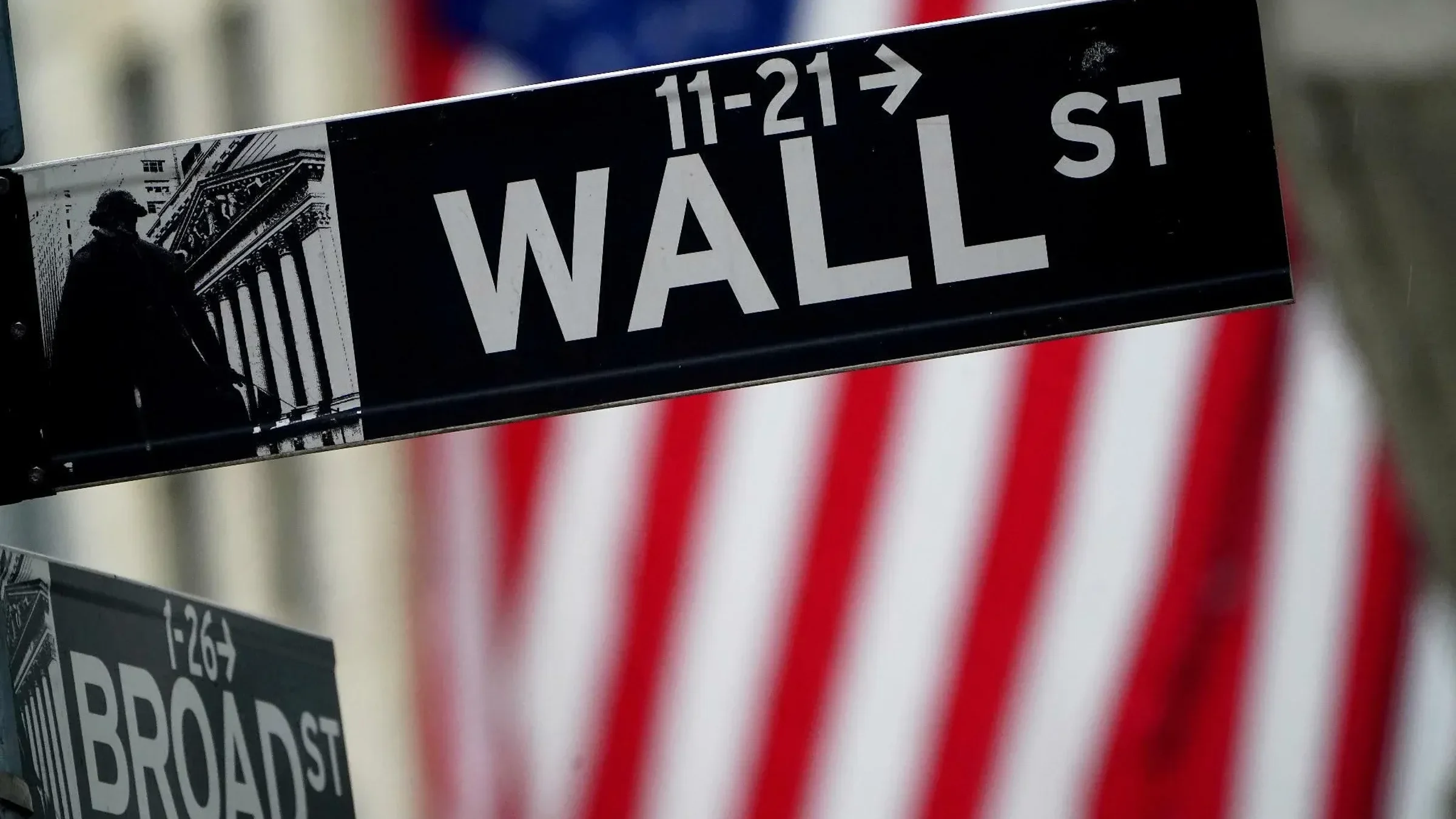
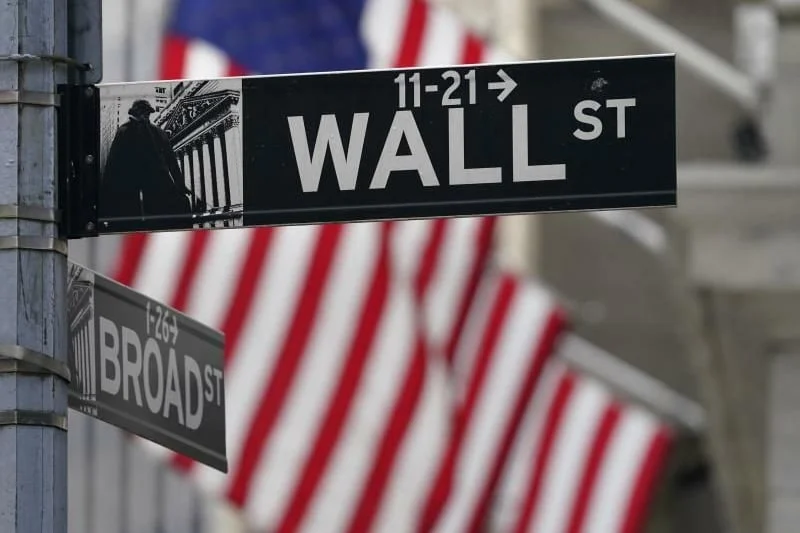
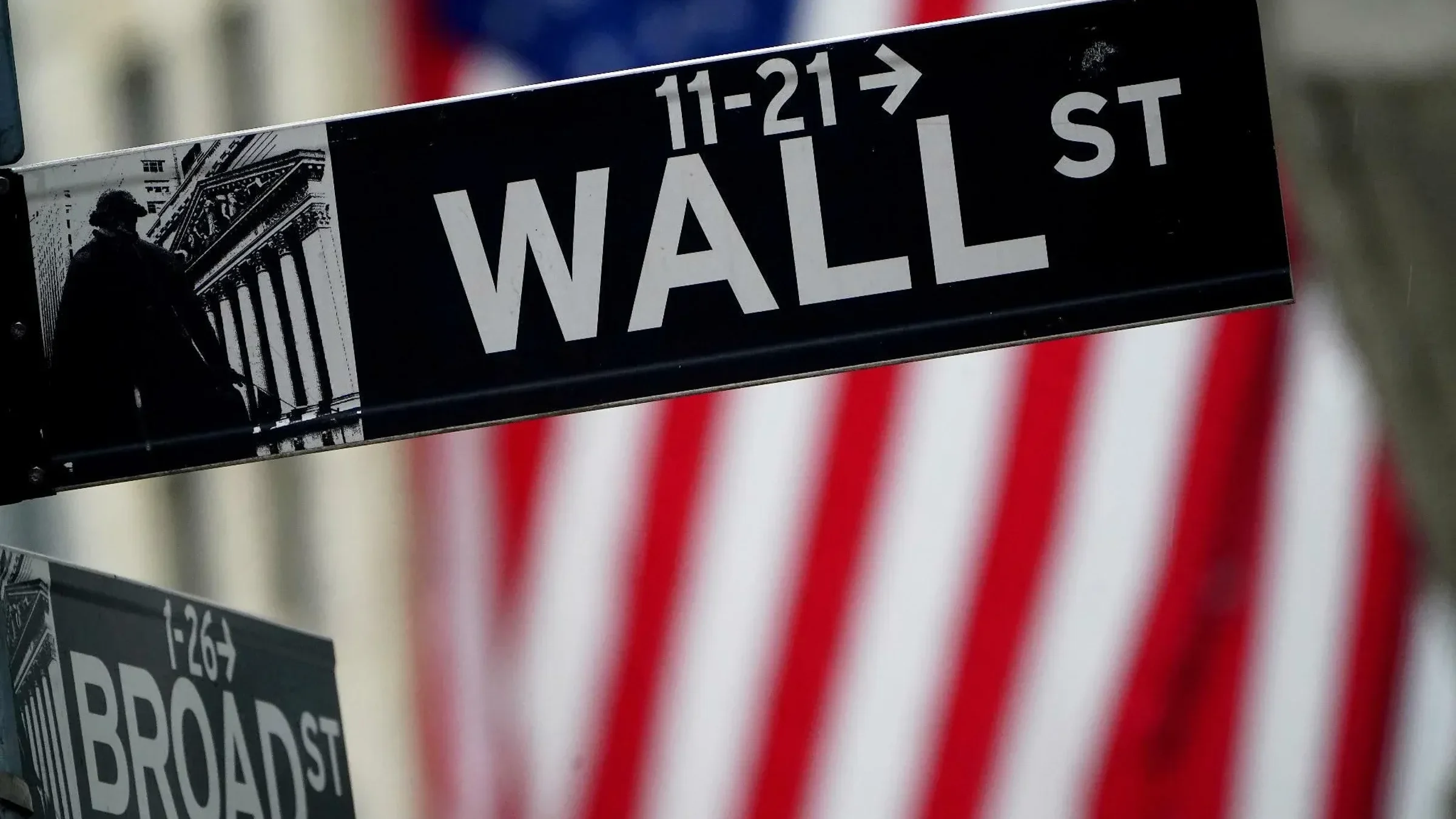
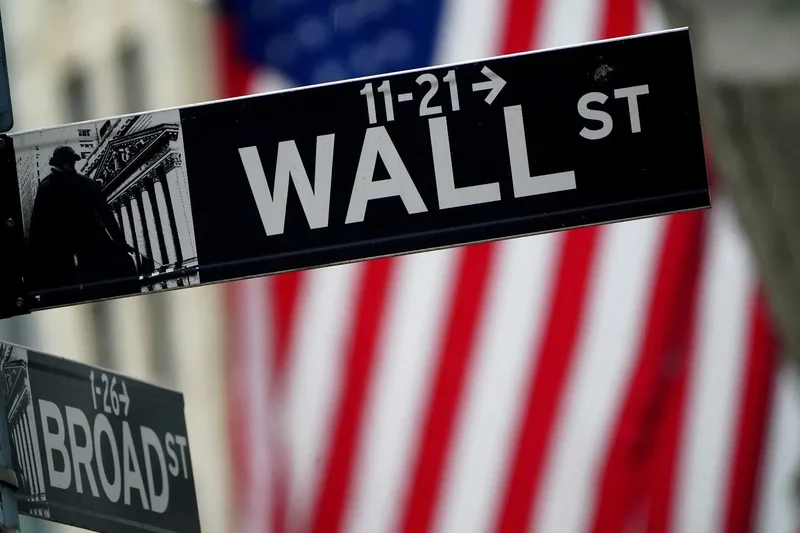
The New York Stock Exchange, a symbol of American financial might, saw its major indices register modest gains in early trading on Monday, signaling a cautious optimism among investors as the corporate earnings season approaches. The Dow Jones Industrial Average, the S&P 500, and the Nasdaq Composite all opened in positive territory, indicating a prevailing sentiment that the recent geopolitical tensions in the Middle East are not overshadowing the market’s fundamental drivers. This uptick occurs against a backdrop of anticipated financial reports from tech giants like Alphabet and Intel, which are poised to provide crucial insights into the health of the technology sector and, by extension, the broader economy.
A Shifting Sentiment on Wall Street
The trading session began with a palpable sense of relief, a departure from the cautious undertones that marked the close of the previous week. On Friday, global markets, including those in the United States, had experienced a downturn primarily attributed to escalating tensions between Iran and the United States. However, the weekend’s developments, while still concerning, appear to have been met with a more measured response by market participants. The initial fear that had gripped investors seems to have subsided, replaced by a more pragmatic assessment of the situation. This shift suggests that the market is beginning to price in the geopolitical risks, while simultaneously focusing on the upcoming corporate earnings season as a more immediate determinant of stock valuations.
The "H+ marker" on Handelsblatt’s platform, often signifying premium content, underscores the significance of this financial reporting. The presence of this marker, coupled with the specific mention of Dow, S&P, and Nasdaq, indicates a focus on the performance of the leading US stock market indices. The headline, "US-Börsen notieren leicht im Plus" (US Exchanges Trading Slightly Higher), succinctly captures the prevailing market sentiment. The lead text further elaborates that "Shortly before the start of the reporting season, the mood on the US markets is brightening somewhat again. Uncertainties in the Middle East play a subordinate role for investors on Monday." This statement highlights a key dynamic: the immediate geopolitical concerns are taking a backseat to the anticipation of corporate financial health.
Geopolitical Undercurrents and Market Resilience
The events unfolding in the Middle East have been a significant point of concern for global markets. The recent exchanges between Iran and the United States, characterized by retaliatory actions and heightened rhetoric, have historically triggered volatility in financial markets. However, the current market response suggests a degree of resilience, possibly due to a belief that a full-scale escalation is being averted or that the economic impact, while present, will be contained.
On Friday, the US stock markets had closed in the red, a direct reflection of the growing geopolitical anxieties. Reports of renewed hostilities over the weekend, specifically mentioning a "ninth wave of attacks by the US military on Iran" concluding overnight on Monday, initially heightened these concerns. However, the subsequent cautious optimism emanating from Iran regarding peace negotiations with the US has seemingly provided a counterbalancing force. This delicate balance between ongoing tensions and potential diplomatic breakthroughs is a crucial factor influencing investor sentiment.
The Houthi Blockade: A New Layer of Complexity
Adding another dimension to the geopolitical landscape, the Houthi rebels in Yemen have declared a naval blockade against Saudi Arabia, a move that could have implications for regional stability and energy markets. The Houthi military spokesperson announced on Monday that this blockade, targeting what they term the "criminal Saudi enemy," is based on the principle of "an eye for an eye" and is effective immediately. This development introduces a new element of risk, particularly for oil-producing nations and global shipping routes. While the immediate impact on US stock markets might be limited by their direct exposure, such actions can contribute to broader market uncertainty and potentially influence commodity prices, which in turn can affect corporate costs and consumer spending.
The Houthi’s assertion of a blockade against Saudi Arabia, a key player in global oil production and a significant economic partner for many nations, could potentially disrupt supply chains and impact energy prices. Historically, geopolitical instability in the Middle East has led to significant fluctuations in crude oil prices, given the region’s crucial role in global energy supply. Any sustained disruption could lead to increased energy costs, impacting inflation and corporate profitability across various sectors. While this specific development might not be the primary driver of Monday’s trading, it adds to the complex tapestry of global risks that investors are continuously evaluating.

Anticipation of Corporate Earnings
Amidst the geopolitical backdrop, the upcoming earnings reports from major technology companies are a significant focus for investors. Companies like Alphabet (Google’s parent company) and Intel are scheduled to release their financial results, which are closely watched for indicators of consumer spending, advertising revenue, and technological innovation.
- Alphabet (GOOGL/GOOG): As a dominant force in online advertising, search, and cloud computing, Alphabet’s earnings provide a broad gauge of the digital economy’s health. Investors will be looking for growth in its advertising segments, particularly Search and YouTube, as well as the performance of its cloud division, Google Cloud. Any insights into the company’s investments in artificial intelligence (AI) and its impact on future revenue streams will also be closely scrutinized. The company’s ability to navigate evolving privacy regulations and competition will be key factors.
- Intel (INTC): As a semiconductor giant, Intel’s results are crucial for understanding the demand for computing hardware across various sectors, from personal computers and data centers to automotive and industrial applications. Investors will be keen to see progress in its foundry business, as it aims to challenge competitors like TSMC and Samsung. The company’s ability to ramp up production and meet the growing demand for advanced chips, especially those powering AI technologies, will be a critical determinant of its financial performance.
The performance of these tech behemoths can have a ripple effect across the broader market. Strong earnings can boost investor confidence and encourage further investment, while disappointing results could trigger sell-offs and dampen market sentiment. The anticipation of these reports is a key reason for the cautious optimism observed on Monday, as investors position themselves ahead of potentially market-moving news.

Historical Context of Market Reactions to Geopolitics
The relationship between geopolitical events and stock market performance is a complex and often debated topic. Historically, periods of heightened geopolitical tension have often led to short-term market dips. For instance, during the lead-up to the invasion of Iraq in 2003, markets experienced volatility. Similarly, events such as the September 11th attacks and the Cuban Missile Crisis in the 1960s led to significant, albeit temporary, market downturns.
However, markets have also demonstrated a remarkable ability to recover and even thrive in the aftermath of geopolitical crises. This resilience is often attributed to several factors:

- Economic Fundamentals: If the underlying economic conditions remain strong, markets tend to rebound relatively quickly. Corporate earnings, consumer demand, and employment figures often play a more significant role in long-term market trends than short-term geopolitical shocks.
- Adaptability: Businesses and economies often adapt to new geopolitical realities. Supply chains may be rerouted, new trade relationships may be forged, and technological advancements can mitigate the impact of certain disruptions.
- Investor Psychology: While initial reactions to geopolitical events can be driven by fear and uncertainty, investors often become more rational as the situation evolves and more information becomes available. A focus on long-term value and fundamental analysis can help investors weather short-term volatility.
- "Buy the Dip" Mentality: In many cases, periods of market decline triggered by geopolitical events present buying opportunities for investors who believe in the long-term prospects of the market and specific companies.
The current situation, where markets are showing a degree of resilience despite ongoing tensions, aligns with this historical pattern of adaptation and a focus on fundamental economic drivers. The "subordinate role" of Middle Eastern uncertainties, as mentioned in the lead text, suggests that investors are prioritizing the immediate economic indicators, such as upcoming earnings, over the more abstract, though potentially significant, geopolitical risks.
Analyzing the Broader Implications
The current market sentiment reflects a nuanced approach to risk assessment. While the geopolitical situation in the Middle East, particularly the exchanges between Iran and the US, and the Houthi blockade, are undoubtedly factors contributing to global uncertainty, their immediate impact on the US stock market appears to be contained. This is likely due to several factors:

- Limited Direct Economic Impact (for now): While tensions can affect oil prices, the direct, immediate impact on the core sectors driving the US economy, such as technology and consumer discretionary, may not be severe enough to warrant a significant market sell-off. The US is less reliant on Middle Eastern oil than in previous decades, though global energy markets remain interconnected.
- Focus on Earnings: The approaching earnings season provides a concrete set of data points for investors to analyze. The performance of major corporations offers a more tangible basis for valuation and future outlook compared to the speculative nature of geopolitical forecasting.
- Market Maturation: Investors have become more adept at navigating geopolitical risks. There is often a tendency to price in known risks and then focus on the underlying economic fundamentals.
However, it is crucial to acknowledge the potential for escalation. Any significant military confrontation or sustained disruption to oil supplies could rapidly alter market dynamics, leading to increased volatility and a potential downturn. The Houthi blockade, in particular, warrants close monitoring as it could impact shipping routes and regional stability, with potential knock-on effects on global commodity markets.
The resilience shown by the US markets on Monday is a testament to their underlying strength and the ability of investors to differentiate between immediate concerns and long-term economic prospects. The coming days and weeks will be critical as more corporate earnings are released, providing further clarity on the direction of the global economy and the ultimate impact of the current geopolitical landscape. The interplay between geopolitical developments and the robust anticipation of corporate financial health will continue to shape market movements.