Gilang Muhammad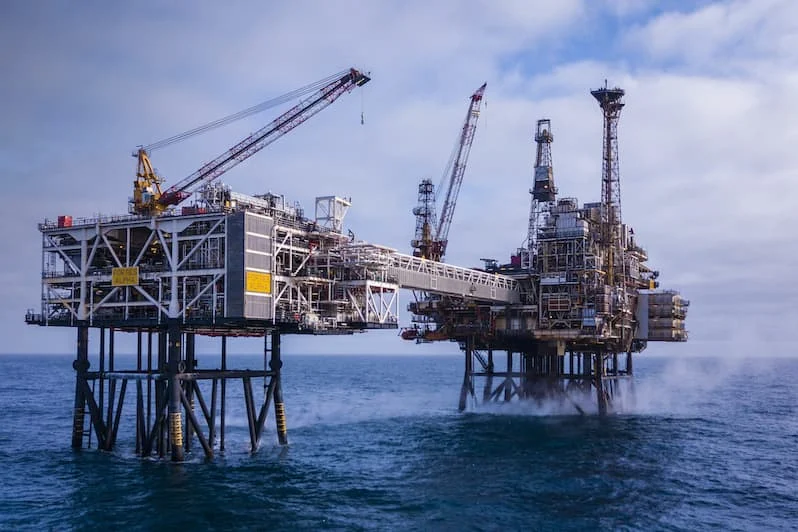
The United Kingdom stands at a pivotal energy juncture, with the impending leadership of Andy Burnham, widely anticipated to succeed Keir Starmer as Prime Minister, poised to confront an immediate and profound policy dilemma. At the heart of this challenge lies the contentious debate over whether to sanction further drilling for North Sea oil and gas or to accelerate the nation’s transition towards renewable energy sources. This decision is unfolding against a backdrop of severe global energy shocks, heightened geopolitical instability, and an urgent domestic imperative to secure energy independence while simultaneously meeting ambitious climate targets.
The Geopolitical Pressure Cooker: Iran, Ukraine, and Global Energy Security
The immediate impetus for this intensified debate stems from a confluence of international crises. Most recently, the Iran war has significantly disrupted global oil flows, particularly through the Strait of Hormuz. This narrow waterway, a critical maritime chokepoint, facilitates the passage of approximately 20% of the world’s total petroleum liquids consumption, making any disruption here a direct threat to global supply and price stability. The resulting squeeze in physical oil supply has reverberated across international markets, pushing crude prices upwards and directly impacting consumer costs in the UK.
This current crisis compounds the lingering effects of Russia’s full-scale invasion of Ukraine, which commenced in February 2022. That conflict triggered an unprecedented energy crisis across Europe, exposing the vulnerabilities of nations heavily reliant on imported fossil fuels. For the UK, while less dependent on Russian gas than some continental European counterparts, the ripple effects were profound, leading to soaring wholesale gas prices, an exacerbation of the cost of living crisis, and a renewed, urgent focus on energy security and independence. The political fallout from these events was stark, with former U.S. President Donald Trump notably weighing in on the UK’s domestic affairs, attributing Keir Starmer’s recent resignation to a "failed" energy policy – a move that poured gasoline on an already heated national debate.
Business leaders and segments of the industrial sector in the UK have been vocal proponents of increased domestic production, arguing that the unpredictability of global energy markets underscores the strategic importance of maximizing indigenous resources. They contend that domestic oil and gas production offers a buffer against geopolitical shocks, reduces reliance on volatile international supply chains, and ensures a more stable energy foundation for the economy.
A Nation Divided: The Internal Political Battle
Despite the consensus on the need for energy security, the path forward remains deeply divisive within UK politics, even within the prospective ruling party. Rachel Reeves, the current UK finance minister and a figure likely to retain a prominent role in a new government, is understood to privately support new drilling initiatives. Her stance is widely seen as prioritizing economic stability, short-term energy security, and the preservation of existing industrial jobs. This perspective often aligns with arguments about the pragmatic necessity of a managed transition, acknowledging that fossil fuels will remain part of the energy mix for the foreseeable future.
Conversely, Energy Secretary Ed Miliband, who is being tipped as a potential successor to Reeves as finance minister, champions a radically different approach. Miliband has consistently argued that the UK’s primary focus must be on accelerating the transition to clean energy. His position is rooted in the twin imperatives of addressing the climate crisis and harnessing the economic opportunities presented by the burgeoning green economy. He advocates for significant investment in renewable energy infrastructure, arguing that this not only secures long-term energy independence but also positions the UK as a leader in global green technologies.

The political chasm is not confined to the cabinet. Two of the UK’s most influential trade unions, Unite the Nation and GMB, have launched robust campaigns advocating for continued drilling in the North Sea. Their primary concern revolves around the potential damage to jobs in the existing oil and gas sector. The North Sea industry, particularly in Scotland and the northeast of England, employs tens of thousands of skilled workers directly and indirectly. These unions fear that an abrupt halt to new projects without a concrete, fully funded "just transition" plan – one that guarantees retraining, redeployment, and economic security for affected workers – would devastate local economies and communities. This highlights a crucial social dimension to the energy debate, where environmental ambitions must be balanced against the immediate livelihoods of a significant workforce.
Andy Burnham, who is slated to become Prime Minister in July if he remains unchallenged by Labour Party colleagues, finds himself in an unenviable position. The markets, keen observers of policy direction, are awaiting a clear signal, and Burnham is under immense pressure to define his stance on this critical issue quickly. His decision will not only shape the UK’s energy future but also define the early narrative of his premiership, signaling his administration’s priorities on climate action, economic stability, and social equity.
The Rosebank and Jackdaw Conundrum: A Test of Climate Goals
At the very epicentre of this national debate are two significant North Sea projects: the Rosebank and Jackdaw fields, both located in Scottish waters. These fields represent potentially massive new sources of domestic oil and gas, promising a substantial boost to the UK’s energy supply and offering a tangible response to concerns about energy security. Rosebank, for instance, is one of the largest undeveloped oil and gas fields in the North Sea, estimated to hold hundreds of millions of barrels of oil equivalent. Its development could potentially produce up to 69,000 barrels of oil per day at its peak, alongside significant volumes of gas. Jackdaw, while smaller, is also considered a vital gas project.
However, the proposed development of these fields presents a profound test for the UK’s legally binding climate goals, particularly its commitment to achieving net-zero emissions by 2050. Environmental organizations and climate scientists have vehemently opposed these projects, labeling them "carbon bombs" that would lock the UK into decades more of fossil fuel dependency, making its net-zero targets unattainable. They argue that new fossil fuel extraction projects are fundamentally incompatible with the Paris Agreement and the Intergovernmental Panel on Climate Change’s (IPCC) warnings about the need to rapidly reduce greenhouse gas emissions.
Scotland’s Unique Dilemma: A Balancing Act
The pressure exerted by these projects is particularly acute in Scotland, a nation with a deep historical connection to the North Sea oil and gas industry but also with ambitious renewable energy targets. Scotland’s First Minister, John Swinney, articulated this complex challenge to CNBC, stating, "There is a changing balance that’s got to be struck." He acknowledged the undeniable reality that "we are going to have to utilize oil and gas for some years to come." Swinney emphasized the material factors that must be considered, particularly "uncertainty about the security of supply, or security of supply is undermined because of exorbitant cost of the effects of the conflict in Iran." His remarks underscore the pragmatic necessity felt by many in Scotland to manage a transition away from fossil fuels without jeopardizing current energy stability or the significant economic contributions of the existing industry.
The symbolic weight of this transition was powerfully demonstrated by the closure of the Grangemouth oil refinery in April 2025. Once Scotland’s largest refinery and a cornerstone of its industrial landscape, its closure resulted in the loss of hundreds of jobs. Swinney highlighted the immediate consequences of this decision, noting, "the refinery had been a source of production of jet fuel, so we’re now importing jet fuel because of a closure of a refinery." He further connected this domestic vulnerability to the broader geopolitical context, adding, "We’ve now got uncertainty over jet fuel because of the conflict in the Middle East, and that will affect the ability of our economy to function." This stark example illustrates how the closure of traditional energy infrastructure, while perhaps aligning with long-term climate goals, can create immediate supply chain gaps and expose the economy to new forms of vulnerability, especially in the absence of robust, localized alternatives.
Chronology of the UK’s Energy Transition Debate

The current energy crossroads is the culmination of decades of evolving policy and geopolitical shifts:
- 1970s-1980s: The North Sea oil boom transforms the UK into a significant oil and gas producer, achieving energy self-sufficiency and generating substantial tax revenues.
- Late 1990s-Early 2000s: Peak North Sea production is reached, and a gradual decline begins, leading to increased reliance on imports.
- 2008 Climate Change Act: The UK becomes the first country to introduce legally binding long-term emissions reduction targets, setting a precedent for climate action.
- 2010s: Significant growth in renewable energy, particularly offshore wind, begins to shift the UK’s energy mix. The UK commits to phasing out coal power.
- 2019: The UK government legislates a target to achieve net-zero greenhouse gas emissions by 2050. This commits the nation to a radical transformation of its energy system.
- 2021 (COP26 in Glasgow): The UK hosts the UN Climate Change Conference, emphasizing its role as a climate leader and putting further pressure on domestic fossil fuel policy.
- February 2022: Russia’s invasion of Ukraine triggers a global energy crisis, skyrocketing gas prices, and intensifying the debate around energy security and domestic fossil fuel production.
- Mid-2023: The UK government grants approval for the development of the Rosebank oil and gas field, sparking widespread environmental protest and political contention.
- April 2025: The Grangemouth oil refinery, Scotland’s largest, ceases crude oil refining operations, signaling a significant shift in the UK’s domestic refining capacity.
- July 2024 (projected): Andy Burnham is expected to become Prime Minister, inheriting the immediate challenge of defining the UK’s future energy strategy amidst global shocks and domestic divides.
Broader Impact and Implications
The decision facing the incoming Prime Minister carries far-reaching implications across economic, environmental, and social spheres.
Economic Implications:
A decision to expand North Sea drilling could offer short-term benefits by bolstering domestic supply, potentially stabilizing energy prices for consumers and industries, and reducing reliance on volatile international markets. It could also protect existing jobs in the oil and gas sector and generate tax revenues for the Treasury. However, this path risks deterring investment in the long-term, more sustainable green economy. Conversely, a robust push for renewables, while requiring significant upfront investment, promises long-term energy independence, insulation from fossil fuel price volatility, and the creation of hundreds of thousands of new, future-proof jobs in green industries like offshore wind manufacturing, hydrogen production, and carbon capture technologies. The UK’s ability to attract international investment in green tech would be significantly enhanced, potentially positioning it as a global leader in the new energy economy.
Environmental Implications:
Approving new oil and gas projects would undoubtedly complicate the UK’s efforts to meet its net-zero by 2050 target. While proponents argue that domestic production is less carbon-intensive than imports and necessary for a transition period, environmental groups contend that any new fossil fuel infrastructure locks in emissions for decades, making climate goals harder, if not impossible, to achieve. The UK’s credibility on the international stage, especially after hosting COP26, would also be scrutinized. Doubling down on renewables, however, would send a strong signal of climate leadership and accelerate the decarbonization of the UK economy, contributing directly to global efforts to combat climate change.
Social Implications:
The choice will have profound social consequences, particularly for communities reliant on the fossil fuel industry. A rapid transition away from oil and gas without adequate support could lead to job losses and economic hardship in regions like northeast Scotland. This underscores the critical need for a "just transition" framework, ensuring that workers and communities are supported through retraining programs, new industrial investments, and social safety nets. Conversely, investing in renewables can create new employment opportunities, often in regions that have historically suffered from deindustrialization, fostering economic regeneration and a more equitable distribution of wealth. Energy affordability for households is another key concern; while fossil fuels are subject to global price swings, domestically generated renewable energy offers greater long-term price stability.
International Context and Leadership
The UK’s decision will not occur in a vacuum. As a signatory to the Paris Agreement and a nation that has often positioned itself as a leader in climate action, its energy choices are watched closely by the international community. A move to significantly expand fossil fuel extraction could undermine its diplomatic efforts to encourage other nations to decarbonize, particularly developing countries. Conversely, a bold commitment to renewables could reinforce its leadership, demonstrating that economic growth and energy security can be achieved in tandem with ambitious climate action.
In conclusion, Andy Burnham’s impending premiership is set to begin with an immediate and defining test. The interplay of global energy shocks, domestic economic pressures, union concerns over jobs, and the urgent imperative of climate action has created a complex web of competing demands. The decision on North Sea oil and gas versus an accelerated renewables push will not merely be an energy policy choice; it will be a foundational statement on the UK’s economic future, its commitment to environmental stewardship, and its place in a rapidly evolving global landscape. The "changing balance" that First Minister Swinney referenced is not just a Scottish dilemma, but a national one, demanding a comprehensive, strategic, and ultimately, a brave vision for the United Kingdom’s energy destiny.