Farhan Pambudi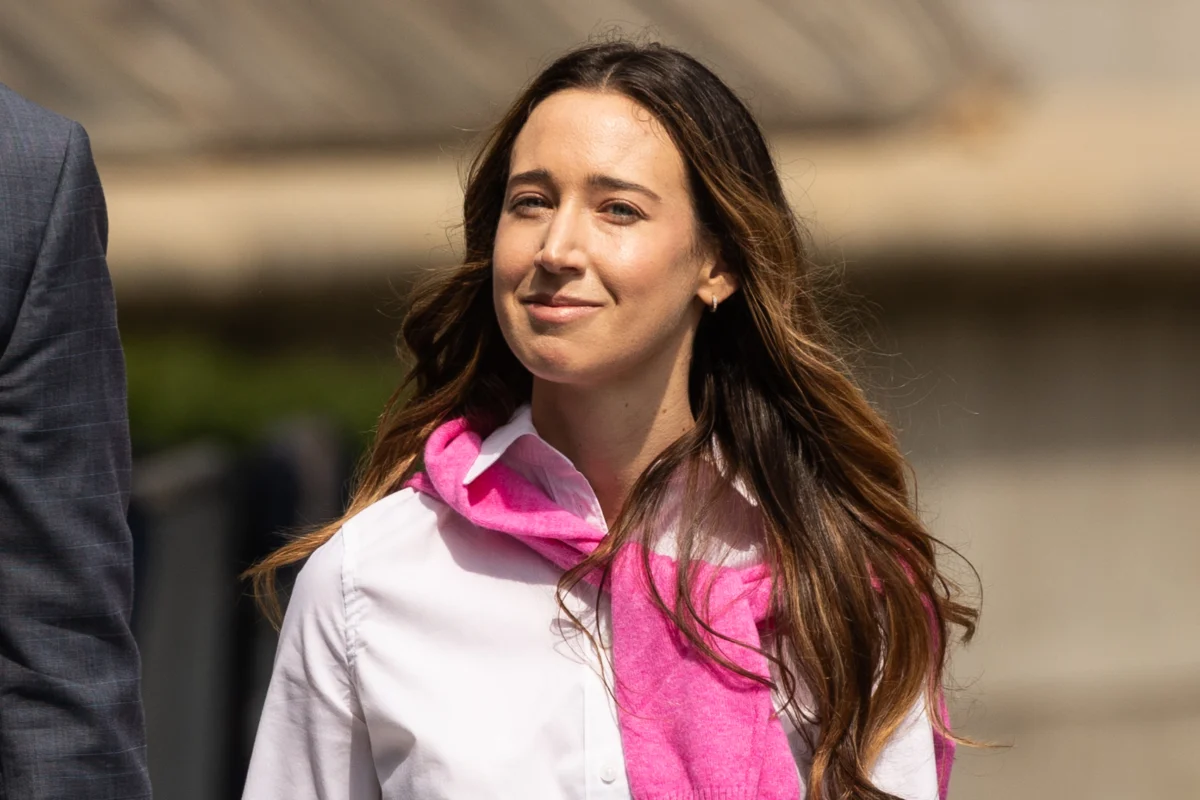
Charlie Javice, the founder of the defunct college financial aid startup Frank, has reportedly initiated a quiet but concerted campaign to secure a presidential pardon as she serves a prison sentence for defrauding JPMorgan Chase. According to reports first surfaced by the Wall Street Journal, Javice’s legal representatives and associates have been navigating backchannels to reach individuals close to the Trump administration. While her name has not yet appeared on the formal clemency request list maintained by the Department of Justice, sources indicate that her camp is positioning her case as a candidate for executive intervention. This development comes as the administration reportedly considers a sweeping wave of approximately 250 pardons to coincide with the 250th anniversary of the United States, a milestone that has sparked a flurry of activity among high-profile white-collar defendants.
The effort to secure a pardon for Javice represents a significant turn in one of the most high-profile fintech fraud cases of the decade. In September 2025, Javice was found guilty of orchestrating a scheme to deceive JPMorgan Chase into acquiring her company for $175 million by drastically inflating its user base. She was sentenced to more than seven years in federal prison, a term she is currently serving while her legal team pursues an appeal. The pursuit of a pardon adds a layer of political complexity to the case, particularly given the strained relationship between President Donald Trump and JPMorgan Chase’s leadership.
The Rise and Fall of Frank: A Chronology of Deception
The story of Frank began with a promise to democratize access to higher education by simplifying the Free Application for Federal Student Aid (FAFSA) process. Founded by Javice in 2016, the startup quickly gained traction in the venture capital world, branding itself as an essential tool for Gen Z students navigating the complexities of student loans. By 2021, Javice had successfully positioned Frank as a prime acquisition target for major financial institutions looking to expand their reach into the younger demographic.
In September 2021, JPMorgan Chase announced it had acquired Frank for $175 million. At the time, the bank believed it was gaining access to a platform with more than 4.26 million customers. However, the reality was far different. Internal investigations launched by the bank following the acquisition revealed that Frank’s actual customer base was closer to 300,000. To bridge the gap, federal prosecutors alleged that Javice paid a data science professor $18,000 to create a "synthetic" list of millions of fake names, emails, and birthdays to satisfy the bank’s due diligence requirements.
The legal fallout was swift. In early 2023, JPMorgan Chase shuttered Frank and filed a lawsuit against Javice. This was followed by criminal charges brought by the Department of Justice and a civil suit from the Securities and Exchange Commission (SEC). Despite Javice’s claims that the bank was using her as a scapegoat for its own failures in due diligence, a jury convicted her on multiple counts of wire, bank, and securities fraud.
The Political Landscape of Presidential Clemency
Javice’s quest for a pardon is unfolding against a broader backdrop of executive clemency that has seen several tech and finance figures seek relief. The Trump administration’s reported plan to issue 250 pardons this summer has created a "clemency gold rush" among defendants who argue that their prosecutions were politically motivated or that their sentences were disproportionately harsh.
Among those reportedly seeking similar relief is Sam Bankman-Fried, the convicted founder of the cryptocurrency exchange FTX. The inclusion of names like Javice and Bankman-Fried on the list of potential pardon recipients highlights a growing trend of white-collar defendants leveraging political connections to bypass the traditional appellate process. For Javice, the strategy appears to involve highlighting her status as a young entrepreneur who "disrupted" a legacy institution, a narrative that may find resonance with an administration often critical of established corporate giants.
The JPMorgan Friction and the "Debanking" Narrative
A critical factor in Javice’s pardon strategy is the ongoing public and legal feud between President Trump and JPMorgan Chase CEO Jamie Dimon. In early 2021, in the aftermath of the January 6 Capitol riot, JPMorgan Chase made the decision to close accounts associated with Trump and several of his business entities. Trump has since characterized this move as "political debanking," a term used to describe the practice of financial institutions terminating services for clients based on their political affiliations or perceived reputational risks.
In early 2026, Trump filed a $5 billion lawsuit against JPMorgan Chase and Jamie Dimon, alleging that the bank’s actions constituted a breach of contract and a violation of civil rights. JPMorgan has steadfastly denied these allegations, maintaining that its decisions were based on internal risk management policies rather than political bias.
Javice’s camp is reportedly leaning into this friction. By framing her prosecution as a project of a bank that is "hostile" to the President’s interests, her supporters hope to present her pardon as a way to rebuke JPMorgan Chase. If granted, a pardon would not only vacate her conviction but also serve as a high-profile signal of the administration’s disapproval of the bank’s practices.

High-Profile Alliances and Financial Influence
The lobbying effort for Javice is bolstered by the support of influential figures in the financial world. Chief among them is Marc Rowan, the CEO of Apollo Global Management and an early investor in Frank. Rowan, who testified on Javice’s behalf during her trial, has remained a steadfast supporter. His influence is amplified by his significant financial contributions to Republican causes.
Since the 2024 election, Rowan has reportedly donated millions of dollars to Republican congressional groups and Trump-aligned political action committees. His proximity to the administration’s economic inner circle provides Javice with a powerful advocate who can argue that her "innovative spirit" was unfairly stifled by a legacy bank. The involvement of such high-level donors is a common feature of modern pardon campaigns, where personal and financial ties often play a role in bringing a case to the President’s attention.
Supporting Data: The Scale of the Fraud and the Sentence
The evidence presented during Javice’s trial painted a detailed picture of the scale of the deception. According to court documents:
- The Discrepancy: Javice claimed Frank had 4.26 million users; the actual number was verified at approximately 300,000.
- The Cost of Fabrication: A data science professor was allegedly paid $18,000 to generate 4 million fake accounts using "synthetic data."
- The Financial Gain: Javice received nearly $10 million in the acquisition, with an additional $20 million retention bonus structured into the deal.
- The Sentence: Her 87-month (7.25-year) prison term was at the higher end of federal sentencing guidelines for white-collar crimes of this magnitude, reflecting the judge’s view of the "breathtaking" nature of the fraud.
These figures underscore why JPMorgan Chase has remained vocal in its opposition to any form of clemency. For the bank, the Javice case is not merely about the $175 million lost, but about the integrity of the financial system and the necessity of holding fraudulent actors accountable.
Broader Implications for the Fintech Industry
The potential pardon of Charlie Javice carries significant implications for the fintech industry and the broader startup ecosystem. For years, the "fake it till you make it" culture of Silicon Valley has walked a fine line between optimistic projections and legal fraud. A presidential pardon for a convicted fraudster in this space could be interpreted as a softening of the government’s stance on corporate accountability.
Industry analysts suggest that if Javice is granted clemency, it may undermine the due diligence processes that govern mergers and acquisitions. If founders believe that political intervention can mitigate the consequences of fraudulent behavior, the incentive to provide accurate data during the sale of a company could be diminished. Conversely, supporters of Javice argue that her case highlights the "vulture-like" nature of big banks that acquire startups only to turn on their founders when the integration process becomes difficult.
Official Responses and Public Sentiment
As of mid-June 2026, the White House has issued no formal comment on the status of Javice’s potential pardon. A spokesperson for the Department of Justice noted that while the pardon attorney’s office reviews all formal applications, the President retains the constitutional authority to grant clemency regardless of the department’s recommendations.
JPMorgan Chase has also declined to comment specifically on the pardon rumors, though a source close to the bank indicated that they view the conviction as a settled legal matter. "The facts of the case were laid bare in a court of law, and a jury of her peers reached a unanimous verdict," the source stated.
Public sentiment remains divided. Critics of the administration argue that pardoning white-collar criminals like Javice and Bankman-Fried would demonstrate a double standard in the justice system, where wealthy defendants with political connections can escape punishment while others cannot. Supporters, however, view these potential pardons as a necessary check on what they describe as "overzealous" federal prosecutors and "corporate bullying" by institutions like JPMorgan Chase.
Conclusion and Future Outlook
The coming months will be pivotal for Charlie Javice. As the United States approaches its 250th anniversary, the list of clemency recipients will be closely watched by legal experts, political analysts, and the financial community. Whether Javice’s quiet lobbying and her supporters’ financial influence will be enough to secure her freedom remains to be seen.
The outcome will likely serve as a barometer for the administration’s willingness to use its pardon power as a tool of political messaging. In the intersection of high finance, technology, and national politics, the case of Charlie Javice has become more than just a story of a failed startup; it is now a focal point for a larger debate on justice, power, and the enduring friction between the White House and Wall Street.