Putri Inara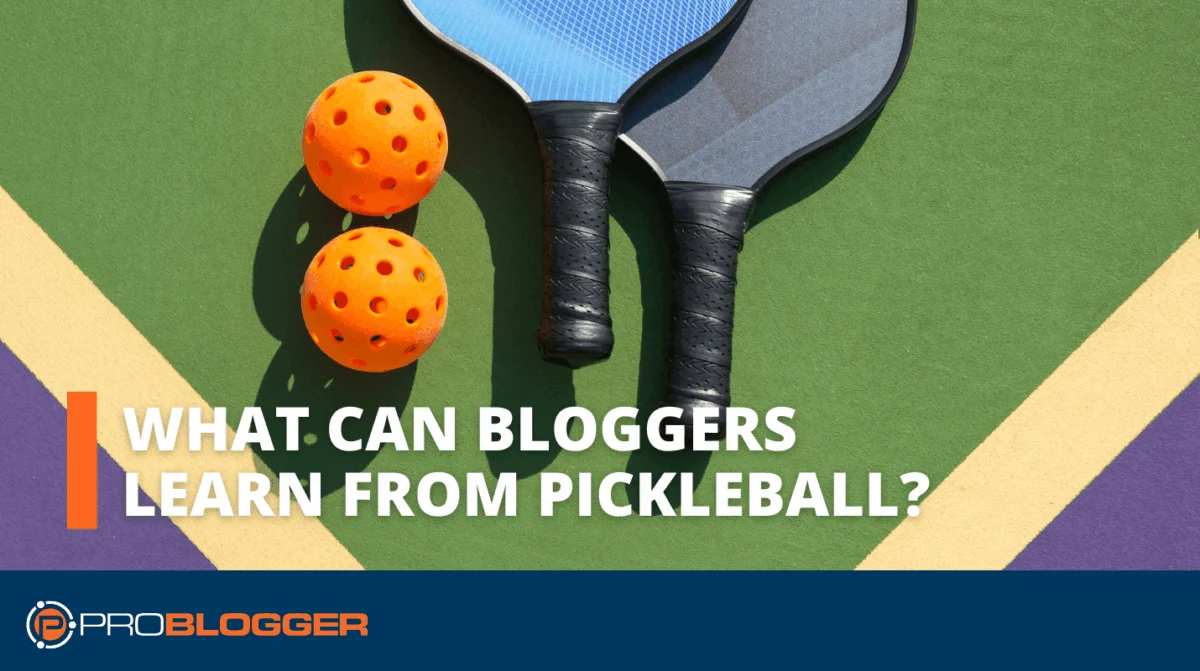
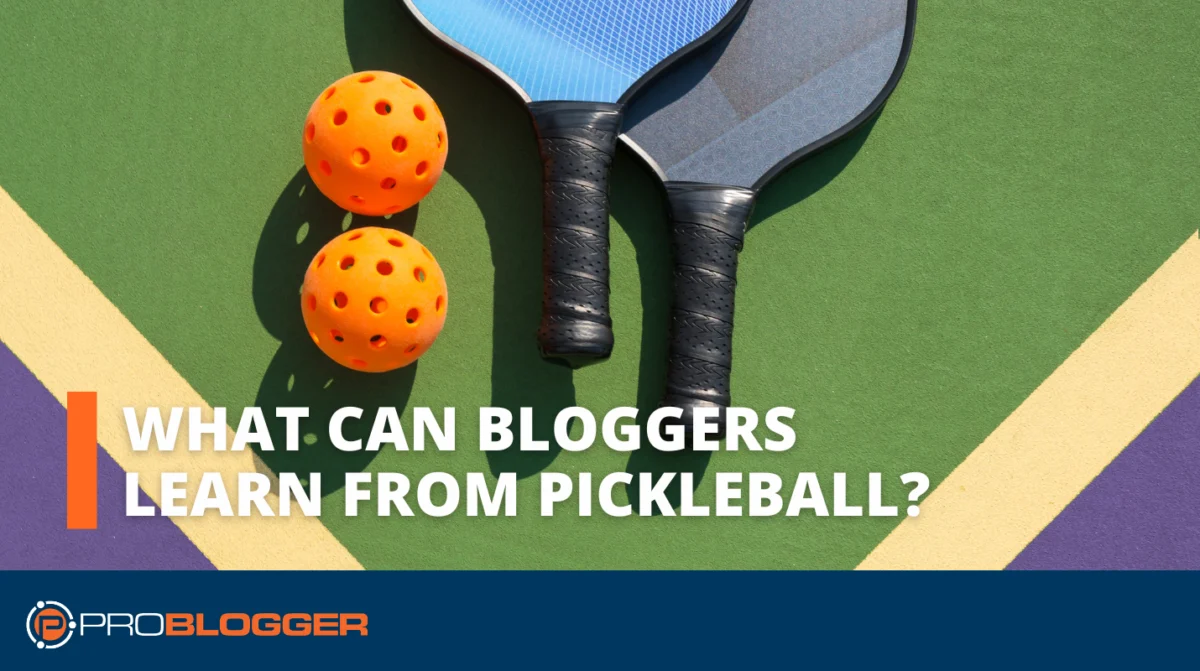
The rapid ascent of pickleball from a niche backyard activity to the fastest-growing sport in the United States offers a profound blueprint for the digital content industry. As of 2024, the sport has transcended its reputation as a retirement community pastime, boasting over 36.5 million players according to the Association of Pickleball Professionals (APP). This meteoric rise parallels the evolution of the professional blogging landscape, where accessibility, community engagement, and strategic simplicity have become the primary drivers of sustainable growth. By analyzing the structural mechanics of pickleball, content creators and digital publishers can identify sophisticated strategies for audience retention, brand positioning, and operational agility in an increasingly saturated digital marketplace.
The Historical Context: From Bainbridge Island to Global Prominence
The origins of pickleball date back to 1965 on Bainbridge Island, Washington. It was conceptualized by three fathers—Joel Pritchard, Bill Bell, and Barney McCallum—who sought to create an inclusive activity for their families using improvised equipment, including a perforated plastic ball and handmade plywood paddles. This modest beginning serves as a foundational lesson for digital publishers: the most resilient platforms often emerge from a "minimum viable product" (MVP) approach.
The sport’s formalization began in 1972 with the incorporation of Pickleball, Inc., followed by the first known tournament in 1976. However, it was the period between 2020 and 2023 that saw an unprecedented 223.5% increase in participation, according to the Sports & Fitness Industry Association (SFIA). This growth was driven by the sport’s low barrier to entry and its inherent social nature—attributes that mirror the successful "Web 2.0" transition of blogging from static personal diaries to interactive, community-led content hubs.
Scaling Content: The Backyard Strategy for Modern Bloggers
The evolution of pickleball highlights a critical principle of business scaling: start with local utility and expand through universal appeal. For bloggers, this mirrors the journey from a single, high-quality post to a comprehensive content ecosystem. In the professional blogging sector, data from the Content Marketing Institute (CMI) indicates that 73% of B2B marketers and 70% of B2C marketers use content marketing as a core pillar of their growth strategy.
Just as pickleball utilized existing tennis courts to find a footprint, successful bloggers often leverage established platforms—such as social media or guest posting—to build initial momentum before migrating their audience to owned assets. The lesson for creators is to focus on the "net"—the ultimate objective of conversion and brand authority—while maintaining the agility of a backyard operation during the early stages of development.
The Community Rally: Engagement as a Growth Engine
In pickleball, a "rally" is the continuous sequence of shots between players. In the digital space, the rally represents the feedback loop between the creator and the audience. Professional analysis of social media algorithms suggests that engagement rates (likes, shares, and comments) are now more significant than raw follower counts for organic reach.
Industry experts observe that content creators who actively participate in the "community rally"—by responding to comments, hosting live sessions, and facilitating peer-to-peer discussions—experience higher retention rates. A 2023 study on digital consumer behavior found that 64% of users want brands and creators to connect with them on a personal level. By maintaining the momentum of interaction, bloggers transform passive readers into active community members, mirroring the social cohesion found on pickleball courts.
The Art of the Dink: The Strategic Power of Simplicity
One of the most distinctive maneuvers in pickleball is the "dink"—a soft, controlled shot that drops into the opponent’s "kitchen" (the non-volley zone). The purpose of the dink is not to win the point immediately through force, but to neutralize the opponent’s aggression and wait for a strategic opening.
For content creators, "dinking" is the equivalent of simplifying complex information. In an era of cognitive overload, the ability to distill sophisticated topics into digestible, high-value content is a competitive advantage. Journalistic data suggests that the average reader spends fewer than 15 seconds on a page before deciding whether to stay. By avoiding jargon and utilizing clean layouts—essentially "dinking" the information over the net—bloggers can control the pace of the reader’s experience and ensure long-term engagement rather than a quick bounce.

Navigating the Non-Volley Zone: Finding the Engagement Sweet Spot
The "kitchen" in pickleball is a seven-foot restricted area where players cannot volley the ball. This rule prevents players from standing at the net and smashing every shot, thereby forcing a more tactical game. In professional blogging, the "kitchen" represents the boundary between helpful content and aggressive monetization.
Content strategists refer to the "80/20 rule," where 80% of content should provide value, education, or entertainment, while only 20% should be promotional. Overstepping this boundary by becoming too "salesy" can lead to audience fatigue and high unsubscribe rates. Finding the "sweet spot" involves positioning content where the audience naturally gravitates, ensuring that every "volley" or interaction feels earned rather than forced.
Resilience in the Face of Whiffs: Analyzing Content Failure
In pickleball terminology, a "whiff" occurs when a player swings and completely misses the ball. Despite the frustration, professional players view whiffs as a byproduct of aggressive play and a learning opportunity. The blogging industry experiences a similar phenomenon; not every article or campaign will achieve viral status or meet its Key Performance Indicators (KPIs).
Data from various digital marketing platforms suggests that nearly 90% of blog posts receive no organic search traffic from Google. Rather than viewing these as failures, successful publishers use analytics—such as heatmaps and bounce rates—to perform a "post-match analysis." By understanding why a specific piece of content "whiffed," creators can refine their SEO strategy, adjust their tone, and better align their future "serves" with audience expectations.
Agility and Adaptation: Responding to Digital Market Shifts
The rise of pickleball was accelerated by its ability to adapt to available spaces, such as converted parking lots or gymnasium floors. Similarly, the digital landscape is in a state of constant flux due to shifts in Search Engine Optimization (SEO) algorithms, the emergence of AI-generated content, and changing privacy regulations.

A 2024 report on the creator economy suggests that the most successful bloggers are those who diversify their output. Just as a pickleball player must adapt to an opponent’s style, bloggers must adapt to platform shifts. This includes transitioning from long-form text to multi-modal content (video, audio, and newsletters) to ensure they remain relevant regardless of changes in search engine preferences.
The Power of the Opening Serve: Hooking the Modern Reader
In pickleball, the serve must be underhand and made with the paddle moving in an upward arc. It is the only shot that can score points for the serving team under traditional rules. In the context of blogging, the "serve" is the headline and the introductory paragraph.
A study by Columbia University and the French National Institute found that 59% of links shared on social media are never actually clicked, implying that the headline is often the only part of the "serve" that is seen. A strong, smart serve—one that utilizes curiosity gaps, addresses a specific pain point, or offers a unique data insight—sets the tone for the entire interaction. For professional bloggers, the "serve" must be meticulously crafted to ensure the reader is sufficiently hooked to engage with the rest of the content.
Strategic Positioning and Niche Dominance
Pickleball’s success is largely attributed to its strategic positioning as an "inclusive" sport, bridging the gap between high-intensity tennis and low-impact leisure. This positioning allowed it to capture a unique market segment that was previously underserved.
Bloggers face a similar challenge in a global market with over 600 million active blogs. Strategic positioning involves identifying a "Blue Ocean"—a niche with high demand but low competition. By applying the pickleball model of "Strategic Positioning," creators can establish themselves as authorities in specific micro-niches, making it easier to control the "game" and build a loyal, specialized following that is insulated from broader market competition.

Broader Impact and Implications for the Creator Economy
The intersection of sport and strategy highlights a shift in how digital content is consumed and valued. The success of pickleball underscores the importance of the "human element"—the fun, the community, and the shared experience. As AI continues to commoditize information, the value of a blogger’s personal perspective and their ability to foster a "fun" and engaging environment will become their most significant assets.
The broader implication is that the "gamification" of content—where readers feel they are part of a dynamic, evolving narrative—is the future of digital publishing. Bloggers who view their craft through the lens of a pickleball player—focusing on strategy, staying focused on the ball (the audience), and embracing the joy of the game—are more likely to achieve long-term sustainability.
In conclusion, the lessons from pickleball extend far beyond the court. They provide a framework for resilience, simplicity, and community-centric growth. As the creator economy continues to mature, those who can serve strong, dink smart, and maintain the rally will find themselves leading the next generation of digital media. The transition from a simple "hit" to an "addictive" community phenomenon is a journey that every blogger should strive to replicate.