Ena Muazin
SpaceX has solidified its position as a major player in the US stock market, extending its gains on the second day of trading following its highly anticipated initial public offering (IPO). The space exploration company, founded by Elon Musk, has not only become one of the ten most valuable publicly traded US corporations but has also demonstrated sustained investor confidence, building upon its successful debut.
A Monumental Market Debut
The IPO, which took place on Friday, saw SpaceX issue its shares at an initial price of $135, a figure that already reflected significant market anticipation. However, the company’s valuation quickly surpassed expectations. On its first day of trading, the stock opened at $150, an increase of over 11% from its IPO price. This strong opening performance was a clear indicator of the immense investor appetite for a stake in one of the world’s most innovative and ambitious companies. By the end of the first trading day, the stock had reached a high of $176.52, before settling slightly lower, but still well above its initial offering.
The second trading day, Monday, witnessed the continuation of this positive momentum. SpaceX shares closed a remarkable 19.6% higher, reaching approximately $192. This sustained upward trend underscores the market’s belief in SpaceX’s long-term growth potential and its disruptive influence across multiple sectors, including space travel, satellite internet, and potentially future transportation technologies.
Global Reach and Investment Opportunities
The impact of SpaceX’s market entry is not confined to the United States. Investors in Germany will also have the opportunity to trade the space exploration company’s shares starting Monday. This global accessibility broadens the investment base and further solidifies SpaceX’s international presence.

Moreover, the company’s forward-looking financial strategy is evident in its plans to allow trading of options on its stock starting Tuesday. Options trading provides investors with more sophisticated tools to speculate on future price movements or to hedge against potential volatility. This development is expected to increase liquidity and attract a wider range of institutional and retail investors seeking to engage with SpaceX’s stock performance.
A Deep Dive into SpaceX’s Trajectory
SpaceX’s journey to the public markets has been characterized by audacious goals and groundbreaking achievements. Founded in 2002 with the mission to revolutionize space technology and make space exploration more accessible and affordable, the company has consistently pushed the boundaries of what is considered possible. Its reusable rocket technology, exemplified by the Falcon 9 and Falcon Heavy launch vehicles, has dramatically reduced the cost of space access, a feat that has been a cornerstone of its business model and a key driver of its valuation.
The company’s Starlink satellite internet constellation, aiming to provide high-speed internet access to underserved areas globally, represents another significant revenue stream and growth avenue. With thousands of satellites already in orbit and plans for many more, Starlink has the potential to disrupt the telecommunications industry and connect billions of people.
Furthermore, SpaceX’s ambitious Starship program, designed for deep space missions and eventual colonization of Mars, showcases the company’s long-term vision. While still in development, the progress of Starship generates considerable excitement and reinforces the perception of SpaceX as a company at the forefront of human exploration.

The IPO’s Strategic Significance
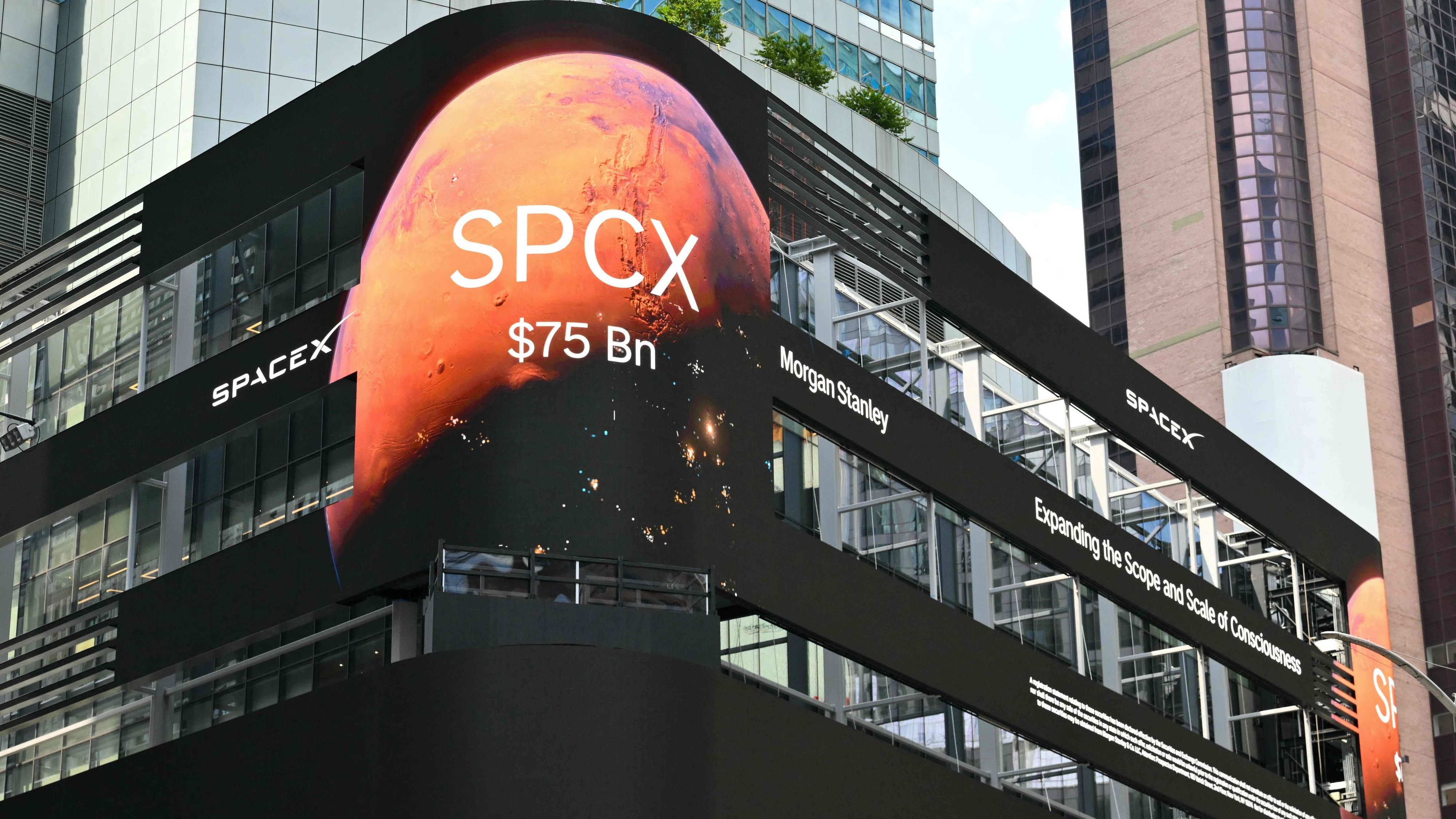
The decision to go public was a strategic one for SpaceX, providing access to significant capital that can fuel its ambitious projects. The $75 billion valuation at its IPO is not just a number; it represents a substantial war chest for continued research and development, manufacturing expansion, and potential acquisitions. This capital infusion is crucial for a company operating in a capital-intensive industry with long development cycles and high operational risks.
The IPO also brings increased transparency and public scrutiny. As a publicly traded entity, SpaceX will be subject to regulatory oversight and quarterly financial reporting, providing investors with a clearer picture of its financial health and operational performance. While this may introduce new challenges, it also builds trust and accountability.

Market Context and Investor Sentiment
The timing of SpaceX’s IPO occurred during a period of robust investor interest in technology and growth stocks. Following a period of economic uncertainty, markets have shown a renewed appetite for companies with strong innovation pipelines and disruptive business models. SpaceX, with its unique position in the space industry, fits this profile perfectly.
The company’s valuation places it among giants like Amazon and Alphabet, reflecting a market perception that views SpaceX as a company with the potential for similar transformative impact. This comparison, while ambitious, highlights the high expectations placed upon Elon Musk’s venture.

However, the space industry is not without its risks. The technical complexities of space travel, regulatory hurdles, and intense competition are significant factors that investors will continue to monitor. The success of SpaceX’s long-term ventures, such as Starlink’s profitability and the development of Starship, will be critical in sustaining its current valuation and driving future growth.
Expert Analysis and Future Outlook
Financial analysts have largely reacted positively to SpaceX’s market debut, emphasizing its technological leadership and diversified revenue streams. The company’s ability to innovate and execute complex missions has earned it a reputation for reliability and pioneering spirit.

"SpaceX’s IPO is a landmark event, not just for the company but for the entire space industry," commented Dr. Evelyn Reed, a senior market analyst specializing in aerospace. "The capital raised will undoubtedly accelerate its ambitious roadmap. However, investors will be closely watching the execution of its Starlink expansion and the cost-effectiveness of its Starship program. The transition from a privately held, mission-driven company to a publicly traded entity with shareholder expectations will be an interesting dynamic to observe."
The implications of SpaceX’s public listing extend beyond its own stock performance. It is likely to inspire further investment in the broader space sector, potentially leading to more IPOs and funding rounds for other aerospace and satellite technology companies. This could usher in a new era of private sector-led space exploration and commercialization.

Looking ahead, SpaceX’s trajectory will be closely watched. Its ability to manage its vast operational costs, navigate the competitive landscape, and deliver on its long-term technological promises will be key determinants of its sustained success in the public markets. The company’s performance in the coming months and years will provide valuable insights into the future of space commerce and the potential for private enterprise to shape humanity’s presence beyond Earth. The current upward trend in its stock price suggests that, at least for now, investors are confident that SpaceX is on course to reach for the stars, both literally and figuratively.