Reynand Wu
DBS Group Research economists have reported that China’s economy achieved a 5.0% year-on-year GDP growth in the first quarter of 2026, marking an acceleration from the 4.5% recorded in Q4 2025. This solid performance was primarily underpinned by exceptionally strong external demand and a resilient industrial sector, signaling China’s continued prowess in global manufacturing and trade. However, this external strength contrasts sharply with persistent domestic challenges, as consumption, investment, and credit growth remained subdued. The confluence of improving producer and consumer price indices has tempered the urgency for aggressive monetary easing, leading DBS to adjust its forecast for the 2026 1-Year Loan Prime Rate (LPR) cut to a more modest 10 basis points, down from a previous projection of 20 basis points, reflecting a nuanced policy landscape balancing growth imperatives with financial stability.
A Solid Start Amidst Global Flux: The Q1 2026 Economic Landscape
The acceleration of China’s GDP growth to 5.0% in the first three months of 2026 provides a critical barometer of the nation’s economic health, particularly as it continues to navigate a complex interplay of global dynamics and entrenched domestic structural issues. The 4.5% growth rate observed in the preceding quarter, Q4 2025, had already demonstrated a degree of stabilization following a period of uneven recovery in the wake of the global pandemic. The uplift to 5.0% in Q1 2026 indicates that certain sectors have found a robust footing, most notably those oriented towards international markets.
This period was characterized by a global economy still grappling with the lingering effects of high inflation in developed markets, albeit with signs of gradual moderation, and divergent growth trajectories across regions. Geopolitical tensions, particularly those impacting key trade arteries, remained a significant factor. For China, a nation deeply integrated into global supply chains, its economic performance is inextricably linked to the health of its major trading partners and the stability of international commerce.
Chronology of Economic Policy and Performance Leading to Q1 2026
The path to Q1 2026 was shaped by a series of policy adjustments and economic trends throughout 2024 and 2025. Following an initial post-pandemic rebound in 2023, China’s economy encountered significant headwinds, primarily from a protracted property market downturn, local government debt risks, and subdued consumer confidence.
In 2024, the government initiated a series of targeted measures aimed at stabilizing growth. Fiscal policy saw an increase in bond issuance to fund infrastructure projects and support strategic industries. Monetary policy, guided by the People’s Bank of China (PBOC), adopted a generally accommodative stance, with targeted liquidity injections and modest cuts to benchmark rates like the LPR and the Reserve Requirement Ratio (RRR). However, these efforts often faced an uphill battle against deeply entrenched issues, particularly in the real estate sector, where developer defaults and stalled projects continued to weigh heavily on investor and consumer sentiment.
By 2025, the focus intensified on structural reforms, often termed "high-quality development," emphasizing technological self-reliance, green transition, and addressing overcapacity in traditional industries. Export sectors began to show renewed vigor, benefiting from a weaker yuan and resilient global demand for Chinese manufactured goods, especially in emerging technologies and green energy products. The government also rolled out more direct support for the property sector, including "white lists" for eligible projects to access financing and a relaxation of some home-buying restrictions in major cities, though the market’s recovery remained fragile.
The global economic climate also played a crucial role. While some major economies like the United States showed surprising resilience, others in Europe and parts of Asia experienced slower growth. Commodity prices, influenced by supply chain dynamics and geopolitical events, began to stabilize or show upward trends towards late 2025, setting the stage for the improved PPI readings in early 2026. The ongoing disruptions in critical shipping lanes, such as the Strait of Hormuz and the Red Sea, also began to exert pressure on global logistics and raw material costs, creating both challenges and opportunities for China’s adaptable industrial base.
External Resilience: A Key Pillar of Growth
The primary engine behind China’s accelerated growth in Q1 2026 was undoubtedly its robust external sector. Exports surged by an impressive 14.7% year-on-year during the quarter, reflecting China’s enduring competitiveness and its strategic positioning in global trade. This strong export performance was driven by several factors:
- Diversification of Markets: While traditional markets in North America and Europe remained important, Chinese exporters continued to deepen their presence in ASEAN countries, Belt and Road Initiative (BRI) partners, and other emerging economies, creating a more resilient export base less susceptible to fluctuations in any single market.
- High-Value Manufacturing: A significant portion of the export growth stemmed from advanced manufacturing sectors, including new energy vehicles (NEVs), renewable energy equipment (solar panels, wind turbines), and high-tech electronics. China’s sustained investment in industrial upgrading and technological innovation allowed it to capture a larger share of global demand for these burgeoning industries.
- Competitive Pricing: A relatively stable and, at times, weaker Chinese Yuan against the US dollar provided a cost advantage for Chinese goods in international markets, enhancing their attractiveness to global buyers.
Despite this overall strength, March witnessed a moderation in export growth, a direct consequence of Middle East-related disruptions. Specifically, heightened geopolitical tensions and security concerns in critical maritime chokepoints, such as the Strait of Hormuz, led to rerouting of shipping, increased freight costs, and extended transit times. While Chinese logistics networks demonstrated adaptability, finding alternative routes and optimizing supply chains, these disruptions inevitably created short-term bottlenecks and impacted the pace of shipments. This highlights the vulnerability of global trade to geopolitical instability, even for a resilient exporter like China.
Resilient Industrial Production Amidst Structural Adjustments
Complementing the strong external demand, China’s industrial sector displayed remarkable resilience, with industrial production growing by 6.1% year-on-year in Q1 2026. This performance was particularly notable given the ongoing "anti-involution" measures implemented by the government.
"Anti-involution," a term that gained currency in China, refers to efforts aimed at curbing excessive internal competition and overcapacity within industries, particularly in sectors where intense competition has driven down prices and profitability. These measures are part of a broader strategy to shift the economy towards higher-quality, innovation-driven growth, moving away from a purely volume-based expansion model. For instance, in sectors like steel, cement, and even certain manufacturing sub-sectors, policies aimed at consolidating industries, shutting down inefficient players, and promoting technological upgrades were actively pursued.
Despite the potential for these measures to temporarily restrain production in some areas, the overall industrial growth was robust. This suggests that the decline in output from inefficient firms was more than offset by the expansion of higher-value, export-oriented, and technologically advanced industries. Manufacturers in sectors like electric vehicle components, specialized machinery, and digital infrastructure continued to scale up production to meet both domestic strategic goals and surging international orders. The government’s emphasis on industrial policy, including incentives for research and development and manufacturing upgrades, played a crucial role in bolstering this resilience.
Softer Domestic Momentum: Persistent Headwinds
While China’s external engine roared, domestic demand components continued to exhibit softness, presenting a significant challenge to the country’s aspiration for balanced growth. Consumption, investment, and credit growth remained subdued, reflecting deeper structural issues.
- Subdued Consumption: Consumer confidence remained fragile, primarily due to persistent uncertainties surrounding income growth, employment prospects, and the lingering wealth effect from the property market downturn. Households, having experienced significant wealth erosion through real estate investments, demonstrated a stronger propensity for precautionary savings rather than discretionary spending. Retail sales, though positive, grew at a slower pace compared to pre-pandemic trends, with discretionary spending on big-ticket items and luxury goods particularly affected. Government initiatives to stimulate consumption, such as subsidies for electric vehicles and trade-in programs for home appliances, provided some support but were insufficient to ignite a broad-based surge in consumer spending.
- Weak Investment: Fixed-asset investment, especially in the crucial property sector, continued to be a drag. The "persistent property sector stress" refers to a multi-year crisis characterized by developer defaults, stalled construction projects (known as "unfinished homes"), and declining housing prices. Despite concerted government efforts, including financial support for developers on "white lists" and easing of some purchase restrictions, the market remained in a deleveraging phase. New housing starts and property sales continued to contract, directly impacting upstream industries like construction materials and appliances, and eroding local governments’ land sales revenue, which traditionally funded infrastructure. Outside of property, infrastructure investment faced constraints due to local government debt burdens, which limited their capacity for new large-scale projects. Manufacturing investment, while showing some resilience in strategic sectors tied to exports, did not fully compensate for the weakness in property and general infrastructure.
- Subdued Credit Growth: The weakness in consumption and investment translated into subdued credit growth. Both corporate and household demand for new loans remained tepid. Businesses, facing uncertain domestic demand and capacity issues, were cautious about expanding, while households were hesitant to take on new debt for mortgages or consumption. Banks, in turn, became more risk-averse, particularly concerning lending to property developers and local government financing vehicles (LGFVs). Total Social Financing (TSF), a broad measure of credit and liquidity in the economy, grew at a slower pace than previous years, indicating a general deleveraging trend or at least a significant slowdown in credit creation. This subdued credit environment, while potentially reducing systemic risks in the long run, presented an immediate hurdle for stimulating economic activity.
Improving Price Dynamics and Shifting Monetary Policy Outlook
A significant development in Q1 2026 was the improvement in price dynamics, which profoundly influenced the monetary policy outlook. The Producer Price Index (PPI) returned to positive territory, registering a 0.5% year-on-year increase in March, following an unprecedented 41 consecutive months of contraction. This turnaround is a crucial indicator of reduced deflationary pressures at the factory gate and improved profitability for industrial firms.
Several factors contributed to this PPI recovery:
- Higher Raw Material Prices: Global commodity markets saw an uptick, driven by a combination of recovering global demand and supply disruptions. The geopolitical tensions impacting the Strait of Hormuz, a critical oil transit choke point, contributed to elevated energy prices. Broader supply chain realignments also led to increased costs for various industrial inputs.
- Capacity Adjustment: Domestically, the government’s "anti-involution" and supply-side reform efforts aimed at reducing excess capacity in various industries began to yield results. By pruning inefficient or redundant production capacity, the market achieved a better balance between supply and demand, allowing producers to command slightly higher prices.
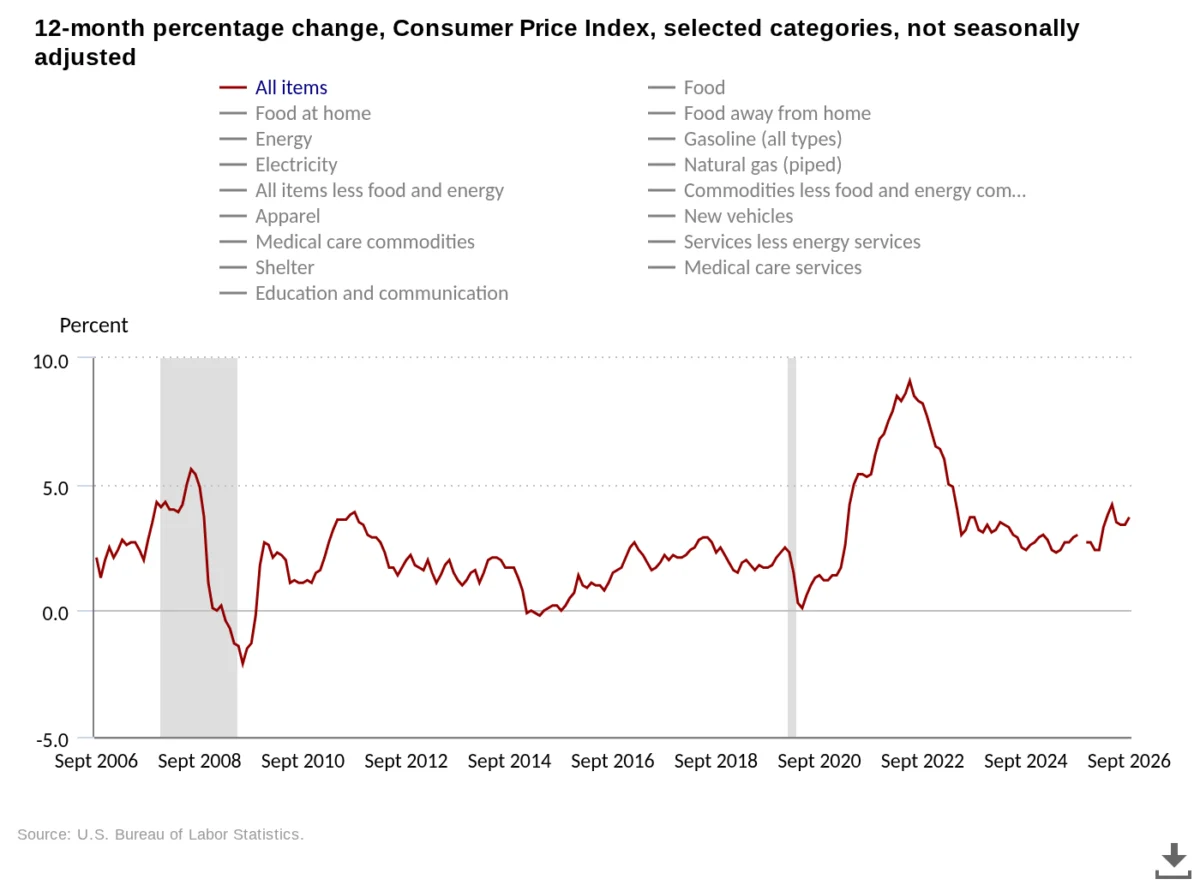
Simultaneously, the Consumer Price Index (CPI) also showed improving readings, moving further away from the near-zero or even negative inflation rates observed in earlier periods. While not reaching high levels, the positive momentum in CPI, driven by a gradual recovery in some service sectors and more stable food prices, signaled a broader easing of deflationary concerns. This combined improvement in both producer and consumer prices reduced the immediate urgency for aggressive monetary easing.
Consequently, DBS Group Research revised its forecast for the 2026 1-Year LPR cut. Previously anticipating a 20 basis point reduction, the new projection now stands at a more modest 10 basis points. The 1-Year LPR is China’s benchmark lending rate for corporate and household loans, and changes to it directly impact borrowing costs. This revision reflects a more measured policy stance by the People’s Bank of China. With inflation pressures abating and some sectors showing robust growth, the central bank likely perceives less need for broad-based stimulus and will instead focus on targeted measures to address specific sectoral weaknesses, while carefully managing financial stability risks and potential currency depreciation pressures that could arise from aggressive easing.
Official Responses and Broader Implications
The Chinese government and monetary authorities are expected to view the Q1 2026 GDP figures with a mixed perspective. The strong external performance and industrial resilience will likely be highlighted as evidence of China’s economic vitality and the success of its industrial upgrade policies. Official statements from bodies like the National Development and Reform Commission (NDRC) and the Ministry of Commerce would likely emphasize the nation’s capacity for innovation and its crucial role in global supply chains.
However, the persistent domestic weaknesses, particularly in consumption and property, will remain a key concern. Policymakers are anticipated to reiterate their commitment to addressing these structural imbalances through continued reforms, targeted fiscal support, and prudent monetary policy. The PBOC’s likely measured approach to LPR cuts aligns with a broader strategy of "precision easing" – providing liquidity where needed without resorting to large-scale, potentially destabilizing stimulus.
From an international perspective, China’s 5.0% growth will be closely watched. International financial institutions like the IMF and the World Bank might acknowledge the resilience of China’s export sector, while also flagging the ongoing risks from its property market and the need for structural reforms to boost domestic demand. Global markets might react positively to the overall growth figure, potentially boosting sentiment for Asian equities and commodity prices, given China’s role as a major consumer of raw materials. However, the nuanced picture – strong external vs. weak internal – will likely lead to differentiated market responses, with some sectors benefiting more than others.
Looking ahead, China faces the challenge of rebalancing its economy. While export-led growth has proven robust, relying too heavily on external demand carries risks, especially amidst rising global trade protectionism and geopolitical fragmentation. The long-term sustainability of China’s growth trajectory hinges on its ability to stimulate domestic consumption, stabilize its property market, and effectively manage local government debt. The Q1 2026 data serves as a compelling illustration of China’s complex economic narrative: a nation adept at navigating global challenges to fuel its industrial engine, yet still grappling with the fundamental task of nurturing robust and sustainable internal demand for long-term prosperity.