Ena Muazin
The critical maritime artery of the Strait of Hormuz is set to remain open for global shipping for the duration of the current ceasefire between Israel and Lebanon. This significant development has reverberated across financial markets, triggering a surge in stock prices and a notable decrease in the price of oil. Conversely, the stock of streaming giant Netflix has experienced a substantial decline.
Geopolitical Tensions Ease, Markets React
The announcement regarding the Strait of Hormuz, a vital chokepoint through which an estimated one-fifth of the world’s seaborne oil exports pass, signals a de-escalation of tensions in a strategically sensitive region. The impending openness of this waterway has been a primary driver of positive sentiment in global financial markets.
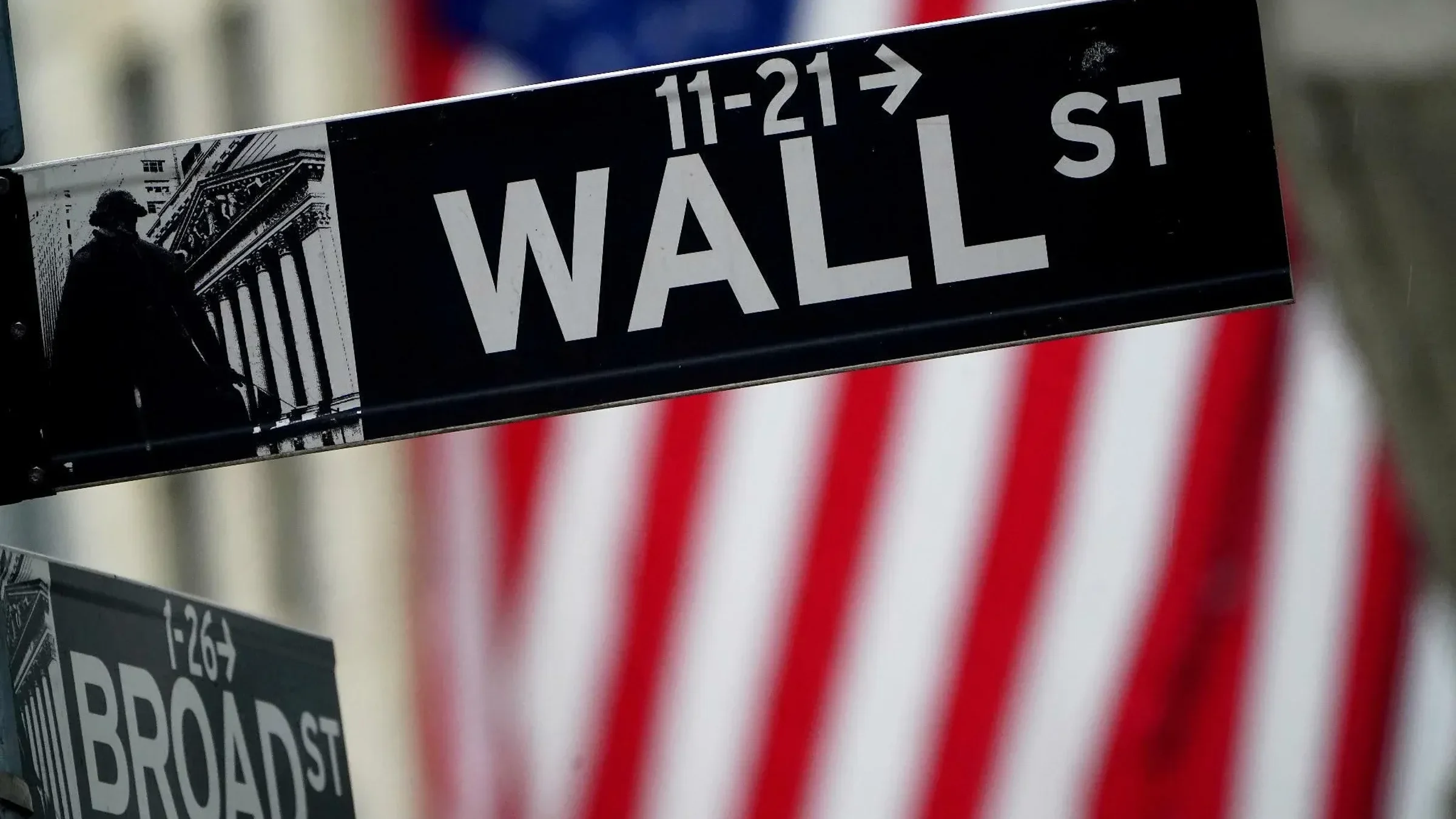
On Friday, Wall Street experienced a wave of optimism, with major indices climbing on the news. The Dow Jones Industrial Average, the S&P 500, and the Nasdaq Composite all saw gains as investors responded to the reduced geopolitical risk. This surge reflects a broader market sentiment that a potential escalation of conflict, which could have disrupted oil supplies, has been averted.
Oil Prices Plummet as Supply Concerns Abate
The immediate and most dramatic impact of the Strait of Hormuz remaining open has been on the price of crude oil. Following Iran’s announcement, oil prices experienced a sharp decline. Brent crude, a global benchmark, saw its price fall by as much as 13.4 percent in intraday trading, settling around $86 per barrel. Similarly, U.S. West Texas Intermediate (WTI) crude dropped significantly, trading near $81 per barrel.
This price correction is a direct consequence of the alleviation of fears surrounding supply disruptions. Prior to this announcement, the prospect of Iran potentially blocking or restricting passage through the Strait of Hormuz had sent oil prices soaring, with some benchmarks nearing $120 per barrel. The market had priced in a significant risk premium due to the potential impact on global energy security. The reversal of this threat has led to a rapid unwinding of those gains.
Netflix Stock Suffers a Significant Setback
In contrast to the broader market rally, the stock of Netflix experienced a considerable downturn. While the specific reasons for this decline are not directly linked to the Strait of Hormuz situation, it highlights the varied performance of different sectors and companies in response to geopolitical and economic shifts. The streaming giant’s stock shed over ten percent, a significant move that may be attributed to a combination of factors, potentially including updated earnings forecasts or investor sentiment regarding the company’s growth prospects in a competitive landscape. Further analysis of Netflix’s recent financial reports and market positioning would be necessary to fully understand the drivers behind this sharp decline.
Background: The Significance of the Strait of Hormuz
The Strait of Hormuz is a narrow waterway connecting the Persian Gulf to the Gulf of Oman and the open sea. Its strategic importance cannot be overstated. For decades, it has been a focal point of geopolitical discussions and potential flashpoints due to its role in international trade, particularly for oil. Any disruption to shipping traffic in this strait has immediate and far-reaching consequences for global energy markets, impacting economies worldwide.

The current ceasefire between Israel and Lebanon, while primarily a regional development, has had international ramifications due to the interconnectedness of global security and economic systems. The potential for conflict spillover into areas that directly affect major shipping routes has always been a concern for international markets.
Timeline of Events and Reactions
Friday Afternoon: The Iranian Foreign Ministry, through its official X (formerly Twitter) account, announced that passage through the Strait of Hormuz would be permitted for commercial vessels for the remainder of the current ceasefire between Israel and Lebanon. Foreign Minister Abbas Araghchi reportedly stated that ships would need to adhere to routes designated by Iran.

Shortly thereafter: U.S. President Donald Trump took to his Truth Social platform to announce that Iran had declared the complete opening of the waterway. This statement from the U.S. President underscored the significance of the development and its potential to stabilize regional and global markets.
Following the announcements: Global stock markets reacted positively. The anticipation of sustained oil supply led to a sharp sell-off in crude oil futures. Major financial indices experienced upward momentum as risk premiums diminished.

Simultaneously: Reports emerged of Netflix’s stock experiencing a significant decline, indicating a divergence in market performance across different sectors.
Data and Implications
- Global Oil Exports: An estimated 20-25% of global seaborne oil trade transits through the Strait of Hormuz. Disruptions here can significantly impact global oil supply and prices.
- Price Volatility: Prior to the announcement, oil prices had seen substantial volatility, driven by fears of conflict escalation. The rapid price drop demonstrates the market’s sensitivity to supply-side risks.
- Market Confidence: The opening of the Strait of Hormuz boosts investor confidence, as it reduces a major source of uncertainty in the global economy. This confidence can translate into increased investment and economic activity.
- Economic Impact: Lower oil prices generally benefit oil-importing nations and consumers by reducing energy costs, which can lead to increased disposable income and lower inflation. Conversely, oil-exporting nations may see reduced revenues.
- Netflix’s Market Position: The decline in Netflix’s stock warrants further investigation into its specific business challenges. Factors such as increased competition, subscriber growth plateaus, or challenges in content production could be at play.
Broader Impact and Future Outlook
The decision to keep the Strait of Hormuz open is a crucial step towards de-escalating regional tensions and fostering greater stability. The immediate financial market reactions demonstrate how intertwined geopolitical events are with global economic well-being.

For oil markets, this development offers a period of relative calm, allowing prices to stabilize at levels that reflect fundamental supply and demand rather than geopolitical premiums. However, the long-term outlook for oil prices will still depend on a multitude of factors, including global economic growth, production decisions by OPEC+ nations, and the ongoing transition to renewable energy sources.
The situation with Netflix highlights that while broad geopolitical events can influence the overall market, individual companies face their own unique challenges and opportunities. Investors will be closely watching Netflix’s future performance and strategic decisions to understand the sustainability of its business model in the evolving media landscape.

The continued monitoring of the ceasefire between Israel and Lebanon, as well as broader diplomatic efforts in the region, will be essential. Any renewed escalation of tensions could quickly reverse the positive market sentiment and lead to renewed volatility in energy and financial markets. The stability of the Strait of Hormuz remains a critical barometer for global economic security.