Ena Muazin
Düsseldorf – The much-anticipated reopening of the Strait of Hormuz has sent significant ripples through global financial markets, with Wall Street experiencing a notable surge as oil prices plummeted. This development, stemming from a de-escalation in the Iran conflict, also brings a renewed sense of optimism for diplomatic resolutions in the volatile Middle East. The strategic waterway, a critical chokepoint for a fifth of the world’s oil exports, had previously been the site of intense geopolitical tensions, leading to a dramatic spike in crude oil prices.
Market Reactions: A Swift Response to Shifting Geopolitics
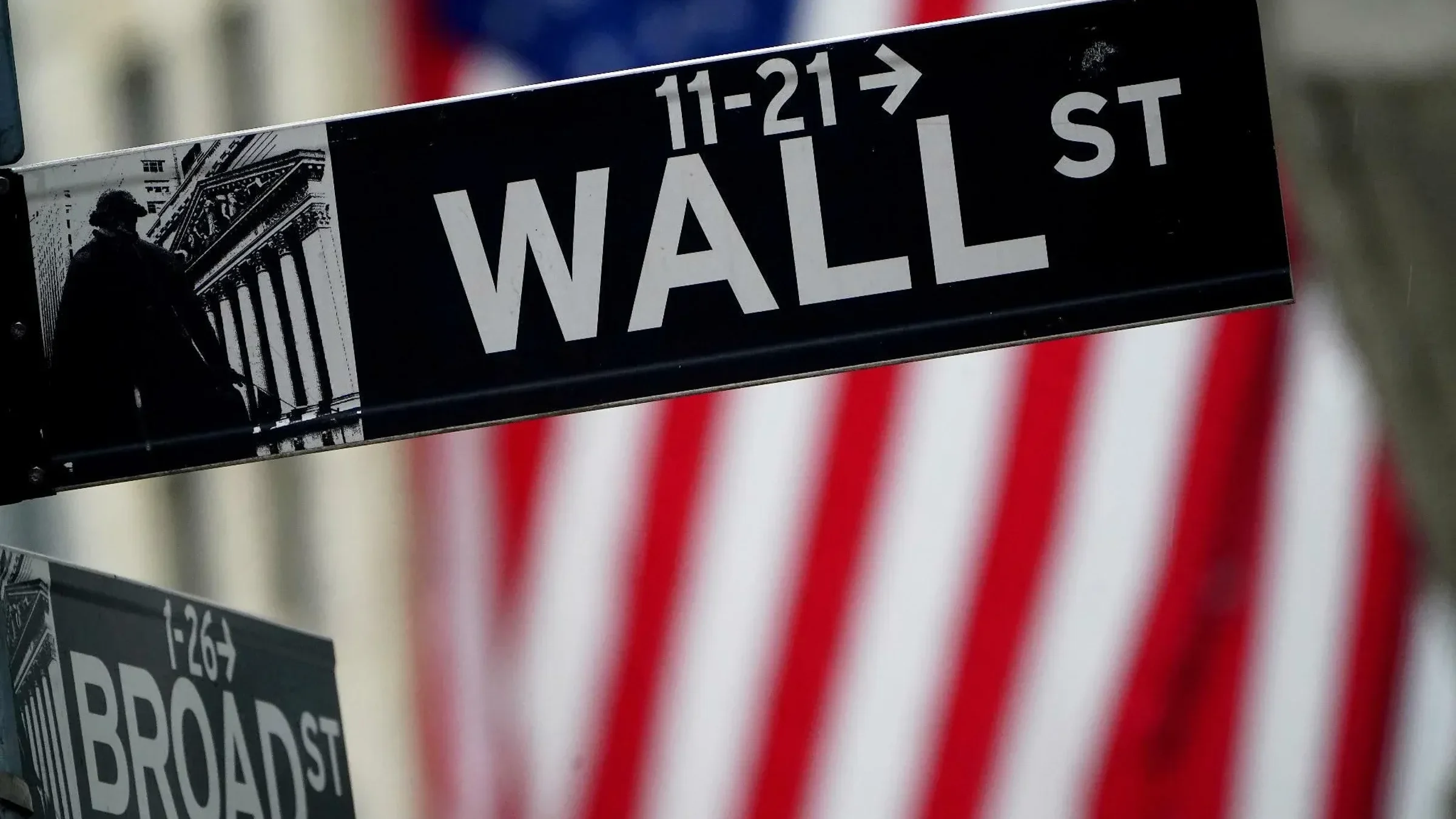
The immediate aftermath of the announcement regarding the Strait of Hormuz’s accessibility was a sharp decline in oil prices. Brent crude, a benchmark for international oil markets, saw its price fall by as much as 13.4 percent in intraday trading, settling around $86 per barrel. Similarly, West Texas Intermediate (WTI), the U.S. benchmark, experienced a significant drop, trading down to approximately $81 per barrel. This represents a substantial reversal from the price surge that occurred when Iran’s blockade of the vital shipping lane was in effect. At its peak, the blockade had propelled oil prices upward by as much as 40 percent, with prices momentarily approaching the $120 per barrel mark.
The financial markets reacted not only to the easing of oil supply concerns but also to the broader implications for global trade and stability. Beyond the energy sector, precious metals also saw significant movement. Gold prices climbed by up to 2.1 percent following the news, reaching their highest level in nearly a month. The price of silver experienced an even more substantial gain, rising by over five percent. This behavior in gold and silver prices is consistent with their historical role as safe-haven assets, which tend to appreciate during periods of geopolitical uncertainty and decline when that uncertainty diminishes.
Background: The Escalation and the Strait of Hormuz

The tensions surrounding the Strait of Hormuz had been a growing concern for international stakeholders. Iran, seeking to exert leverage in its ongoing conflict with the United States and its allies, had previously undertaken actions that effectively threatened or disrupted maritime traffic through the strait. These actions included naval exercises, the seizure of vessels, and the imposition of blockades, all of which heightened fears of a wider conflict and its potential impact on global energy supplies. The strait’s strategic importance cannot be overstated; its closure or significant disruption would have had catastrophic consequences for the global economy, impacting not only oil prices but also the cost of transportation and manufactured goods worldwide.
The recent developments suggest a potential breakthrough in the protracted negotiations between the U.S. and Iran, with Pakistan playing a crucial role as a mediator. U.S. President Donald Trump indicated that the Iranian blockade of ports would remain in place, at least temporarily, until negotiations with Iran were fully concluded. He expressed confidence in the swift progress of these discussions, stating that most points had already been settled.
Timeline of Developments and Diplomatic Efforts

The path to the current de-escalation has been marked by a series of diplomatic maneuvers and tense standoffs.
- Preceding Tensions: Months of heightened rhetoric and actions by Iran, including naval maneuvers and threats to disrupt shipping in the Strait of Hormuz, had created significant market anxiety and a surge in oil prices.
- The Blockade: At its height, Iran’s actions led to a sustained period of concern, with oil prices climbing significantly and approaching $120 per barrel.
- Intervention and Mediation: Reports emerged of intensive diplomatic efforts, with Pakistan acting as a key intermediary between the United States and Iran.
- President Trump’s Statements: U.S. President Donald Trump publicly acknowledged ongoing negotiations and expressed optimism for a swift resolution, indicating that the blockade would persist until a comprehensive agreement was reached. He announced this on the social media platform Truth Social.
- Iran’s Stance: Iranian sources, while acknowledging progress, indicated that some points remained to be clarified before a preliminary agreement could be finalized.
- Pakistan’s Preparations: Pakistan began preparations for potential high-level talks in its capital, Islamabad, including media accreditation processes and the deployment of additional security personnel, underscoring the significance of the ongoing diplomatic initiatives.
Official Responses and Statements
U.S. President Donald Trump, speaking via his Truth Social account, provided insights into the ongoing diplomatic process. He stated, "The Iranian blockade of ports by the US military will initially remain in place despite the reopening of the Strait of Hormuz by Iran. This will remain the case until negotiations with Iran are 100 percent complete. The process should progress very quickly, as most points have already been negotiated." This statement suggests a phased approach to de-escalation, linking the full lifting of restrictions to the finalization of a comprehensive deal.

From the Iranian side, there were indications of cautious optimism mixed with the acknowledgment of outstanding issues. Sources close to the negotiations indicated that while progress was being made in the secret diplomacy, certain points still required resolution before a tentative agreement could be reached. This suggests a delicate balance in the negotiations, where both sides are seeking to secure favorable terms.
Pakistan, as the mediator, has been actively preparing for potential direct talks. The mobilization of security forces and the establishment of media protocols highlight the country’s commitment to facilitating a peaceful resolution. This proactive stance underscores Pakistan’s strategic interest in regional stability, particularly given its proximity to the affected areas.
Broader Impact and Implications

The reopening of the Strait of Hormuz, coupled with the prospect of a broader diplomatic resolution to the Iran conflict, carries significant implications for several sectors:
- Energy Markets: The immediate impact is the stabilization and potential decrease in oil prices, benefiting consumers and industries reliant on affordable energy. This could lead to lower inflation and reduced transportation costs globally.
- Global Trade: The unimpeded flow of goods through the Strait of Hormuz is crucial for international trade. A return to normalcy in shipping will alleviate supply chain pressures and reduce the risk of trade disruptions.
- Geopolitical Stability: A de-escalation in the Iran conflict could have a cascading effect on regional stability, potentially reducing tensions in the wider Middle East and fostering an environment more conducive to economic development.
- Investment and Markets: The reduction in geopolitical risk is likely to boost investor confidence, leading to increased investment in emerging markets and a more stable global financial environment.
Individual Stock Performance Reflects Market Sentiment
The broader market movements were also influenced by specific corporate news and sector-specific trends.

- Netflix: The streaming giant’s stock continued its downward trajectory, losing over ten percent in U.S. trading. This decline was attributed to a disappointing earnings outlook for the current quarter, with the company projecting lower operational profit than analysts had anticipated. The departure of a key executive, co-founder and Chairman Reed Hastings, who announced he would not seek re-election at the June shareholder meeting, added to investor concerns. Analysts from Citigroup noted that some investors had hoped for larger share buybacks and a higher full-year margin target, which now appear unlikely.
- Alcoa: The aluminum producer’s shares fell by 7.1 percent after failing to meet quarterly expectations, particularly concerning adjusted earnings before interest, taxes, depreciation, and amortization (EBITDA). JPMorgan analysts pointed to seasonal factors and the lingering impact of the Iran conflict as contributing to weakened aluminum sales.
- Autoliv: In contrast, shares of Autoliv, a Swedish-American manufacturer of automotive safety systems, surged by 7.6 percent as the company surpassed market expectations in its first-quarter results.
- Tourism Sector: Investors showed increased interest in the tourism sector, with airline and cruise line stocks performing well. Delta Air Lines saw gains of nearly three percent, while Southwest Airlines rose by 5.6 percent. Carnival, Norwegian Cruise Line, and Royal Caribbean Cruises each experienced gains of over six percent, reflecting a renewed optimism for travel and leisure activities.
- Energy Companies: As expected, shares of U.S. energy companies followed the decline in oil prices. Chevron’s stock dropped by 2.4 percent, and ExxonMobil saw a 3.7 percent decrease.
The developments surrounding the Strait of Hormuz mark a significant turning point, offering a much-needed respite from heightened geopolitical tensions. While the diplomatic path ahead may still present challenges, the immediate market reaction and the renewed optimism for peace underscore the profound impact of stability in this critical global artery. The coming weeks and months will be crucial in observing the sustained impact of these developments on both financial markets and the broader geopolitical landscape of the Middle East.
With agency material.