Ena Muazin
The global financial markets are currently experiencing a significant shift in sentiment as investors grapple with a confluence of escalating oil prices and declining stock values, creating a potent cocktail that could precipitate an economic slowdown. This volatile environment is exacerbated by the ongoing conflict in Iran, which has sent ripples through supply chains and energy markets, prompting economists, analysts, and investors to revise their forecasts for the world economy downwards. The specter of even higher oil prices looms, a scenario that was considered improbable just weeks ago but is now a tangible concern for market participants.

The Escalating Crisis: A Perfect Storm for Global Markets
The current market turmoil is not a singular event but rather a complex interplay of geopolitical instability, supply chain disruptions, and inflationary pressures. The conflict in Iran, in particular, has become a focal point for these anxieties. As a major oil-producing region, any disruption to its output or transit routes has an immediate and significant impact on global energy supplies. This has driven crude oil prices to levels not seen in years, directly affecting transportation costs, manufacturing expenses, and ultimately, consumer prices.
The surge in oil prices is feeding into broader inflation concerns. Central banks worldwide have been attempting to rein in inflation through interest rate hikes, but the current energy shock poses a significant challenge to these efforts. Higher energy costs translate into increased input costs for businesses across virtually every sector, forcing them to either absorb these costs, which erodes profit margins, or pass them on to consumers through higher prices. This can lead to a vicious cycle of inflation and reduced consumer spending, ultimately stifling economic growth.

Simultaneously, stock markets are exhibiting significant volatility and a downward trend. This can be attributed to several factors:
- Reduced Corporate Earnings: Higher operating costs due to energy prices and potential declines in consumer demand can negatively impact corporate profitability, leading to lower stock valuations.
- Investor Risk Aversion: In times of uncertainty and potential economic contraction, investors tend to shift away from riskier assets like stocks towards safer havens such as gold or government bonds.
- Interest Rate Hikes: As central banks raise interest rates to combat inflation, the cost of borrowing increases for companies, which can also dampen investment and growth prospects, making stocks less attractive.
- Geopolitical Uncertainty: The ongoing conflict in Iran and its potential to escalate create a climate of fear and unpredictability, further pressuring stock markets.
A Timeline of Rising Tensions and Market Reactions
The current market anxieties are rooted in a series of escalating events:
- Early 2024: Emerging geopolitical tensions in the Middle East, coupled with the lingering effects of global supply chain disruptions from the pandemic and other regional conflicts, began to put upward pressure on oil prices. Analysts noted a gradual increase in Brent and WTI crude benchmarks.
- Mid-2024: The situation in Iran intensified, leading to specific incidents that directly threatened oil production and transit. Reports of skirmishes and increased military posturing in key shipping lanes, such as the Strait of Hormuz, triggered significant price jumps. Crude oil prices began to consistently exceed the $90 per barrel mark, with some analysts warning of a potential breach of $100.
- Late 2024 (Current Period): The financial markets are now in a state of heightened alert. Major stock indices, including the Dow Jones Industrial Average, S&P 500, and NASDAQ Composite, have experienced notable declines. Investor confidence has waned, and there is a palpable sense of caution pervading trading floors. The narrative has shifted from managing inflation to preventing a recession, with a strong focus on the potential impact of sustained high oil prices.
Supporting Data: The Economic Impact of Oil Price Shocks
Historically, significant increases in oil prices have been strongly correlated with economic slowdowns and even recessions. For instance, the oil price shocks of the 1970s, triggered by the OPEC embargo, led to stagflation – a combination of high inflation and stagnant economic growth – in many industrialized nations. More recently, the surge in oil prices in 2008 preceded the global financial crisis, although other factors were also at play.
Current data paints a concerning picture:

- Crude Oil Prices: As of the latest reports, Brent crude oil has been trading above $95 per barrel, with West Texas Intermediate (WTI) not far behind. Projections from some financial institutions suggest that if the conflict escalates or supply disruptions worsen, prices could breach the $100 to $120 per barrel range.
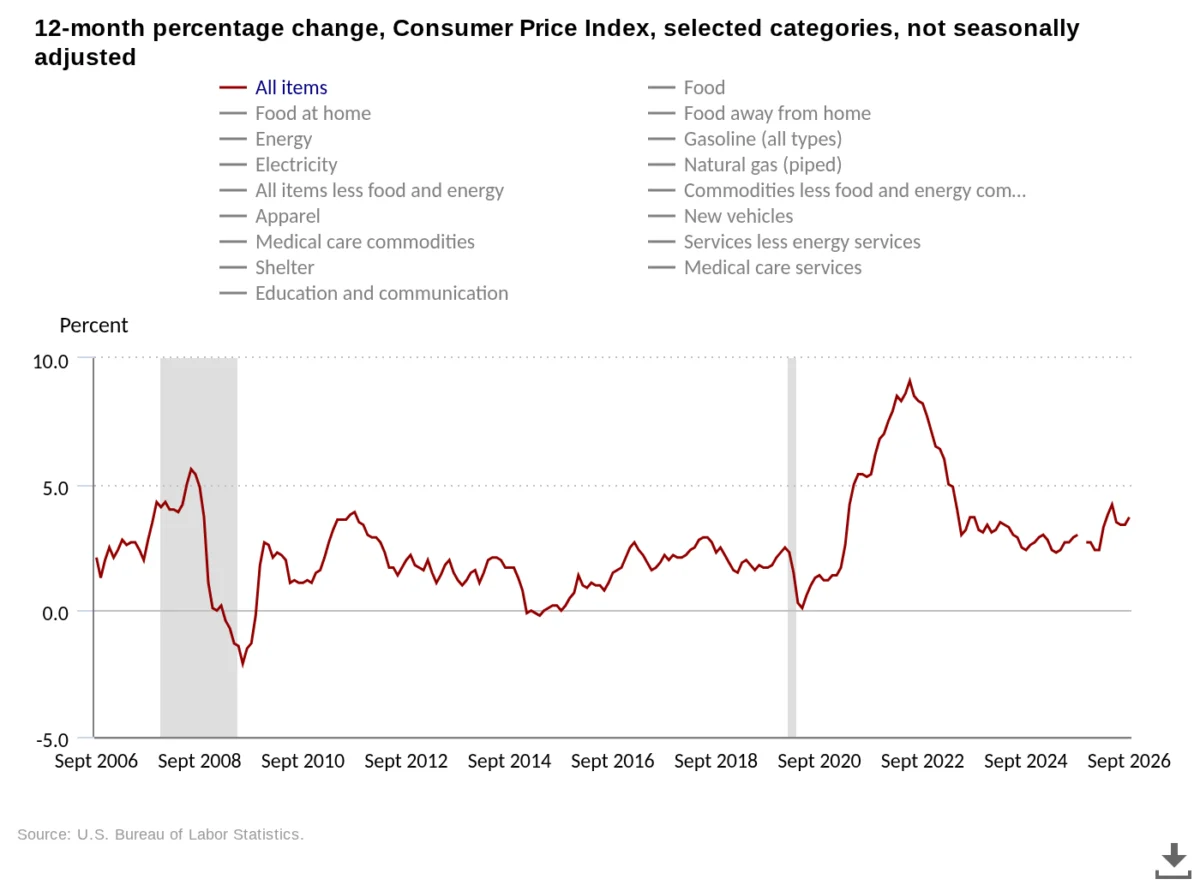
- Inflation Rates: Consumer Price Index (CPI) figures in major economies, including the United States and the Eurozone, have shown persistent inflation, with energy costs being a significant contributing factor. While headline inflation might be moderating in some regions due to falling energy prices from earlier peaks, the current spike threatens to reignite these inflationary pressures.
- Stock Market Performance: Major global stock indices have seen significant drawdowns in recent weeks. For example, the S&P 500 has experienced a decline of over 5% in the past month, with technology and consumer discretionary sectors showing particular weakness, indicative of investor concerns about consumer spending power.
- Economic Growth Forecasts: International bodies like the International Monetary Fund (IMF) and the World Bank have been progressively revising down their global economic growth forecasts for the upcoming year. These revisions often cite geopolitical risks, persistent inflation, and tightening monetary policies as key headwinds.
Analysis of Implications: Beyond the Energy Market
The ramifications of this confluence of events extend far beyond the energy sector:
- Consumer Spending Power: Higher fuel prices directly impact household budgets, reducing disposable income available for other goods and services. This can lead to a slowdown in consumer spending, which is a major driver of economic growth in most developed economies.
- Supply Chain Costs: Increased transportation costs for raw materials and finished goods translate into higher production expenses for businesses. This can lead to price increases for a wide range of products, from electronics to food.
- Manufacturing and Industrial Output: Energy-intensive industries, such as manufacturing, petrochemicals, and transportation, are particularly vulnerable to high oil prices. This could lead to reduced output, potential production cuts, and job losses in these sectors.
- Inflationary Spiral Risk: The risk of a wage-price spiral increases if workers demand higher wages to compensate for the rising cost of living, leading businesses to further increase prices, creating a self-perpetuating cycle of inflation.
- Geopolitical Instability and Investment: The ongoing conflict and the potential for broader regional escalation create a climate of uncertainty that deters long-term investment. Businesses may postpone or cancel expansion plans, further hindering economic growth.
- Central Bank Dilemma: Central banks are caught in a difficult position. They need to combat inflation, but aggressive interest rate hikes in an environment of slowing growth and high energy prices could push economies into a deep recession. This may lead to a more cautious approach to monetary policy tightening.
Reactions from Stakeholders
While specific official statements directly addressing the "worst-case scenarios" may be limited due to the sensitive nature of geopolitical events, market participants and economic actors are clearly reacting:

- Investment Banks and Analysts: Many financial institutions have issued revised outlooks for the global economy, highlighting increased downside risks. Reports often emphasize the potential for a significant slowdown or even recession if oil prices remain elevated and geopolitical tensions escalate further.
- Corporations: Companies are reportedly reviewing their supply chain strategies, looking for ways to diversify sources, hedge against energy price volatility, and potentially pass on increased costs to consumers. Earnings calls are increasingly featuring discussions about the impact of energy prices on margins and future outlooks.
- Governments: While direct intervention to control oil prices is complex, governments are monitoring the situation closely. They may consider strategic petroleum reserve releases or diplomatic efforts to de-escalate tensions. Furthermore, policymakers are likely preparing fiscal measures to cushion the impact of an economic slowdown on their populations.
- Consumers: Anecdotal evidence suggests consumers are already adjusting their spending habits, cutting back on non-essential purchases and seeking ways to reduce their energy consumption.
The Road Ahead: Navigating Uncertainty
The coming weeks and months will be critical in determining the trajectory of the global economy. The situation in Iran, coupled with the response of major economic powers and central banks, will be closely watched. Investors are in a defensive posture, and the markets are likely to remain volatile as they digest new information and reassess risks. The possibility of a significant economic slowdown is now a prominent concern, and businesses and policymakers will need to navigate this challenging landscape with caution and strategic foresight. The interconnectedness of the global economy means that geopolitical events in one region can have far-reaching and profound consequences, underscoring the importance of de-escalation and stability in critical energy-producing areas.