Clara Shinta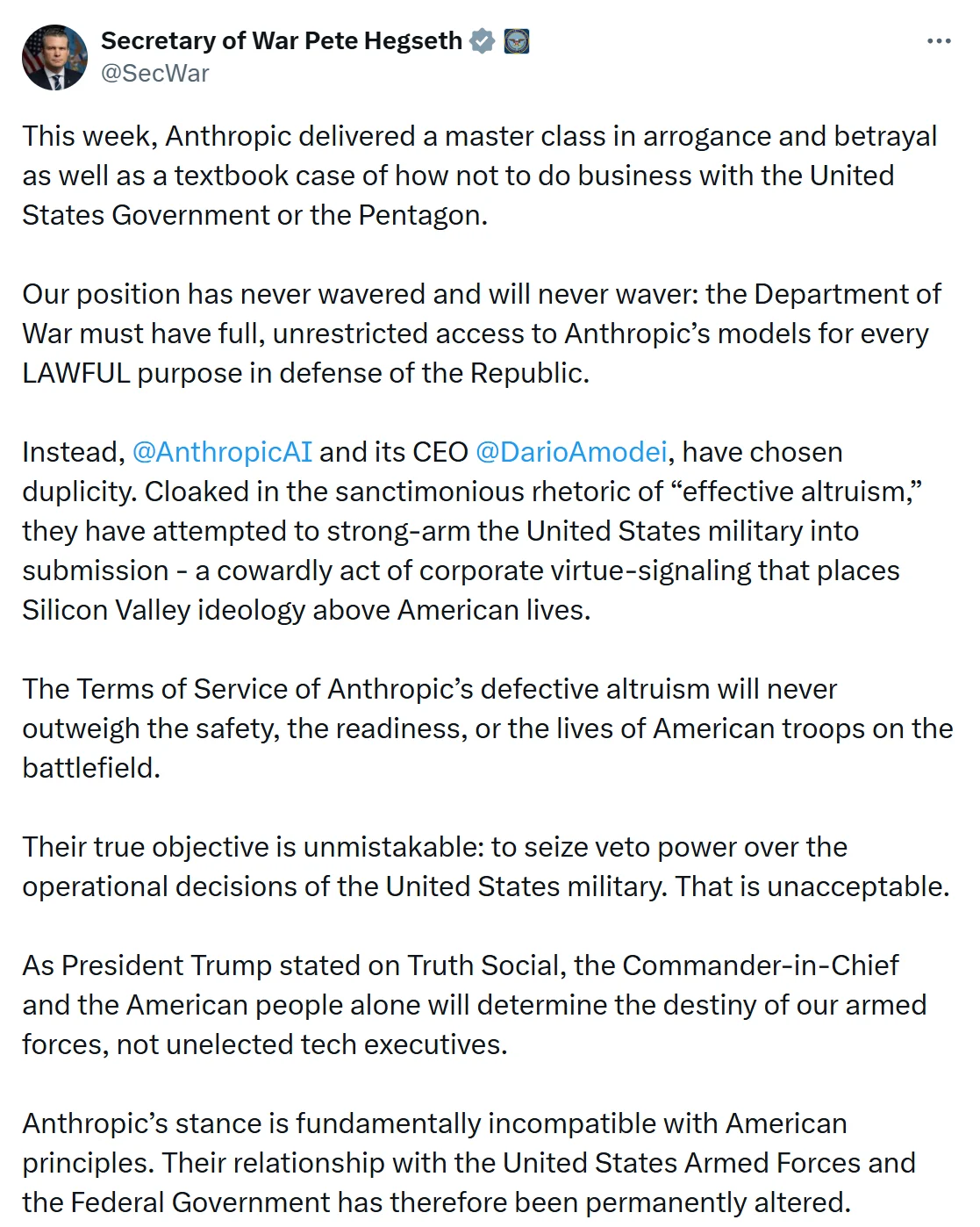
Google is making a strategic investment to support a massive multibillion-dollar data center project in Texas, which is set to be leased by its artificial intelligence partner, Anthropic. This move underscores the escalating global competition for AI infrastructure, a critical foundation for developing and deploying advanced AI models. The project, managed by Nexus Data Centers, is projected to surpass $5 billion in its initial phase, with Google poised to provide significant construction loans, according to a recent report by the Financial Times, citing sources close to the negotiations. A consortium of major financial institutions is also reportedly vying to finalize additional financing arrangements for the ambitious undertaking by mid-year.
The colossal 2,800-acre campus in Texas is a cornerstone of Anthropic’s expanding infrastructure partnership with Google, a relationship solidified by Google’s substantial investment in the AI startup. Construction on the site is already underway, bolstered by early-stage debt financing secured from Eagle Point, a publicly traded closed-end investment company. This rapid deployment highlights the urgency felt across the tech industry to secure the immense computational power necessary for AI development.
The Scale of Ambition: A Data Center Powerhouse in Texas
Upon its initial completion, expected by late 2026, the Texas data center is slated to deliver approximately 500 megawatts (MW) of power capacity. To put this into perspective, 500 MW is roughly equivalent to the electricity required to power 500,000 homes, illustrating the extraordinary energy demands of modern AI operations. The project’s long-term vision is even more ambitious, with potential expansion plans that could see its capacity soar to an astounding 7.7 gigawatts (GW). Such a scale would position it as one of the largest data center complexes globally, a testament to the anticipated growth in AI processing needs.
The strategic location of the Texas site plays a crucial role in its design and operational efficiency. Situated in proximity to major natural gas pipelines operated by industry giants such as Enterprise Products Partners, Energy Transfer, and Atmos Energy, the project is engineered to leverage on-site gas turbines for its power generation. This approach aims to provide a reliable, efficient, and potentially more cost-effective energy supply, a critical factor given the ravenous power consumption of AI clusters. Texas’s deregulated energy market, abundant land, and existing energy infrastructure make it an increasingly attractive hub for large-scale data center development, drawing significant investment from tech giants. The commitment to such a vast energy footprint also brings into focus the broader environmental implications of the AI boom, prompting discussions around renewable energy integration and carbon offsets for these power-intensive facilities.
The Escalating AI Infrastructure Race
Google’s significant financial backing for Anthropic’s data center underscores the intense "AI infrastructure race" currently gripping the technology sector. As artificial intelligence models become increasingly sophisticated and computationally demanding, access to vast amounts of high-performance computing (HPC) power, specialized GPUs, and robust data center facilities has become a primary bottleneck and a key competitive differentiator.
Major tech companies are pouring billions into building out their AI capabilities, recognizing that leadership in AI hinges not just on algorithmic breakthroughs but also on the underlying hardware and infrastructure. Microsoft, for instance, has invested heavily in OpenAI, integrating its models into Azure’s cloud infrastructure and developing its own custom AI chips. Amazon Web Services (AWS) is also a significant player, offering a suite of AI services and investing in its own silicon, while also partnering with AI startups like Anthropic. Meta Platforms, too, is aggressively expanding its AI research and infrastructure for its open-source models and consumer applications. This arms race extends beyond cloud providers to chip manufacturers like Nvidia, whose GPUs are the gold standard for AI training, and specialized data center developers like Nexus. The ability to rapidly provision and scale these specialized data centers is paramount for companies like Anthropic, which are at the forefront of developing next-generation foundation models. For Google, this investment solidifies its partnership with Anthropic, ensuring that its cloud platform (Google Cloud Platform) remains a preferred environment for one of the leading AI innovators, strengthening its position against rivals in the fiercely competitive cloud AI market.
Anthropic’s Legal Standoff with the Pentagon
The news of Google’s data center support for Anthropic emerges against a backdrop of significant legal and ethical challenges for the AI firm. On Thursday, a U.S. federal judge in San Francisco issued a temporary injunction, blocking the Pentagon from designating Anthropic as a national security risk and from halting government use of its AI tools. Judge Rita Lin granted the preliminary injunction, effectively pausing a directive that had been championed by former President Donald Trump and sought to sever federal government ties with Anthropic’s prominent chatbot, Claude.
The ruling came as a direct response to a lawsuit filed by Anthropic, which argued that Defense Secretary Pete Hegseth had overstepped his legal authority by unilaterally labeling the company a supply chain risk without due process or clear justification. Judge Lin’s decision was critical of the government’s actions, describing them as "arbitrary" and expressing strong reservations about the precedent of branding a U.S. company as a national security threat without a robust legal basis. She emphasized the importance of established legal frameworks and administrative procedures when making such impactful designations.
This dispute has its roots in a breakdown in negotiations between Anthropic and the Pentagon regarding the military’s potential use of the company’s advanced AI technologies. Anthropic, known for its "constitutional AI" approach that prioritizes safety and ethical guidelines, has reportedly resisted allowing its AI models to be deployed in applications involving lethal autonomous weapons or widespread surveillance. This principled stance created a significant standoff with the administration, which was reportedly keen to integrate advanced AI into its defense capabilities. Judge Lin’s decision further suggested that the government’s measures might have been retaliatory against Anthropic for its public and ethical stance, hinting at a possible violation of First Amendment protections related to free speech and corporate expression. The injunction means that, for now, federal agencies can continue to explore and utilize Anthropic’s AI tools, allowing the company to maintain its presence in the government sector while the broader legal battle unfolds.

The Ethics of AI in Military Applications and Policy Debate
Anthropic’s resistance to certain military applications of its AI reflects a growing and critical debate within the tech community and among policymakers regarding the ethical deployment of artificial intelligence, particularly in sensitive defense contexts. The company’s "Constitutional AI" framework is designed to imbue AI models with a set of guiding principles, aiming to make them helpful, harmless, and honest. This philosophy naturally extends to its policies on military use, where the potential for misuse or unintended consequences is particularly high.
The broader policy debate centers on several key areas: the development of lethal autonomous weapons systems (LAWS) often dubbed "killer robots," the use of AI for mass surveillance, and the potential for AI to accelerate conflict or reduce human oversight in critical decision-making. Organizations like Anthropic and some leading AI researchers advocate for clear ethical red lines and robust regulatory frameworks to prevent the deployment of AI in ways that could undermine human dignity, international law, or global stability.
Governments, on the other hand, view advanced AI as a strategic imperative for national security, offering potential advantages in intelligence, logistics, cybersecurity, and operational efficiency. This creates inherent tension between the desire for technological superiority and the ethical concerns raised by developers and civil society. The Pentagon’s attempt to ban Anthropic can be seen as an effort to assert governmental control over critical AI capabilities, possibly signaling a frustration with the perceived reluctance of some tech companies to fully align with defense objectives. The judge’s ruling, however, underscores the legal limits of such executive actions, particularly when they impinge on commercial operations and potentially First Amendment rights, setting an important precedent for future interactions between the U.S. government and the rapidly evolving AI industry. This ongoing tension highlights the complex challenge of balancing national security interests with technological innovation and ethical responsibilities in the age of AI.
Alleged Military Use of Claude AI Despite the Ban
Adding another layer of complexity to this narrative, reports have emerged suggesting that U.S. military units reportedly utilized Anthropic’s Claude AI model during a significant airstrike on Iran, even after the ban order had been issued by the Trump administration. As Cointelegraph previously reported, military commands, including the U.S. Central Command (CENTCOM) in the Middle East, were said to have employed the AI model for operational support.
The specific nature of Claude’s alleged involvement in the Iran strike remains somewhat opaque, but reports suggest it was used for tasks such as data analysis, intelligence synthesis, or potentially aiding in strategic planning or target assessment. If accurate, this revelation would highlight a significant disconnect between official directives and on-the-ground military operations. It suggests that even with a ban in place, the perceived utility and effectiveness of advanced AI tools like Claude might compel military units to continue their use, possibly through unofficial channels or by leveraging existing deployments that predate formal prohibitions.
This alleged circumvention of a presidential directive raises serious questions about the enforceability of such bans, the chain of command regarding AI technology adoption, and the oversight mechanisms within the defense apparatus. It also complicates Anthropic’s position, as the company has explicitly stated its reservations about military applications, yet its technology may have been used in such a context. The incident underscores the dual-use nature of AI technologies, where tools designed for general purposes can be adapted for military applications, often outside the direct control or intent of their developers. It further fuels the debate on how to effectively regulate and control the deployment of powerful AI, particularly when national security interests are involved and the technology is already deeply integrated into various operational workflows.
The Future of AI, Infrastructure, and National Security
The confluence of these events – Google’s massive investment in AI infrastructure, Anthropic’s rapid expansion, and its legal battle with the Pentagon – paints a vivid picture of the current state of the AI industry. The scale of the Texas data center project reflects the exponential growth in demand for computational power, a trend that shows no signs of abating. This will necessitate unprecedented investments in energy infrastructure, sustainable practices, and specialized hardware, transforming regional economies and global energy markets.
From a competitive standpoint, Google’s move solidifies its strategic alliance with Anthropic, a key player in the generative AI landscape, and positions it strongly against rivals like Microsoft and Amazon in the burgeoning AI cloud services market. The battle for top AI talent and cutting-edge models is increasingly tied to the ability to provide unparalleled infrastructure.
Meanwhile, Anthropic’s legal victory against the Pentagon marks a significant moment for the autonomy and ethical stances of AI developers. Judge Lin’s ruling could set a precedent, affirming that tech companies have rights and that government directives, especially those with national security implications, must adhere to established legal procedures and constitutional protections. This creates a delicate balance, as governments worldwide grapple with integrating powerful AI into their defense strategies while respecting the ethical frameworks and commercial interests of the companies developing these technologies.
The reported use of Claude in military operations despite the ban further illustrates the practical challenges of controlling advanced AI once it is deployed. It highlights the potential for a gap between policy and practice, emphasizing the need for clear, enforceable guidelines and robust oversight mechanisms. As AI continues to evolve, these intertwined narratives of technological advancement, massive infrastructure build-outs, corporate ethics, and national security concerns will define the landscape of the 21st century. The outcomes of these ongoing developments will not only shape the future of artificial intelligence but also have profound implications for global power dynamics, ethical governance, and the relationship between innovation and governmental control.