Evan Lee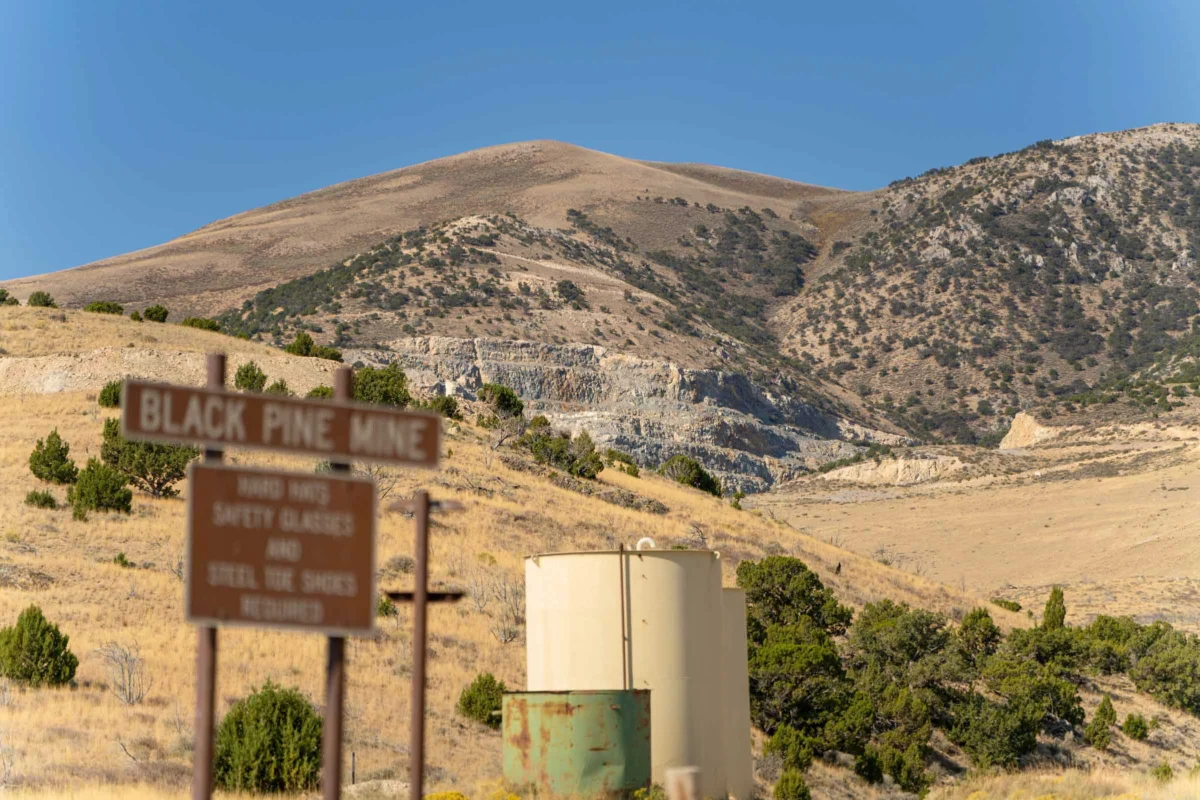
The state of Idaho has formally committed to aligning its permitting processes for Liberty Gold’s flagship Black Pine project with the United States government’s FAST-41 framework. This significant development is poised to accelerate the review timeline, reduce regulatory uncertainty, and foster greater transparency for this major gold development, marking a pivotal moment for both the company and the broader U.S. mining sector.
Liberty Gold (TSX: LGD) announced that Idaho’s proactive stance will integrate state permitting actions into the federal permitting dashboard, a key component of the FAST-41 initiative. This integration aims to synchronize state and federal agency reviews, creating a unified and predictable pathway toward project approval. The Black Pine project, located in southeastern Idaho near the Utah border, is one of the largest undeveloped oxide gold projects in the Great Basin region. It possesses a history of production through a past-producing, run-of-mine heap leach system, which Liberty Gold is advancing towards a modern open-pit mining operation through feasibility studies and permitting.
The alignment with FAST-41 signifies a crucial step in addressing the often lengthy and complex permitting landscape for large-scale infrastructure and resource projects in the United States. FAST-41, or Fixing America’s Surface Transportation (FAST) Act, Section 41001, was enacted over a decade ago with the express purpose of improving the timeliness, predictability, and transparency of the environmental review and permitting processes for major infrastructure projects. By bringing state agencies under this federal umbrella for the Black Pine project, Idaho is demonstrating a commitment to a more efficient and coordinated approach.
A Coordinated Permitting Pathway Takes Shape
The journey toward this integrated permitting process began earlier this year when Liberty Gold’s Black Pine project was accepted into the FAST-41 program in January. This inclusion marked a significant milestone, as it was the fourth precious metals project to be admitted into FAST-41 under the current U.S. administration, highlighting the program’s growing importance for the mining industry. The FAST-41 program operates under a principal that aims to facilitate a more predictable and efficient federal permitting process, often involving a lead federal agency that coordinates reviews with other federal agencies and, where applicable, state and local governments.
In response to the federal FAST-41 inclusion, the state of Idaho took further action in February. It announced a new coordination framework specifically designed to align its own permitting review schedules with those established under FAST-41. This framework facilitates the seamless integration of state permitting actions into the federal permitting dashboard, thereby enhancing transparency and fostering robust coordination with the National Environmental Policy Act (NEPA) review process, which is a cornerstone of federal environmental assessment in the U.S.
This collaborative effort has resulted in Black Pine becoming the first U.S. precious metals mining project where both federal and state agencies are operating under a single, coordinated permitting framework. This unprecedented level of alignment is expected to significantly reduce redundancies and potential delays that have historically plagued mining project approvals.
CEO’s Perspective: Enhancing Certainty and Predictability
Jon Gilligan, CEO of Liberty Gold, emphasized the transformative nature of Idaho’s decision. "Idaho’s decision to formally align state permitting timelines with the FAST-41 framework marks an important advancement in how major mining projects are reviewed in the United States," Gilligan stated in a press release. He further elaborated on the synergy created by this alignment: "Black Pine’s acceptance into FAST-41 earlier this year established a coordinated federal permitting pathway, and Idaho’s participation further strengthens that framework by bringing state and federal agencies onto a single, transparent schedule."
The CEO’s remarks underscore the strategic advantage gained by Liberty Gold. A predictable permitting schedule is invaluable for project planning, capital allocation, and attracting investment. By moving away from a fragmented and often uncertain regulatory environment, the company can now project development timelines with greater confidence. This enhanced certainty is particularly crucial for a project at the feasibility study stage, where long-term planning and financial commitments are paramount.
Idaho Governor’s Endorsement: Streamlining Without Compromising Standards
The commitment from the state of Idaho is also supported at the highest level. Idaho Governor Brad Little has voiced his administration’s dedication to facilitating responsible resource development. Governor Little commented that the streamlined permitting process for major mining projects like Black Pine is "about cutting unnecessary red tape while maintaining strong standards." This statement indicates a balanced approach, aiming to improve efficiency without sacrificing environmental protection or regulatory rigor. The governor’s endorsement suggests a broader state policy objective to foster economic growth through mining while upholding responsible development practices.
Chronology of Key Developments
To fully appreciate the significance of this announcement, a chronological overview of the key events is beneficial:
- Over a Decade Ago: The FAST-41 framework is established as part of the Fixing America’s Surface Transportation (FAST) Act, aiming to expedite permitting for major infrastructure projects.
- January [Year]: Liberty Gold’s Black Pine project is accepted into the federal FAST-41 program, initiating a structured federal review process. This marks a pivotal step towards coordinated federal agency engagement.
- February [Year]: The state of Idaho announces its new coordination framework, specifically designed to align its state-level permitting processes with the FAST-41 timelines. This framework includes the integration of state permitting actions into the federal permitting dashboard.
- [Current Date]: Liberty Gold announces Idaho’s formal commitment to this coordinated framework, confirming that Black Pine is now the first U.S. precious metals mining project with both federal and state agencies aligned under a single, transparent permitting schedule.
The Black Pine Project: A Strategic Asset
The Black Pine project itself represents a significant opportunity within the gold mining sector. Situated in the mineral-rich Great Basin, the project benefits from a geological setting known for its gold deposits. The historical operations at Black Pine, though dated, provide valuable geological data and a foundation for modern exploration and development. The current focus is on advancing the project through a feasibility study, which will refine the economic and technical parameters for a new open-pit mining operation.
A previous pre-feasibility study provided encouraging initial estimates, highlighting a potential 17-year gold operation capable of producing approximately 2.2 million ounces of gold. The estimated initial capital cost for such an operation was projected at $327 million. These figures indicate the project’s substantial scale and economic potential, making efficient and predictable permitting a critical factor in its successful realization.
The FAST-41 Framework: A Closer Look
The FAST-41 program is designed to address common bottlenecks in federal permitting. Key features include:
- Timeliness: Setting clear statutory deadlines for various stages of the permitting process.
- Predictability: Providing greater certainty regarding the steps and timelines involved in obtaining necessary approvals.
- Transparency: Establishing a public dashboard where stakeholders can track the progress of permitting reviews for designated projects.
- Coordination: Encouraging collaboration among federal agencies and with state and local entities.
- Lead Agency Designation: Assigning a lead federal agency responsible for coordinating the overall review process.
For projects like Black Pine, inclusion in FAST-41 means that federal agencies are mandated to work more collaboratively and within defined timeframes. The integration of state permitting efforts under this framework further amplifies these benefits, ensuring that state-level approvals do not become an independent source of delay.
Broader Implications for the U.S. Mining Industry
The alignment of state and federal permitting processes under FAST-41 for a project like Black Pine has far-reaching implications for the broader U.S. mining industry. For decades, the perceived complexity and length of the U.S. permitting process have been cited as a deterrent to new mine development and investment, especially when compared to other mining jurisdictions globally.
This initiative by Idaho, in conjunction with the federal FAST-41 program, could serve as a model for other states looking to attract and expedite responsible mining projects. A more streamlined and predictable permitting environment can:
- Increase Investment: Attract both domestic and international capital by reducing regulatory risk.
- Boost Domestic Supply: Facilitate the development of critical minerals and precious metals, enhancing national resource security.
- Create Jobs: Lead to the creation of well-paying jobs in mining and related industries.
- Enhance Competitiveness: Position the U.S. as a more attractive destination for mining exploration and development.
However, it is crucial to note that the success of such frameworks hinges on the continued commitment of all participating agencies to uphold rigorous environmental standards and engage meaningfully with stakeholders throughout the process. The goal is not to bypass environmental review but to conduct it more efficiently and transparently.
Next Steps and Future Outlook
Following its acceptance into FAST-41, the Black Pine project underwent a structured 60-day coordination period. During this time, participating federal and state agencies worked to update and refine the environmental review timetable. Liberty Gold anticipates that the revised permitting schedule will be published on the FAST-41 permitting dashboard upon the completion of this process, offering unprecedented visibility into the project’s regulatory timeline.
Meanwhile, Liberty Gold is diligently working to complete a comprehensive feasibility study for the Black Pine project. This study, expected in the second half of 2026, will provide the detailed technical and economic data required for final investment decisions and the commencement of construction. The progress on both the permitting front and the feasibility study indicates a robust and coordinated approach to advancing this significant gold asset.
The market reaction to the news was mixed, with Liberty Gold’s shares experiencing a slight dip initially before stabilizing. The company currently holds a market capitalization of approximately C$500.9 million (equivalent to about $365 million). This underscores the ongoing investor focus on the project’s development trajectory and the company’s ability to navigate the regulatory and technical challenges ahead.
In conclusion, Idaho’s commitment to aligning the Black Pine project’s permitting process with the FAST-41 framework represents a significant policy advancement. It signals a concerted effort to modernize and streamline regulatory procedures, fostering a more predictable and efficient environment for major mining projects in the United States. This collaborative approach between federal and state authorities holds the potential to unlock substantial economic benefits while maintaining high standards of environmental stewardship.