Evan Lee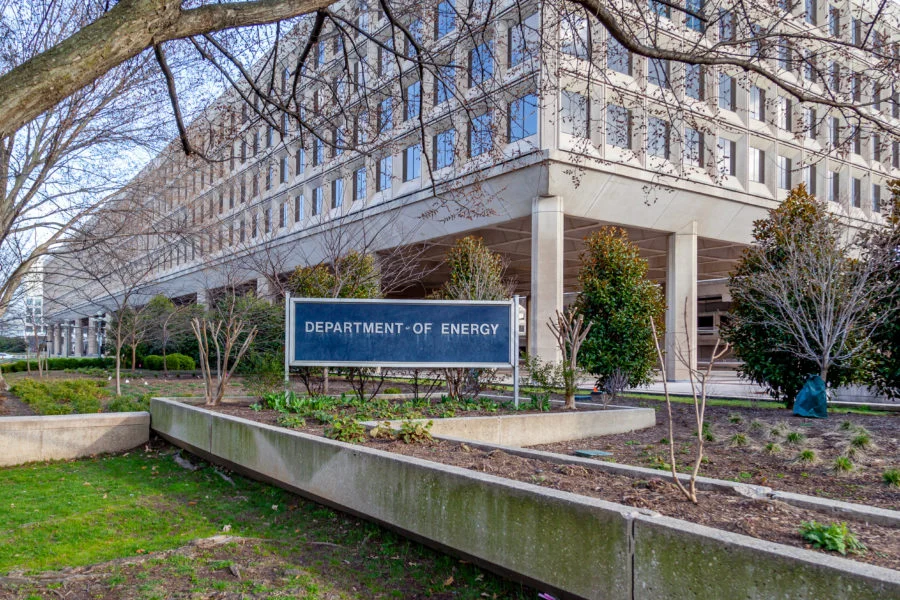
The United States Department of Energy (DOE) has announced a significant financial commitment of up to $500 million, earmarked to expand domestic critical minerals processing and the manufacturing and recycling of battery materials. This strategic move by Washington underscores a determined effort to reduce the nation’s dependence on foreign supply chains, particularly for materials deemed essential for the burgeoning clean energy and artificial intelligence sectors.
The funding opportunity, formally released by the DOE’s Office of Critical Minerals and Energy Innovation (CMEI) on Friday afternoon, is designed to foster the development and scaling of facilities capable of processing or recycling critical materials vital for battery production and other advanced energy technologies. The initiative explicitly targets key minerals such as lithium, graphite, nickel, copper, and aluminum, along with other components found in commercial battery systems. This investment represents a critical step in fortifying the foundational elements of the nation’s energy infrastructure.
"For too long, the United States has relied on hostile foreign actors to supply and process the critical materials that are essential in battery manufacturing and materials processing," stated Energy Secretary Chris Wright in a released statement, highlighting the geopolitical and economic rationale behind the initiative. The DOE asserts that by strengthening domestic supply chains, the country will be better positioned to meet the escalating electricity demands driven by both the transition to renewable energy sources and the rapid advancements in artificial intelligence, thereby bolstering overall national energy security.
Strategic Imperatives: Reducing Foreign Dependence and Securing Future Energy Needs
The urgency behind this initiative is rooted in the current global landscape of critical mineral supply chains. For decades, the United States, along with many other developed nations, has outsourced the majority of its critical mineral processing to a handful of countries, most notably China, which has established dominant positions in refining and manufacturing these essential components. This reliance creates significant vulnerabilities, susceptible to geopolitical tensions, trade disputes, and disruptions in global logistics. The COVID-19 pandemic and subsequent global supply chain shocks further amplified these concerns, revealing the fragility of relying on distant and sometimes unreliable sources.
The materials targeted by the DOE funding are the bedrock of modern energy storage and transition technologies. Lithium, for instance, is a cornerstone of lithium-ion batteries powering electric vehicles (EVs) and grid-scale energy storage systems. Graphite is crucial for battery anodes, nickel for cathodes, and copper and aluminum are essential for wiring and structural components. The exponential growth in demand for these minerals is directly linked to the global push for decarbonization and the widespread adoption of electric mobility. Projections from the International Energy Agency (IEA) consistently show a dramatic increase in demand for battery materials in the coming decade, driven primarily by the automotive sector’s electrification. For example, the IEA’s "Net Zero by 2050" scenario suggests that demand for lithium could increase by more than 40 times by 2040, and demand for cobalt and nickel could rise by more than 20 times.
Collaboration with Allies: A Dual Approach to Supply Chain Resilience
The announcement of this substantial domestic funding initiative coincides with Assistant Secretary of Energy for Energy Efficiency and Renewable Energy (EERE), Audrey Robertson’s participation in the Indo-Pacific Energy Security Ministerial and Business Forum in Japan. This high-level engagement underscores a dual strategy: strengthening domestic capabilities while simultaneously fostering robust international partnerships. US officials are actively convening with regional allies to discuss and coordinate efforts aimed at enhancing supply chain resilience.
Assistant Secretary Robertson emphasized the complementary nature of domestic expansion and international cooperation. "Critical minerals processing is a vital component of our nation’s critical minerals supply base," she stated. "Boosting domestic production, including through recycling, will bolster national security and ensure the United States and our partners are prepared to meet the energy challenges of the 21st Century." This sentiment reflects a broader understanding within the administration that neither domestic self-sufficiency nor international collaboration alone is sufficient to navigate the complexities of global energy transitions. Building a secure and sustainable supply chain requires a multi-pronged approach that leverages both internal strengths and the collective capacity of allied nations. The Indo-Pacific region, in particular, plays a crucial role in the global supply of many critical minerals and manufactured components, making collaboration with countries like Japan, Australia, and South Korea paramount.
A Multi-Round Investment Strategy for Critical Minerals and Battery Technologies
This latest funding call represents the third significant tranche of financial support under established DOE programs dedicated to advancing battery materials processing, manufacturing, and recycling. This phased approach indicates a long-term commitment and a strategic build-up of domestic capacity. The program is structured to encourage a comprehensive ecosystem, from the initial extraction and processing of raw materials to the sophisticated manufacturing of battery components and the crucial end-of-life recycling processes.
Projects selected for funding will fall into three primary categories:
- Critical Minerals Processing from Raw Feedstocks: This category focuses on supporting facilities that can refine and process raw ore or other feedstocks to extract and purify critical minerals to battery-grade specifications. This addresses a significant bottleneck in the current supply chain, where raw materials are often shipped overseas for processing.
- Critical Materials Recycling: This area aims to bolster infrastructure for the efficient and environmentally sound recycling of spent batteries and other critical material waste streams. Recycling is increasingly recognized not only as a means to recover valuable materials but also as a way to reduce the environmental footprint of battery production and mitigate reliance on virgin resource extraction. Estimates suggest that by 2030, recycling could potentially supply up to 15% of Europe’s demand for lithium, 10% for cobalt, and 15% for nickel, according to some industry analyses.
- Battery Materials and Component Manufacturing: This category supports the production of advanced battery materials, such as cathode and anode active materials, as well as the manufacturing of battery cells and components. This moves the US further down the value chain, creating high-skilled jobs and fostering innovation in battery technology.
Implications for the Electric Vehicle and Grid Storage Markets
The ramifications of this substantial federal investment are far-reaching, particularly for the rapidly expanding electric vehicle (EV) and grid-scale energy storage markets in the United States. By fostering domestic processing and manufacturing capabilities, the DOE aims to create a more robust and resilient upstream and midstream segment of the battery supply chain. This will be instrumental in securing the raw materials necessary for the mass production of EVs, which are projected to account for a significant portion of new vehicle sales in the coming years. Furthermore, enhanced domestic battery manufacturing is crucial for the deployment of grid storage solutions, which are essential for integrating intermittent renewable energy sources like solar and wind power into the national grid and ensuring reliable electricity supply.
The development of domestic processing and recycling capacity can also lead to cost reductions for battery manufacturers and, consequently, for consumers. Reduced transportation costs, fewer tariffs, and increased competition within the domestic market could translate into more affordable EVs and energy storage systems. Moreover, the emphasis on recycling offers a pathway to a more circular economy, reducing the environmental impact associated with mining and the disposal of end-of-life batteries.
A Historical Context: Rebuilding a Domestic Industrial Base
This strategic push by the DOE is not an isolated event but rather a component of a broader, bipartisan effort within Washington to re-establish and strengthen domestic industrial capabilities that have eroded over the past several decades. Following World War II, the United States was a global leader in manufacturing and industrial production. However, economic shifts, globalization, and a focus on specialized production led to a significant decline in domestic manufacturing capacity for many essential goods and materials.
The current administration, building on initiatives from previous administrations and congressional efforts, has prioritized "onshoring" and "reshoring" critical industries. The Bipartisan Infrastructure Law and the CHIPS and Science Act are prime examples of this broader strategy, aimed at revitalizing domestic manufacturing, creating jobs, and enhancing national security. The focus on critical minerals and battery technology is a natural extension of this policy, recognizing that the energy transition itself depends on a secure and domestically controlled supply of essential materials.
The timeline for realizing the full impact of such investments is typically measured in years, not months. The establishment of new processing facilities, the scaling up of recycling operations, and the integration of these components into a cohesive supply chain are complex and capital-intensive undertakings. However, the DOE’s commitment of $500 million signals a clear intent and provides a critical financial catalyst to accelerate these developments. Industry observers anticipate that this funding will likely attract significant private sector investment, further amplifying the impact of the government’s commitment. Companies in the mining, chemical processing, and battery manufacturing sectors are expected to respond enthusiastically, seeking to capitalize on the available funding and the growing domestic market demand.
The long-term implications of successfully building out a robust domestic critical minerals and battery materials ecosystem are profound. It promises not only enhanced energy security and reduced reliance on geopolitical rivals but also the creation of high-value manufacturing jobs, fostering technological innovation, and positioning the United States as a leader in the global clean energy economy of the 21st century. This strategic investment is a clear indicator that the nation is committed to building the foundational elements of its future energy independence and technological competitiveness.