Ena Muazin
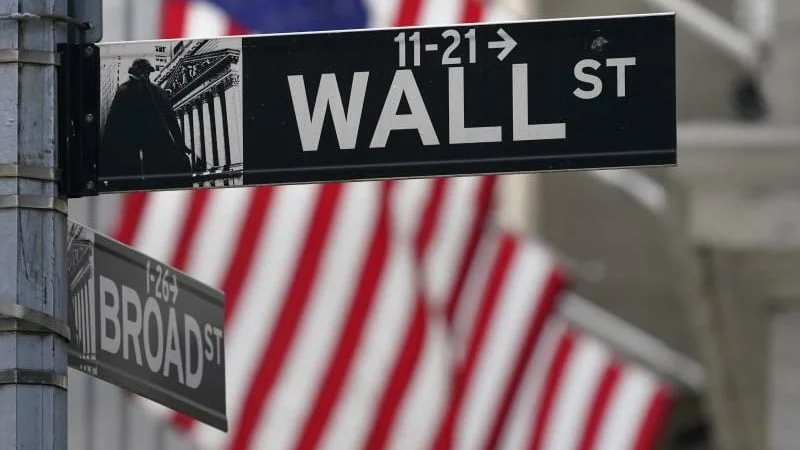
Investors demonstrated a renewed sense of optimism on Friday, marking the end of a volatile trading week for U.S. stock markets. Despite a shortened trading session due to the Thanksgiving holiday, major U.S. indices all finished the day in positive territory by midday local time, signaling a potential shift in sentiment. This turnaround comes after a week characterized by fluctuating investor confidence, influenced by a confluence of economic indicators, geopolitical concerns, and sector-specific news.
A Shorter, Lighter Trading Day
The preceding Thursday saw the U.S. stock markets closed in observance of Thanksgiving. Friday’s session was a brief affair, with Wall Street open for only half the day, from 3:30 PM to 7:00 PM Central European Time. This abbreviated trading window is historically associated with lower trading volumes. Such conditions can lead to less representative market movements, as individual stock prices may experience more pronounced fluctuations due to reduced liquidity. Analysts often caution that data from these shortened trading days should be interpreted with a degree of prudence, as they may not fully reflect the underlying strength or weakness of the broader market trends.
Recalling Wednesday’s Sell-Off
The optimism of Friday contrasted sharply with the preceding Wednesday, a day that witnessed significant pressure on technology stocks. Notably, the shares of chipmaker Nvidia experienced a substantial decline, shedding nearly four percent of their value. This downturn followed an impressive rally where Nvidia’s stock had surged by an astonishing 31 percent in the wake of its CEO, Jensen Huang’s, return. The sharp reversal in Nvidia’s fortunes underscored the volatility within the technology sector and highlighted how quickly market sentiment could shift, even for companies demonstrating strong recent performance. This particular decline contributed to a broader unease among investors regarding the sustainability of high-flying tech valuations.
A Month of Market Swings
The month of November proved to be a period of considerable turbulence for the U.S. financial markets. The initial part of the month was marked by a surge of optimism, largely attributed to the U.S. midterm elections held in early November. The electoral outcomes, which saw the Democratic Party securing control of key legislative bodies, initially fueled a positive market reaction. However, this euphoria proved to be short-lived. Shortly after the elections, investor sentiment began to shift, leading to a notable downturn.
Emerging Investor Concerns: AI Growth and Economic Policy
A significant factor contributing to the waning optimism was a growing apprehension among investors regarding the potential impact of a Democrat-controlled government on the growth of Artificial Intelligence (AI). Concerns emerged that policies favored by the Democratic party might impede the rapid advancement and widespread adoption of AI technologies. This fear was amplified by broader questions about the actual efficiency gains that could be realized from substantial corporate investments in AI. Investors began to scrutinize whether the billions of dollars being poured into AI by major corporations would translate into commensurate improvements in productivity and profitability, or if the current enthusiasm was outpacing tangible results.
This sentiment was captured by market analysts who noted a growing divergence between the perceived potential of AI and the practical, measurable benefits. While the long-term promise of AI remained undeniable, the immediate economic returns were becoming a subject of intense debate. The market’s reaction suggested a recalibration of expectations, moving from pure speculative excitement to a more critical assessment of value and implementation.
The Impact of Midterm Election Outcomes
The midterm elections, intended to provide clarity on the future direction of U.S. economic policy, instead introduced a layer of uncertainty that reverberated through financial markets. While the Democrats’ successes were anticipated to potentially lead to increased spending on infrastructure and social programs, they also raised concerns about higher corporate taxes and increased regulatory scrutiny. These potential policy shifts created a cautious environment, prompting investors to re-evaluate their portfolio allocations. The market’s initial positive reaction was quickly overshadowed by the more complex implications of divided government and the potential for legislative gridlock, which can also have its own set of economic consequences.
Nvidia’s Volatility: A Microcosm of Tech Sector Trends
Nvidia’s dramatic price swings served as a stark illustration of the broader dynamics at play within the technology sector. As a leading designer of graphics processing units (GPUs), Nvidia is at the forefront of AI development, making its stock a bellwether for the industry’s progress and investor sentiment. The initial surge in its stock price was likely fueled by strong demand for its AI-focused hardware and positive outlooks from industry analysts. However, the subsequent sell-off suggested that even market leaders are susceptible to shifts in investor confidence and potential concerns about valuation. This volatility in a key AI player can have a ripple effect across other technology companies that rely on similar components or are part of the broader AI ecosystem.
Broader Market Performance and Key Indices
While the focus often narrows to individual stocks like Nvidia, the overall performance of the major U.S. indices provides a more comprehensive view of market health. Throughout the week, the Dow Jones Industrial Average, the S&P 500, and the Nasdaq Composite all experienced periods of volatility. However, the closing gains on Friday suggested that investors were looking past the recent headwinds.
- Dow Jones Industrial Average: This blue-chip index, comprising 30 large, publicly owned companies, often reflects the broader economic sentiment. Its positive close on Friday indicated that established industrial and financial companies were weathering the recent market jitters.
- S&P 500: As a broader measure of the U.S. equity market, the S&P 500’s performance is closely watched. Its gains on Friday suggested a general uplift in investor confidence across a wide spectrum of industries.
- Nasdaq Composite: This index, heavily weighted towards technology and growth stocks, often experiences more pronounced movements. Its recovery on Friday, following Wednesday’s tech sell-off, was particularly significant, indicating a potential rebound in investor appetite for tech equities.
Expert Commentary and Market Analysis
Financial analysts offered varied perspectives on the market’s performance and the prevailing sentiment. Many acknowledged the short-term nature of the Friday rally, attributing it partly to the low liquidity of a post-holiday trading environment. However, some also pointed to underlying economic data that suggested resilience in certain sectors of the economy.
"The market’s ability to rebound on Friday, even with reduced participation, is a positive sign," commented Sarah Jenkins, a senior market strategist at Global Investments Inc. "However, it’s crucial to monitor the coming weeks to see if this optimism is sustained. The concerns around inflation, interest rate hikes, and geopolitical stability are still very much present."
Other experts highlighted the ongoing debate about the valuation of technology stocks. "We’ve seen a significant correction in some of the more speculative tech names," noted David Chen, a portfolio manager at Apex Capital. "But for companies with strong fundamentals and clear pathways to profitability, like many of those driving AI innovation, the long-term outlook remains robust. The market is simply becoming more discerning."
The Road Ahead: Economic Indicators and Future Outlook
As the markets head into December, investors will be keenly observing a range of economic indicators. Key data points to watch include:
- Inflation Reports: Continued moderation in inflation figures would be a significant tailwind for the market, potentially signaling that the Federal Reserve’s aggressive interest rate hikes are having their desired effect.
- Employment Data: Strong job growth and stable wage increases can signal a healthy economy, but could also fuel concerns about persistent inflation.
- Consumer Spending: As the holiday shopping season gets underway, retail sales figures will provide insights into consumer confidence and the overall health of the consumer-driven economy.
- Corporate Earnings: The upcoming earnings season will offer a critical look at how companies are navigating the current economic landscape and their expectations for the future.
The performance of the U.S. markets in the coming weeks will likely depend on how these economic factors evolve and whether geopolitical tensions ease. The resilience shown at the end of a turbulent week suggests that investors are looking for reasons to be optimistic, but the underlying economic challenges remain a significant consideration. The market’s ability to absorb both positive and negative news, while maintaining a degree of stability, will be a key determinant of its trajectory in the near term. The ongoing dialogue around AI’s potential and its practical application, coupled with evolving economic policies, will continue to shape investor sentiment and drive market movements.