Ena Muazin
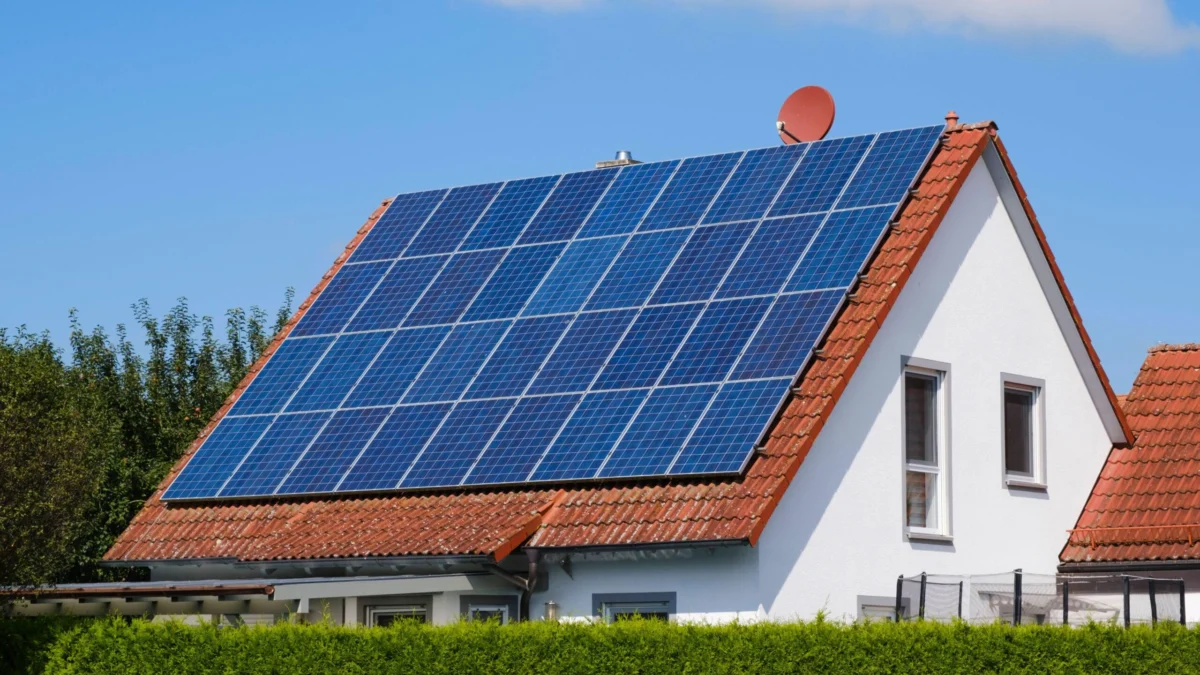
Installing a solar power system, coupled with battery storage, represents a significant financial investment for homeowners. Depending on the size and specifications, property owners can easily incur costs of €20,000 or more. Ideally, these upfront installation expenses are recouped over the system’s operational lifespan through savings on energy bills. However, a crucial question arises when a property equipped with such technology goes on the market: what premium does a photovoltaic (PV) system add to a home’s sale price, and what specific clauses need to be included in the purchase agreement? As an increasing number of homeowners grapple with these questions, experts are providing clarity. According to the Federal Network Agency (Bundesnetzagentur), nearly five million PV systems are now installed on German rooftops.
The Legal Status of Solar Installations in Property Transactions
A key consideration in the sale of a property with a solar installation is its legal classification. In most cases, rooftop solar arrays are not automatically considered part of the building itself from a legal standpoint. The determining factor is the installation method. The most common configuration, where PV modules are mounted on rails atop the roof, allows for their removal without disturbing the roofing tiles. Consequently, these systems are generally classified as movable property rather than fixtures integral to the real estate.
This distinction carries a significant financial advantage. Notary Georg Mehler from Trostberg explains that the price of such "on-roof" installations is itemized separately in the purchase contract. Crucially, this separation exempts the value of the PV system from real estate transfer tax (Grunderwerbsteuer). This can lead to substantial savings for both buyer and seller, as real estate transfer tax rates vary by state but can be as high as 6.5% of the purchase price.
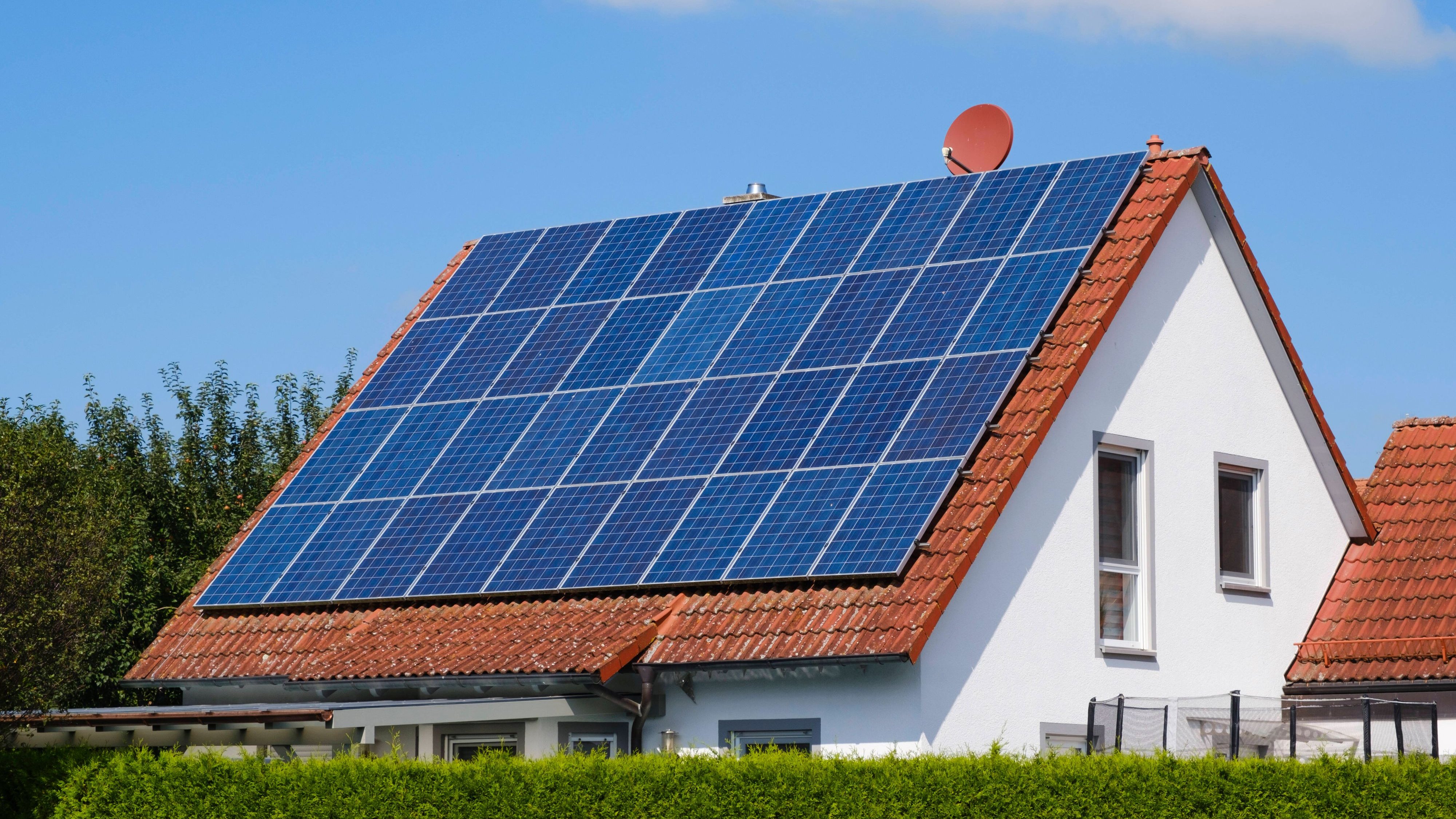
In contrast, "integrated" or "in-roof" solar systems are designed to be part of the building’s envelope, replacing traditional roofing tiles. These systems are legally considered part of the property and are therefore automatically included in the sale of the building, subject to real estate transfer tax on their value.
Quantifying the Premium: PV Systems and Property Value
Evidence suggests that homes equipped with PV systems tend to command higher asking prices compared to similar properties without them. An analysis by the real estate portal Immoscout24, shared with Handelsblatt, indicates that the price difference can be approximately 25 percent. This means that while the initial investment is substantial, the long-term financial benefits, including enhanced market value, are tangible.
Specifically, in the third quarter of 2026, the median asking price for a single-family home without a PV system in Germany was €2,461 per square meter. In stark contrast, single-family homes featuring solar installations averaged €3,086 per square meter. This represents a significant uplift, reflecting the market’s growing appreciation for properties with integrated renewable energy solutions.
However, it is important to note that the PV system is not the sole driver of this price differential. The Immoscout24 analysis also revealed that homes with solar installations are, on average, 20 years younger than those without. The age of a property is a well-established factor influencing its market value, and newer homes often come with modern amenities and better overall condition, which naturally contributes to higher offering prices. Therefore, while the PV system undoubtedly adds value, it is part of a broader package of desirable property attributes.

Calculating the Residual Value of a Solar Installation
For sellers aiming to accurately determine the appropriate price premium for their PV system, calculating its residual value is a recommended approach. Notary Mehler points out that PV systems typically have a lifespan of around 25 years. As an illustration, consider a rooftop solar system, including battery storage and installation, that cost €30,000 and has been in operation for five years. In this scenario, the seller could reasonably ask for €24,000 for the system. This calculation is based on the remaining operational life and the initial investment. For example, if the system has 20 years of its 25-year lifespan remaining, the seller might aim to recoup 80% of the original cost, adjusted for market conditions and system performance. However, like the overall property price, the final valuation of the PV system is ultimately subject to negotiation between buyer and seller.
Essential Clauses for the Purchase Agreement
When a PV system is included in the sale of a property, comprehensive details must be meticulously documented in the purchase agreement. Leif Peterson, a specialized lawyer for tenancy and condominium law and an advisor at the Immobilienverband Deutschland (IVD), emphasizes several critical points that should be included in the notarial purchase contract beyond the system’s age, performance, and date of commissioning:
- Identification of the System: A precise description of the PV system, including manufacturer, model, capacity (kWp), inverter details, and the type and capacity of any associated battery storage.
- Ownership and Clear confirmation that the seller holds clear title to the PV system and that it is free from any liens or encumbrances, unless otherwise specified and agreed upon.
- Transfer of Rights and Obligations: Detailed provisions regarding the transfer of any existing warranties, guarantees, and service contracts related to the PV system and its components. This also includes the transfer of any feed-in tariffs or power purchase agreements with energy suppliers.
- Technical Documentation: The seller must commit to providing all relevant technical documentation, installation manuals, and maintenance records to the buyer.
- Operational Data: Agreement on the handover of historical performance data, energy generation reports, and any relevant billing information.
- Operator Change Procedures: Clear delineation of responsibilities for updating the system’s operator status with the grid operator and registering the change in the Marktstammdatenregister (central register for market participants in the German energy market). This is crucial for ensuring the new owner can benefit from any ongoing feed-in tariffs or subsidies.
- Insurance: Clarification of how the insurance coverage for the PV system will be handled, including any existing policies and the process for transferring or obtaining new coverage.
Seller’s Continued Use of Solar Power
In specific circumstances, it is legally permissible for the seller to retain ownership of the PV system and continue to utilize the generated electricity even after selling the property. This scenario is most practical when the seller intends to remain in the property as a tenant. Rainer Hummelsheim, a property manager and chairman of the IVD’s Federal Expert Committee for Property Managers, notes that such arrangements are typically feasible only in niche cases.
For this arrangement to function effectively, a perpetual right of use for the rooftop must be secured. This is usually achieved through a separate rooftop usage agreement. This agreement needs to meticulously outline various aspects, including:

- Access Rights: Defining the seller’s access to the roof for maintenance and operational purposes.
- Infrastructure: Specifying the rights regarding power lines, connections, and any necessary infrastructure.
- Maintenance and Repairs: Clearly assigning responsibility for routine maintenance, repairs, and potential roof renovations.
- Insurance and Liability: Establishing who is responsible for insuring the system and covering potential liabilities.
- Electricity and Feed-in Tariffs: Detailing how generated electricity will be consumed and how any feed-in tariffs or revenue from selling excess electricity will be managed.
- Decommissioning: Outlining the process and responsibilities for dismantling the system at the end of its useful life.
To provide robust legal protection for the seller’s right to use the rooftop, it is highly recommended that this right be registered in the land register as a "limited personal servitude" (beschränkte persönliche Dienstbarkeit). Without such a formal registration, the agreement could become void if the new property owner later sells the house to someone else, potentially jeopardizing the seller’s continued access and electricity generation.
Handling Leased Solar Installations
A different, yet common, scenario arises when the solar installation on a property is leased to a third-party company. In such cases, the buyer of the property typically assumes the existing lease agreement, inheriting all associated rights and obligations. This is particularly true if the tenant has legally secured their usage rights as a servitude registered in the land register.
This situation requires careful consideration from both buyer and seller. Legal experts like Leif Peterson highlight potential complexities, especially with long-term lease agreements where the seller may have already received the full lease payments upfront. The buyer might then be burdened with years of obligations without receiving corresponding revenue. Therefore, both parties must thoroughly clarify several points before finalizing the sale:
- Lease Term: The remaining duration of the lease agreement.
- Termination Rights: Any clauses related to early termination by either the tenant or the property owner.
- Rent Structure: The amount of the rooftop rent, the payment schedule, and whether any advance payments have been made.
- Operational Responsibilities: Clarification of who is responsible for the ongoing operation and maintenance of the PV system under the lease agreement.
- Future Tariffs and Subsidies: How any future changes to feed-in tariffs, government subsidies, or energy market regulations will affect the lease agreement and the parties involved.
A well-structured and legally sound purchase agreement, addressing these multifaceted aspects of solar installations, is paramount to ensuring a smooth transaction and protecting the interests of both buyers and sellers in Germany’s increasingly solar-powered real estate market. The growing prevalence of these systems necessitates a clear understanding of their legal and financial implications to maximize their value and mitigate potential risks.