Ena Muazin
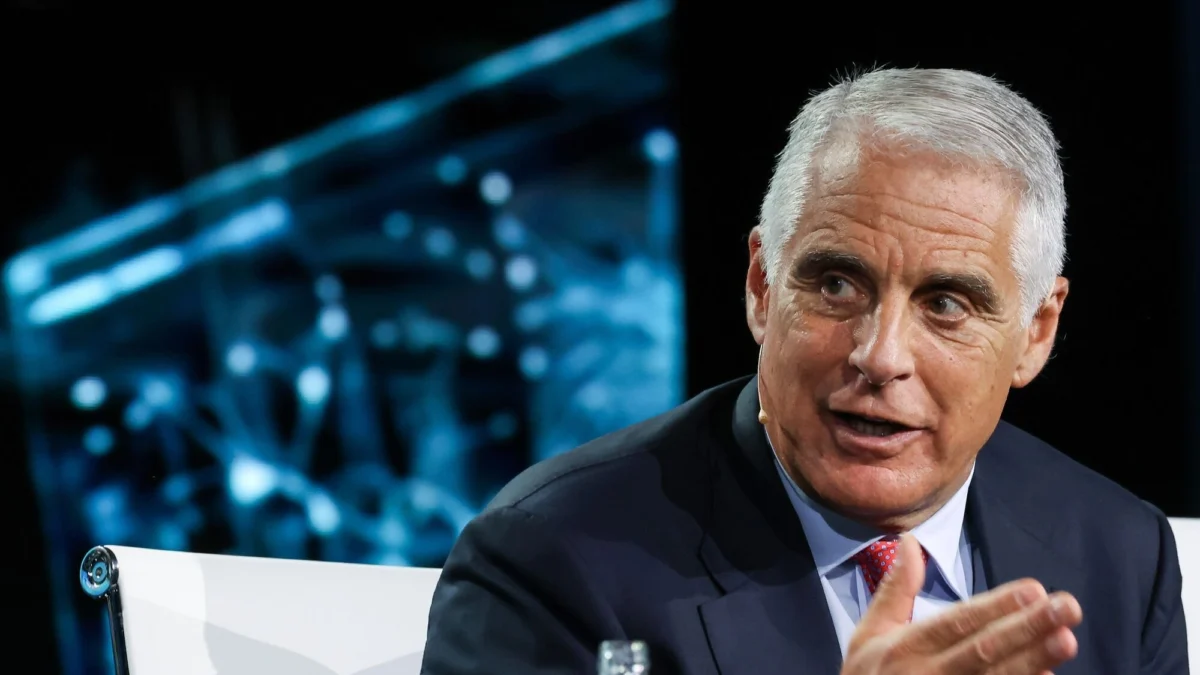
Frankfurt – Andrea Orcel, the dynamic CEO of UniCredit, is poised to personally drive the strategic overhaul of Commerzbank as its prospective Supervisory Board Chairman. This significant development follows UniCredit’s acquisition of a substantial stake in the German lender, marking a pivotal moment for both financial institutions. UniCredit formally requested an extraordinary general meeting of Commerzbank shareholders on Thursday, signaling the final regulatory hurdles have been cleared for the Italian banking giant’s ambitious plans.
The move, announced by Commerzbank, involves UniCredit’s intention to remove nine of the ten current shareholder representatives on Commerzbank’s Supervisory Board. In their place, UniCredit intends to nominate its own representatives. Should he be elected by the shareholders, Andrea Orcel would then be proposed as the candidate for the crucial role of Supervisory Board Chairman, pending the customary regulatory suitability and reliability checks. This direct involvement of UniCredit’s chief executive underscores the strategic importance of Commerzbank within UniCredit’s broader European expansion strategy.
Regulatory Approvals Pave the Way for UniCredit’s Increased Influence
The path to UniCredit’s expanded control over Commerzbank has been meticulously cleared through a series of stringent regulatory approvals. The final green light came from the Polish Financial Supervision Authority (KNF), which had been the last remaining regulatory body to grant its consent to UniCredit’s takeover plans. Prior to the KNF’s decision, Commerzbank had already received the necessary approvals from a formidable lineup of international financial watchdogs. These included Germany’s Federal Financial Supervisory Authority (BaFin), the U.S. Federal Reserve (Fed), the European Central Bank (ECB), and the European Commission. The synchronized approvals from these influential bodies highlight the perceived stability and strategic soundness of UniCredit’s move, assuring markets of a controlled and regulated transition.
A Phased Acquisition Strategy Unfolds
UniCredit’s involvement with Commerzbank has been a carefully orchestrated, phased process. The Italian bank first acquired a significant stake in Commerzbank in 2024, establishing an initial foothold. Currently, UniCredit holds just under 30 percent of the German bank’s shares. The next critical phase involves the implementation of a takeover offer, which was agreed upon in the summer of 2026. Upon the successful completion of this offer, UniCredit’s stake is projected to rise to nearly 50 percent. UniCredit has indicated its intention to finalize this crucial step within the next ten days, with a likely completion date around December 7th. This accelerated timeline suggests a strong commitment from UniCredit to consolidate its influence and begin the integration process without delay.
Strategic Rationale and Background Context
The acquisition and subsequent restructuring of Commerzbank by UniCredit is driven by a clear strategic imperative. For UniCredit, a leading European banking group with operations across numerous countries, Commerzbank represents a significant opportunity to bolster its presence in the crucial German market. Germany, as Europe’s largest economy, offers substantial growth potential and a stable financial landscape. Commerzbank, while a well-established German institution, has undergone periods of restructuring and strategic reorientation in recent years. UniCredit’s investment and planned control are expected to inject fresh capital, strategic direction, and potentially operational synergies, aiming to enhance Commerzbank’s profitability and market competitiveness.
UniCredit’s CEO, Andrea Orcel, is renowned for his decisive leadership and ambitious strategic vision. His personal involvement as the proposed Supervisory Board Chairman signals a hands-on approach to guiding Commerzbank’s transformation. Orcel’s tenure at UniCredit has been marked by a focus on efficiency, digitalization, and strategic acquisitions, all aimed at strengthening the bank’s competitive position in an increasingly complex global financial environment. The appointment of such a high-profile figure to oversee Commerzbank’s integration is a clear message to stakeholders about the seriousness and ambition of UniCredit’s intentions.
The German banking sector, while robust, has faced its own set of challenges, including low-interest rates, increased competition from fintechs, and the ongoing need for digital transformation. Commerzbank, in particular, has been working to streamline its operations and adapt to evolving customer demands. UniCredit’s capital and expertise could provide the necessary impetus for Commerzbank to accelerate these efforts, potentially leading to a more agile and digitally-enabled banking model.
Implications for Commerzbank’s Future
The impending changes at Commerzbank’s highest governing body carry significant implications for its future strategic direction, operational focus, and corporate culture. The replacement of a majority of the Supervisory Board members by UniCredit nominees signifies a shift in governance, with UniCredit’s strategic priorities likely to take precedence.
Key areas of potential impact include:
- Strategic Realignment: UniCredit may seek to align Commerzbank’s strategy more closely with its own European objectives. This could involve cross-selling opportunities, shared technology platforms, and a more unified approach to product development and market penetration.
- Operational Synergies: The integration of operations is a common goal in such acquisitions. This could lead to efficiencies in areas such as back-office functions, IT systems, and compliance, potentially reducing costs and improving profitability for Commerzbank.
- Digital Transformation Acceleration: Both banks have recognized the importance of digitalization. UniCredit’s investment could accelerate Commerzbank’s digital transformation initiatives, enhancing its online banking services, mobile offerings, and data analytics capabilities.
- Capital Structure and Funding: UniCredit’s increased stake could lead to a more integrated approach to capital management and funding, potentially providing Commerzbank with greater financial flexibility.
- Workforce and Culture: While not explicitly detailed in the initial announcements, significant organizational changes often involve adjustments to the workforce and a reshaping of corporate culture to align with the new ownership’s vision. The departure of long-standing board members might signal a broader review of management structures and personnel.
A Timeline of Key Events
The unfolding of UniCredit’s involvement with Commerzbank can be traced through a series of key milestones:
- 2024: UniCredit initiates its investment by acquiring a significant stake in Commerzbank, establishing an initial presence.
- Summer 2026: A formal takeover offer is agreed upon between UniCredit and Commerzbank.
- Late 2026 (ongoing): A series of regulatory bodies, including BaFin, the Fed, the ECB, and the European Commission, grant approvals for UniCredit’s acquisition plans.
- December 2026 (early): The Polish Financial Supervision Authority (KNF) provides the final regulatory clearance.
- December 2026 (forthcoming): UniCredit formally requests an extraordinary general meeting of Commerzbank shareholders to vote on proposed changes to the Supervisory Board.
- December 2026 (projected): UniCredit anticipates the completion of its takeover offer, aiming for a stake of nearly 50 percent.
- Post-Shareholder Approval: Andrea Orcel is to be proposed as the candidate for Supervisory Board Chairman, contingent on regulatory suitability.
Broader Market Reactions and Analyst Perspectives
While specific market reactions are not detailed in the provided text, such a significant strategic move by a major European bank typically elicits considerable interest from investors, analysts, and industry observers. Analysts are likely to scrutinize the financial implications of the acquisition, including the potential for synergy realization, the impact on UniCredit’s capital ratios, and Commerzbank’s future profitability under new leadership. The appointment of Andrea Orcel is generally viewed as a positive indicator of decisive management, but the success of the integration will hinge on the effective execution of the strategic plan and the ability to foster collaboration between the two entities.
The German banking sector, with its significant role in the European economy, will be closely watching how this integration unfolds. A successful transformation of Commerzbank could serve as a blueprint for other consolidation efforts within the European banking landscape, which continues to grapple with profitability challenges and the imperative for digital innovation. The coming months will be critical in observing the initial steps taken by UniCredit and its leadership, including Andrea Orcel, as they embark on reshaping Commerzbank for a new era. The focus will undoubtedly be on whether this strategic alignment can unlock greater value and create a more robust and competitive financial entity within the heart of Europe.