Farhan Pambudi
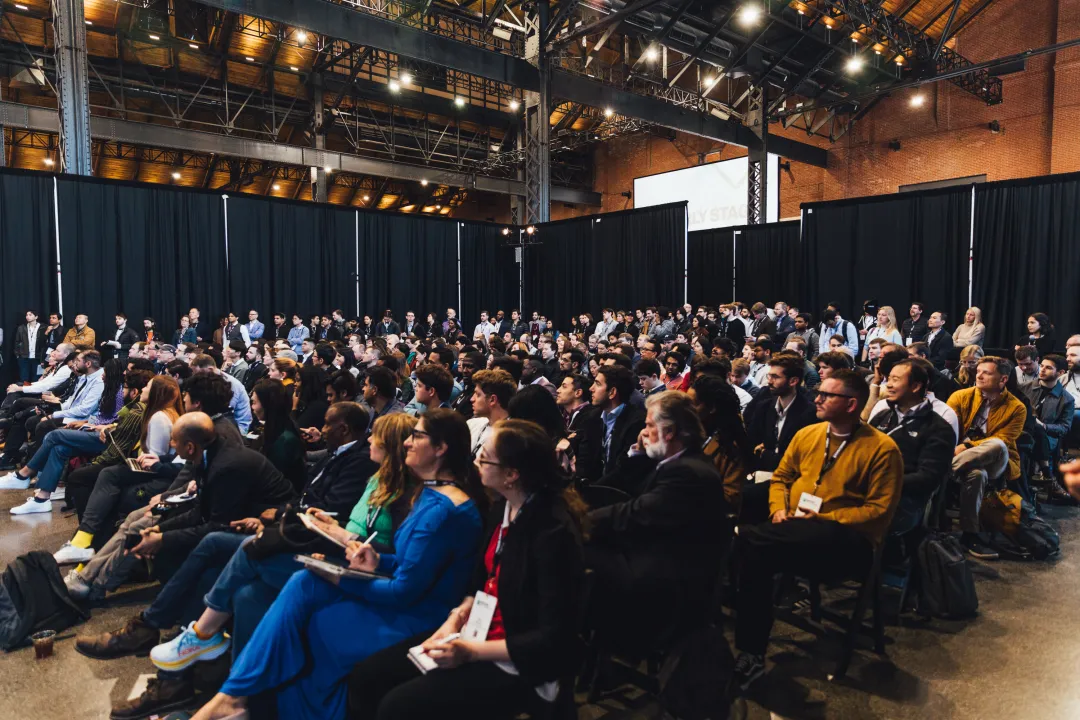
The TechCrunch Founder Summit 2026, a premier gathering of early-stage entrepreneurs, venture capitalists, and industry experts, is scheduled to commence tomorrow, November 4, at the historic SoWa Power Station in Boston. Presented in partnership with Fidelity Private Shares, the summit is designed as a high-intensity, one-day forum dedicated to the tactical and strategic requirements of building, scaling, and sustaining modern technology ventures. As the doors prepare to open at 9 a.m. ET, the event represents a critical juncture for the startup ecosystem, providing a physical venue for founders to transition from digital advice to direct, actionable mentorship.
The 2026 iteration of the Founder Summit arrives during a period of significant recalibration within the venture capital landscape. Following several years of fluctuating interest rates and a heightened focus on capital efficiency, the summit’s agenda reflects the industry’s shift toward sustainable growth and product-market fit. By hosting the event in Boston, organizers are tapping into one of the world’s most concentrated hubs of academic innovation, biotechnology, and enterprise software development.
Strategic Framework: The Build and Impact Stages
The summit is architected around two primary content tracks, each catering to different phases of the entrepreneurial lifecycle. This bifurcated approach ensures that whether a founder is in the "garage phase" or managing a scaling enterprise, the insights remain relevant and applicable.
The Build Stage: Tactical Execution and Fundamentals
The Build Stage is specifically curated for founders currently navigating the complexities of early-stage development. The sessions scheduled for this track focus on the "how-to" of startup management. Key areas of focus include:
- Fundraising Mechanics: In a 2026 market where investors are increasingly scrutinizing unit economics, this track offers deep dives into the nuances of Series A and Series B rounds.
- Distribution Strategies: Discussions will center on overcoming the "noise" of the modern digital marketplace, focusing on organic growth, viral loops, and the utilization of emerging AI-driven marketing tools.
- Team Construction: Experts will address the challenges of talent acquisition in a competitive labor market, specifically regarding the balance between remote-first flexibility and the necessity of collaborative office environments.
- The Art of the Pitch: Founders will receive guidance on refining their narratives to appeal to a more risk-averse investor class.
The Impact Stage: Scaling and Long-term Vision
Conversely, the Impact Stage is designed for leaders looking beyond the immediate horizon. This track shifts the conversation from survival to dominance and sustainability.

- Product-Market Fit at Scale: Identifying how to maintain the core value proposition while expanding into secondary and tertiary markets.
- Enterprise Relationships: Strategies for navigating the lengthy sales cycles of Fortune 500 companies and securing high-value contracts.
- Regulatory and ESG Considerations: As global regulations around data privacy and environmental impact tighten, this track provides a framework for compliance that does not stifle innovation.
- Long-term Growth and Exit Paths: Analyzing the 2026 IPO window and the evolving M&A landscape.
Interactive Learning and Peer-to-Peer Networking
A distinguishing feature of the TechCrunch Founder Summit is its emphasis on interactivity over passive consumption. The event organizers have integrated several formats intended to break the "fourth wall" between the audience and the speakers.
Roundtable Conversations
Moving away from the traditional keynote format, the summit features smaller, moderated roundtable discussions. These sessions are intended to facilitate high-touch interactions, allowing founders to present specific organizational challenges to peers and experts. By limiting the number of participants per table, the summit fosters an environment of transparency and mutual problem-solving that is often absent in larger conferences.
The Braindate Ecosystem
To manage the networking needs of hundreds of attendees, the summit utilizes the Braindate app. This platform allows participants to browse a directory of topics that other attendees are interested in discussing. Whether it is a niche conversation about "Generative AI in Supply Chain" or "Founder Mental Health," the app enables the scheduling of one-on-one or small-group meetups throughout the day. This data-driven approach to networking ensures that attendees maximize their time on-site, connecting with individuals who possess complementary expertise or shared challenges.
The Pitch Competition: A Test of Resilience
The live pitch competition remains a cornerstone of the TechCrunch event series. During this segment, a selected group of founders will present their business models to a panel of esteemed venture capitalists. Unlike the more polished, rehearsed presentations found in marketing materials, this competition is designed to test the robustness of the founders’ logic under rigorous questioning.
Judges typically evaluate participants based on the clarity of their problem statement, the defensibility of their technology (the "moat"), and the scalability of their revenue model. For the participating startups, the competition serves as both a high-visibility platform for potential investment and a "stress test" of their current business assumptions.

Chronology of the Summit
The event is structured to provide a logical flow from information gathering to networking and social synthesis.
- 09:00 AM – 10:00 AM: Registration and Morning Networking. Attendees arrive at the SoWa Power Station to collect credentials and begin initial introductions.
- 10:00 AM – 12:30 PM: Morning Sessions. Simultaneous tracks on the Build and Impact stages, interspersed with the first round of Braindate sessions.
- 12:30 PM – 01:30 PM: Networking Lunch. A curated meal period designed to facilitate informal discussions.
- 01:30 PM – 04:00 PM: Afternoon Deep Dives and Roundtables. Focus shifts to more specialized topics and the live pitch competition.
- 04:00 PM – 05:30 PM: Closing Keynotes and Summaries. A final synthesis of the day’s findings and a look ahead at the tech landscape for the remainder of 2026 and 2027.
- 05:30 PM – Late: Closing Reception. A social event to solidify the day’s connections in a more relaxed atmosphere.
Contextual Analysis: Why Boston and the 2026 Climate
The selection of Boston as the host city for the 2026 Founder Summit is a strategic acknowledgement of the region’s enduring influence on the global tech economy. While Silicon Valley remains the primary engine of consumer tech, Boston has solidified its position as the leader in "Hard Tech," including robotics, climate tech, and life sciences.
The SoWa Power Station itself serves as a metaphor for this evolution. Once the largest power plant in the world during the late 19th century, it has been revitalized as a massive event space, symbolizing the transition from an industrial economy to one driven by information and innovation.
Furthermore, the 2026 summit takes place against a backdrop of geopolitical and economic shifts. Analysts note that the "easy money" era of the 2010s has been replaced by a "disciplined growth" era. Founders are now expected to demonstrate a clear path to profitability much earlier in their lifecycle. The Founder Summit’s focus on tactical lessons around distribution and fundraising is a direct response to this new reality.
Official Support and Partnerships
The summit is presented by Fidelity Private Shares, a division of the financial services giant that focuses on providing equity management and infrastructure tools for private companies. The involvement of Fidelity underscores a growing trend of established financial institutions seeking to provide more than just capital to the startup community. By offering platforms that simplify the administrative burdens of cap table management and legal compliance, these partners allow founders to focus more on product development and less on back-office operations.

Industry observers suggest that the presence of such sponsors at the summit indicates a robust secondary market for startup services, where established players are competing to be the "operating system" for the next generation of unicorns.
Broader Impact and Implications
The TechCrunch Founder Summit 2026 is more than a regional networking event; it is a barometer for the health of the global startup ecosystem. The questions asked in the roundtables and the feedback given during the pitch competition will likely echo through the boardrooms of venture capital firms for months to come.
For the attendees, the value proposition is rooted in the "collision of ideas." In an era where much of a founder’s life is spent behind a screen, the physical proximity of peers who are facing identical hurdles—ranging from founder-vesting issues to the ethical implications of AI—provides a level of support that digital forums cannot replicate.
As the tech industry continues to grapple with rapid cycles of disruption, events like the Founder Summit serve as essential "checkpoints." They provide a moment of pause for founders to evaluate their trajectories, learn from those who have successfully scaled the mountain, and return to their teams with a refreshed perspective and a stronger network.
Tomorrow’s event at the SoWa Power Station stands as a testament to the resilience of the entrepreneurial spirit. Despite the challenges of the current economic climate, the gathering of founders and investors in Boston indicates a continued commitment to building "what comes next." For those who have yet to secure their participation, the final window for registration remains open until the doors officially swing wide at 9 a.m. ET tomorrow.