Farhan Pambudi
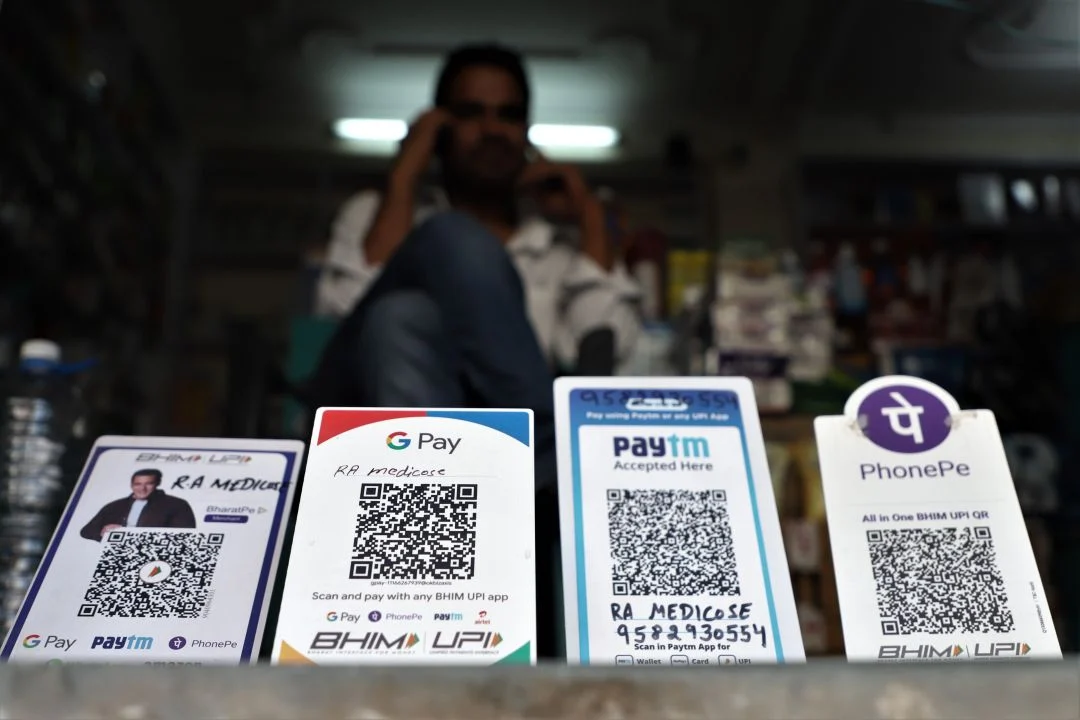
The National Payments Corporation of India (NPCI) has officially announced a postponement of its plan to introduce merchant fees on the Unified Payments Interface (UPI) network, a move originally slated to begin on October 15. The decision comes after intense resistance from various merchant associations and retail sectors across the country, coupled with concerns regarding the potential disruption of consumer spending during India’s peak festive season. By delaying the rollout until after Diwali, the NPCI aims to stabilize the digital payments ecosystem during a period of record-high transaction volumes, though a specific new implementation date has yet to be finalized.
The proposed fee structure, which was unveiled last month, sought to introduce a 0.4% charge on eligible merchant transactions exceeding ₹2,000 (approximately $21). This initiative represented a major policy shift for the Indian government, which has championed a "Zero MDR" (Merchant Discount Rate) policy for several years to encourage the mass adoption of digital payments. While the fee was designed to make the business model more sustainable for banks and payment service providers—currently dominated by third-party application providers (TPAPs) like PhonePe and Google Pay—the backlash from the retail community proved significant enough to force a strategic retreat by the regulator.
The Scale of the UPI Ecosystem and the Festive Surge
The timing of the postponement is deeply rooted in the economic importance of the Indian festive season. Starting with Navratri and culminating in Diwali, this period accounts for a massive portion of annual retail sales in India. Any friction in the payment process, such as merchants refusing to accept UPI or passing costs onto consumers, could have hindered economic momentum.
According to the latest ecosystem statistics released by the NPCI, the UPI network processed a staggering 24.07 billion transactions in September alone, with a total value of ₹29.37 trillion (roughly $305 billion). These figures represent the backbone of India’s digital economy, facilitating everything from micro-payments at roadside stalls to high-value transactions in luxury retail. The sheer volume of data highlights why the NPCI is cautious; even a minor disruption in merchant sentiment could lead to a resurgence in cash transactions, reversing years of progress in financial formalization.
Chronology of the Merchant Fee Proposal
The journey toward reintroducing fees on UPI has been a contentious one, marked by a tug-of-war between the need for infrastructure sustainability and the goal of financial inclusion.
- January 2020: The Indian government officially scrapped the Merchant Discount Rate (MDR) for UPI and RuPay debit card transactions. This "Zero MDR" policy was intended to eliminate the cost barrier for small businesses, facilitating a rapid shift away from cash.
- 2021–2023: As transaction volumes exploded, banks and payment aggregators began reporting significant losses. The cost of maintaining the vast technical infrastructure, ensuring cybersecurity, and preventing fraud began to weigh heavily on the ecosystem.
- September 2024: The NPCI announced the reintroduction of a 0.4% fee for merchant transactions above ₹2,000. To protect small businesses, transactions under ₹2,000 and merchants with monthly UPI receipts below ₹100,000 were exempted. A cap of ₹300 was also proposed for very large transactions.
- October 2024: Following threats of protests from mobile retailers and petrol pump operators, the NPCI issued a statement via social media and official channels postponing the rollout until after the Diwali holidays.
Resistance from Key Retail Sectors
The opposition to the new charges was led by sectors characterized by high-volume, low-margin transactions. Mobile phone retailers and petroleum dealers were among the most vocal critics. The All India Mobile Retailers Association (AIMRA) argued that the 0.4% fee would eat into their already thin profit margins, which are often pressured by competition from e-commerce giants.
Similarly, petrol pump operators expressed grave concerns. In many states, the profit margin on fuel is fixed and relatively low. A 0.4% charge on a ₹3,000 fuel purchase would represent a significant deduction from the dealer’s take-home pay. Some petroleum dealer associations went as far as to warn that they would stop accepting UPI payments entirely if the charges were implemented, potentially forcing millions of motorists back to using cash or credit cards, the latter of which already carry higher MDRs.
Industry analysts note that while the fee is technically directed at the merchant, the history of Indian retail suggests these costs are often passed down to the end consumer or result in "surcharging," where merchants ask for an extra amount to cover the digital payment cost—a practice that is technically illegal but difficult to regulate at scale.
The Economic Reality: The ₹200 Billion Burden
While the merchant pushback is grounded in immediate profitability concerns, the NPCI’s original proposal was grounded in the harsh reality of infrastructure costs. The NPCI estimates that the annual cost of operating and maintaining the UPI network is approximately ₹200 billion (around $2.1 billion). These costs include:
- Server Capacity and Scalability: Ensuring the system can handle over 500 million transactions per day without lag or failure.
- Cybersecurity: Defending the network against increasingly sophisticated state-sponsored and independent hacking attempts.
- Fraud Prevention: Implementing real-time monitoring to detect and block fraudulent transactions, which have risen in tandem with the network’s growth.
- Technical Support: Maintaining the "pipes" between hundreds of participating banks and dozens of payment apps.
Currently, the Indian government provides a partial subsidy to banks to cover some of these costs, but industry stakeholders argue that the subsidy is insufficient. Large players like PhonePe and Google Pay, which together command over 80% of the UPI market share, have long sought ways to monetize the service. Without a sustainable revenue model, the incentive for private players to continue innovating and expanding the network could diminish.
Strategic Implications and the Global Ambition
The delay in implementing the fee highlights the delicate balancing act the Indian government must perform. On one hand, it wants to create a self-sustaining fintech ecosystem that does not rely forever on taxpayer-funded subsidies. On the other hand, UPI has become a symbol of India’s technological prowess and a key tool for financial "democratization."
This domestic friction also comes at a time when India is aggressively exporting the UPI technology. Through its international arm, NPCI International Payments Limited (NIPL), the network has expanded to countries including the United Arab Emirates, Singapore, Mauritius, Nepal, and France. The goal is to allow Indian tourists to pay using their domestic apps and eventually provide a cross-border alternative to traditional systems like SWIFT.
A successful implementation of a merchant fee model in India would serve as a blueprint for how other nations can monetize "public good" digital infrastructure. However, the current delay suggests that the "free" nature of UPI is so deeply ingrained in the Indian consumer and merchant psyche that moving away from it will require a more nuanced communication strategy or a more gradual phased approach.
Future Outlook: What Happens After Diwali?
The NPCI has not provided a firm date for the post-Diwali rollout, leading some industry experts to speculate that the fee structure may be revised further. There is a possibility that the ₹2,000 threshold could be raised or that certain essential sectors—like healthcare and utilities—could be granted permanent exemptions.
The debate also brings the "duopoly" of Google Pay and PhonePe back into focus. Some regulators believe that introducing fees might actually help smaller competitors enter the market by providing a clear revenue path, potentially diluting the dominance of the two major players. Conversely, if the fees lead to a decline in transaction volume, it could consolidate the market even further as only the largest players will have the capital to weather a period of lower activity.
For now, the status quo remains. Merchants will continue to accept UPI payments without additional costs through the end of the year’s most critical shopping window. However, the fundamental question of who pays for the world’s most successful real-time payment system remains unanswered. As the NPCI prepares for its next move, the eyes of the global fintech community remain on India, watching to see if a nation can successfully transition a massive, free public utility into a sustainable commercial enterprise without losing the trust of its citizens.