Putri Inara

The digital publishing landscape is defined by a singular, high-stakes moment of decision: the split second a reader encounters a headline. Within the context of modern information consumption, the few words comprising a blog post title serve as the primary determinant of a piece of content’s trajectory, dictating whether it achieves viral reach or remains obscure within digital archives. Industry data consistently indicates that while eight out of ten people will read a headline, only two out of ten will proceed to read the accompanying article. This disparity underscores the title’s role as the most powerful element of any written digital asset, acting as the ultimate gatekeeper for audience engagement and conversion.
In the contemporary media environment, blog post titles are disseminated across a variety of critical touchpoints, including search engine results pages (SERPs), RSS feeds, social media platforms, and internal site archives. In many of these instances, the title is the only information available to the potential reader. Consequently, a title that is overly complex, confusing, or uninspired can render high-quality content invisible. Professional content strategists emphasize that the title’s primary function is not merely to summarize the text, but to compel the reader to engage with the opening sentence. This principle, famously championed by advertising pioneer David Ogilvy, remains the cornerstone of effective copywriting in the digital age.
The Evolution of Content Crafting: A Strategic Context
The focus on headline optimization is part of a broader shift toward "content crafting," a methodological approach to digital publishing that prioritizes deliberate pauses at key stages of the writing process. This strategy suggests that the investment of time into a title is not a secondary task but a foundational requirement for content success. Historically, the transition from print to digital media has necessitated a more data-driven approach to headlines. While print headlines often relied on puns or artistic flair, digital headlines must satisfy both human psychology and machine algorithms.
The process of crafting a title should be viewed as a distinct phase of production. Industry experts suggest that rushing this stage is a primary cause of content failure. By allocating specific resources to title development, publishers can significantly increase the return on investment (ROI) for the time spent on the body of the article. The following eight techniques represent a comprehensive framework for developing titles that bridge the gap between visibility and engagement.
1. The Value Proposition: Communicating Tangible Benefits
The most effective titles are those that clearly identify and promise to solve a specific reader need. This "benefit-driven" approach aligns with the "Jobs to be Done" framework used in product development, where the content is seen as a tool to help the reader achieve a goal. For example, instructional titles such as "How to Hold a Digital Camera" or "10 Ways to Take Stunning Portraits" perform consistently well because they address a direct pain point.
These titles are rarely "clever" in a literary sense; instead, they are transparent and functional. By screaming the value proposition to the audience, they filter for the most relevant readers. Data from niche educational blogs shows that benefit-oriented titles drive significantly higher long-term organic traffic compared to abstract or cryptic alternatives.

2. The Role of Provocation: Leveraging Controversy and Debate
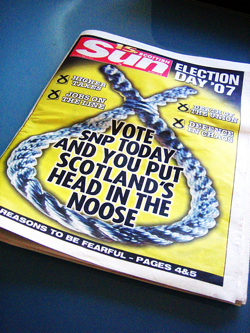
Psychological studies on digital behavior suggest that high-arousal emotions—such as those sparked by controversy—are powerful drivers of clicks and shares. Titles that set the stage for a strong opinion or a public debate pique natural human curiosity. However, this technique carries a high degree of responsibility. The content must substantively support the provocative claim made in the title to maintain editorial integrity.
While controversial titles can generate rapid spikes in traffic, they also invite strong reactions. Publishers using this method must be prepared for increased comment moderation and potential brand polarization. When executed correctly, controversy can establish a blog as a thought leader or a disruptor within its specific industry.
3. The Interrogative Strategy: Engaging Through Questions
Using a question as a title initiates a cognitive process in the reader known as "instinctive elaboration." When presented with a question, the human brain is wired to seek or formulate an answer. This technique is particularly effective when the question is personalized using the word "you," making the reader feel as though the content was designed specifically for their circumstances.
Beyond driving clicks, interrogative titles are highly effective at fostering community engagement. They set a conversational tone that encourages readers to leave comments and participate in a dialogue. Analysis of engagement metrics suggests that posts with question-based titles often see a 15% to 20% higher comment-to-view ratio than declarative titles.
4. Personalization and the Second-Person Perspective
Digital readers often seek content that feels tailored to their individual experiences. Personalizing a title—primarily through the use of the word "you" or "your"—transforms a general topic into a direct address. A title like "21 Ways to Make Your Blog Sticky" is significantly more compelling than "21 Ways to Make a Blog Sticky" because it creates an immediate sense of ownership and relevance.
This technique bridges the gap between a mass audience and a personal connection. In an era of algorithmic personalization, titles that use direct address help content stand out in crowded social media feeds where users are accustomed to seeing content curated for their specific interests.
5. Technical Optimization: Strategic Keyword Integration
From a journalistic and technical standpoint, the inclusion of keywords in titles is non-negotiable for search engine optimization (SEO). Keywords serve two purposes: they tell search engines what the post is about, and they signal relevance to the user scanning search results.

Technical analysis reveals that "front-loading" keywords—placing them at the beginning of the title—carries more weight in search rankings than placing them at the end. This is especially true for long titles that may be truncated in search results. For example, a post about a specific product or company should ideally start with the name of that entity to capture the highest volume of search intent.
6. The Psychological Impact of Power Words
Not all vocabulary carries the same weight. Certain "power words" are known to evoke strong emotional responses or a sense of urgency. Words such as "Secrets," "Shocking," "Ultimate," "Free," and "Essential" can significantly boost click-through rates (CTR).
However, the use of power words requires a nuanced approach. Overuse can lead to "clickbait fatigue," where readers become skeptical of hyperbolic language. Furthermore, if the content does not deliver on the "ultimate" or "shocking" promise of the title, it can damage the publisher’s credibility. Professional journalists recommend using these words sparingly and only when they accurately reflect the intensity of the content.
7. Guarantees and Big Claims: The Promise of Transformation
Extending the "benefit" technique, making a bold claim or a definitive promise can capture the attention of even passive observers. These titles guarantee a specific outcome or a transformative piece of information. The "big claim" creates a high-stakes value proposition that is difficult to ignore.
The risk associated with this technique is the potential for reader disappointment. A "big claim" title sets a high bar for the content. If the article fails to provide the promised solution, the bounce rate will increase, and the site’s reputation for reliability will suffer. To be effective, the content must be as robust as the promise made in its heading.
8. Humorous and Creative Titles: The Risk-Reward Balance
Humor can be a powerful tool for brand building and audience loyalty. A witty or humorous title can make a post memorable and shareable. However, humor is subjective and culturally dependent, making it one of the most difficult techniques to execute successfully on a global scale.
The primary drawback of humorous titles is their often-poor performance in SEO. Puns and jokes rarely align with the literal search terms users type into Google. Therefore, humorous titles are best suited for established audiences who access content through direct links, newsletters, or social media, rather than those relying on organic search discovery.
Structural Integrity and Technical Constraints
Beyond the thematic elements of title creation, publishers must adhere to specific technical standards. Length is a critical factor; most search engines only display the first 65 to 70 characters of a title. If a title exceeds this limit, the most important information may be cut off, reducing its effectiveness. Short, punchy titles are generally easier to digest and share across mobile platforms.
Additionally, the use of punctuation, specifically periods (full stops), is a subject of debate among copywriters. Many experts argue that a period at the end of a title creates a psychological "stop" for the reader, potentially discouraging them from moving on to the first paragraph. While seemingly minor, these subtle cues in typography and punctuation can have a measurable impact on user flow and content consumption patterns.
Broader Implications for Digital Publishing
The strategic crafting of titles represents more than just a marketing tactic; it is a fundamental component of digital literacy for publishers. In a saturated information market, the ability to signal value quickly and accurately is a competitive advantage. As artificial intelligence and machine learning continue to refine how content is surfaced to users, the intersection of human psychology and algorithmic requirements will remain the primary battlefield for audience attention.
The data is clear: the destiny of a blog post is decided before the reader ever reaches the first paragraph. By treating the title as a high-value asset and applying rigorous standards to its creation, publishers can ensure their content achieves its maximum potential. The transition from a casual blogger to a professional digital publisher is often marked by this shift in focus—from simply writing to strategically crafting every word for impact.