Putri Inara
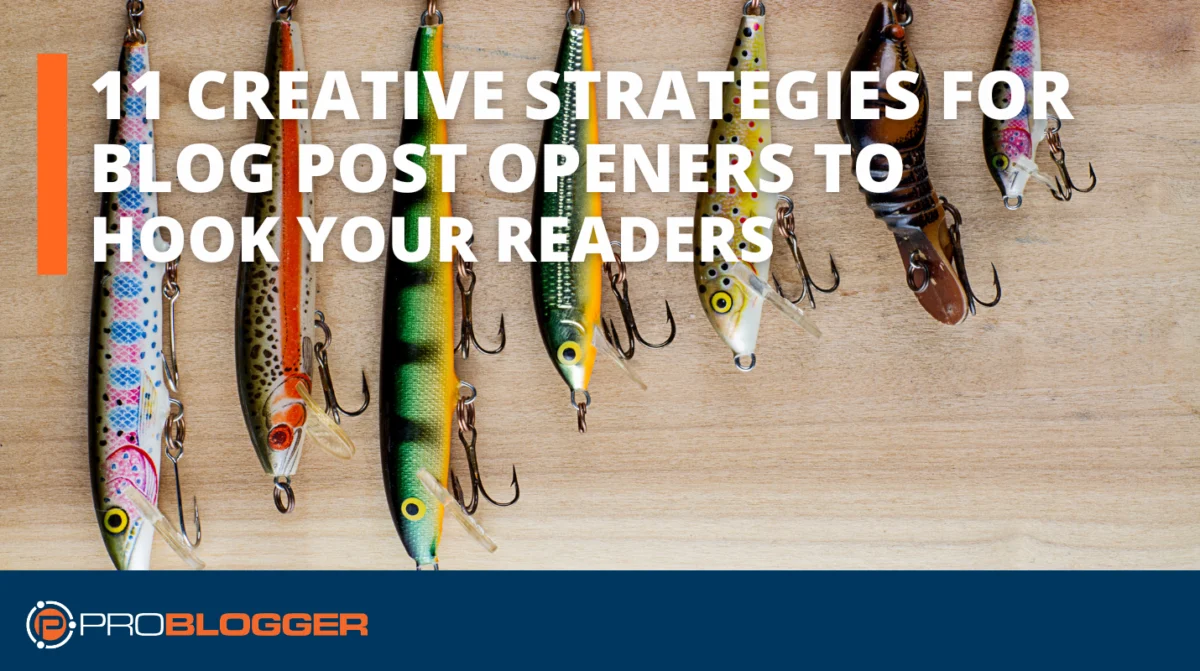
The evolution of digital prose has shifted from traditional academic structures toward more psychological and engagement-driven frameworks. Professional content creators now view the opening line as a strategic asset rather than a mere introduction. This shift is driven by the reality that the average internet user spends less than 15 seconds on a webpage before deciding whether to stay or exit. Consequently, the mastery of opening strategies has become a requisite skill for journalists, bloggers, and corporate communications specialists alike.
The Psychology of the Digital Hook: Historical Context and Evolution
The concept of the "lede" or lead sentence has its roots in 19th-century telegraphic journalism, where the "inverted pyramid" style ensured that the most critical information was transmitted first in case of a connection failure. In the print era, the goal was to summarize the "who, what, where, when, and why." However, as media consumption moved to digital platforms, the objective of the opening line evolved from pure information delivery to psychological engagement.
By the early 2000s, the rise of the "blogosphere" introduced a more personal and conversational tone to professional writing. Figures like Darren Rowse of ProBlogger pioneered techniques that blended traditional copywriting with narrative storytelling. This evolution was marked by a transition from the "objective summary" to the "engagement hook." Today, the digital lede must compete with social media notifications, multi-tab browsing, and shrinking attention spans, leading to a sophisticated array of strategies designed to trigger curiosity, empathy, or a sense of urgency.
Chronology of Content Engagement Strategy
The development of modern engagement strategies can be traced through several distinct phases:
- The Informational Era (Pre-2000s): Focus on factual summaries and professional distance.
- The Conversational Pivot (2000–2010): Introduction of personal anecdotes and the "Blogger Voice."
- The Analytical Optimization (2010–2020): Use of A/B testing and data analytics to determine which opening structures yield the highest "time on page" metrics.
- The Hyper-Personalization Era (2020–Present): Focus on identifying specific reader pain points and utilizing psychological "pattern interrupts" to break the monotony of automated or AI-generated content.
Analysis of 11 Strategic Opening Frameworks
Professional writers utilize a variety of frameworks to secure reader interest. Each method addresses a different psychological trigger, ranging from the need for problem-solving to the biological response to storytelling.
1. Direct Identification of Needs
The most pragmatic approach involves pinpointing a reader’s specific problem immediately. By articulating a challenge that the reader is currently facing, the writer establishes immediate relevance. This strategy relies on the "problem-agitation-solution" (PAS) copywriting formula, where the opening line serves as the identification of the "problem" phase.
2. The One-Answer Question
This technique involves posing a question to which the reader is almost certain to answer "yes." This creates an immediate cognitive "buy-in." Psychologically, when a reader agrees with an initial premise, they are more likely to remain receptive to the arguments that follow.
3. The Intriguing Question
Unlike the one-answer question, the intriguing question leverages the "Information Gap" theory. By asking a question that the reader cannot immediately answer—but desperately wants to—the writer creates a mental tension that can only be resolved by reading further.
4. The Pattern Interrupt or Surprise
In an environment of predictable content, the "surprise" opening functions as a pattern interrupt. Sharing an unusual fact or a self-deprecating personal anecdote—such as being misidentified by a spouse—humanizes the author and snaps the reader out of a passive browsing state.
5. Narrative and Analogy
Storytelling remains one of the most effective tools for retention. Humans are biologically wired to respond to narratives. Starting with a story or an analogy allows the writer to explain complex or dry concepts through a relatable lens, making the content more absorbing.
6. The Bold Claim or Promise
High-authority content often begins with a strong assertion. This approach sets a high expectation and positions the author as an expert. However, analysts note that this strategy carries a high risk; if the subsequent content fails to validate the bold claim, the author’s credibility is significantly damaged.
7. Strategic Controversy
Stirring controversy by challenging a popular opinion or a well-known brand can generate immediate engagement. This "contrarian" approach forces the reader to take a mental stand, either in agreement or defense, which compels them to examine the author’s reasoning.
8. Sensory Imagery and Visualization
Painting a vivid picture engages the reader’s imagination. By describing a scenario that appeals to the senses, writers can make abstract concepts tangible. This method is particularly effective in long-form journalism and descriptive essays.
9. Data-Driven Openings
Leading with a startling statistic provides immediate "social proof" and gravity. Statistics like "only 1 out of 100 readers will comment" provide a factual basis for the discussion and highlight the scale of the issue being addressed.
10. The Authority Quote
Utilizing a quote from a respected figure allows the writer to borrow authority. It sets a thoughtful tone and aligns the post with established wisdom or provocative thought leadership.
11. Visual Integration
In a mobile-first world, the "opening line" is often preceded or accompanied by a high-impact image. Data from visual platforms indicates that posts with relevant, striking imagery at the top receive significantly higher engagement rates than text-only entries.
Supporting Data on Reader Retention
Research from various digital analytics firms underscores the importance of these strategies. According to a study by the Nielsen Norman Group, users often leave web pages within 10 to 20 seconds, but pages with a clear value proposition and an engaging opening can hold people’s attention for much longer.
Furthermore, data from Chartbeat, which analyzed 2 billion visits across the web, found that 55% of visitors spend fewer than 15 seconds on a page. The "scrolling" behavior of modern readers means that the first 100 words of a post are the most critical real estate on the screen. If the opening lines do not provide a reason to stay, the likelihood of a conversion or a full read-through drops by over 70%.
Professional Perspectives and Industry Reactions
Content marketing experts suggest that the "opening" is now more important than the "closing." Neil Patel, a prominent digital strategist, has frequently noted that while the headline is the "hook," the first paragraph is the "line and sinker." Industry reactions to the rise of AI-generated content have further emphasized this; as large language models become more adept at producing standard summaries, the value of unique, human-centric, and creatively structured opening lines has increased.
"The goal of the first sentence is to get you to read the second sentence," says Copyblogger founder Brian Clark, echoing a sentiment that has become the mantra of the digital writing industry. This "slippery slide" effect is what separates high-performing content from the millions of ignored posts published daily.
Broader Impact and Future Implications
The mastery of engaging opening lines has implications beyond blogging. In an era of "TL;DR" (Too Long; Didn’t Read) culture, the ability to synthesize value and interest immediately is a vital business communication skill. From internal corporate emails to global news reports, the "hook" is the primary defense against the total fragmentation of audience attention.
As search engine algorithms, such as Google’s "Helpful Content" updates, continue to prioritize user engagement metrics like "dwell time," the technical importance of the opening line will only grow. Content that fails to hook the reader will not only lose the audience but will eventually lose its visibility in search results.
In conclusion, the opening line is the most critical juncture in the writer-reader relationship. By employing these 11 strategies—ranging from identifying needs to utilizing startling statistics—writers can navigate the challenges of the attention economy and ensure their message reaches its intended audience. The transition from a passive introduction to an active engagement strategy is no longer optional; it is a fundamental requirement for success in the modern digital landscape.