Lina Wu
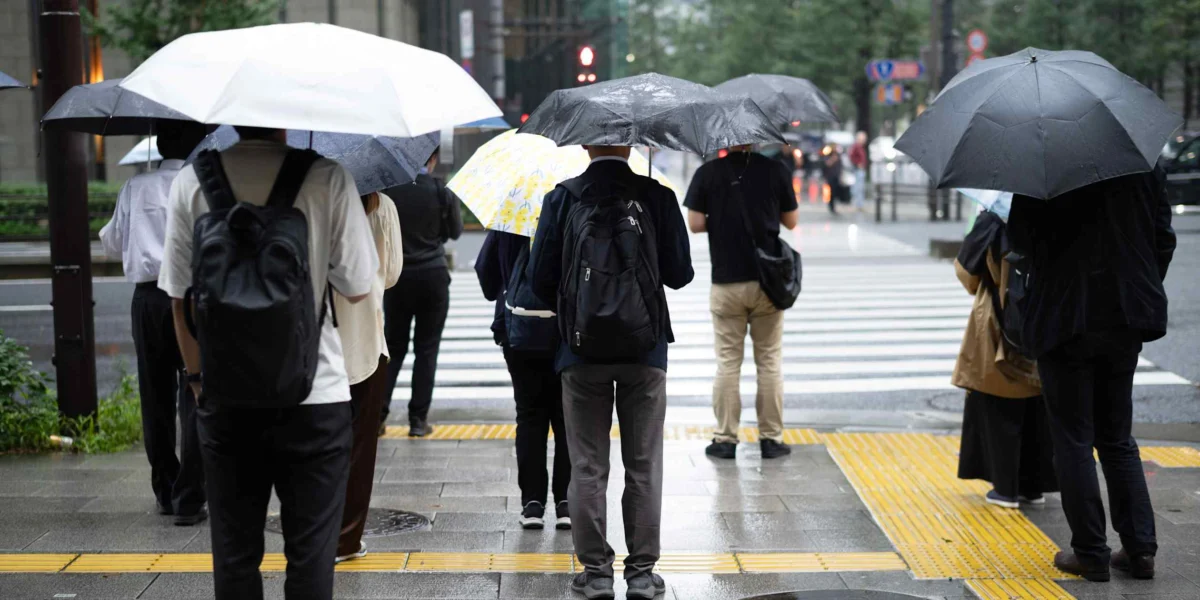
TOKYO — Japan’s economy experienced zero growth in the July-September quarter compared to the preceding three months, registering a 0.1% contraction on an annualized pace. This unexpected stagnation, revealed in data released by the Japan Cabinet Office on Monday, November 16, 2026, marks a significant deceleration from previous quarters and is casting a shadow over the nation’s economic outlook. The figures represent a stark departure from the modest expansion anticipated by many economists and signal potential headwinds for domestic demand and global trade.
The Cabinet Office’s preliminary report indicated that the Gross Domestic Product (GDP) for the third quarter of 2026 remained unchanged from the second quarter. When annualized, this translates to a 0.1% decline, a figure that fell short of the consensus forecast of a slight positive growth. This stagnation is primarily attributed to a pullback in private consumption and a decline in capital expenditure, two crucial pillars of the Japanese economy. The annualized rate, a common metric for assessing economic performance over a year, highlights the scale of the slowdown.
Behind the Stagnation: Unpacking the Key Drivers
Several factors appear to have contributed to the lackluster performance. Private consumption, which accounts for over half of Japan’s GDP, saw a marginal decrease. This slowdown in consumer spending can be linked to a confluence of factors, including persistent inflation that has eroded purchasing power, and a cautious consumer sentiment amid global economic uncertainties. While wage growth has shown some signs of improvement in recent years, it has not kept pace with the rising cost of essential goods and services, leading households to tighten their belts.
Furthermore, business investment, a key indicator of corporate confidence and future growth prospects, also registered a decline. Companies appear to be adopting a more conservative stance, potentially due to concerns about future demand, rising input costs, and the evolving geopolitical landscape. This cautious approach to capital expenditure could have ripple effects on productivity growth and job creation in the medium to long term.
The external sector also played a role, albeit a less pronounced one. While exports saw a modest increase, this was not enough to offset the weakness in domestic demand. Japan’s export performance is intrinsically linked to the health of the global economy, and recent slowdowns in major trading partners, such as China and the United States, have undoubtedly impacted demand for Japanese goods and services.
A Timeline of Economic Indicators
The period leading up to this announcement has been marked by a series of mixed economic signals. Throughout the first half of 2026, Japan’s economy had demonstrated a degree of resilience, buoyed by a post-pandemic recovery in tourism and a gradual increase in corporate profits.
- Q1 2026: The first quarter saw a modest GDP growth of 0.5% (annualized 2.0%), driven by a rebound in domestic demand and a surge in inbound tourism.
- Q2 2026: The second quarter continued this trend with a GDP growth of 0.4% (annualized 1.6%), indicating sustained momentum, though at a slightly moderated pace.
- July-September 2026 (Q3): Preliminary data released on November 16, 2026, reveals zero growth (annualized -0.1%), signaling a significant slowdown.
This recent data suggests that the underlying vulnerabilities in the Japanese economy, which may have been masked by the post-pandemic rebound, are now coming to the fore.
Supporting Data and Broader Economic Context
To better understand the implications of this stagnation, it is important to examine related economic indicators.
Inflation: Consumer Price Index (CPI) for September 2026 showed an annual increase of 3.1%, a slight moderation from the peak seen earlier in the year but still above the Bank of Japan’s target of 2%. This persistent inflation continues to put pressure on household budgets.
Wages: Nominal wage growth, while showing some improvement, has lagged behind inflation, resulting in a decline in real wages for many workers. This has directly impacted consumer spending power.
Industrial Production: The Index of Industrial Production for September 2026 indicated a marginal decline, suggesting a softening in manufacturing output, potentially reflecting weaker domestic and global demand.
Corporate Profits: Despite the slowdown in GDP, many large corporations have reported robust profits in recent quarters, largely due to cost-cutting measures and a weakening yen that boosts export earnings. However, this has not translated into widespread wage increases or significant new investment.
Global Economic Climate: The global economy in late 2026 is characterized by slowing growth in major economies, ongoing geopolitical tensions, and continued supply chain disruptions. This external environment presents a significant challenge for export-oriented economies like Japan.
Official Responses and Future Outlook
The Japanese government and the Bank of Japan (BOJ) are likely to be closely monitoring these developments. While the government has implemented various fiscal stimulus measures in the past, the current situation may prompt a reassessment of its economic policies.
A spokesperson for the Ministry of Finance, speaking on condition of anonymity, acknowledged the data as a cause for concern. "We are carefully analyzing the factors contributing to this stagnation," the spokesperson stated. "The government remains committed to fostering sustainable economic growth and will consider appropriate measures to support domestic demand and business investment."
The Bank of Japan, which has maintained an ultra-loose monetary policy for years, faces a complex dilemma. While the economic stagnation might suggest a need for further monetary easing, persistent inflation complicates this decision. Any shift in monetary policy would need to be carefully calibrated to avoid exacerbating inflationary pressures or stifling nascent signs of wage growth.
Economists are divided on the near-term outlook. Some believe this is a temporary blip, a correction after a period of strong recovery, and that the economy will rebound in the coming quarters as global conditions improve and domestic demand picks up. Others express caution, pointing to structural issues such as an aging population, low productivity growth, and a high level of public debt, which could hinder Japan’s long-term growth potential.
Broader Implications and Challenges Ahead
The stagnation in Japan’s economy has several broader implications:
- Global Economic Impact: As the world’s third-largest economy, a prolonged period of weak growth in Japan can have a dampening effect on global demand and trade.
- Investment Landscape: A sluggish domestic economy could deter foreign direct investment and prompt Japanese companies to seek investment opportunities abroad, potentially impacting domestic job creation.
- Fiscal Health: Continued weak economic growth can put pressure on government finances, making it more challenging to manage the nation’s substantial public debt.
- Demographic Challenges: Japan’s long-standing demographic challenges, including a rapidly aging population and a declining birthrate, are exacerbated by economic stagnation. A weak economy makes it harder to fund social security and healthcare for an aging population.
The data released on November 16, 2026, serves as a critical reminder that the path to sustained economic prosperity is fraught with challenges. For Japan, navigating these challenges will require a multifaceted approach, encompassing prudent fiscal and monetary policies, structural reforms to boost productivity and innovation, and measures to address the nation’s unique demographic headwinds. The coming months will be crucial in determining whether this period of stagnation is a temporary setback or the beginning of a more prolonged economic challenge for the East Asian powerhouse. The wait for a robust and sustainable recovery continues.