Putri Inara

The reality of professional blogging lies between the extremes of "get-rich-quick" schemes often promoted alongside digital products and the cynical view that the medium is obsolete. Analysis of the sector reveals that successful monetization is not restricted to those teaching others how to make money online. Instead, a diverse range of niches—including photography, health, woodworking, and fashion—have proven capable of supporting full-time careers. However, a journalistic review of the data indicates that a vast majority of participants earn only nominal amounts, highlighting a stark disparity between casual contributors and professionalized creators.
A Chronological Evolution of the Blogging Business Model
The trajectory of blogging as a commercial endeavor has shifted significantly since the early 2000s. In 2002, the medium was largely characterized by "digital diaries" with limited avenues for monetization. The introduction of platforms like Google AdSense in 2003 provided the first scalable way for independent writers to earn revenue through advertising.
By the late 2000s and early 2010s, the "ProBlogger" era emerged, led by figures such as Darren Rowse, who transitioned from hobbyist blogging to establishing multi-author business entities. This period marked the professionalization of the craft, where bloggers began to view their sites as brands rather than just repositories for thoughts. The mid-2010s saw the rise of the "influencer" model, integrating social media platforms with traditional long-form content. Today, the industry is defined by "platform independence," where bloggers utilize newsletters, membership areas, and direct product sales to insulate themselves from the volatility of advertising markets and search engine algorithm updates.
Statistical Analysis of Blogger Earnings
Quantifiable data regarding blogger income reveals a "power law" distribution, where a small percentage of creators earn the bulk of the revenue. In a comprehensive survey of over 1,500 digital creators conducted by ProBlogger, the financial breakdown highlights the challenges facing newcomers:

- The Entry-Level Majority: Approximately 63% of bloggers attempting to monetize their platforms earn less than $3.50 per day. Within this group, 10% report earning nothing at all, while 28% earn less than 30 cents per day.
- The Middle Class: Roughly 9% of respondents earn over $1,000 per month, a figure often cited as a threshold for part-time income or a significant supplement to traditional employment.
- The High Earners: Only 4% of the surveyed population reached the "elite" bracket, earning over $10,000 per month (exceeding six figures annually).
A critical finding in this data is the correlation between longevity and income. Among the top 4% of earners, 85% had been active in the industry for four years or longer. This suggests that the "overnight success" narrative is largely a myth; instead, the data points to a gestation period of two to four years before a blog reaches full-time profitability.
Diversification of Revenue Streams
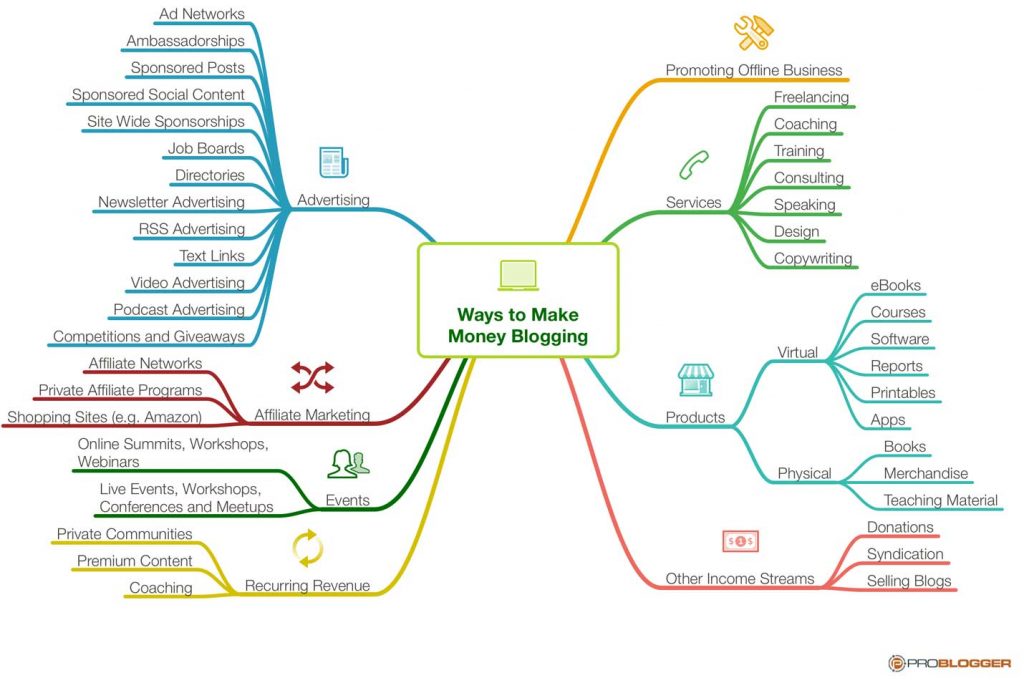
One of the most significant shifts in the industry is the move away from a "single-source" income model. Professional bloggers now operate as diversified media companies. Insights from the Melbourne ProBlogger event showcased a variety of Australian entrepreneurs who have successfully monetized "normal" niches through distinct methods:
- Direct Product Sales: Creators like Ana White (woodworking) and Sarah Wilson (health and wellness) have leveraged their audiences to sell physical products, ebooks, and structured programs.
- Affiliate Marketing: This remains a cornerstone for niches like photography and fashion. For instance, the Digital Photography School blog generates significant revenue by recommending gear, often outperforming "meta-blogging" sites by a factor of ten.
- Service-Based Monetization: Many bloggers use their platforms as a portfolio to secure high-paying speaking engagements, book deals, or consulting contracts. Nikki Parkinson of Styling You and Mrs. Woog of Woogsworld exemplify this transition from content creator to media personality and consultant.
- Membership and Recurring Revenue: The shift toward "gated" content and community memberships has provided a more stable financial floor for creators compared to the fluctuating nature of display advertising.
The Myth of Passive Income and the Reality of Labor
A recurring theme in the digital marketing space is the promise of "passive income." However, veteran bloggers and industry analysts contest this characterization. Building a profitable blog requires intensive labor in four key operational areas:
- Content Strategy: The daily creation of original, high-value content that serves a specific audience need.
- Audience Acquisition: Utilizing SEO, social media, and networking to find and retain readers in an increasingly crowded attention economy.
- Engagement and Community Management: Transitioning from a one-way broadcast to a two-way dialogue to build brand loyalty.
- Operational Management: Monitoring analytics, managing technical infrastructure, and executing monetization strategies.
Industry professionals emphasize that "passivity" is a misnomer. The maintenance of a high-earning blog often involves more hours than a standard 40-hour work week, especially during the initial three-year growth phase.
Sector-Specific Performance: Beyond the "Make Money Online" Niche
A common critique of the blogging industry is the "pyramid" theory—the idea that the only people making money are those teaching others how to blog. Market evidence refutes this. The most profitable blogs are often those that solve specific problems in high-intent niches.
For example, photography blogs capitalize on a hobby with high consumer spending on equipment. Health and wellness blogs tap into a multi-trillion dollar global industry. Woodworking and DIY blogs benefit from the "maker movement" and affiliate opportunities with hardware retailers. These "everyday" topics often have higher ceilings for growth because their potential audience is significantly larger than the niche of people interested in digital marketing.
Broader Impact and Future Implications
The rise of professional blogging has fundamentally altered the media landscape. Traditional publishing houses no longer hold a monopoly on information or influence. This democratization of content has allowed individuals to build "micro-media empires" with minimal overhead.
However, the industry faces new challenges. The integration of Artificial Intelligence (AI) in search engines and content creation is currently disrupting traffic patterns. Analysts suggest that the "human element"—personality, unique perspective, and community trust—will become the primary differentiator for bloggers in an AI-saturated market.
Furthermore, the "ProBlogger" model suggests that the future of the industry lies in "owned" assets. While social media platforms like TikTok and Instagram offer reach, the blog remains a central hub that the creator owns and controls. This independence is cited as the most critical factor for long-term financial stability.
Conclusion
The evidence confirms that while making a living from blogging is statistically difficult, it is a proven and viable business model for those who approach it with a long-term, professional mindset. Success is rarely the result of a "formula" or a "secret," but rather a combination of niche selection, revenue diversification, and sustained effort over several years. As the digital landscape continues to evolve, the ability to build a loyal audience through helpful and original content remains the most reliable path to monetization. For the minority who transition from hobbyist to professional, blogging offers a level of financial and creative autonomy that few traditional career paths can match, provided the creator is willing to navigate the complexities of the modern attention economy.