Putri Inara
In an era where digital content is increasingly saturated by generative artificial intelligence and homogenized search engine optimization (SEO) strategies, the distinction between a high-traffic site and a high-impact brand has become more pronounced. Industry data suggests that while technical proficiency—such as site speed, keyword density, and backlink profiles—remains foundational, the "human element" is the primary driver of long-term reader retention and brand loyalty. The shift from transactional information delivery to relational content creation marks a pivotal transition in the creator economy, where personality serves as a strategic moat against market commoditization.
The Strategic Value of Digital Personality
Market analysis indicates that consumers are increasingly seeking authenticity in an automated world. According to a 2023 report on digital trust, 81% of consumers need to trust a brand before they consider purchasing from it. In the context of blogging, this trust is rarely built through faceless tutorials or generic advice. Instead, it is fostered through "personalization"—the intentional infusion of a creator’s unique voice, aesthetics, and values into their platform.
Professional bloggers who achieve sustainable success often do so by moving beyond the "how-to" and into the "who." By analyzing the methodologies of ten industry leaders, a clear framework emerges for how personal branding can be systematized to enhance engagement and conversion.
Visual Authenticity and High-Stakes Imagery
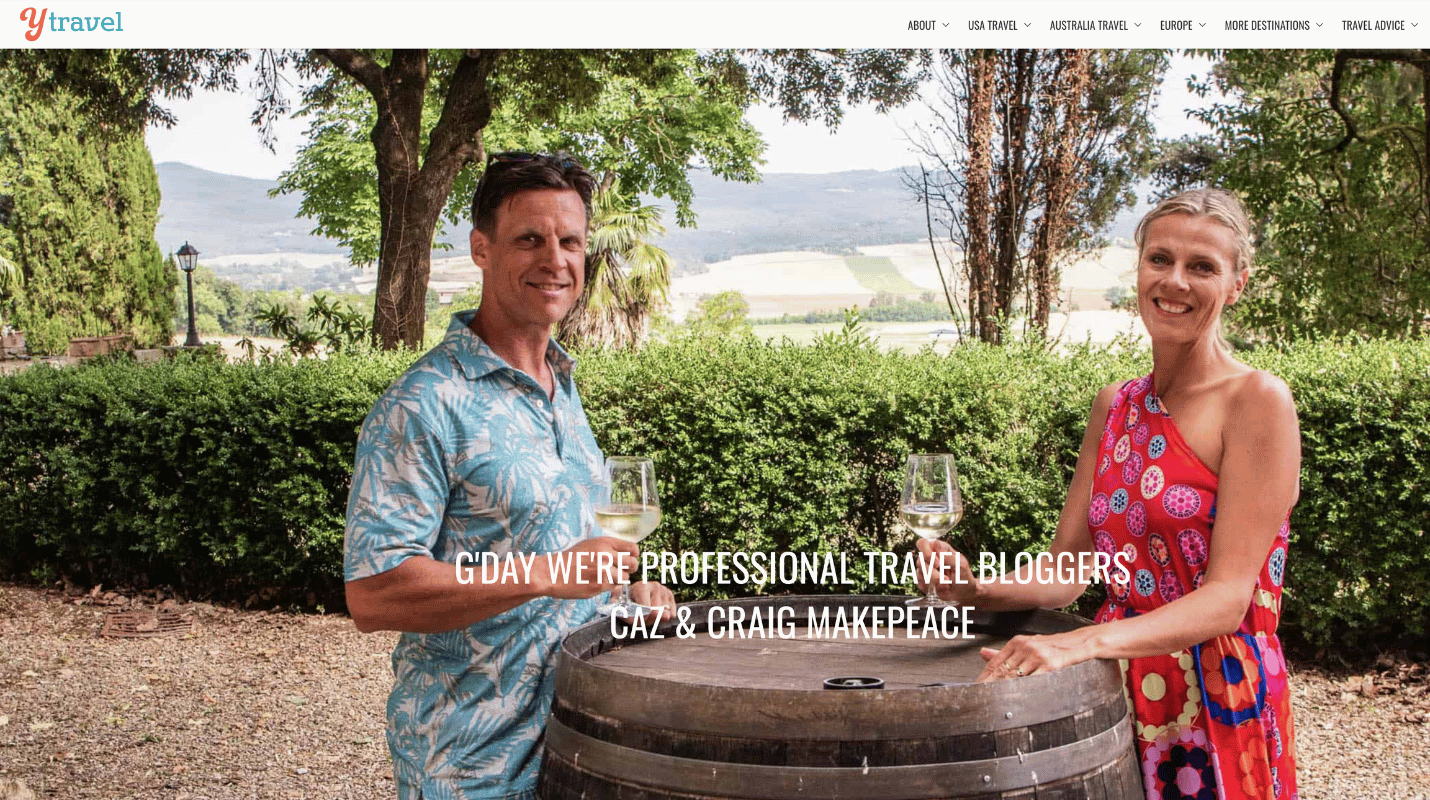
The first pillar of personalization involves visual storytelling. Caz and Craig of YTravel demonstrate how high-quality, personal photography can validate a niche. In the travel sector, generic stock photos are abundant, yet they fail to establish a personal connection. YTravel utilizes candid family snapshots and professional environmental portraits to document their journey.
This approach is supported by neuro-marketing data, which reveals that images of human faces—particularly those expressing genuine emotion—increase engagement rates by up to 38% on digital platforms. By documenting their family’s experiences in posts like "17 Tips for Flying With Kids," the creators of YTravel transition from being mere information providers to becoming relatable guides.
The Chronology of Blogging: From Journals to Brand Engines
To understand the necessity of personalization, one must examine the evolution of the medium:
- 1994–2002 (The Journal Era): Early blogs were digital diaries, inherently personal but often lacking commercial structure.
- 2003–2012 (The SEO Gold Rush): The rise of Google led to a focus on keywords. Blogs became more professional but frequently lost their individual voices in favor of "gaming" the algorithm.
- 2013–2019 (The Authority Era): Creators began building "Authority Sites." Success was measured by expertise and niche dominance.
- 2020–Present (The Creator Economy): The current landscape prioritizes the "Personal Brand." In a world of infinite content, the reader chooses the creator they relate to most.
Linguistic Branding and Polarizing Tone
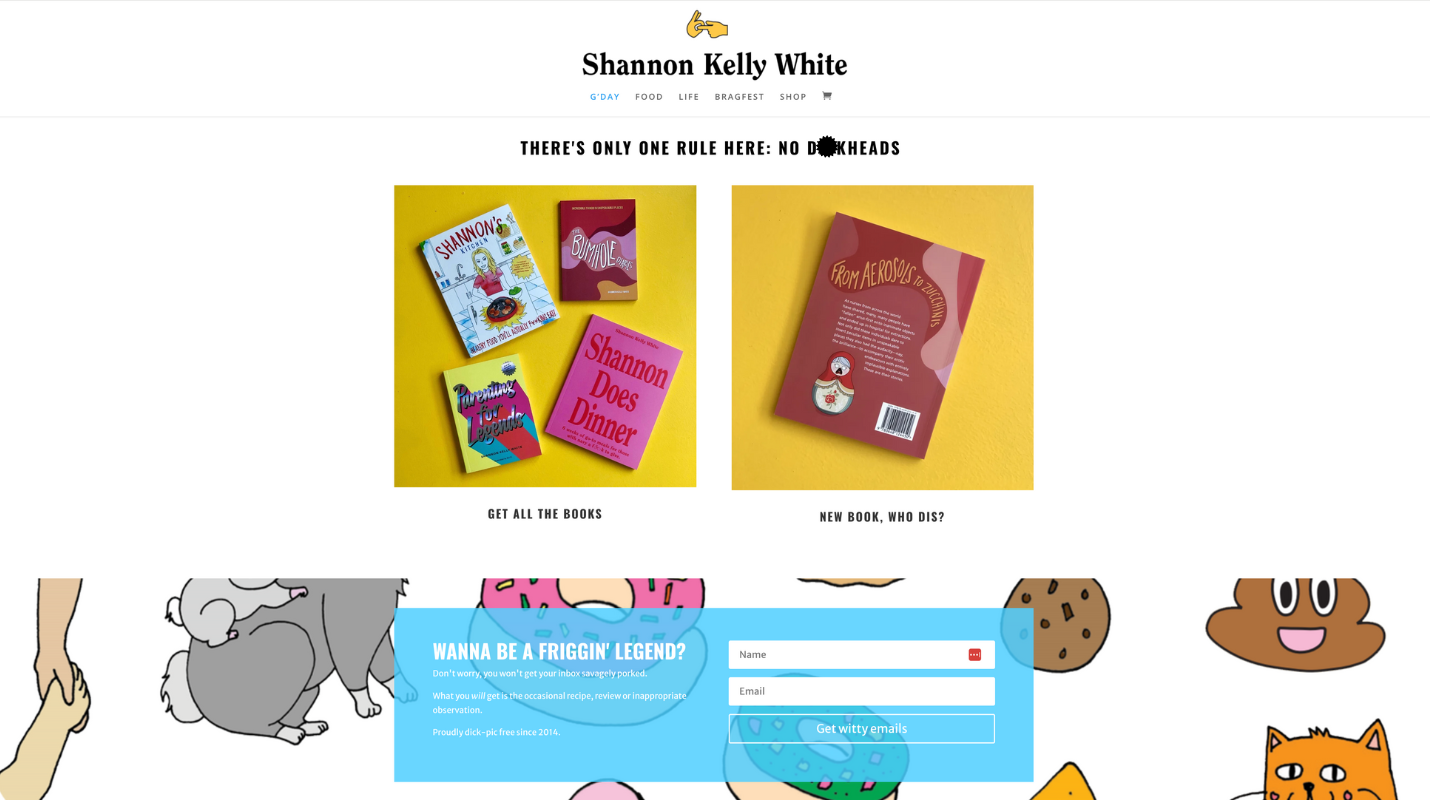
Personalization is not merely visual; it is linguistic. Shannon Kelly White exemplifies the use of a "strong, identifiable tone." By utilizing unfiltered language and a direct, often provocative communication style, White deliberately polarizes her audience. While this may alienate certain demographics, it creates a fierce sense of loyalty among her core readership.
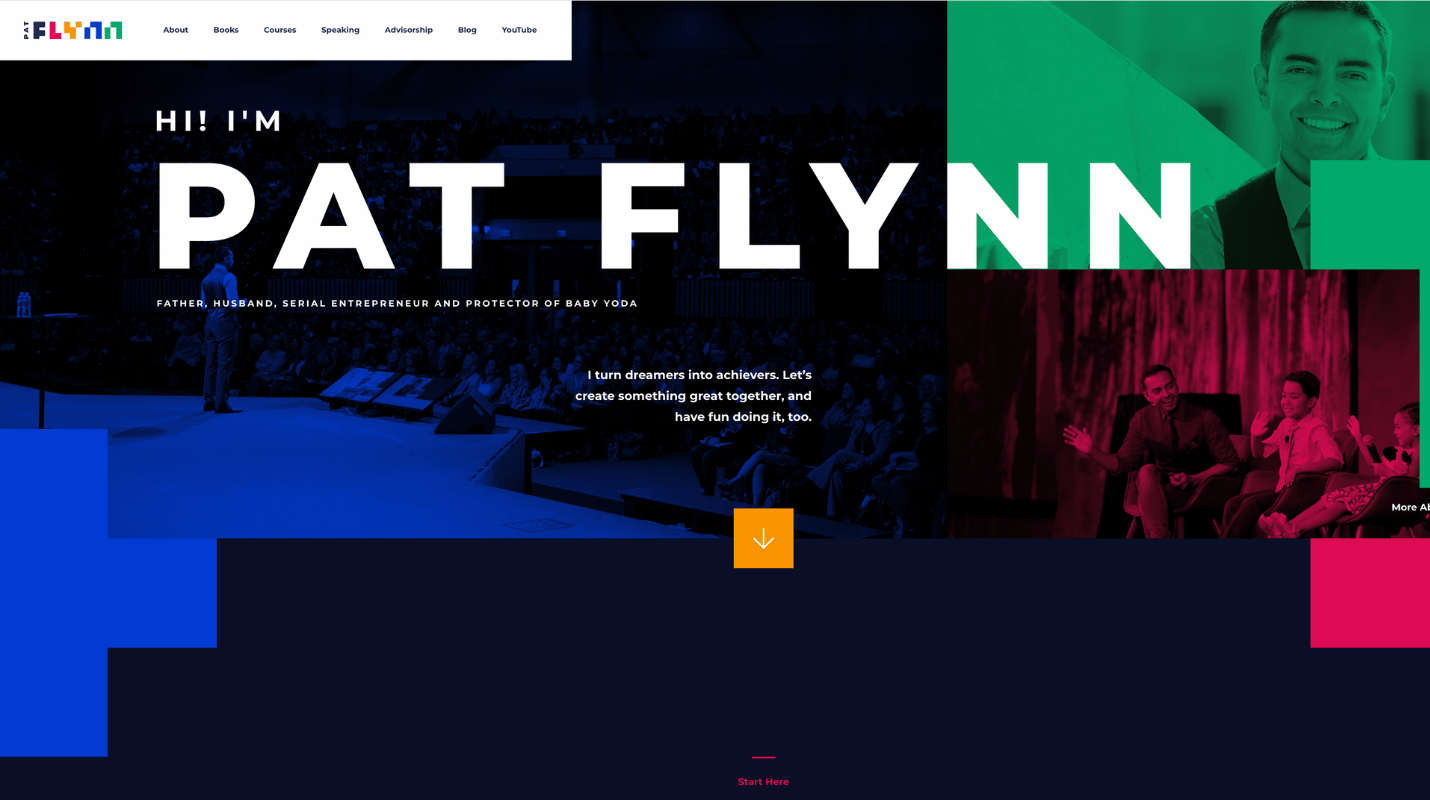
Professional analysis of community building suggests that "neutrality is the enemy of engagement." A blog that attempts to please everyone often resonates with no one. Pat Flynn of Smart Passive Income takes a different linguistic approach, blending professional business advice with quirky humor, such as referencing his affinity for "Baby Yoda." This "flair" humanizes a complex topic like affiliate marketing, making the creator appear accessible rather than institutional.
Systematizing the Visual Identity
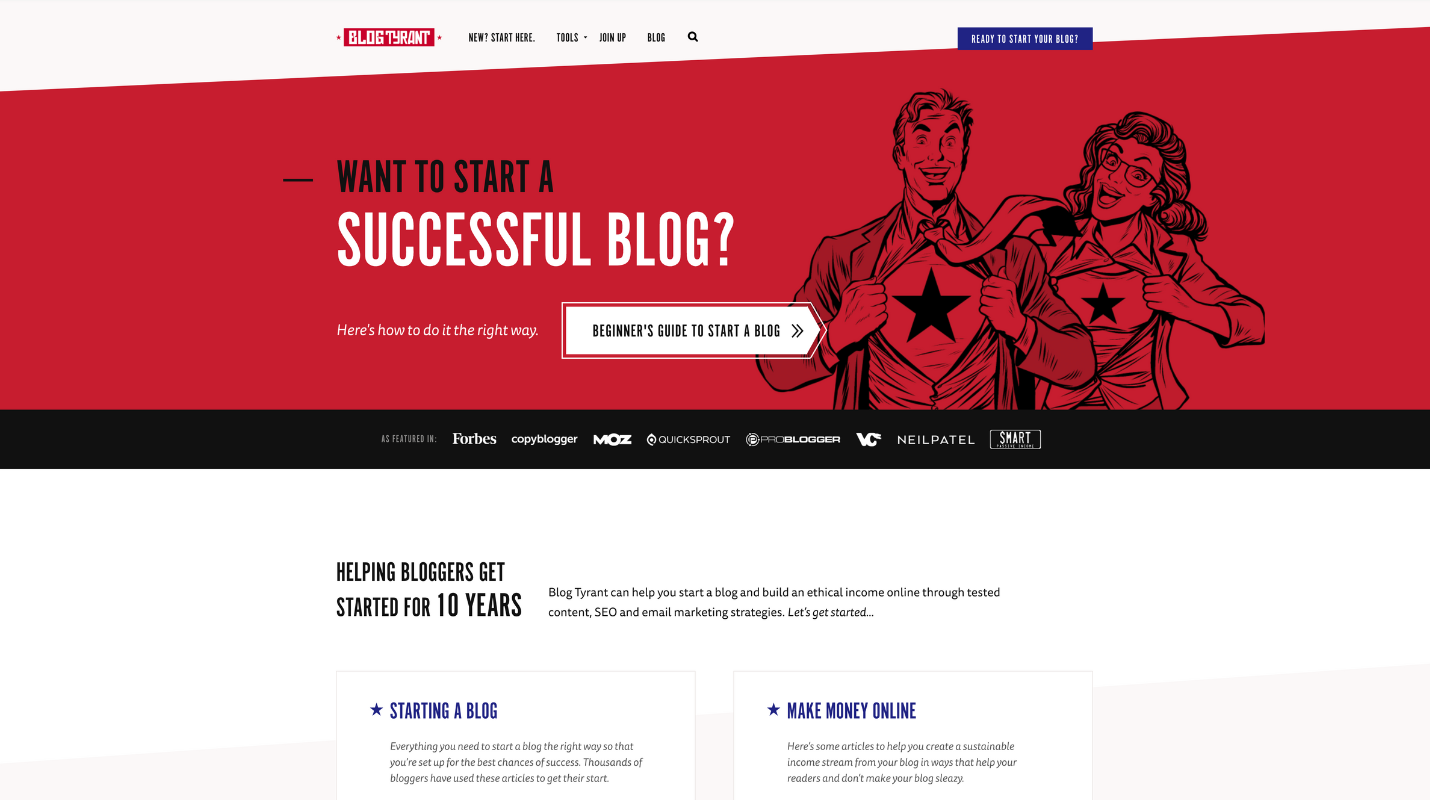
Beyond photography, custom illustrations provide a unique branding opportunity. Ramsey of Blog Tyrant utilizes a consistent superhero avatar throughout his site and lead magnets. This creates a "mascot effect," where the brand becomes instantly recognizable even in the absence of the creator’s literal face.
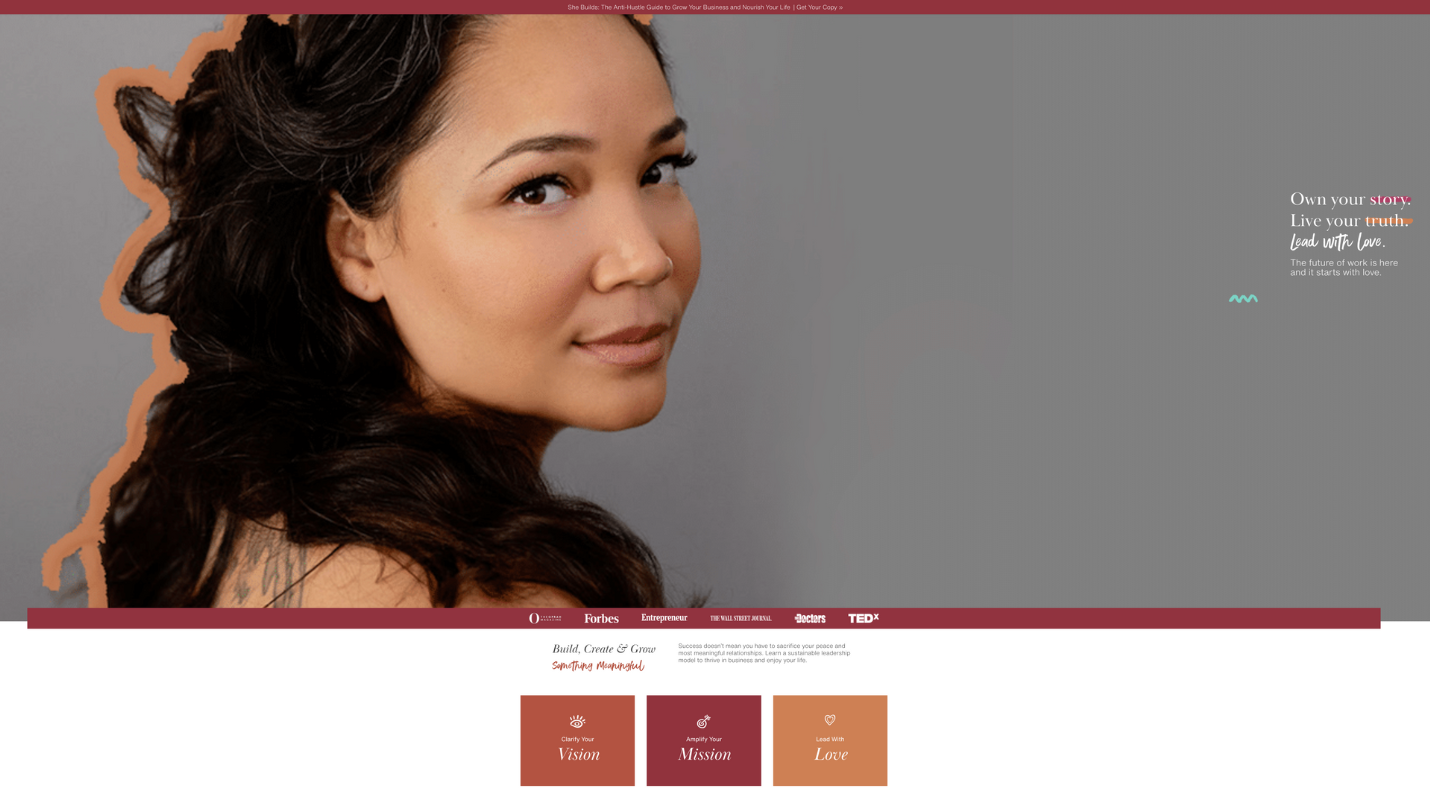
Similarly, Jadah Sellner uses a cohesive color palette to evoke specific psychological responses. Her site utilizes warm, earthy tones that align with her clothing and lifestyle imagery. This creates a "seamless brand experience," which studies suggest can increase brand recognition by up to 80%. When a visitor perceives a consistent visual theme, they subconsciously attribute a higher level of professionalism and reliability to the content.
Structural Trust and the "About Page"
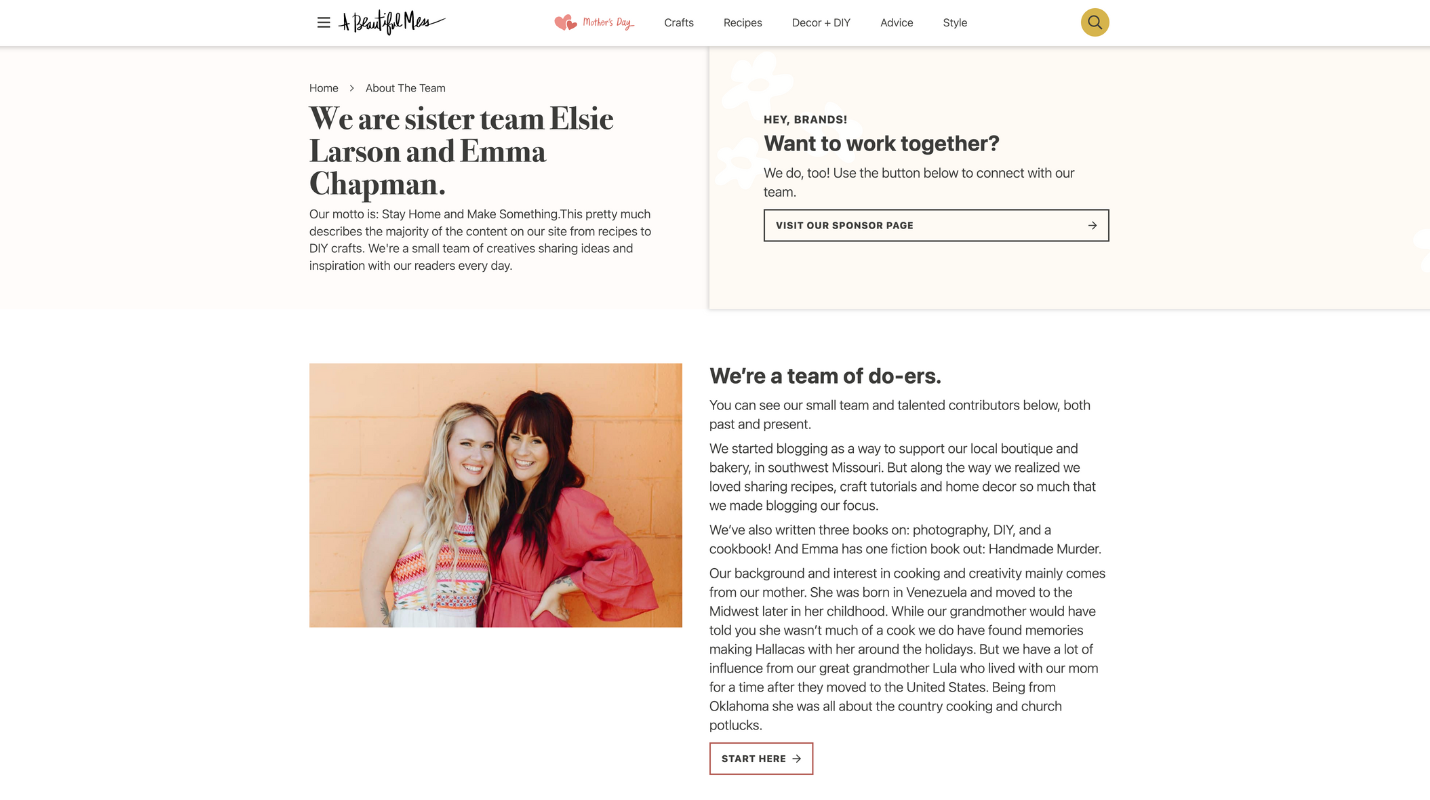
The "About Page" is frequently the second most-visited page on a successful blog. Elsie and Emma of A Beautiful Mess utilize this space to provide a quick, stylish glimpse into their lives. Their approach emphasizes that the "About" page should not be a resume, but a bridge. It serves to answer the reader’s unspoken question: "Why should I listen to you?"
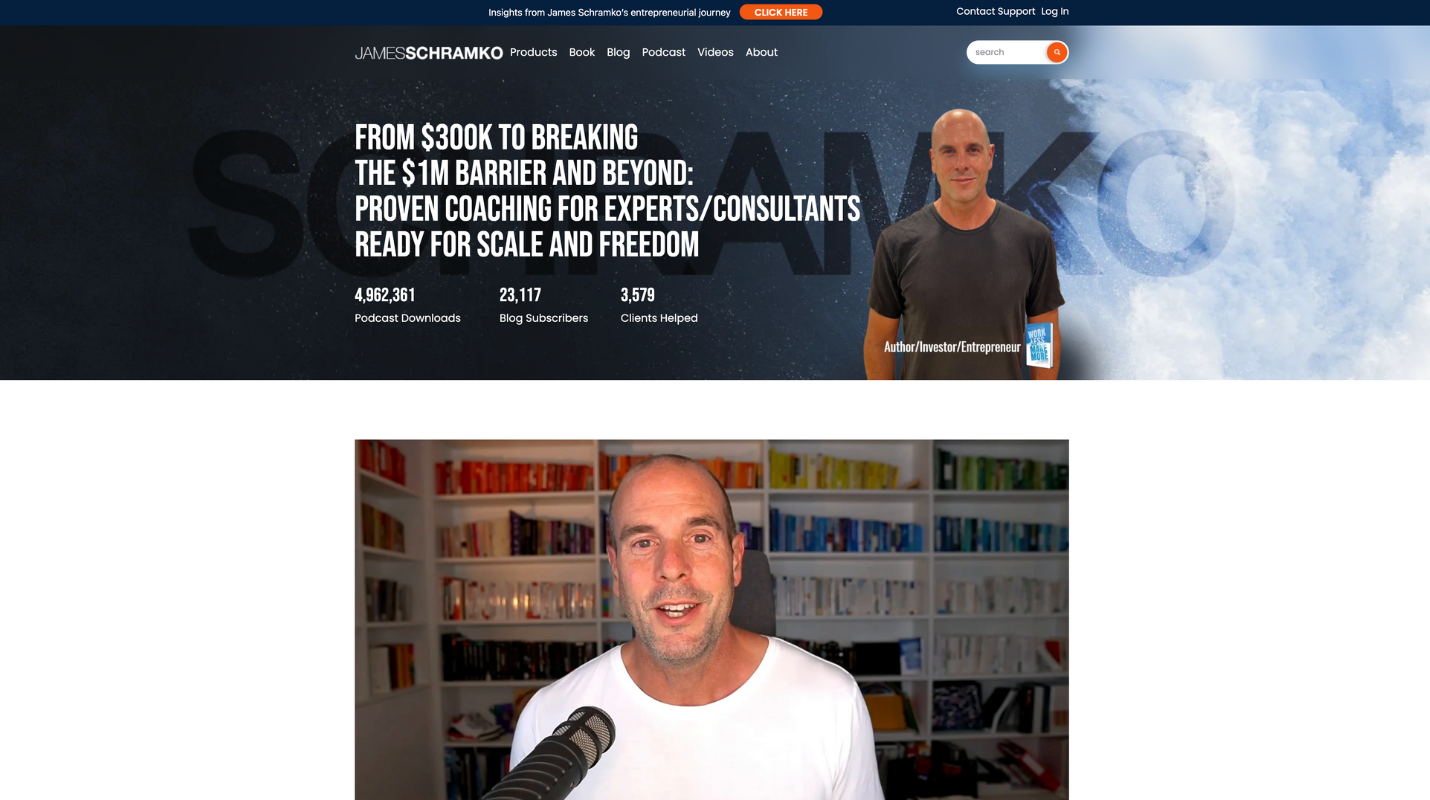
James Schramko of SuperFastBusiness complements this by using a clear "Brand Statement" immediately upon entry. By defining exactly who his services are for, he personalizes the experience for the reader. This clarity reduces bounce rates and ensures that the traffic the site attracts is high-intent and aligned with the creator’s offerings.
Cross-Platform Consistency and Reader Identification
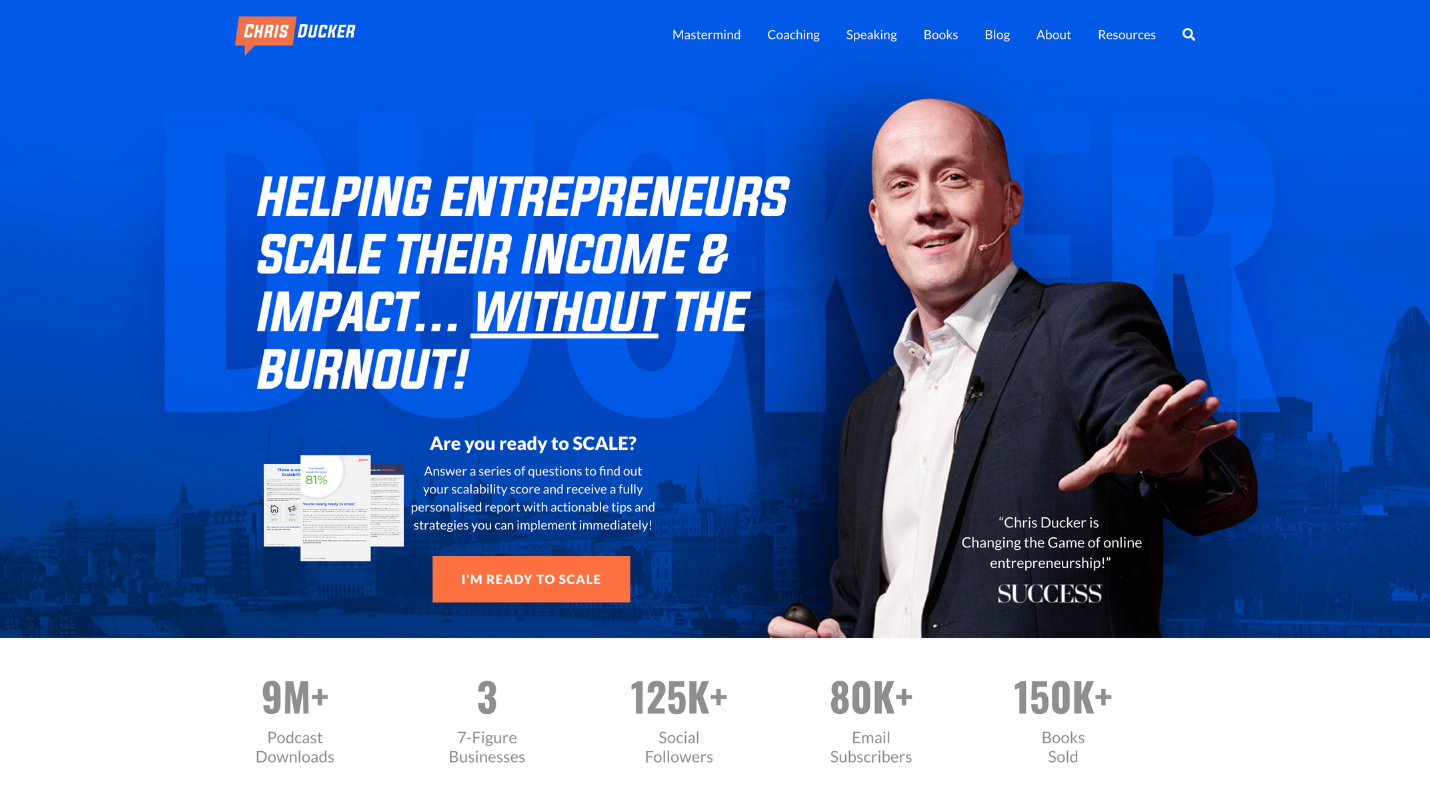
Chris Ducker, a pioneer in the "Youpreneur" movement, emphasizes the importance of consistent branding across multiple touchpoints. By using the same headshot and bio across his blog, Twitter, Facebook, and LinkedIn, he ensures a unified professional identity. This consistency is vital in the modern "omnichannel" environment, where a reader may interact with a brand across three different platforms before ever subscribing to a newsletter.
Perhaps the most sophisticated form of personalization is demonstrated by Emily of Puttylike. Rather than focusing solely on her own personality, she personalizes the reader’s experience by providing a label: the "Multipotentialite." By using a quiz as a lead magnet ("Are You a Multipotentialite?"), she helps her audience define themselves through her brand. This creates a powerful psychological bond, as the blog becomes a central part of the reader’s identity.
Supporting Data: Why Personality Drives ROI
Recent industry surveys of over 1,000 professional bloggers reveal the following:
- Retention: Blogs with a distinct "voice" have a 25% higher return-visitor rate compared to "neutral" informational sites.
- Conversion: Email opt-in forms that feature a personal photo of the creator convert at a 15% higher rate than those using generic icons or illustrations.
- Monetization: Creators who leverage a personal brand are able to charge an average of 30% more for their products or services than those operating under a corporate or "faceless" brand.
Broader Impact and Market Implications
The trend toward personalization has significant implications for the future of digital media. As AI tools become capable of producing technically perfect articles, the only remaining "unique selling proposition" for a human creator is their perspective and personality.
Industry analysts suggest that we are entering a "Post-Information Age." In this new era, information is a commodity, but curation and connection are scarce. Blogs that function as "personality-driven hubs" are better positioned to weather algorithm updates because their traffic is driven by direct brand searches rather than just organic search terms.
Expert Reactions and Future Outlook
Digital marketing strategists argue that the "personalization" of a blog is actually a form of sophisticated risk management. "If your traffic comes entirely from Google, you don’t own a business; you own a lease on a keyword," says one industry consultant. "But if your traffic comes because people want to hear your take on the news, you own an asset."
The consensus among top-tier bloggers is that the next five years will see an even greater emphasis on community-led growth. This involves not just showing personality, but facilitating a space where the creator’s personality attracts a like-minded "tribe."
Conclusion for the Modern Creator
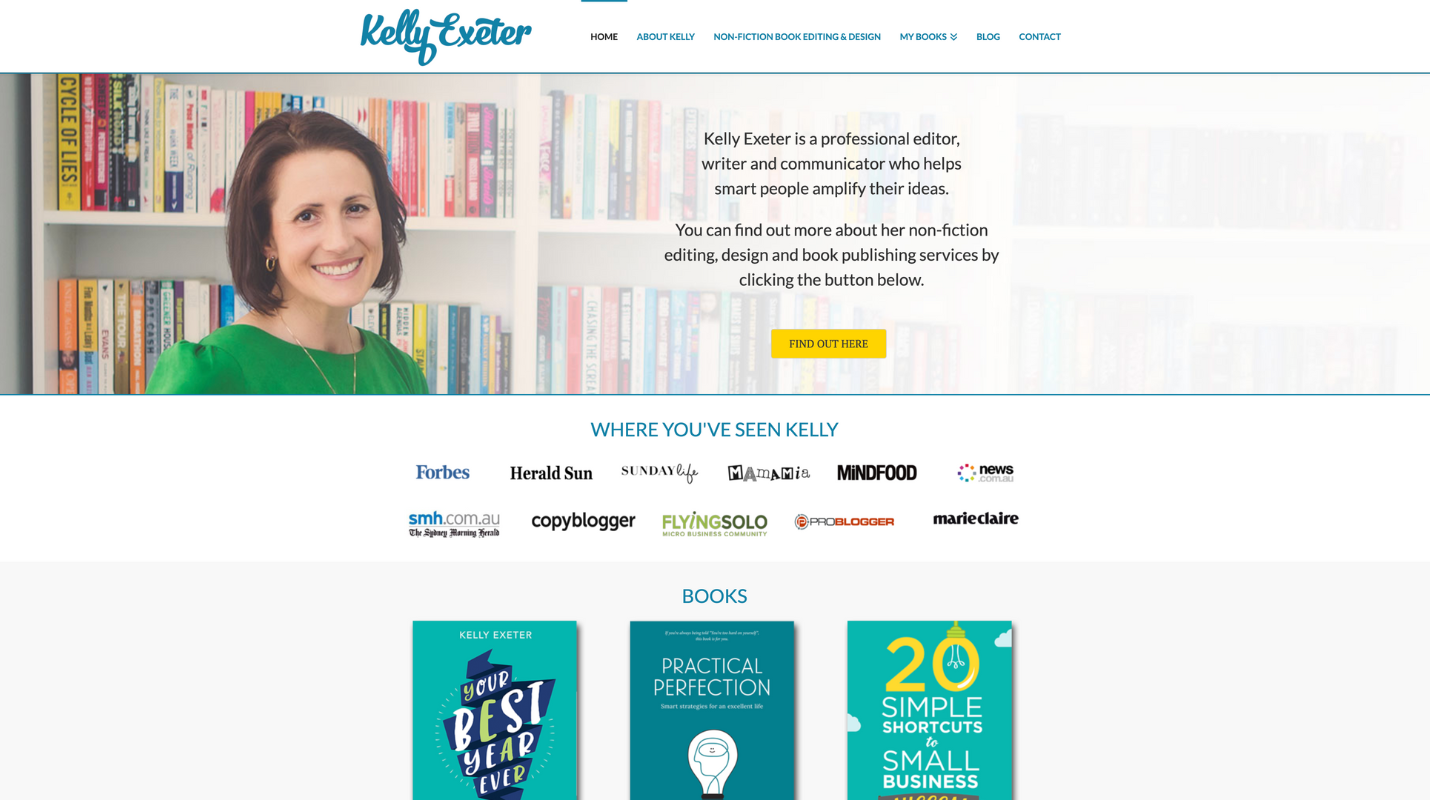
Personalizing a blog is not an act of vanity; it is a strategic requirement for survival in a competitive digital landscape. Whether through the directness of Kelly Exeter’s taglines, the visual consistency of Chris Ducker, or the audience-defining quizzes of Puttylike, the goal remains the same: to move the reader from a state of passive consumption to active connection.
As the barriers to entry for content creation continue to fall, the bloggers who stand out will be those who embrace their idiosyncrasies, document their journeys with transparency, and prioritize the human connection over the technical perfection of the post. The data is clear: the most successful blogs are those that feel less like a website and more like a conversation.