Lina Wu
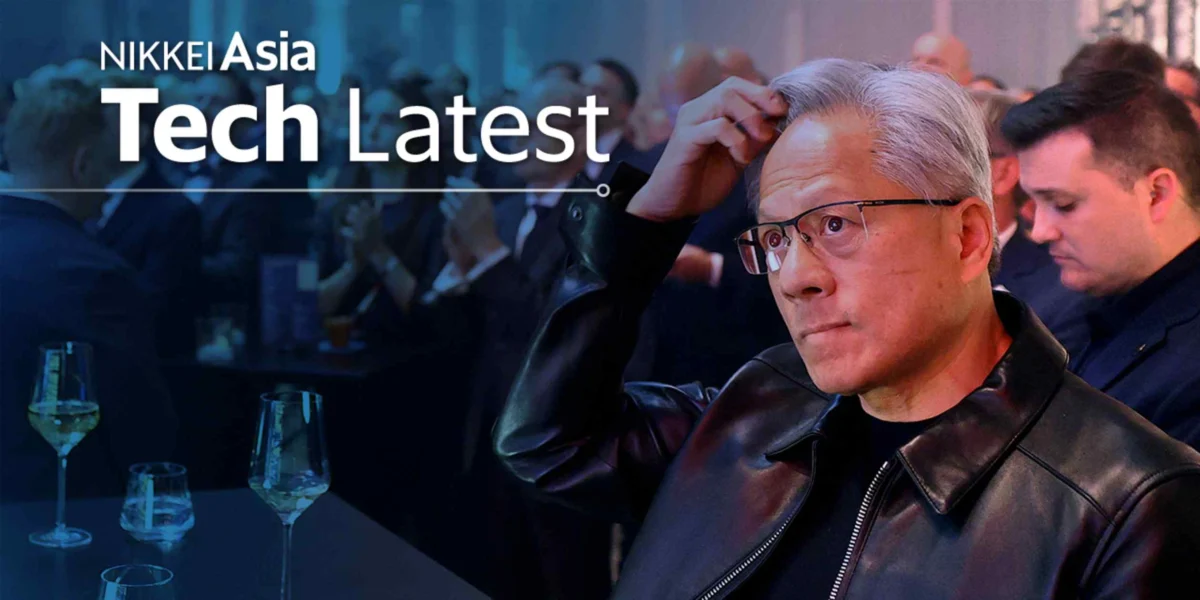
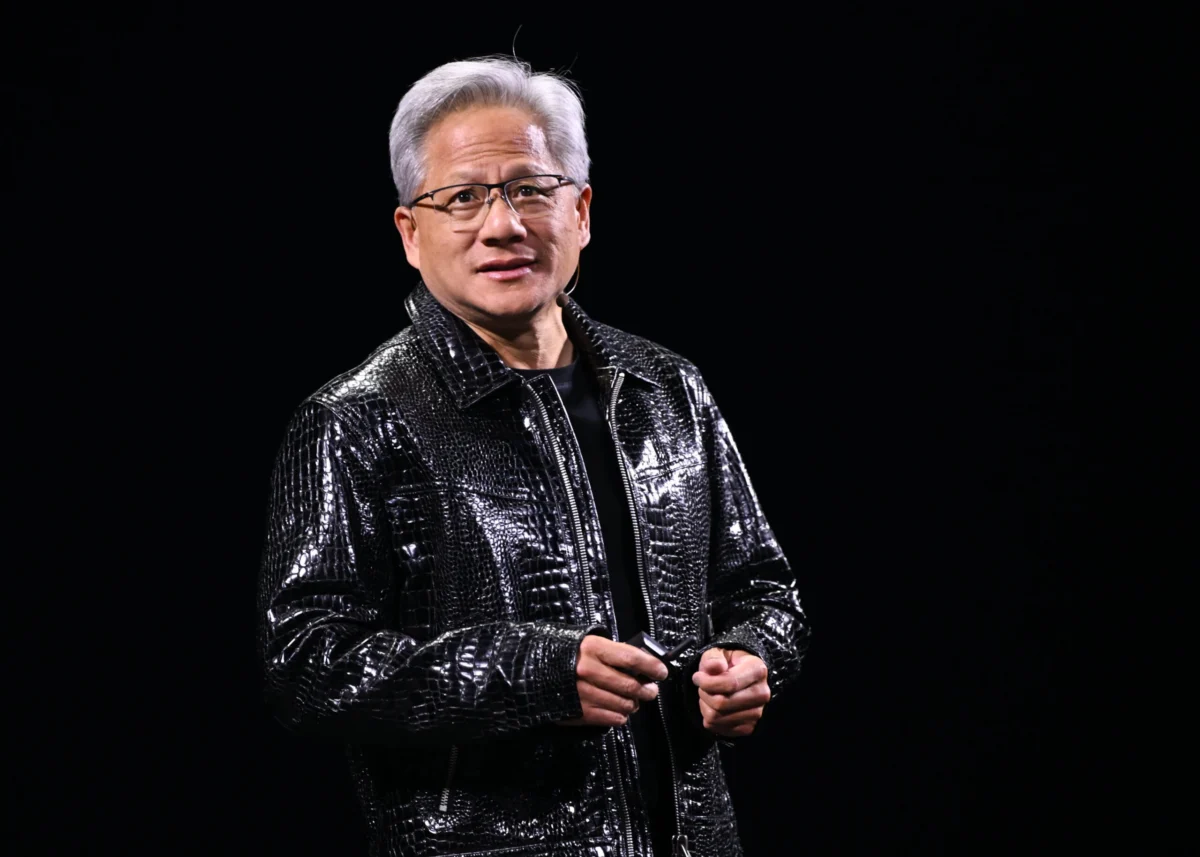
The world of high technology, often characterized by its relentless pace of innovation and cutthroat competition, has been momentarily overshadowed by personal allegations surrounding one of its most influential figures. Jensen Huang, the co-founder, president, and CEO of Nvidia, a company that has become synonymous with artificial intelligence and advanced computing, finds himself at the center of a controversy that has sent ripples through the market and raised pertinent questions about corporate governance and geopolitical sensitivities. Recent reports have linked Huang to an alleged extramarital affair, a personal matter that has, in turn, ignited concerns regarding potential espionage and national security implications, particularly concerning Nvidia’s significant business dealings with China. This development has contributed to a noticeable dip in Nvidia’s stock price, underscoring the profound impact that leadership conduct can have on a globally impactful corporation.
The Genesis of the Controversy
The crux of the matter emerged from a series of reports and subsequent discussions that brought to light allegations of an inappropriate personal relationship involving Jensen Huang. While the details of such personal matters are often kept private, the public nature of Huang’s role as the leader of a company at the forefront of technological advancement, especially in the context of global geopolitical rivalries, has amplified the scrutiny. The allegations, which have been circulating and gaining traction across various media platforms, suggest a potential breach of personal conduct that, when viewed through the lens of corporate responsibility and national security, can trigger significant concern.
Nvidia’s strategic position in the global semiconductor landscape is undeniable. The company’s cutting-edge GPUs (Graphics Processing Units) are not only essential for gaming and professional visualization but have become the bedrock of the AI revolution, powering everything from massive data centers to advanced robotics. This dominance, however, also places Nvidia in a precarious position, particularly in its interactions with countries like China, which is a significant market and a formidable competitor in the global technology race.
A Timeline of Events and Emerging Concerns
While the exact chronology of the allegations and their public disclosure is complex, the recent escalation of these concerns can be traced back to early May 2024. This period saw an increase in media coverage and public discourse surrounding Jensen Huang’s personal life and its potential intersection with his professional responsibilities.
- Early May 2024: Initial reports and online discussions begin to surface, hinting at personal improprieties involving Jensen Huang. These discussions, often originating from less formal online platforms, gain traction and begin to be picked up by more established media outlets.
- Mid-May 2024: As the allegations gain more visibility, concerns begin to crystallize around the potential implications for Nvidia, particularly its operations and market presence in China. Analysts and commentators start to draw connections between Huang’s personal life and the broader geopolitical landscape, especially the ongoing trade tensions and national security debates between the United States and China.
- Late May 2024: The narrative shifts from purely personal allegations to the potential for espionage and security risks. The core of this concern stems from the fact that Nvidia’s high-performance chips are critical for advanced computing, including applications that have national security implications. The possibility of sensitive information being compromised through personal relationships becomes a central theme in the discourse.
- Early June 2024: The market begins to react. Nvidia’s stock price experiences a notable decline, reflecting investor unease and a reassessment of the company’s risk profile. Media outlets, including those with a focus on business and technology, begin to publish more in-depth analyses of the situation.
Supporting Data and Nvidia’s Market Position
To understand the gravity of these developments, it is crucial to consider Nvidia’s dominant market position and its financial performance, which underscore why any instability at the leadership level is so impactful.
- Market Dominance: Nvidia holds an estimated 80-90% share of the AI chip market, a segment that is experiencing exponential growth. The company’s H100 and A100 GPUs are the de facto standard for training and deploying complex AI models.
- Financial Performance: Prior to this controversy, Nvidia had experienced a meteoric rise in its stock value, driven by the insatiable demand for its AI chips. In early 2024, the company’s market capitalization surged past $2 trillion, making it one of the most valuable companies in the world. This valuation reflects immense investor confidence in its technology and leadership.
- China Exposure: China represents a significant market for Nvidia, both for its consumer products and its data center solutions. While the U.S. government has imposed restrictions on the export of advanced AI chips to China, Nvidia has actively sought to develop compliant products for the Chinese market, such as the L20 and L10 GPUs, which offer reduced performance to meet export control regulations. However, the sheer scale of China’s technological ambitions means that any disruption in Nvidia’s relationship with the country could have substantial financial ramifications.
The dip in Nvidia’s stock, while potentially temporary, signals investor concern about the leadership’s stability and the potential for increased regulatory scrutiny or market access challenges, especially in relation to China.
Geopolitical Context: The U.S.-China Tech Rivalry
The controversy surrounding Jensen Huang cannot be divorced from the broader geopolitical context of the escalating technological rivalry between the United States and China. Both nations are vying for dominance in critical technologies, including artificial intelligence, semiconductors, and advanced computing.
- Export Controls: The U.S. government has implemented increasingly stringent export controls aimed at limiting China’s access to advanced semiconductor technology, particularly AI chips that could be used for military or surveillance purposes. These controls have forced companies like Nvidia to re-evaluate their supply chains and product strategies for the Chinese market.
- National Security Concerns: In the United States, there is a pervasive concern about Chinese espionage and the potential for foreign governments to gain access to sensitive technologies or intellectual property. Any suggestion of a compromise in the leadership of a company like Nvidia, which is central to U.S. technological superiority, is therefore viewed with extreme seriousness.
- Industrial Policy: Both the U.S. and China are actively pursuing industrial policies to bolster their domestic semiconductor industries. This includes significant government investment and efforts to attract and retain top talent. The competition for innovation and talent is fierce, and any scandal involving a key figure can have broader implications for talent acquisition and retention.
Potential Implications and Official Responses
The fallout from these allegations extends beyond Nvidia’s stock price and touches upon broader issues of corporate governance and national security.
- Corporate Governance: The allegations raise questions about the effectiveness of corporate governance mechanisms within Nvidia. While personal conduct is distinct from professional performance, in the case of a CEO of a strategically vital company, the line can become blurred. Investors and regulators will likely scrutinize how Nvidia’s board of directors is addressing these concerns and ensuring that the company’s operations and reputation are protected.
- Impact on China Operations: If the allegations lead to increased scrutiny or sanctions from the U.S. government, it could severely impact Nvidia’s ability to conduct business in China. This would not only affect Nvidia’s revenue but also potentially slow down China’s AI development, with cascading effects on the global AI landscape.
- Competitor Advantage: Competitors of Nvidia, such as AMD and Intel, could potentially benefit from any instability or reputational damage suffered by Nvidia. However, given Nvidia’s technological lead, such gains would likely be incremental in the short term.
- Official Reactions (Inferred): While no direct official statements from U.S. government agencies specifically addressing the personal allegations against Jensen Huang have been widely publicized, the context of existing national security reviews and export control enforcement suggests a heightened level of awareness and potential for increased oversight. It is plausible that relevant U.S. intelligence and national security bodies would be monitoring the situation closely, given Nvidia’s critical role in national defense and technological competitiveness. Similarly, Chinese authorities would likely be reviewing the implications for their own technological ambitions and the stability of their supply chains.
Analysis and Broader Impact
The situation with Jensen Huang and Nvidia serves as a stark reminder of the intricate interplay between personal conduct, corporate leadership, and global geopolitics in the 21st century. In an era where technology is a primary driver of economic power and national security, the actions and perceived integrity of leaders at the helm of key technology companies are subject to unprecedented scrutiny.
The market’s reaction, though often volatile, reflects a fundamental concern about risk. Investors are not just betting on technological innovation; they are also betting on stable and reputable leadership. The allegations, even if unproven, introduce an element of uncertainty that can erode investor confidence.
Furthermore, the controversy highlights the challenges faced by multinational technology companies operating in a complex geopolitical environment. Balancing market opportunities with national security imperatives and adhering to evolving regulatory frameworks requires sophisticated strategic navigation. For Nvidia, this situation underscores the need for robust internal controls, transparent communication, and a clear strategy for managing reputational risks.
As the situation continues to unfold, the focus will remain on how Nvidia’s board and leadership team navigate these challenges. The company’s ability to maintain investor confidence, uphold its technological edge, and adapt to the evolving geopolitical landscape will be critical to its continued success. The personal allegations against Jensen Huang, while deeply private, have inadvertently become a focal point for broader discussions about the responsibilities and vulnerabilities of global tech giants in an increasingly interconnected and contested world.
The Tech Latest podcast, in its regular Tuesday broadcasts, aims to dissect such critical developments. This special episode, hosted by U.S. host Katey Creel and Silicon Valley correspondent Yifan Yu, delves into the nuances of this unfolding story, exploring its potential ramifications for Nvidia, the semiconductor industry, and the future of technological innovation. Listeners can find the podcast on Apple Podcasts, Spotify, YouTube, YouTube Music, Amazon Music, and Voicy. For further insights, readers are encouraged to register for the weekly #techAsia newsletter.