Farhan Pambudi
The tech industry’s focus shifts to Boston this week as the TechCrunch Founder Summit 2026, presented by Fidelity Private Shares, prepares to welcome a diverse cohort of entrepreneurs, venture capitalists, and industry experts. Scheduled for November 4 at the historic SoWa Power Station, the event serves as a high-stakes gathering designed to facilitate the exchange of tactical knowledge and the formation of strategic partnerships. As the global startup ecosystem navigates a complex landscape of fluctuating interest rates, rapid artificial intelligence integration, and a tightening regulatory environment, the summit aims to provide a platform for the practical problem-solving required to build the next generation of market-leading companies.
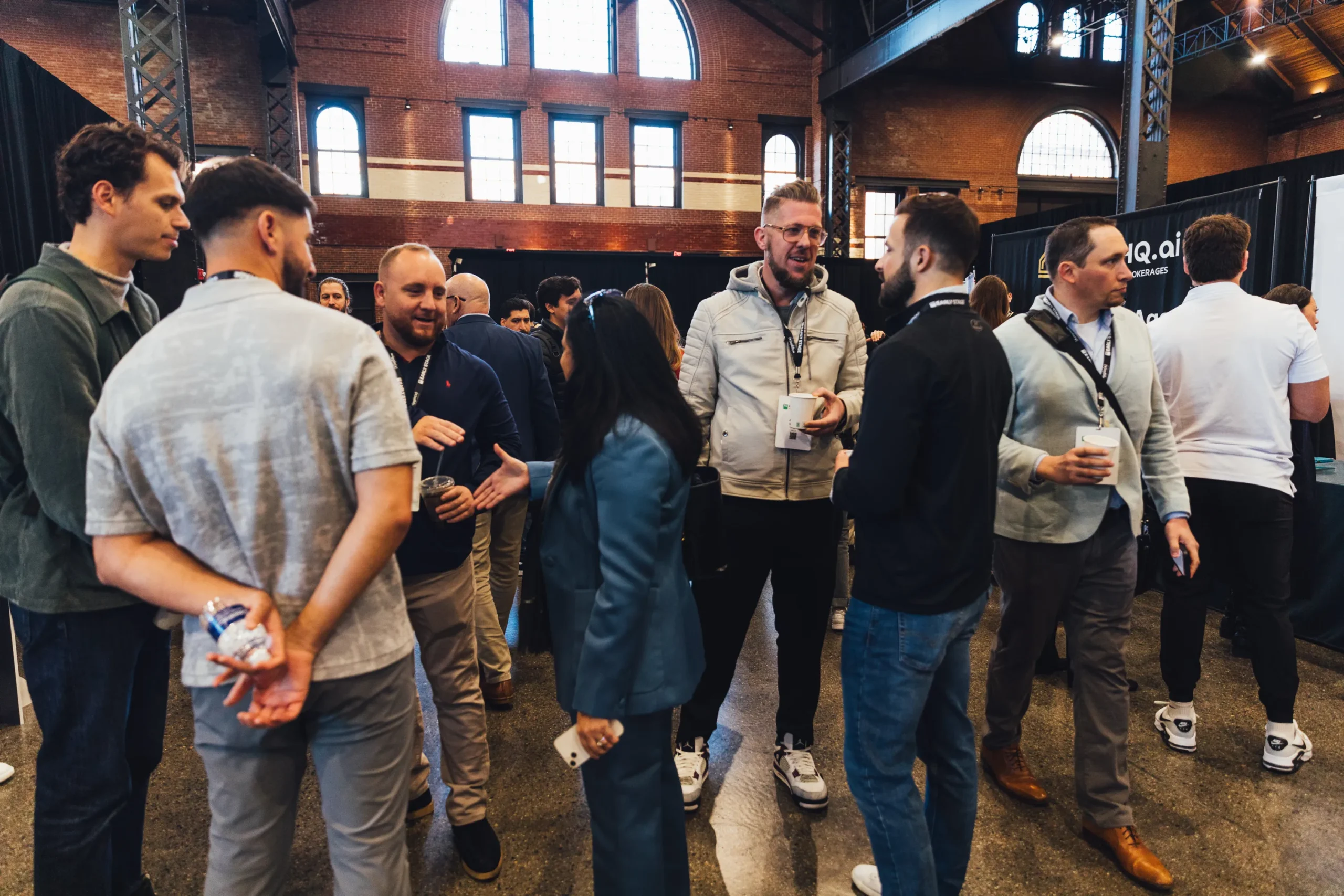
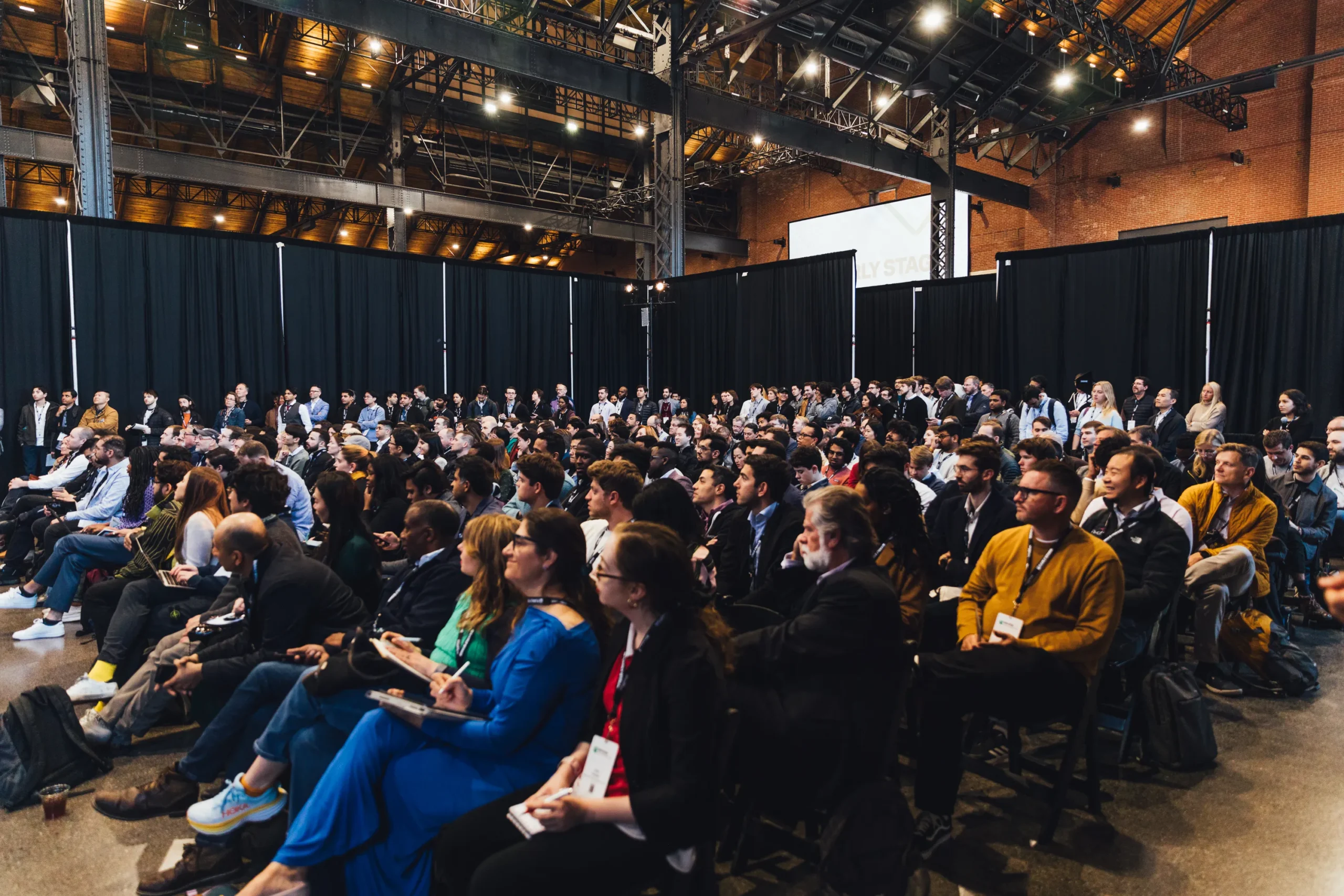
The choice of Boston as the host city underscores the region’s enduring status as a primary hub for technological innovation and academic excellence. With the SoWa Power Station providing a cavernous, industrial backdrop that reflects the "building" theme of the event, the summit is expected to draw attendees from across the United States and international tech corridors. Doors are scheduled to open at 9:00 a.m. ET, initiating a day-long itinerary packed with intensive sessions, live competitions, and curated networking opportunities.
Historical Context and the Evolution of the Founder Summit
The TechCrunch Founder Summit has evolved from a niche gathering into a cornerstone event for the early-to-mid-stage startup community. Historically, TechCrunch events have served as the launching pad for some of the most influential companies in the digital economy. While TechCrunch Disrupt remains the flagship for massive-scale product launches and global competition, the Founder Summit is characterized by its intimate, practitioner-focused approach.
The 2026 iteration comes at a pivotal moment for the venture capital industry. Following the "funding winter" of previous years, the market has transitioned into a period of "selective growth," where investors prioritize sustainable unit economics and clear paths to profitability over raw user acquisition. This shift has created a vacuum of information regarding how founders should navigate the "Series B gap" and manage capitalization tables in an era of increased scrutiny. The partnership with Fidelity Private Shares is particularly relevant in this context, as the management of private equity and equity compensation has become a critical administrative hurdle for scaling firms.

Chronology of the Summit: A Structured Approach to Innovation
The summit’s agenda is meticulously organized to mirror the lifecycle of a growing company. The day begins with a focus on the fundamental "Build" phase before transitioning into broader "Impact" and "Scale" discussions.
Morning Sessions: The Fundamentals of Construction
Starting at 9:00 a.m., the Build Stage will host a series of tactical workshops. These sessions are designed to answer the most pressing questions founders face during their first 1,000 days. Key topics include the nuances of modern fundraising in a high-interest-rate environment, the optimization of distribution channels in a fragmented digital landscape, and the complexities of building a cohesive team in a hybrid-work world. Experts from leading venture firms and successful "second-time" founders will lead these discussions, offering raw data and case studies rather than high-level platitudes.
Midday: Strategic Scaling and Enterprise Integration
As the day progresses, the focus moves to the Impact Stage. Here, the dialogue shifts from survival to expansion. Sessions will cover the transition to product-market fit at scale, the intricacies of establishing and maintaining enterprise relationships, and the long-term growth strategies required to prepare for institutional investment or an initial public offering (IPO). This track is specifically curated for founders who have secured initial traction and are now facing the "chaos of growth"—the period where organizational culture and technical debt often collide.
Afternoon: The Live Pitch Competition and Real-Time Evaluation
A highlight of the summit is the live pitch competition, where a selected group of founders will present their business models to a panel of seasoned investors. Unlike televised versions of such competitions, the Founder Summit pitch event emphasizes rigorous due diligence and constructive feedback. It provides the audience with a "peek behind the curtain" of how venture capitalists evaluate risk, intellectual property, and founder resilience in real-time.
Evening: Networking and the Braindate Ecosystem
The formal sessions conclude with a closing reception, but the networking component of the event is facilitated throughout the day by the Braindate app. This technology allows attendees to bypass traditional small talk in favor of structured "knowledge shares." Users can post specific problems they are facing—such as "navigating AI compliance in the EU" or "optimizing SaaS churn"—and invite others for 1:1 or small-group discussions.

Supporting Data: The Current State of the Venture Ecosystem
The necessity of the Founder Summit is supported by recent data regarding the startup failure rate and the shifting criteria for venture funding. According to industry reports from early 2026, while seed-stage funding has remained relatively resilient, the bridge to Series A and B has become significantly narrower.
- Funding Velocity: The average time between a Seed round and a Series A has increased from 18 months in 2022 to approximately 26 months in late 2025. This requires founders to be more capital-efficient than ever before.
- Valuation Realism: Post-money valuations for Series A companies have stabilized, showing a 15% correction from the highs of the early 2020s, signaling a return to fundamentals.
- Regional Concentration: Boston continues to capture roughly 10-12% of total U.S. venture capital investment, particularly in deep tech, biotech, and robotics, making it an ideal venue for a summit focused on "hard" scaling problems.
The Founder Summit addresses these data points by providing direct access to the individuals who control the capital and the experts who have navigated these specific market contractions.
Official Perspectives and Industry Reactions
While official statements from individual speakers are typically reserved for the stage, the consensus among the summit’s organizers and sponsors reflects a commitment to "radical transparency."
Representatives from Fidelity Private Shares have noted that the primary challenge for modern founders is not just raising capital, but managing it. "The administrative burden of a growing startup can be a silent killer of innovation," one analyst noted in a pre-summit briefing. "Events like this are essential because they combine the ‘why’ of innovation with the ‘how’ of execution."
Founders who attended previous summits have frequently cited the "peer-to-peer" learning as the most valuable takeaway. The ability to speak with a fellow founder who has successfully navigated a down-round or a pivot provides a level of psychological and professional support that is difficult to find in virtual environments.

Broader Impact and Implications for the Tech Sector
The TechCrunch Founder Summit 2026 is more than a networking event; it is a barometer for the health of the entrepreneurial spirit. In an era where "virtual-first" became the norm, the return to high-intensity, in-person summits indicates a recognition that complex trust-building and strategic brainstorming are best achieved through face-to-face interaction.
The implications of the summit extend beyond the individual attendees. The ideas generated and the partnerships formed in Boston will likely influence the trajectory of several key sectors:
- AI Governance: With several sessions focused on the ethical and practical implementation of AI, the summit will contribute to the industry’s self-regulation standards.
- Equity Democratization: By emphasizing equity management and private shares, the summit promotes a more sophisticated understanding of how wealth is distributed within the startup ecosystem.
- Resilience Training: By focusing on "what comes next" and "building through the noise," the event fosters a culture of resilience that is essential for long-term economic stability.
As the doors open tomorrow at the SoWa Power Station, the tech community will be watching closely. The lessons learned in Boston will likely resonate through the boardroom meetings and product sprints of the coming year, as founders take the insights gained from the summit and apply them to the rigorous task of building the future. For those in the trenches of the startup world, the Founder Summit represents a rare opportunity to pause, reflect, and recalibrate before the next phase of the journey.