Lina Wu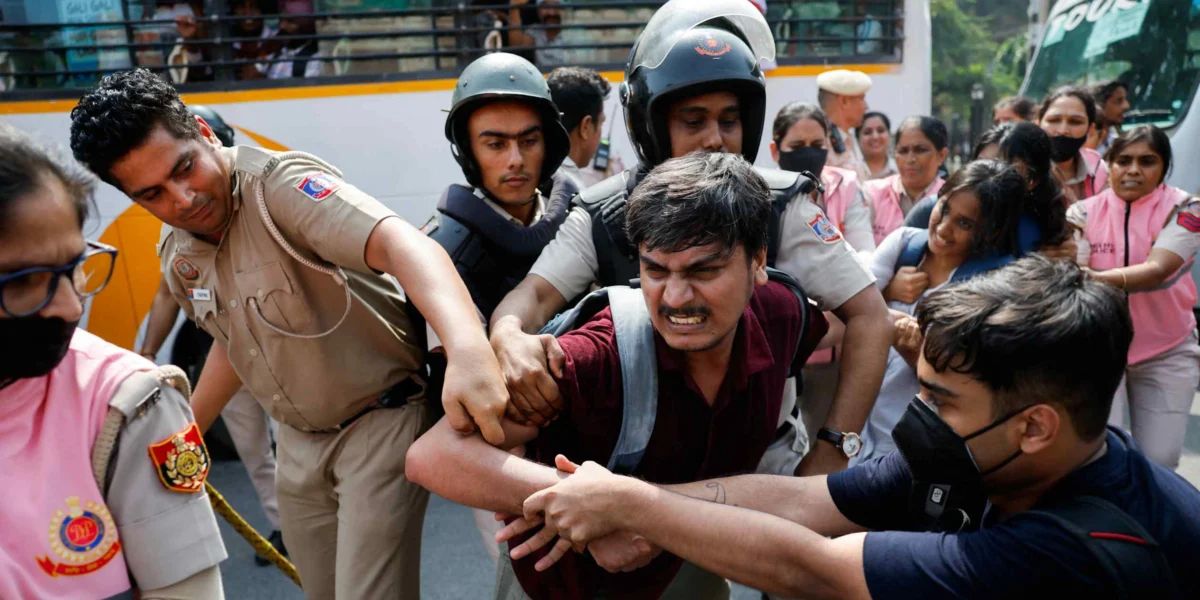
NEW DELHI — India’s burgeoning Gen Z demographic, long observed with a mix of anticipation and uncertainty regarding their political engagement, has demonstrated a potent and potentially transformative commitment to activism following a recent, forceful police intervention during a protest in the nation’s capital. The crackdown, which saw security personnel interdicting members of the self-styled "Cockroach Janta Party" as they demanded the resignation of Gyanesh Kumar, India’s chief election commissioner, appears to have galvanized, rather than intimidated, these young citizens. Their resolve to challenge what they perceive as governmental overreach and the erosion of fundamental constitutional rights, including the right to vote and freedom of expression, has been visibly strengthened, signaling a potential paradigm shift in how India’s youth interact with the political landscape.
The incident, which occurred recently in New Delhi, brought to the forefront the growing political consciousness of India’s younger generation. The Cockroach Janta Party, a name that itself suggests a spirit of defiance and resilience, was protesting alleged irregularities and a perceived bias in electoral processes, demanding accountability from the highest echelons of the Election Commission of India. The image of security personnel confronting young protesters, some of whom are shown in accompanying visuals in a state of physical restraint, has resonated widely, sparking discussions about the methods employed by law enforcement and the broader implications for democratic dissent.
Genesis of the Protest: Electoral Concerns and Youth Disenchantment
The immediate catalyst for the protest was the escalating dissatisfaction among a segment of the youth with the perceived fairness and transparency of India’s electoral machinery. While specific allegations leveled by the Cockroach Janta Party are yet to be fully detailed in public discourse, their demand for the resignation of the chief election commissioner points towards deep-seated concerns about the integrity of the electoral process. India, as the world’s largest democracy, places immense trust in its Election Commission to conduct free and fair elections, a cornerstone of its democratic fabric. However, in recent years, various civil society groups and opposition parties have voiced concerns regarding the independence and impartiality of the commission, particularly in the context of high-stakes national and state elections.
For Gen Z, a generation that has grown up in an increasingly digital age, with access to information and global perspectives, these concerns about democratic fundamentals are amplified. They are acutely aware of the power of their vote and the importance of a robust electoral system. Their engagement is not merely about policy pronouncements; it is increasingly about the foundational principles of governance. The protests, therefore, are not isolated incidents but rather symptomatic of a broader trend of youth seeking to assert their voice and hold institutions accountable.
A Chronology of Escalating Youth Activism
While the recent crackdown is a pivotal moment, it is important to contextualize it within a broader timeline of increasing youth engagement in Indian politics.
- Early 2020s: The Citizenship Amendment Act (CAA) protests saw a significant mobilization of young people across India, highlighting their willingness to engage in street-level activism on issues of national importance. These protests, while focused on a specific piece of legislation, demonstrated a nascent organizational capacity and a willingness to challenge government policies.
- Post-2020: The COVID-19 pandemic, while limiting physical gatherings, did not dampen the spirit of online activism. Social media platforms became crucial spaces for disseminating information, organizing discussions, and raising awareness on a range of socio-political issues.
- Ongoing Electoral Cycles: Leading up to and during recent general and state elections, there has been a palpable increase in youth-led initiatives focused on voter registration drives, political education campaigns, and calls for greater youth representation in political parties.
- Recent Weeks: The specific protest leading to the police action, organized by the Cockroach Janta Party, marks a more direct confrontation with electoral authorities, escalating the stakes of youth activism from policy critique to demands for institutional change. The subsequent police response has, according to protesters and observers, inadvertently amplified their message and attracted wider attention.
This progression indicates a growing maturity and strategic evolution in how Indian youth are approaching political participation, moving from awareness to direct action and demands for accountability.
Supporting Data: The Demographic Dividend and the Digital Native
India’s Gen Z, born roughly between the late 1990s and early 2010s, represents a significant demographic force. They are the most educated generation in India’s history, with a substantial proportion having access to higher education and digital literacy.
- Voter Demographics: According to recent analyses of voter rolls, individuals in the 18-25 age bracket constitute a substantial percentage of the electorate. While their voting turnout has historically been lower than older demographics, there is a growing trend of increased participation and political awareness. For instance, data from the Election Commission of India has shown a steady rise in new voters in this age group over the past two electoral cycles.
- Digital Penetration: India has the second-largest internet user base globally, with a significant portion of these users being young. Social media platforms like X (formerly Twitter), Instagram, and YouTube are not just sources of entertainment but also crucial conduits for political discourse, news consumption, and mobilization. Surveys consistently indicate that a majority of young Indians rely on these platforms for political information.
- Socio-Economic Aspirations: This generation is entering the workforce and adult life with aspirations for economic opportunity, social justice, and environmental sustainability. When they perceive these aspirations to be under threat due to perceived governance failures or undemocratic practices, their engagement becomes more impassioned.
The combination of their sheer numbers, their educational attainment, their digital fluency, and their clear aspirations positions Gen Z as a powerful force capable of influencing electoral outcomes and shaping policy agendas if effectively mobilized and engaged.
Official Responses and Reactions: A Divided Landscape
The response from official quarters to the recent protest and the broader trend of youth activism has been varied, reflecting the complex political dynamics in India.
- Law Enforcement: The police action itself, as depicted in the accompanying image, represents a direct response from state authorities. Law enforcement agencies typically cite maintaining public order and preventing disruption as justifications for such interventions. However, the effectiveness and proportionality of these actions in the context of peaceful protests are often subject to intense scrutiny and criticism from human rights organizations and civil society.
- Election Commission: As the target of the protest, the Election Commission of India has a crucial role to play. While specific statements from Gyanesh Kumar regarding this particular protest are not detailed, the commission generally defends its impartiality and adherence to constitutional mandates. Publicly, they often emphasize their commitment to conducting free and fair elections and may issue clarifications or rebuttals to allegations of bias. However, the demand for a resignation suggests that these general assurances may not be sufficient for the aggrieved parties.
- Government Spokespersons: Government officials and ruling party representatives often frame such protests as politically motivated or as the work of disruptive elements. They may highlight government initiatives aimed at youth empowerment and development as evidence of their commitment to the younger generation, attempting to counter narratives of governmental overreach.
- Opposition Parties: Opposition parties have frequently aligned themselves with protesting youth groups, offering solidarity and amplifying their demands. They often use such incidents to criticize the ruling government’s handling of dissent and to highlight perceived flaws in democratic institutions.
The varied reactions underscore the politically charged environment in which youth activism operates. While some officials may view the youth as a vital component of a vibrant democracy, others may perceive their direct challenges to authority as a threat.
Broader Impact and Implications: A Reshaping of Political Discourse
The recent crackdown and the determined response from India’s Gen Z have significant implications for the future of political engagement in the country.
- Increased Scrutiny of Electoral Processes: This event is likely to intensify public scrutiny of the Election Commission and its functioning. Young voters, armed with digital tools, are adept at documenting and disseminating information, making it harder for any perceived irregularities to go unnoticed. This could lead to greater demands for transparency and accountability in electoral administration.
- Evolution of Protest Strategies: The protesters’ resilience in the face of a crackdown suggests a potential shift in protest strategies. While direct confrontation may be unavoidable at times, there will likely be a greater emphasis on digital mobilization, narrative control, and building broader coalitions to amplify their message and garner wider public support.
- Pressure on Political Parties: Political parties will face increased pressure to address the concerns of young voters. This could translate into demands for more youth-centric policies, greater representation of young leaders within party structures, and a more genuine engagement with the issues that matter to this demographic. Parties that fail to connect with Gen Z risk alienating a significant and growing segment of the electorate.
- A New Generation of Activists: The Cockroach Janta Party, by its very name and actions, represents a new wave of activism that is unafraid to challenge established norms and institutions. This generation is less likely to accept passive participation and more inclined to demand tangible changes. Their experience, even if met with force, is likely to forge a stronger, more politically astute cohort of future leaders and engaged citizens.
- The Future of Indian Democracy: Ultimately, the increasing assertiveness of Gen Z in demanding their constitutional rights and holding institutions accountable bodes well for the long-term health of Indian democracy. While the path may be fraught with challenges, their engagement signals a dynamic and evolving political landscape where the voice of the youth is becoming increasingly difficult to ignore. Their determination to protect and enhance democratic principles, even in the face of adversity, suggests a commitment to a more participatory and responsive form of governance. The incident in New Delhi, therefore, may well be remembered not as an isolated protest, but as a significant marker in the ongoing evolution of Indian political engagement.