Ena Muazin
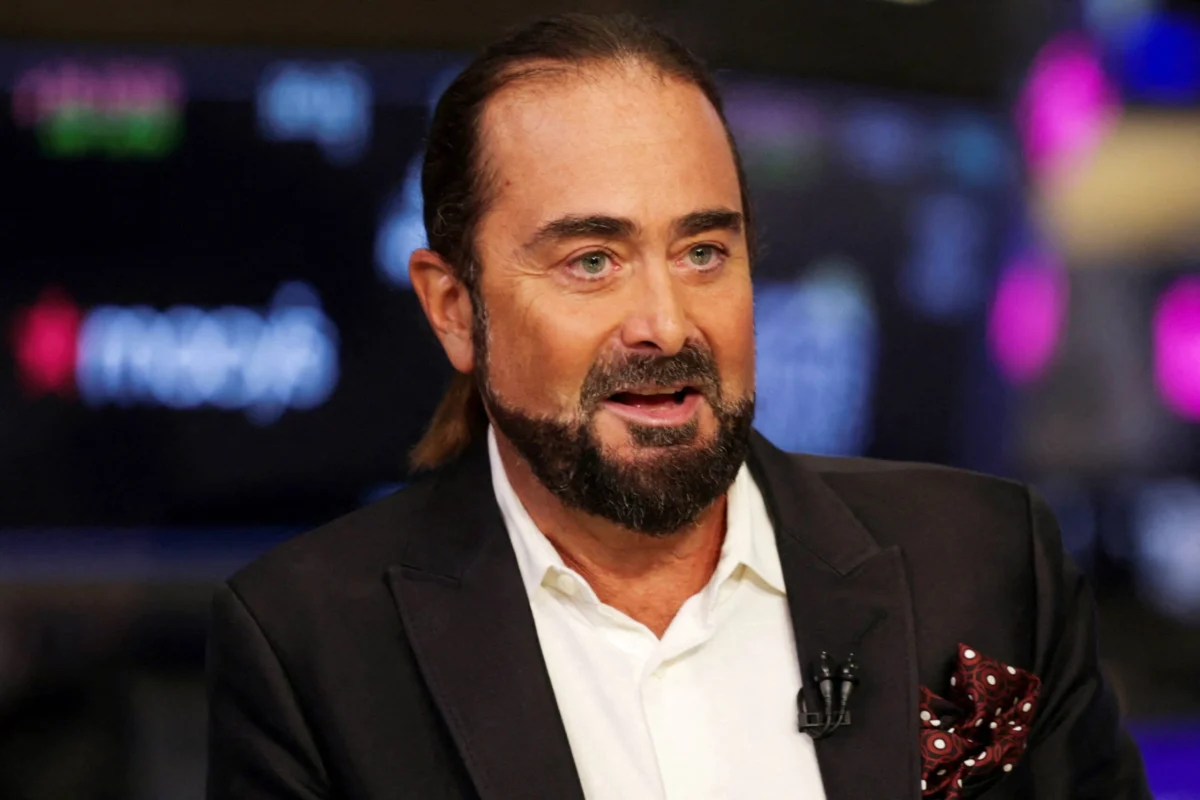
New York – On Friday, Wall Street’s downward trend intensified, with major indices shedding significant ground throughout the trading session. Investors appeared largely unimpressed by optimistic remarks from U.S. Federal Reserve Chairman Kevin Warsh regarding the economic outlook for the United States. This sentiment contributed to a continuation of the week’s broader market downturn, which has been characterized by a notable sell-off in semiconductor stocks, particularly those involved in artificial intelligence (AI). The prevailing mood among investors points to an anticipation of rising interest rates, fueling anxieties that this tightening monetary policy could disproportionately impact AI-centric companies.
The week’s market movements underscore a growing unease among investors, who are grappling with a complex interplay of factors. While Federal Reserve officials have consistently emphasized their commitment to price stability, the persistent uptick in inflation figures continues to cast a shadow over economic forecasts. The market’s reaction suggests a growing divergence between the Fed’s stated intentions and investors’ perceptions of future monetary policy.
The Impact of AI Stock Volatility
The sharp decline in memory chip stocks, a key component of the AI ecosystem, has served as a catalyst for broader portfolio adjustments. David Morrison, Chief Analyst at Trade Nation, commented on this phenomenon, stating that the downturn in memory chip equities provided investors with "a pretext to reduce their exposure across all AI-related companies." This observation highlights the interconnectedness of the technology sector and the potential for contagion effects when a significant sub-sector experiences a downturn.

The AI boom, which had propelled many technology stocks to record highs, is now facing increased scrutiny. Investors are reassessing valuations, particularly in light of the Federal Reserve’s hawkish stance on interest rates. The prospect of higher borrowing costs for companies, coupled with the potential for reduced consumer spending due to inflation, is creating a more cautious investment environment.
Federal Reserve’s Stance and Economic Resilience
Despite the global economic headwinds, including ongoing geopolitical crises and persistent inflation, Federal Reserve Chairman Kevin Warsh conveyed a sense of optimism regarding the U.S. economy’s resilience. He remarked, "I am optimistic—some might say naively optimistic—that we will emerge from this phase stronger, at least in the United States." Warsh further suggested that the U.S. is well-positioned to lead global economic growth.
However, the market’s reaction indicates that this optimistic outlook has not fully translated into renewed investor confidence. The cautious sentiment suggests that investors are awaiting more concrete evidence of sustained economic recovery and a clear path towards inflation control before fully committing to riskier assets.
Navigating Uncertainty: Interest Rate Hikes and Market Outlook
Market analyst Timo Emden of broker Captrader expressed skepticism about the likelihood of a year-end rally driven solely by rhetoric. "Whether Warsh’s rhetorical tailwind will create a ‘supportive framework for a year-end rally remains questionable," Emden stated. He further elaborated on the prevailing market conditions: "The current volatile stock market continues to underscore the opaque nature of the situation. Between interest rate concerns, doubts about AI, and global hotspots, investors are still lacking a decisive thread."

The Federal Reserve has remained characteristically tight-lipped regarding its precise interest rate policy for the remainder of the year. Chairman Warsh reiterated this stance, stating, "I don’t think it’s appropriate to say now what I might do in the remaining meetings this year." This ambiguity, while intended to maintain flexibility, contributes to market uncertainty.
Market Expectations for Federal Reserve Policy
According to the CME FedWatch Tool, which gauges market expectations for interest rate adjustments, approximately 85% of market participants anticipate a rate hike at the Federal Open Market Committee’s (FOMC) upcoming meeting at the end of October. For the December Fed meeting, nearly 77% of market participants foresee a further increase in interest rates.
The Federal Reserve had previously raised interest rates in September, marking the first such increase in approximately three years. This move signaled the central bank’s commitment to combating inflation. However, in September, inflation stood at 3.7%, still significantly above the Fed’s target of 2%. This persistent inflation, despite monetary tightening, remains a primary concern for policymakers and investors alike.
The Balancing Act: Inflation, Debt, and Monetary Policy
Claudia Windt, a strategist at Helaba, commented on the challenging environment for central banks, stating that both the Federal Reserve and the European Central Bank (ECB) are facing a "conflict of objectives given record debt levels and strained government budgets." The upcoming days are expected to feature numerous speeches from representatives of the Fed, ECB, and the Bank of England following the International Monetary Fund (IMF) annual meetings, offering further insights into their assessments of the current inflation and interest rate landscape.

The IMF’s recent reports have highlighted the delicate balance central banks must strike. While aggressive rate hikes can curb inflation, they also risk slowing economic growth and exacerbating debt burdens. The ongoing dialogue among central bankers and economists underscores the complexity of navigating these competing priorities.
Stabilization in the Government Bond Market
After months of significant selling pressure, the global bond markets appeared to be stabilizing as the week drew to a close. The yield on ten-year U.S. Treasury bonds decreased by 0.14 percentage points over the week to 5.11%. This represents a notable retreat from the previous week’s high of over 5.3%, the highest level recorded since 2002.
This rebound in bond prices (and corresponding decline in yields) suggests a shift in investor sentiment, with a renewed appetite for safer assets. The prolonged sell-off in bonds had been driven by rising inflation expectations and the prospect of sustained interest rate hikes by central banks globally.
Driving Factors Behind the Bond Market Rebound
The recent recovery in bond prices can be primarily attributed to an increased demand for safe-haven assets. The persistent concerns surrounding the sustainability of the AI boom have put pressure on technology stocks, prompting investors to reallocate capital away from riskier investments. The Nasdaq 100, a technology-heavy index, experienced a decline of approximately three percent over the week, marking its weakest performance since July.

Simultaneously, the current high yields on government bonds have become more attractive to investors, especially when contrasted with elevated stock valuations and lower risk premiums on corporate bonds. The sustainability of this bond market recovery hinges on the future trajectory of inflation and interest rates, particularly as they affect corporate profitability and economic growth.
U.S. Import Prices Rise Sharply in September
Further complicating the inflation picture, U.S. import prices experienced a significant increase in September. According to data released by the Department of Labor in Washington on Friday, prices for U.S. imports rose by 8.1% compared to the same month last year. On a month-over-month basis, import prices increased by 1.1%, exceeding economists’ expectations of a 0.8% rise. This surge in import costs, driven by a wide range of imported goods, intermediate products, and raw materials, is expected to contribute to inflationary pressures within the U.S. economy.
The robust increase in import prices underscores the global nature of inflation and the challenges faced by policymakers in taming price pressures. The interconnectedness of global supply chains means that inflationary trends in one region can quickly propagate to others.
Industrial Production Shows Unexpected Strength
On a more positive note for the U.S. economy, industrial production demonstrated stronger-than-expected growth in September. The manufacturing, utilities, and mining sectors collectively saw a 0.7% increase, according to data released by the Federal Reserve on Friday. This figure surpassed the consensus forecast of 0.4% growth among economists surveyed by Reuters.

The industrial sector represents 9.4% of the U.S. economy, and this uptick in production suggests underlying resilience. The Fed’s latest "Beige Book" report, a survey of economic conditions across the nation, indicated that businesses maintained a positive economic outlook for the coming months. However, the report also cautioned that growth is expected to be modest and weighed down by persistent uncertainties.
Looking Ahead: Corporate Earnings and Future Outlook
The positive performance in industrial production offers a glimmer of optimism amidst broader economic concerns. The manufacturing sector is often a leading indicator of economic health, and its robust performance suggests that some segments of the economy are weathering the current challenges effectively.
However, the persistent uncertainties, including geopolitical risks and the ongoing battle against inflation, continue to temper expectations for rapid economic expansion. The Federal Reserve’s future policy decisions will play a crucial role in shaping the economic landscape in the coming months.
Key Company Performances
Tesla and SpaceX: The unveiling of a new sports car by Tesla, in collaboration with its partner SpaceX, has generated significant interest, with implications for the stock performance of both companies. Tesla has introduced a revamped version of its Roadster sports car, featuring rocket-like thrusters from SpaceX. Production is slated for 2028. Despite the innovative announcement, Tesla’s stock experienced a 1.3% decline, while SpaceX’s shares saw a 1.8% dip. This muted reaction suggests that investors are weighing the long-term potential against more immediate market pressures.

Eli Lilly: The European Commission’s potential approval of Eli Lilly’s new weight-loss medication, Foundayo, is anticipated to be a significant development in the pharmaceutical market. Should it receive approval, Foundayo would become the second oral medication of its kind to be authorized in the EU, following Wegovy from Danish rival Novo Nordisk. Eli Lilly’s stock traded 0.7% higher, reflecting cautious optimism regarding the regulatory outcome.
Netflix: The streaming giant is facing increasing competition from platforms like YouTube and TikTok, which offer free, user-generated content. This competitive pressure, coupled with questions about Netflix’s ability to sustain its growth trajectory, has impacted its stock performance. Shares of Netflix fell by 2.5%.
Coreweave: The data center and software company is experiencing headwinds due to the ongoing sell-off in AI stocks. Additionally, traders have expressed concerns regarding the company’s debt levels. These factors have contributed to a sharp decline of 10.6% in Coreweave’s stock price.
The diverse performance of these companies highlights the varied dynamics at play across different sectors of the market. While some industries are grappling with competitive pressures and economic uncertainty, others are benefiting from innovation and perceived resilience. The market’s ongoing volatility underscores the importance of careful analysis and a nuanced understanding of the factors influencing corporate performance. The coming weeks will likely provide further clarity as economic data continues to be released and central banks provide updated guidance on their policy strategies.