Farhan Pambudi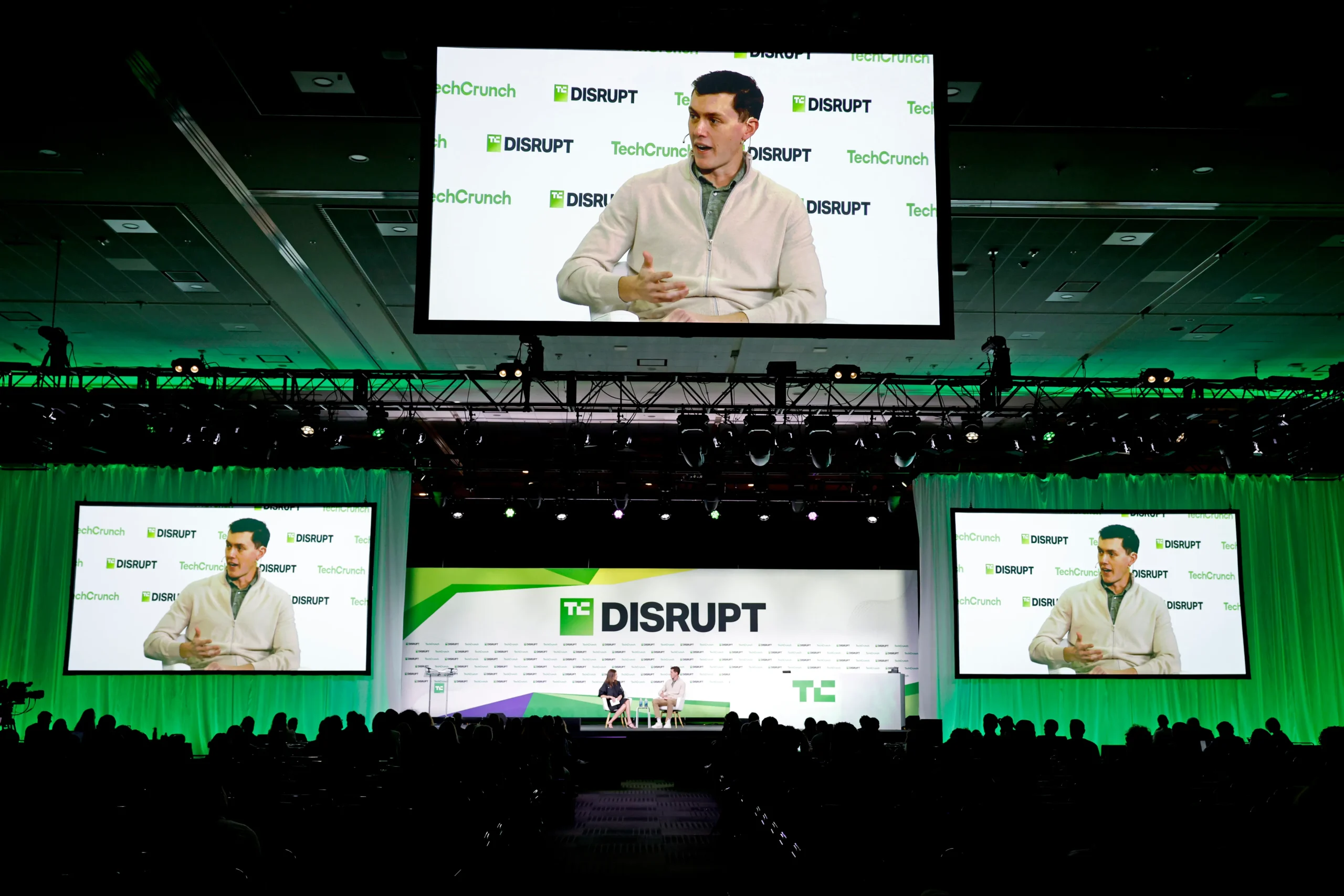
The final day of TechCrunch Disrupt 2026 has arrived in San Francisco, marking the culmination of a week-long summit that has drawn more than 10,000 founders, venture capitalists, and technology enthusiasts to Moscone West. As the premier global stage for early-stage startups, the third day of the conference serves as a critical junction for the technology sector, featuring a high-stakes finale for the Startup Battlefield and a series of deep-dive sessions into the practical applications of artificial intelligence, fundraising shifts, and the evolving landscape of consumer hardware.
The atmosphere at Moscone West reflects a tech industry that has transitioned from the speculative hype of previous years into a phase defined by rigorous execution and "storagemaxxing" for AI workloads. While the first two days of the event focused on broad industry trends and high-level networking, Day 3 is designed to provide practical, future-focused insights into the mechanics of building a sustainable technology company in the late 2020s.
The Evolution of a Tech Milestone: Context and Background
TechCrunch Disrupt has long served as a bellwether for the Silicon Valley ecosystem. Since its inception, the event has been the launching pad for companies that have redefined global commerce and communication, including names like Dropbox, Mint, and Fitbit. In 2026, the stakes are notably higher as the industry grapples with the transition from traditional software-as-a-service (SaaS) models to AI-native architectures.
The 2026 iteration of Disrupt occurs against a backdrop of a recovering venture capital market. After the "funding winter" of 2023 and 2024, the current landscape is characterized by a "flight to quality," where investors are prioritizing startups with clear paths to $10 million in Annual Recurring Revenue (ARR). This shift is palpable in the halls of Moscone West, where the focus has moved from "growth at all costs" to "resilient growth and viral efficiency."

Chronology of Day 3: From Registration to the Battlefield Finale
The final day commenced at 8:00 a.m. with the opening of the registration desk in the Level 1 lobby. Attendees were equipped with Klik technology-enabled badges, a sophisticated networking tool that allows for the seamless exchange of contact information via a simple tap. This technology facilitates a data-driven approach to networking, ensuring that the serendipitous connections made in the Expo Hall are captured and integrated into the official event app for post-conference follow-up.
By mid-morning, the Expo Hall became the epicenter of activity. Featuring over 320 exhibiting startups, the hall provides a cross-section of the current technological frontier, from health-tech innovations to consumer-facing AI applications. The Pitch Showcase Stage, located at the rear of the hall, hosted a series of "lightning pitches"—one-minute presentations that force founders to distill their value propositions into their most essential elements.
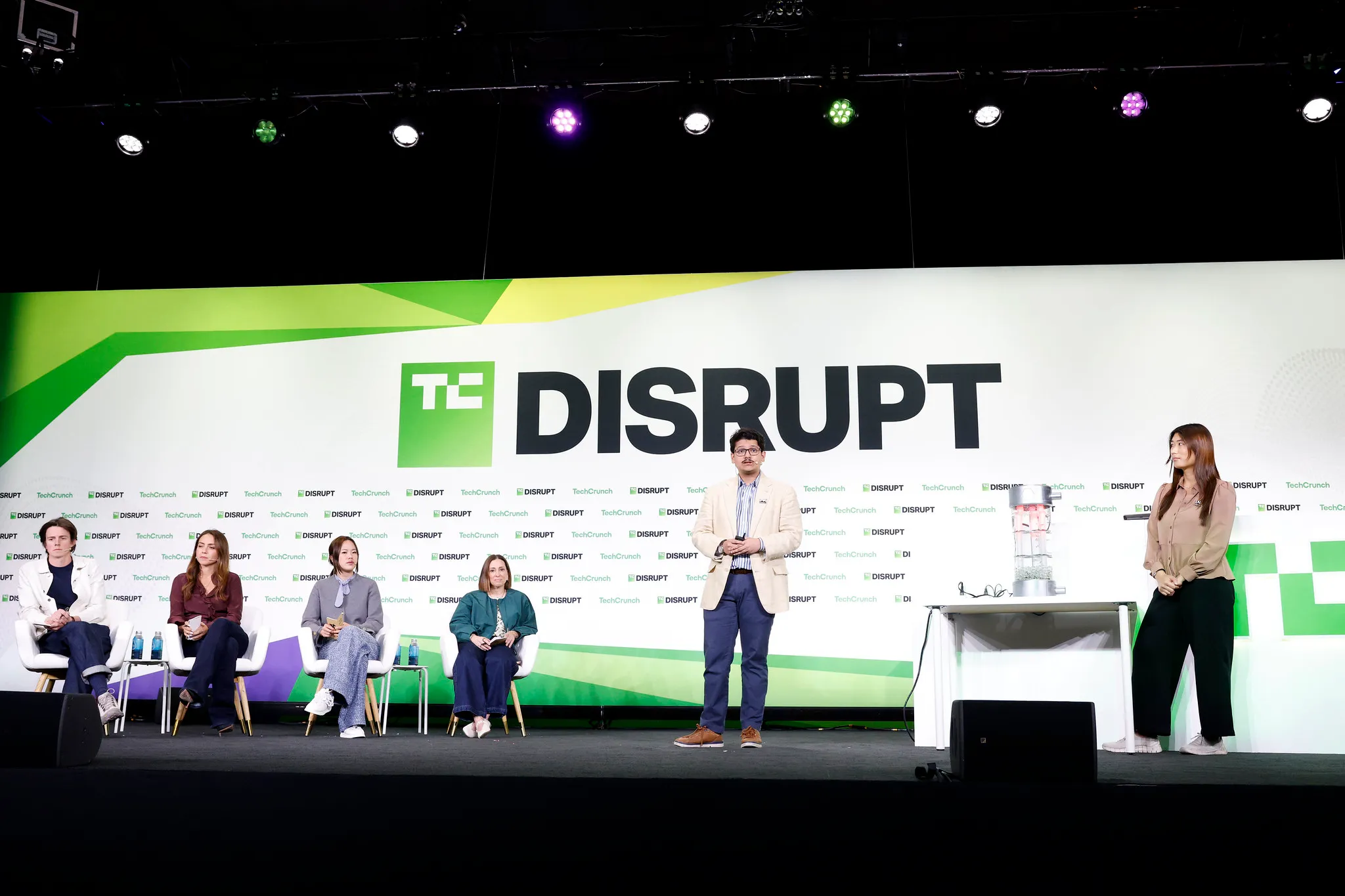
The afternoon schedule transitioned to the main stages, where industry leaders addressed the most pressing questions in tech. The programming concluded with the much-anticipated Startup Battlefield Final, where a panel of elite judges—including Karl Alomar of M13 and Stacy Brown-Philpot of Cherryrock Capital—selected the winner of the 2026 competition from a pool of the world’s most promising early-stage companies.
Strategic Programming and Key Discussions
The 2026 agenda reflects a profound shift in how technology is built and scaled. On the Builders Stage, sessions like "Yes, It’s Hard to Be a Founder" provided a rare, candid look at the psychological and operational tolls of entrepreneurship. Featuring insights from David H. Rosmarin of Harvard Medical School and Nell Daly of Revenge Capital, the discussion highlighted the growing industry-wide focus on founder mental health as a prerequisite for long-term business success.
The New Economic Model of Startups
A significant portion of the day was dedicated to the changing economics of the startup lifecycle. In a panel titled "M&A Is Now an Early-Stage Strategy," experts Karl Alomar and Lindsey Mignano discussed how the traditional "IPO or bust" mentality is being replaced by a more nuanced approach to exits. With larger tech conglomerates seeking to acquire AI talent and proprietary datasets, early-stage mergers and acquisitions have become a viable path for companies that may not have reached the scale required for a public offering but possess critical intellectual property.

Furthermore, the session "The First 90 Days: How Startups Build Toward $10M ARR" featured Tomasz Tunguz of Theory Ventures, who provided a data-driven roadmap for scaling in a crowded market. The consensus among the speakers was that the "AI era" has compressed the timeframes required for growth, but has also raised the bar for product-market fit.
The AI Infrastructure and Agentic Future
The AI Industry Stage hosted the day’s most technical and forward-looking discussions. As the industry moves beyond simple chatbots, the conversation has shifted toward "agentic" AI—systems capable of executing complex tasks autonomously. However, this shift brings new risks. In "The Agent Security Problem Nobody Is Talking About," Ric Smith of Okta and Gavriel Cohen of NanoCo warned that as AI agents gain more autonomy, the surface area for cyberattacks increases exponentially.
The physical infrastructure required to support these models was also a key theme. The panel "The $63 Billion Case for Storagemaxxing Your AI Stack" analyzed the massive capital expenditure currently flowing into data centers and storage solutions. Analysts suggest that the ability to efficiently store and retrieve vast amounts of training data is becoming the primary bottleneck for AI development, leading to a surge in demand for specialized hardware and decentralized storage solutions.
High-Profile Perspectives: From Hardware to Social Media
The Disrupt Stage featured some of the event’s most recognizable figures. Panos Panay, formerly of Microsoft and now with Amazon, led a discussion titled "What Comes After the Smartphone?" Panay’s insights suggested a move toward ambient computing, where AI is integrated into the physical environment and wearable devices, reducing the reliance on a single handheld screen.
In the realm of social networking, Toni Schneider and Rose Wang of Bluesky Social discussed the potential for decentralized social protocols to "start over" and fix the incentive structures of modern digital communication. Their presence at Disrupt 2026 underscores the ongoing interest in "fediverse" technologies and the desire for user-owned data in an era of platform consolidation.

The intersection of celebrity and venture capital was also on display as actor and entrepreneur Mark Wahlberg joined Bruce Lee of Keebeck Wealth Management to discuss "The Power of Access." The session explored how cultural capital can be leveraged to provide startups with the distribution and visibility necessary to compete with established incumbents.
Analysis of Broader Implications and Industry Impact
The insights gathered from Day 3 of TechCrunch Disrupt 2026 suggest three major trends that will define the technology sector through the end of the decade:
- The Democratization of Software Development: As Amjad Masad of Replit noted, the barrier to entry for building software has effectively vanished. This democratization is expected to lead to a "long tail" of niche, highly specialized software products, challenging the dominance of broad, general-purpose SaaS platforms.
- Physical AI and Execution: There is a growing realization that "Physical AI"—the integration of intelligence into robotics and logistics—is an execution problem rather than a modeling problem. The "Next Logistics Stack" will require a massive overhaul of national infrastructure and a closer partnership between the public and private sectors.
- The End of the "Sandbox" Era: In the roundtable "Sandboxes Are Dead," participants argued that for AI to provide real enterprise value, it must move out of isolated testing environments and into private clouds where it can interact with sensitive, real-world data securely.
Conclusion and the Road to Disrupt 2027
As the doors close on TechCrunch Disrupt 2026, the event leaves behind a blueprint for the next generation of technological innovation. The 75% discount offered on final-day passes reflects an effort by the organizers to ensure that the "future of tech" remains accessible to a diverse range of participants, regardless of their current funding status.
For the 10,000 attendees departing Moscone West, the message of the week is clear: while the tools of innovation have changed, the fundamental requirements of entrepreneurship—resilience, strategic networking, and a relentless focus on solving real-world problems—remain as vital as ever. The winners of the Startup Battlefield 2026 will now enter a market that is more competitive and technologically advanced than at any point in history, carrying with them the momentum of a week that once again proved San Francisco remains the undisputed heart of the global technology ecosystem.
As the industry looks toward next year, the conversations started on the AI and Builders stages will likely evolve into the success stories—or cautionary tales—of Disrupt 2027. For now, the "Disrupt experience" concludes with a sense of cautious optimism and a renewed focus on the hard work of building the future.