Putri Inara
The digital publishing landscape has long been polarized by two conflicting narratives: one promising rapid, effortless wealth through automated content, and another dismissing the entire medium as a relic of the early internet. However, empirical data and longitudinal studies of the creator economy suggest a more nuanced reality. While the potential for significant revenue exists, the transition from a hobbyist platform to a professional enterprise is governed by specific economic principles, audience psychology, and a commitment to long-term growth. As the creator economy continues to expand, understanding the statistical probability of success and the diversified methods of monetization has become essential for stakeholders in the digital media space.
The Economic Reality of the Blogging Industry
In an era dominated by short-form video and algorithmic social media, the traditional blog remains a foundational pillar of the "creator economy," a sector now valued in the hundreds of billions of dollars. Despite the influx of new platforms, long-form written content continues to serve as a primary driver for search engine traffic and high-intent consumer behavior. Data from a comprehensive survey of over 1,500 active digital publishers reveals a stark distribution of income that mirrors the "power law" often seen in creative industries.
According to the findings, a significant majority of those attempting to monetize their platforms are currently in the early or "micro-earning" stages. The data indicates that approximately 10% of bloggers generate no revenue at all, while 28% earn less than 30 cents per day. Furthermore, 63% of the surveyed group earns less than $3.50 per day. These figures highlight a critical barrier to entry: the "trough of sorrow" where effort often precedes financial reward by a significant margin.
Conversely, the top tier of the industry demonstrates substantial scalability. Approximately 4% of the surveyed group reported earnings exceeding $10,000 per month, placing them in a six-figure annual income bracket. An additional 9% earned over $1,000 per month, which represents a sustainable part-time income or a significant supplement to traditional employment. This statistical spread confirms that while "making it" as a blogger is statistically rare for the average participant, the ceiling for success is remarkably high for those who treat the platform as a legitimate business entity.
A Chronological Shift: From Digital Diaries to Media Empires
The evolution of blogging can be traced back to the early 2000s, a period when the medium was primarily used for personal reflection and social commentary. In 2002, the landscape began to shift as the first wave of professional bloggers recognized the potential for search engine optimization (SEO) and affiliate marketing. Over the subsequent two decades, the industry has moved through several distinct phases:
- The Hobbyist Era (1994–2002): Early adopters used platforms like LiveJournal and Blogger for personal expression with virtually no monetization infrastructure.
- The AdSense Revolution (2003–2009): The launch of Google AdSense and the rise of WordPress allowed bloggers to monetize traffic through display advertising, leading to the birth of the "niche site" model.
- The Diversification Phase (2010–2017): As display ad rates fluctuated, professional bloggers began moving toward "owned" products, including ebooks, online courses, and membership communities.
- The Creator Economy Era (2018–Present): Blogging is now integrated into a multi-channel strategy involving newsletters (Substack), social media (Instagram/TikTok), and podcasting.
Industry veterans who entered the market during the second phase often report a gradual incline in profitability. Historical data suggests that for many successful publishers, the first year yielded negligible returns. It typically required two years of consistent output to reach a part-time income level and approximately four years of dedicated brand building to reach the top-tier income bracket. This timeline emphasizes that the primary differentiator in the industry is not necessarily talent, but longevity and the ability to withstand the initial period of low ROI.

Diversified Monetization Models and Niche Viability
One of the most persistent myths in the digital marketing space is that the only profitable blogs are those that teach others how to make money. However, an analysis of top-earning platforms across the globe reveals that "everyday" niches—ranging from woodworking and photography to health, simple living, and local travel—often outperform marketing-centric blogs.
For instance, photography-focused platforms have been cited as significantly more profitable than marketing blogs due to the high value of photography equipment and the evergreen nature of the skills involved. Similarly, bloggers like Sarah Wilson (Health and Wellbeing), Tsh Oxenreider (Simple Living), and Ana White (Woodwork) have demonstrated that deep expertise in a specific, non-financial niche can be parlayed into a full-time career.
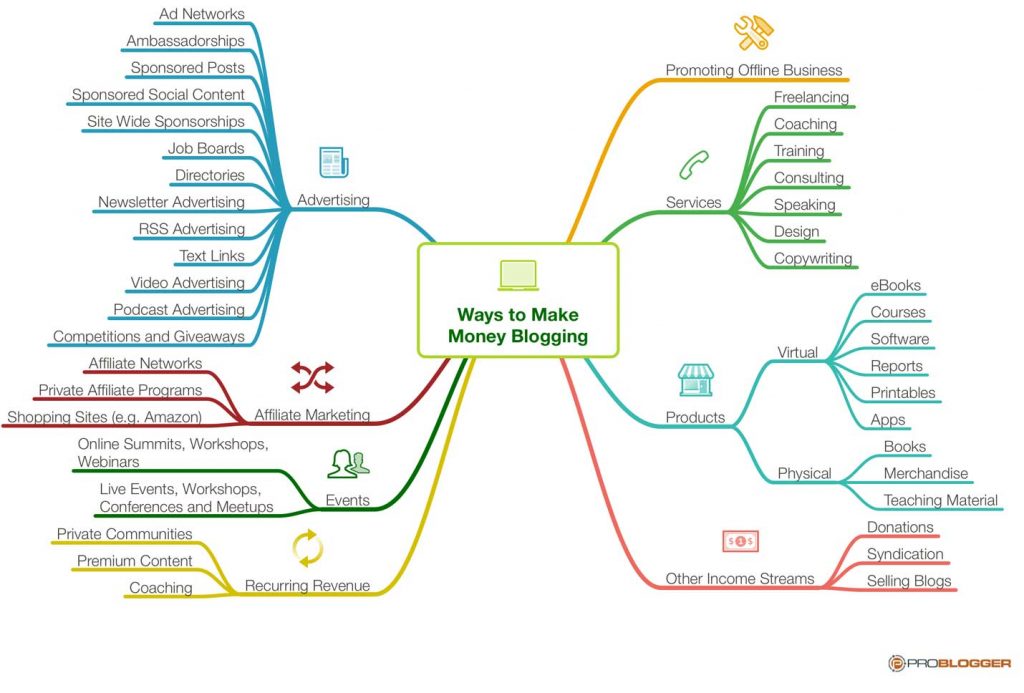
Modern monetization is rarely dependent on a single source. Professional bloggers typically employ a "Money Map" strategy that includes:
- Direct Advertising: Selling space to brands within a specific niche.
- Affiliate Marketing: Earning commissions on recommended products.
- Digital Products: Creating and selling ebooks, templates, or software.
- Services: Offering coaching, speaking engagements, or freelance consulting.
- Memberships: Creating "gated" content for a dedicated community of subscribers.
This diversification acts as a hedge against algorithmic changes. If a search engine update reduces traffic, a blogger with a strong email list and a proprietary digital product can maintain revenue levels that a site dependent solely on display ads cannot.
The Four Pillars of Professional Digital Publishing
Success in the modern blogging environment is predicated on four key operational areas. Industry analysts suggest that a failure in any one of these pillars can stall a blog’s growth regardless of the quality of the prose.
1. High-Value Content Creation
The foundation of any profitable blog is content that solves a problem, provides entertainment, or offers a unique perspective. In the age of Artificial Intelligence, "commodity content" is increasingly devalued. Professional publishers are focusing on "human-first" content that includes personal experience, original photography, and expert insights that AI cannot easily replicate.
2. Audience Acquisition and Retention
Building a readership requires a multi-faceted approach to traffic. While SEO remains the primary driver for many, the most resilient bloggers diversify their traffic sources through social media, referral networks, and, most importantly, email marketing. An email list is widely considered the most valuable asset a blogger can own, as it provides a direct line to the audience that is not subject to third-party algorithm changes.
3. Community Engagement
Engagement is the bridge between a casual reader and a customer. By fostering a sense of community—through comments, forums, or social media interaction—bloggers build the trust necessary to sell products or influence purchasing decisions. High engagement rates are often more attractive to brand partners than raw traffic numbers.
4. Strategic Monetization
The final pillar involves the transition from a content creator to a business owner. This requires an understanding of conversion rates, sales funnels, and brand positioning. Successful bloggers often spend as much time on the "business" side of their site—analyzing data and optimizing revenue streams—as they do on the creative side.
Industry Implications and Future Outlook
The rise of professional blogging has broader implications for the future of work and media. As traditional journalism continues to face economic headwinds, independent digital publishers are filling the gap, providing hyper-local or hyper-niche information that large media conglomerates cannot profitably cover.
However, the industry faces new challenges. The integration of Generative AI into search engines (Search Generative Experience) threatens to reduce "click-through" rates for informational queries. In response, the blogging industry is shifting toward "brand-led" publishing. Readers are increasingly seeking out specific voices and personalities they trust, rather than just seeking anonymous information.
The data confirms that while the "golden age" of easy ad revenue may be over, the era of the "authority blog" is just beginning. For those willing to invest the requisite four to five years of effort, the blog remains one of the most effective vehicles for building a personal brand and a diversified income stream.
Conclusion
The evidence suggests that while the majority of bloggers do not earn a full-time living, the path to profitability is well-documented and achievable through persistence and diversification. The industry has matured from a collection of personal diaries into a sophisticated sector of the global economy. As the barrier to entry remains low but the barrier to success remains high, the distinction between hobbyists and professionals will continue to be defined by a commitment to the four pillars of content, audience, engagement, and monetization. For the 4% who reach the top tier, blogging is not merely a "passive income stream" but a rigorous, high-output business that requires constant adaptation to the shifting digital landscape.