Farhan Pambudi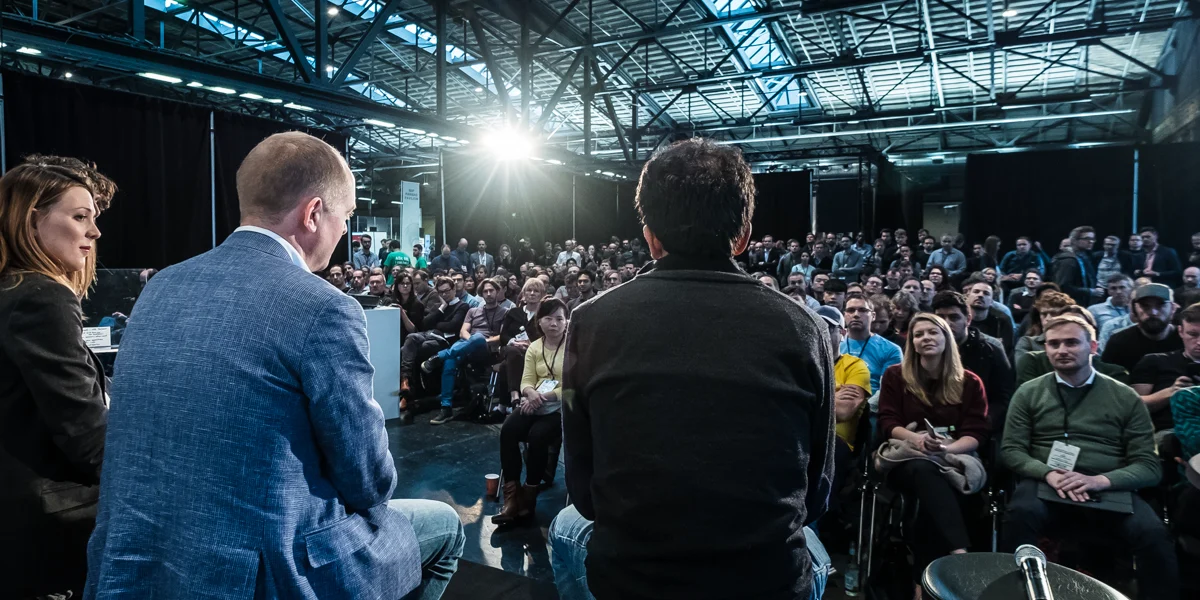
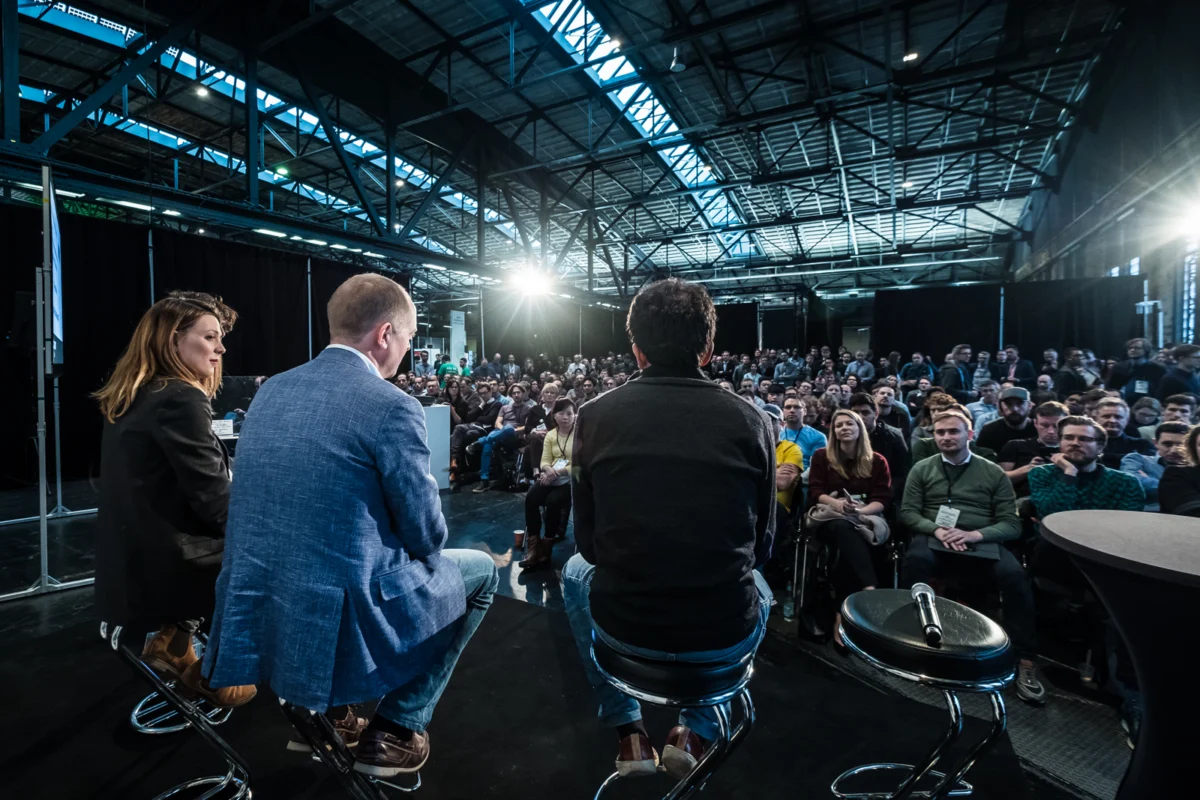
TechCrunch Disrupt 2026 will return to the Moscone West convention center in San Francisco from October 13 to 15, 2025, serving as a central hub for more than 10,000 founders, investors, and technology operators. This year’s iteration of the long-standing conference emphasizes a shift from theoretical technology discussions to high-intensity, practical applications, particularly regarding the maturation of artificial intelligence and the shifting landscape of venture capital. While the main stages typically host high-profile keynote addresses and the renowned Startup Battlefield competition, the newly announced breakout sessions are designed to provide a more intimate environment where attendees can engage directly with industry leaders through 50-minute interactive modules and question-and-answer periods.
The 2026 agenda arrives at a critical juncture for the global technology sector, as the initial hype surrounding generative AI begins to transition into a focus on sustainable business models, operational efficiency, and the integration of AI into physical infrastructure. By offering limited-capacity sessions on a first-come, first-served basis, organizers aim to facilitate deep-dive technical and strategic conversations that are often lost in larger forum settings. Registration for the event is currently open, with tiered pricing structures including early-bird discounts and specialized access for those recently affected by industry-wide layoffs.
A Legacy of Innovation: The Evolution of TechCrunch Disrupt
Since its inception, TechCrunch Disrupt has served as the premiere launching pad for startups that have gone on to redefine their respective industries. Companies such as Dropbox, Cloudflare, and Fitbit first gained national prominence on the Disrupt stage. Over the last two decades, the event has evolved from a niche gathering of Silicon Valley insiders into a global phenomenon that dictates the narrative for the upcoming fiscal year in tech.
The 2026 event marks a significant milestone in this evolution. As the industry moves past the "ZIRP" (Zero Interest Rate Policy) era, the focus has shifted toward "Physical AI" and "Inference Economics." The selection of Moscone West, situated in the heart of San Francisco’s resurgent tech district, underscores the city’s enduring status as the epicenter of AI development. Industry analysts suggest that the 2026 conference will likely be remembered for its focus on "Agentic Workflows"—the transition from AI as a chatbot to AI as an autonomous operator.
The Rise of Physical AI and Robotics
One of the most anticipated themes of the Disrupt 2026 breakout sessions is the emergence of Physical AI. Unlike traditional software-based artificial intelligence, Physical AI involves machines that must perceive, reason, and act within unpredictable real-world environments.

Susan Schofer and Duncan Turner of SOSV HAX will lead a session titled "What Is Physical AI, Anyway?" This discussion aims to demystify the hardware-software nexus, explaining why building in this sector requires a fundamentally different playbook than traditional SaaS (Software as a Service). This theme is further explored in a session featuring Ethan Batraski of Venrock and Ivan Poupyrev of Archetype AI, who argue that Physical AI is no longer a "model problem" but an "execution problem." They will examine the layer between perception and action, a space where significant venture capital is expected to flow as industrial automation reaches a tipping point.
Supporting data from recent market reports indicates that investment in robotics and embodied AI has seen a 35% year-over-year increase as of mid-2025. Investors are increasingly looking for companies that can reliably "close the loop" between digital decision-making and physical execution, a trend that Disrupt 2026 aims to analyze in depth.
The Shift to the Inference Economy
As frontier models become increasingly commoditized, the focus of the AI industry is shifting from training to inference. This transition is the subject of "The Inference Economy: Why AI’s Next Trillion Dollars Won’t Look Like Its First," a session featuring Hagay Lupesko of Cerebras Systems and Rudina Seseri of Glasswing Ventures.
Historically, the vast majority of AI investment was directed toward the massive compute power required to train Large Language Models (LLMs). However, as these models are integrated into consumer and enterprise products, the economic moat is shifting toward latency, cost-per-query, and infrastructure efficiency. This session will provide a fact-based analysis of how startup economics change when the "model" itself is no longer the primary differentiator, but rather how that model is served and optimized for the end-user.
Agentic Workflows and the Future of Engineering
The practical application of AI agents is another cornerstone of the 2026 agenda. Experts from Anthropic, including Steve Androulakis and Sachin Malhotra, will demonstrate how professional engineers and architects are currently utilizing multiple AI agents in parallel.
This "agentic" approach represents a departure from simple prompt-response interactions. Instead, it focuses on delegating complex engineering tasks to autonomous systems, reviewing their output, and managing error recovery. For founders, this shift suggests a future where team scaling is measured not just by headcount, but by the efficiency of the "human-agent" collaboration. This is echoed in a session by Nomi Khedawala of Reddit, who will discuss "Talent as the Operating System," focusing on how high-performance teams must adapt their internal structures to remain accountable as AI-driven automation scales.

Navigating the 2026 Fundraising Environment
Despite the technological advancements, the fundamental challenge of securing capital remains a top priority for Disrupt attendees. The 2026 breakout agenda includes a robust series of sessions dedicated to the mechanics of fundraising in a more discerning market.
A collaborative session sponsored by Fidelity Private Shares will cover the end-to-end process of running a successful raise, from cap table management to data room preparation. Additionally, a panel featuring representatives from General Catalyst and HealthQuest Capital will address common "fundraising mistakes" that derail rounds. According to recent venture data, while seed-stage funding remains resilient, Series B and C rounds in 2026 require significantly higher levels of due diligence and proof of "path to profitability" than in previous cycles.
The transition from entrepreneur to capital allocator will also be explored. Bruce K. Lee of Keebeck Wealth Management and Abhi Tiwari of Blank Ventures will lead a discussion on "The Next Act," helping founders understand the mindset shift required when moving from raising capital to managing it post-exit.
Specialized Verticals: Space and Growth Engines
TechCrunch Disrupt 2026 continues to expand its reach into specialized sectors, most notably the space economy. A session sponsored by The Aerospace Corporation will highlight how AI builders can find opportunities in the orbital sector. Dr. Brian Cameron and Shawn Sloan will map AI capabilities—such as real-time autonomous processing and complex agent systems—to the unique demands of space exploration and satellite management.
For bootstrapped companies, Patrick Burke of Hostinger will share lessons on building "growth engines" in the AI era. This session focuses on identifying underpriced distribution channels and using agentic marketing workflows to shorten the loop between market signals and product updates.
Community Support and Event Logistics
In recognition of the ongoing volatility in the tech labor market, TechCrunch has reintroduced the "Layoff Expo+ Pass." This $75 ticket is specifically designed to provide affordable access to the event for those who have recently lost their positions, offering them a chance to network with the 10,000+ attendees and find new opportunities within the ecosystem.

For general attendees, the event offers several incentive structures:
- Early Registration: Savings of up to $100 on individual passes.
- BOGO Offers: A second ticket can be purchased at a 50% discount for co-founders or colleagues.
- Group Rates: Additional discounts are available for teams of four or more.
The event will be held at Moscone West, located at 800 Howard St, San Francisco, CA 94103. The venue is centrally located with proximity to major transit hubs, reflecting the city’s commitment to hosting large-scale professional gatherings.
Strategic Implications for the Tech Ecosystem
The structured focus of TechCrunch Disrupt 2026 suggests a maturing industry. By prioritizing breakout sessions that "unpack problems" and "challenge assumptions," the event organizers are responding to a demand for higher-density information. The emphasis on AI trust and safety, led by Robbie Goldfarb of Forum AI, indicates that the industry is bracing for increased regulatory scrutiny and a greater need for human-in-the-loop verification systems.
Furthermore, the inclusion of sessions like "Building Then vs. Now"—featuring leaders like Dr. Rumman Chowdhury and Payal Kadakia—highlights a growing interest in the "human side" of company building. As AI compresses the time required for technical execution, the premium on human judgment, ethics, and strategic vision is expected to rise.
TechCrunch Disrupt 2026 stands as more than just a conference; it is a barometer for the health and direction of the global startup economy. As San Francisco continues to serve as the staging ground for the next generation of technological breakthroughs, the insights gathered during these three days in October will likely influence product roadmaps and investment strategies well into 2027 and beyond.