Lina Wu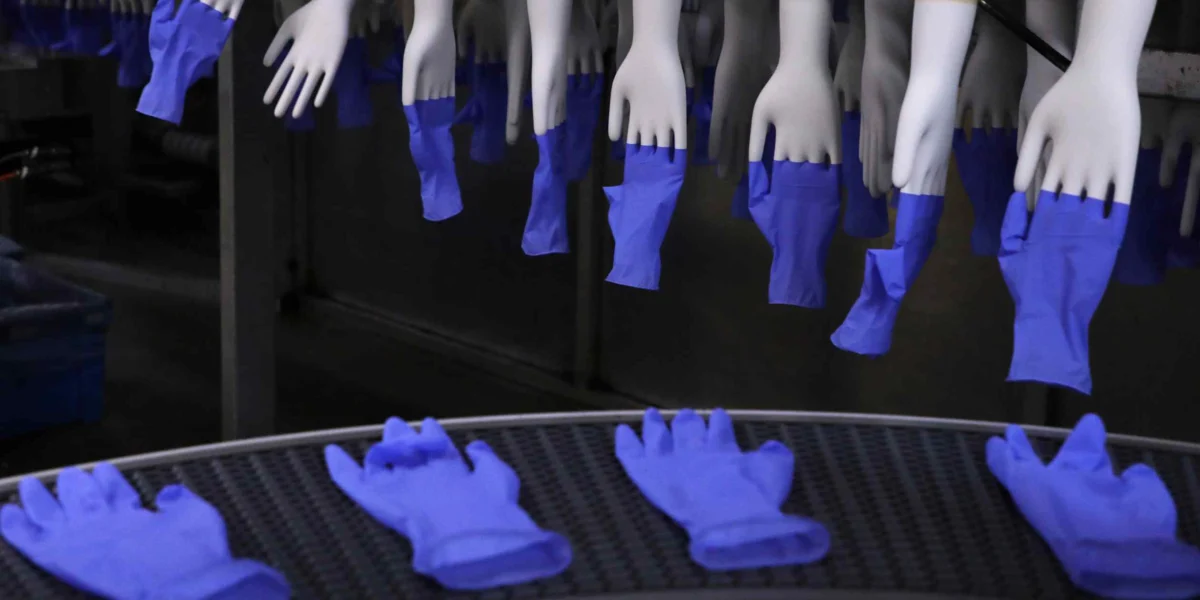
KUALA LUMPUR – Malaysia’s Top Glove, the world’s largest manufacturer of rubber gloves, announced on Tuesday plans to significantly increase its production capacity to meet a projected surge in global demand. The company reported a nearly threefold increase in its annual net profit, a testament to its ability to navigate rising material costs by successfully passing them on to customers. This strategic move signals a robust outlook for the company and highlights the persistent, and in many cases growing, importance of disposable gloves across various sectors.
Robust Financial Performance Fuels Expansion Plans
Top Glove’s impressive financial results for the past fiscal year underscore the sustained high demand for its products. The company’s net profit saw a substantial near-tripling, a performance driven by strong sales volumes and an effective pricing strategy that allowed it to absorb the escalating costs of raw materials. This financial resilience provides a solid foundation for the ambitious production expansion initiatives the company is now undertaking. The ability to maintain profitability in a challenging economic environment, marked by inflationary pressures on key inputs, speaks volumes about Top Glove’s operational efficiency and market dominance.
The company’s leadership has expressed confidence in the long-term trajectory of the global glove market, citing a confluence of factors that are expected to drive demand well into the future. Projections indicate that global demand for gloves could surpass 400 billion units by 2026, a figure that necessitates significant investment in manufacturing infrastructure. Top Glove’s proactive approach to scaling up its operations is designed to capitalize on this anticipated growth and solidify its position as the undisputed leader in the industry.
Historical Context: The Pandemic’s Enduring Impact
The demand for disposable gloves experienced an unprecedented surge during the COVID-19 pandemic. Healthcare systems worldwide scrambled to secure adequate supplies for medical professionals on the front lines, leading to a dramatic spike in orders for nitrile and latex gloves. While the immediate crisis may have abated in many regions, the pandemic has left a lasting legacy on hygiene practices and healthcare preparedness.
Top Glove, as the world’s largest producer, found itself at the epicenter of this demand shock. The company rapidly ramped up production to meet the global need, but also faced challenges related to supply chain disruptions, labor availability, and the aforementioned rising costs of raw materials like natural rubber and nitrile. The recent financial results demonstrate that Top Glove has not only weathered these challenges but has emerged stronger, adapting its business model to a new normal where heightened hygiene awareness is a permanent fixture.
The period immediately following the initial pandemic wave saw a recalibration of demand. However, rather than a sharp decline, the market has settled into a sustained elevated level. This is attributed to several factors:
- Increased Healthcare Spending: Governments and private healthcare providers have continued to invest in personal protective equipment (PPE) as part of broader strategies to enhance pandemic preparedness and general healthcare infrastructure.
- Broader Industrial Applications: Beyond healthcare, disposable gloves are increasingly critical in various industries, including food processing, manufacturing, laboratory research, and even the beauty and personal care sectors, where hygiene standards are paramount.
- Emerging Markets: As economies in developing nations grow, so does the demand for improved sanitation and healthcare services, driving the need for disposable gloves.
Strategic Expansion: Meeting the 400 Billion Glove Target
Top Glove’s planned production increase is not merely a response to current demand but a strategic investment in future market share. The company is poised to leverage its existing expertise, economies of scale, and established distribution networks to meet the projected 400 billion glove demand by 2026. This ambitious target suggests a multi-year investment in new manufacturing facilities, the expansion of existing ones, and the adoption of advanced automation and technology to enhance efficiency and output.
The specific details of the expansion plans, including the scale of investment and the timeline for new capacity to come online, are expected to be elaborated upon in upcoming investor briefings. However, the commitment to significant growth indicates a long-term vision that extends beyond short-term market fluctuations. The company’s strategic location in Malaysia, a key hub for rubber production and manufacturing, provides a logistical advantage in sourcing raw materials and distributing finished products globally.
Navigating Material Cost Volatility
A critical aspect of Top Glove’s recent success has been its ability to manage the volatility of raw material prices. The cost of natural rubber and nitrile, the primary components of disposable gloves, can fluctuate significantly due to global supply and demand dynamics, geopolitical events, and weather patterns affecting agricultural output. Top Glove’s strategy of passing on these rising costs to customers, while maintaining competitive pricing, has been instrumental in safeguarding its profit margins.
This pricing power is a direct consequence of its dominant market position. As the largest producer, Top Glove possesses significant leverage in negotiations with suppliers and a strong brand recognition that allows it to command a premium in the market. The company’s sophisticated procurement strategies and hedging mechanisms likely also play a role in mitigating the impact of price swings.
Broader Implications for the Global Glove Market
Top Glove’s expansion plans have several significant implications for the broader global glove market:
- Market Consolidation: As the largest player expands, it could further consolidate market share, potentially putting pressure on smaller competitors who may struggle to match the economies of scale and investment capacity of Top Glove.
- Technological Advancement: The drive for increased production efficiency will likely spur further investment in automation and advanced manufacturing technologies within the glove industry. This could lead to improved product quality, reduced waste, and enhanced worker safety.
- Supply Chain Resilience: Top Glove’s continued investment in its production capabilities contributes to the overall resilience of the global glove supply chain. This is particularly important in light of the lessons learned from recent global crises, which highlighted the vulnerabilities of over-reliance on single-source or geographically concentrated production.
- Economic Impact in Malaysia: The expansion will undoubtedly create jobs and stimulate economic activity in Malaysia, reinforcing the country’s position as a global leader in the manufacturing of essential PPE.
Future Outlook and Potential Challenges
While the outlook for Top Glove and the global glove market appears exceptionally strong, potential challenges remain. Geopolitical instability, further unforeseen public health crises, and shifts in global trade policies could all impact demand and supply chains. Furthermore, the company will need to continue to innovate and adapt to evolving customer needs and regulatory landscapes.
The commitment to sustainability is also becoming increasingly important in the manufacturing sector. Top Glove will likely face growing scrutiny regarding its environmental footprint, from raw material sourcing to waste management and energy consumption. Proactive measures in these areas will be crucial for maintaining its social license to operate and its appeal to environmentally conscious customers and investors.
In conclusion, Top Glove’s announcement of production expansion, underpinned by a robust financial performance, signals a confident and ambitious future. The company is strategically positioning itself to meet the burgeoning global demand for rubber gloves, driven by a permanent shift towards heightened hygiene awareness and the growing needs of various industries. Its ability to navigate cost fluctuations and its sheer market dominance are key factors that will likely shape the future of the global glove manufacturing landscape.