Ena Muazin
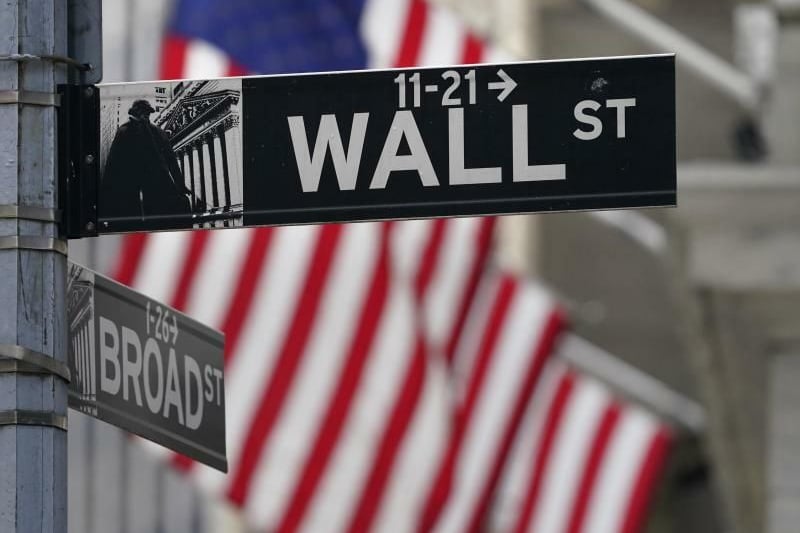
New York, NY – The major U.S. stock indices navigated a narrow trading range on Thursday, ultimately closing with minimal changes as investors processed mixed economic signals and a rebound in oil prices. The Dow Jones Industrial Average, S&P 500, and Nasdaq Composite all experienced slight fluctuations, reflecting a market cautiously optimistic about the Federal Reserve’s monetary policy trajectory, despite persistent inflation data and geopolitical tensions.
The day’s trading activity began with a subdued tone, influenced by the preceding day’s release of crucial inflation data and ongoing concerns about the sustainability of high government debt. However, a notable development was the stabilization and subsequent slight decline in U.S. Treasury yields after reaching multi-year highs. This easing of pressure in the bond market provided a degree of reassurance to equity investors, tempering earlier anxieties.

Economic Crosscurrents: Inflation and Interest Rate Hopes
The economic landscape continues to be shaped by a tug-of-war between persistent inflationary pressures and the Federal Reserve’s efforts to bring them under control. On Wednesday, the U.S. Commerce Department released the Personal Consumption Expenditures (PCE) price index, a key inflation gauge closely watched by the Federal Reserve. The data revealed that the PCE price index for August remained steady at 3.4 percent. While this figure was lower than what many analysts had anticipated, it still indicates a sustained elevated level of inflation.
This inflation data has fueled speculation among market participants that the Federal Reserve might forgo another interest rate hike in October. The central bank has been aggressively raising interest rates since March 2022 in an attempt to curb inflation, a series of hikes that have brought benchmark interest rates to their highest levels in over two decades. The prospect of a pause in this tightening cycle, or even the eventual commencement of rate cuts, is a significant factor influencing investor sentiment.
Bond Market Dynamics: Yields Ease from Peaks
The U.S. bond market, a crucial barometer of economic health and investor expectations, experienced significant volatility leading up to Thursday’s trading session. Treasury yields, particularly those for longer-dated maturities, had surged to levels not seen since 2002, driven by a confluence of factors including robust economic data, continued inflation concerns, and increased government borrowing. The ten-year Treasury yield, a closely watched benchmark, had briefly breached the 4.80% mark earlier in the week, sparking fears of a potential recession and increasing the cost of borrowing for both businesses and consumers.
However, on Thursday, a more measured sentiment took hold. Reports indicated that institutional investors were re-entering the bond market, likely seeking to capitalize on the higher yields. This increased demand contributed to a cooling-off in the upward momentum of yields. By the close of trading, the ten-year Treasury yield had retreated slightly, hovering around the 4.70% mark. This stabilization, while not a dramatic reversal, was enough to provide a psychological boost to equity markets, which have been sensitive to the rising cost of capital.
Oil Prices Surge Amid Geopolitical Concerns
In contrast to the relative calm in equity and bond markets, crude oil prices experienced a significant upswing on Thursday. Brent crude futures rose by over 2%, settling above $96 a barrel, while West Texas Intermediate (WTI) crude also saw substantial gains, trading above $93 a barrel. This surge in oil prices was primarily driven by ongoing concerns about supply disruptions stemming from the escalating conflict in the Middle East.
The intensifying geopolitical tensions, coupled with production cuts by major oil-producing nations, have created a tightening supply outlook. Traders are closely monitoring the situation for any potential impact on global energy markets. A sustained rise in oil prices could have ripple effects across the economy, potentially contributing to renewed inflationary pressures and impacting consumer spending. This development adds another layer of complexity for the Federal Reserve as it seeks to balance inflation control with economic growth.
Market Performance: A Day of Narrow Swings
The major U.S. stock indices exhibited a pattern of muted trading throughout the day. The Dow Jones Industrial Average closed up by approximately 30 points, or about 0.09%, at 33,665. Today’s slight gain followed a period of volatility, where the index briefly dipped into negative territory before recovering.
The S&P 500, a broader measure of the U.S. equity market, finished the day with a marginal increase of around 5 points, or 0.12%, at 4,275. This index has been particularly sensitive to the recent shifts in bond yields, reflecting the market’s ongoing recalibration to higher interest rates.
The technology-heavy Nasdaq Composite saw a slightly more pronounced gain, adding approximately 25 points, or 0.19%, to close at 13,097. While the tech sector has been vulnerable to rising interest rates due to the long-duration nature of its earnings expectations, recent positive developments in artificial intelligence and a more dovish outlook on Fed policy have provided some support.

Across sectors, energy stocks were notable beneficiaries of the rising oil prices, with the Energy Select Sector SPDR Fund (XLE) posting one of the day’s strongest performances. Conversely, interest-rate sensitive sectors such as utilities and real estate showed more muted or negative returns, reflecting the ongoing impact of higher borrowing costs.
Background and Context: The Fed’s Tightening Cycle
The Federal Reserve’s aggressive monetary policy tightening campaign, initiated in early 2022, represents the most significant shift in U.S. interest rate policy in decades. The central bank’s primary objective has been to combat soaring inflation, which reached a four-decade high in mid-2022. By raising the federal funds rate, the Fed aims to increase the cost of borrowing, thereby cooling demand across the economy and bringing prices back to its target of 2%.
This tightening cycle has had profound implications for financial markets. Bond yields have climbed, making it more expensive for governments and corporations to finance their debt. Equity markets have faced headwinds as higher discount rates reduce the present value of future earnings, and concerns about a potential economic slowdown or recession have lingered.

The release of the PCE data on Wednesday provided a crucial update on the progress of the Fed’s inflation fight. While the headline figure remains elevated, the moderation in the year-over-year rate has offered a glimmer of hope for a potential end to the rate hike cycle. However, the Fed has consistently emphasized a data-dependent approach, meaning future policy decisions will hinge on a continuous stream of economic indicators.
Investor Sentiment and Future Outlook
The market’s reaction on Thursday suggests a cautious optimism. Investors are weighing the potential for the Federal Reserve to pause its rate hikes against the persistent risks of inflation and geopolitical instability. The stabilization of bond yields provided a much-needed reprieve, allowing equities to consolidate recent losses.
However, the path ahead remains uncertain. Several key factors will continue to influence market sentiment:

- Further Inflation Data: Future inflation reports will be critical in shaping the Fed’s decision-making. Any signs of inflation re-accelerating could prompt renewed concerns about further rate hikes.
- Geopolitical Developments: The ongoing conflict in the Middle East and other global geopolitical flashpoints present a constant source of uncertainty. Escalations in these conflicts could lead to supply chain disruptions, energy price shocks, and a general increase in market volatility.
- Corporate Earnings: As companies begin to report their third-quarter earnings, investors will be looking for signs of resilience or deterioration in corporate profitability. Strong earnings could provide further support for equity markets, while weak results could signal a broader economic slowdown.
- Government Debt Concerns: The rising level of U.S. government debt remains a long-term concern. While not an immediate driver of daily market movements, sustained high yields could exacerbate fiscal pressures and potentially impact investor confidence in the long run.
Thursday’s trading session underscored the delicate balance that market participants are attempting to strike. While the immediate pressures on bond yields eased, the broader economic and geopolitical landscape continues to present a complex array of challenges and opportunities for investors. The coming weeks and months will be crucial in determining whether the U.S. economy can achieve a soft landing, with inflation brought under control without triggering a severe recession.