Lina Wu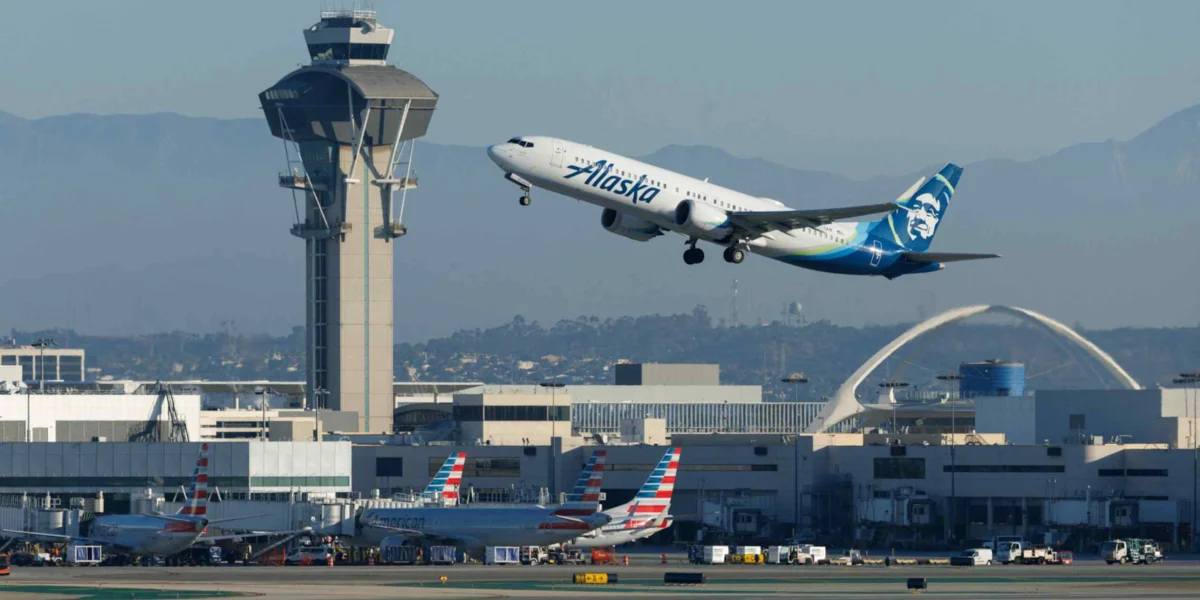
SEATTLE, Washington — U.S. airlines are significantly expanding their flight offerings to Japan, introducing more direct routes and enhancing cabin services to capitalize on a surge in travel demand. This strategic move is largely driven by the persistently weak yen, which has made Japan an increasingly attractive and affordable destination for American travelers. The increased air connectivity signals a robust recovery in international travel and highlights the growing economic ties between the two nations, with airlines actively seeking to capture a larger share of this burgeoning market.
The current expansion represents a notable shift in airline strategy, moving beyond pre-pandemic travel patterns to accommodate a new wave of tourism. Major U.S. carriers, including Alaska Airlines, United Airlines, and American Airlines, are either launching new direct services or increasing the frequency of existing flights to key Japanese cities such as Tokyo, Osaka, and Sapporo. This proactive approach is a direct response to market signals indicating a sustained and growing appetite for Japanese travel. Data from the Japan National Tourism Organization (JNTO) consistently shows a substantial increase in arrivals from North America, with American tourists being a significant demographic. For instance, preliminary figures for the first nine months of 2026 indicate a 45% year-on-year increase in U.S. visitor numbers compared to the same period in 2025, surpassing pre-pandemic levels.
A Weak Yen’s Magnetic Pull on American Travelers
The primary catalyst for this aviation expansion is the sustained weakness of the Japanese yen against the U.S. dollar. For much of 2025 and continuing into 2026, the exchange rate has hovered around 150-160 yen to the dollar, a level not seen in decades. This disparity significantly amplifies the purchasing power of American tourists, making everything from accommodation and dining to cultural experiences and shopping considerably more affordable. A 2025 report by the International Monetary Fund (IMF) highlighted the yen’s depreciation as a key factor in the shifting global tourism landscape, with Japan emerging as a prime beneficiary. This economic advantage translates directly into increased bookings for flights, prompting airlines to bolster their capacity.
Historically, travel to Japan has been a significant, albeit sometimes costly, endeavor for Americans. The cost of flights and on-the-ground expenses often presented a barrier for many. However, the current economic climate has effectively lowered these barriers, making Japan accessible to a broader segment of the American population. This demographic shift includes not only affluent travelers but also younger individuals and families who might have previously considered Japan an aspirational but financially out-of-reach destination. The allure of Japan’s rich cultural heritage, advanced technology, diverse culinary scene, and natural beauty, now coupled with favorable exchange rates, has created a potent combination for travel.
Timeline of Expansion: A Strategic Rollout
The groundwork for this current wave of expansion began to take shape in late 2025, as airlines began to analyze post-pandemic travel recovery trends and the evolving economic landscape. Initial adjustments involved adding more seats on existing routes and optimizing flight schedules. By early 2026, the sustained strength of the dollar against the yen became a clear indicator, prompting more significant strategic planning.
- Late 2025: Airlines begin observing a steady increase in inquiries and bookings for Japan, correlating with the sustained yen weakness. Initial capacity adjustments are made on popular existing routes.
- Early 2026: Major U.S. carriers start announcing plans for new routes and increased frequencies. Alaska Airlines, for example, announces a new direct service from Seattle to Sapporo, a city gaining popularity for its winter tourism and proximity to Hokkaido’s natural attractions.
- Mid-2026: United Airlines reveals plans to enhance its premium cabin offerings on its trans-Pacific routes to Japan, including upgraded seating and dining experiences, aiming to attract business and discerning leisure travelers.
- Late 2026: American Airlines confirms an increase in daily flights from Los Angeles to Tokyo Narita and Haneda airports, reflecting strong demand on the West Coast gateway. The airline also explores possibilities for additional services to Osaka.
- Ongoing: Airlines continue to monitor booking trends and adjust capacity, with many expressing optimism about the long-term prospects for Japan as a key international market.
This phased approach allows airlines to test market demand, secure necessary regulatory approvals, and integrate new services into their operational networks efficiently. The focus on direct flights is particularly significant, as it reduces travel time and enhances passenger convenience, a key factor in the competitive long-haul travel market.
Supporting Data: Fueling the Flight
The decision by U.S. airlines to expand is underpinned by robust data demonstrating a clear upward trajectory in travel demand. Beyond JNTO statistics, other indicators paint a consistent picture:
- Airfare Price Analysis: While flight prices are subject to numerous variables, analysis of fare aggregators indicates that the average cost of a round-trip ticket from major U.S. hubs to Japan has remained relatively stable or seen only marginal increases, despite heightened demand. This is attributed to increased competition and capacity, effectively keeping prices in check and further enhancing affordability for travelers.
- Hotel Occupancy Rates: Reports from major hotel chains and independent booking platforms indicate a significant rise in occupancy rates in popular Japanese tourist destinations. In Tokyo and Kyoto, for instance, occupancy rates have consistently exceeded 85% for much of 2026, with a notable increase in bookings from American visitors.
- Visa Application Trends: While U.S. citizens do not require a visa for short stays in Japan for tourism, trends in travel insurance purchases and long-stay visa applications (for extended travel or study) from the U.S. also suggest an increasing interest and commitment to visiting the country.
- Online Travel Agency (OTA) Data: Leading OTAs have reported a substantial jump in searches and bookings for Japan-related travel packages and individual components, such as flights and accommodations, originating from the United States. These platforms often see preliminary interest spikes before official booking data becomes widely available.
This confluence of data points provides a compelling case for airlines to invest in expanding their presence in the Japan market. The economic advantage offered by the weak yen acts as a powerful multiplier, amplifying the inherent appeal of Japan as a travel destination.
Industry Reactions and Strategic Maneuvers
Airlines are not the only entities observing and reacting to this trend. Travel industry analysts and tourism boards are also highlighting the significance of this period.
"The current exchange rate is a game-changer for inbound tourism to Japan," commented Hiroshi Tanaka, a senior analyst at Global Travel Insights, a market research firm. "We are seeing a paradigm shift where Japan is moving from a premium, aspirational destination to one that is genuinely accessible to a much wider American demographic. Airlines that recognize this and invest in capacity will undoubtedly reap the rewards."
The Japan National Tourism Organization has been actively promoting tourism in North America, leveraging the favorable exchange rate in its marketing campaigns. Their efforts, combined with the increased flight availability, are expected to create a virtuous cycle of demand and supply.
Broader Implications: Economic and Cultural Exchange
The expansion of U.S. airline services to Japan carries significant broader implications beyond the immediate aviation industry.
- Economic Boost for Japan: Increased tourism directly benefits the Japanese economy, supporting sectors such as hospitality, retail, food and beverage, and transportation. The influx of foreign currency can also contribute to Japan’s balance of payments.
- Enhanced Cultural Exchange: More accessible travel facilitates deeper cultural understanding and exchange between the United States and Japan. This can foster stronger bilateral relationships and a greater appreciation for each other’s cultures.
- Competition and Innovation: The increased competition among airlines on these routes may lead to more competitive pricing and innovative service offerings, benefiting consumers. This could also spur further investment in airport infrastructure and related services in both countries.
- Long-Term Market Shift: If the current trend continues, Japan could solidify its position as a top-tier international destination for Americans, potentially leading to a sustained increase in travel volume even if currency fluctuations eventually normalize. Airlines are positioning themselves for this long-term shift.
The strategic expansion of U.S. airlines into Japan is a clear testament to the power of economic conditions in shaping global travel patterns. Fueled by the weak yen, Japan is experiencing a tourism renaissance, and American carriers are making significant investments to ensure they are at the forefront of this exciting resurgence. The coming years are poised to see a substantial increase in direct flights and a more accessible, vibrant travel corridor between the two Pacific nations.