Rifan Muazin
Washington D.C. – The Federal Reserve, on Wednesday, August 19, 2026, officially released the detailed minutes from the Federal Open Market Committee (FOMC) meeting held on July 28-29, 2026. This highly anticipated publication, released at 2:00 p.m. EDT, provides an invaluable window into the central bank’s recent monetary policy deliberations, offering crucial insights into the economic outlook, inflationary concerns, and the future trajectory of interest rates as perceived by the nation’s top monetary policymakers. The minutes, a standard practice of transparency, are typically made public three weeks following the policy decision date, allowing market participants and the public to scrutinize the rationale behind the Fed’s actions and statements.
Understanding the Federal Open Market Committee’s Mandate
The Federal Open Market Committee stands as the primary monetary policymaking body of the Federal Reserve System. Comprising twelve members—seven members of the Board of Governors of the Federal Reserve System; the president of the Federal Reserve Bank of New York; and presidents of four other Federal Reserve Banks, who serve one-year terms on a rotating basis—the FOMC is tasked with the dual mandate of fostering maximum employment and maintaining price stability. These two objectives often require careful balancing, especially in dynamic economic environments. The committee convenes eight times annually for regularly scheduled meetings, with additional unscheduled meetings as economic conditions warrant. Their decisions on the federal funds rate target range, quantitative easing, and quantitative tightening directly influence borrowing costs, investment decisions, and the overall economic health of the United States. The minutes serve as the official record of these critical discussions, capturing the diverse viewpoints, economic assessments, and risks identified by the members at the time of the meeting.
The Economic Landscape Preceding the July Meeting
Leading up to the July 2026 FOMC meeting, the U.S. economy presented a complex picture, marked by persistent inflationary pressures juxtaposed with a resilient, albeit moderating, labor market. Policymakers grappled with the implications of an extended period of elevated inflation and the potential lagged effects of previous aggressive monetary tightening cycles.
- Inflationary Pressures: Data released in the weeks preceding the July meeting indicated that inflation, while having receded from its multi-decade peaks of 2022-2024, remained stubbornly above the Fed’s 2% target. The Consumer Price Index (CPI) for June 2026, released in mid-July, registered a 3.8% year-over-year increase, with core CPI (excluding volatile food and energy prices) standing at 3.5%. While a downward trend was discernible over the past year, the pace of disinflation had slowed considerably in the second quarter of 2026. Supply chain bottlenecks, though largely resolved in many sectors, continued to affect specific industries, and robust consumer demand, particularly in services, contributed to sustained price pressures. Energy prices, influenced by geopolitical developments in Eastern Europe and OPEC+ production decisions, also showed renewed volatility, posing upside risks to the inflation outlook.
- Labor Market Dynamics: The labor market continued to defy expectations of a significant slowdown. The unemployment rate for June 2026 held steady at 3.9%, a level still indicative of a tight market by historical standards. Non-farm payroll additions averaged approximately 180,000 per month in the second quarter, a moderation from the frenetic pace of early 2025 but still robust enough to keep wage growth elevated. Average hourly earnings were growing at an annual rate of 4.5%, presenting a potential challenge to bringing services inflation down to target. While job openings had decreased from their peaks, they still outnumbered available workers, signaling an imbalance.
- GDP Growth: Economic growth, as measured by Gross Domestic Product (GDP), showed signs of cooling but remained positive. The advance estimate for Q2 2026 GDP growth, released shortly after the July FOMC meeting, indicated an annualized rate of 1.8%, following a 2.5% expansion in Q1. This slowdown was largely attributed to reduced consumer spending on durable goods and a softening housing market, impacted by higher mortgage rates. Business investment, however, showed surprising resilience, supported by strong corporate balance sheets and ongoing technological advancements.
- Global Economic Factors: The global economic environment also factored into the FOMC’s deliberations. Slowing growth in China, persistent inflation in the Eurozone, and geopolitical tensions in several regions presented headwinds and uncertainties. A stronger U.S. dollar, a consequence of higher domestic interest rates, also had implications for export competitiveness and imported inflation.
The July 28-29, 2026 FOMC Meeting: Deliberations and Decisions
Against this backdrop, the July FOMC meeting concluded with the Committee opting to maintain the federal funds rate target range at 5.25% to 5.50%. This decision, largely anticipated by market participants, followed a series of aggressive hikes earlier in 2025 and 2026, which had brought the policy rate into what many economists considered restrictive territory. The minutes, released today, illuminate the granular discussions that shaped this decision and provided a forward-looking perspective.
- Policy Stance and Forward Guidance: The minutes revealed a consensus among members that while significant progress had been made in combating inflation, the job was not yet done. Several participants expressed a preference for maintaining a restrictive stance for a prolonged period, emphasizing the need for "convincing evidence" that inflation was sustainably moving towards the 2% target before considering any policy adjustments. The phrase "higher for longer" permeated the discussions, reflecting a cautious approach to avoid a premature easing that could reignite price pressures.
- Divergent Views on Future Policy: While the decision to hold rates steady was unanimous, the minutes underscored a healthy debate regarding the appropriate path forward. A faction of members, often termed "hawks," argued that the risk of inflation re-accelerating still outweighed the risk of overtightening. They suggested that further modest rate increases might be necessary if incoming data did not confirm a sustained disinflationary trend. Conversely, "doves" expressed growing concerns about the cumulative impact of past rate hikes on economic activity and financial stability. They highlighted the significant lags with which monetary policy affects the economy and cautioned against pushing the economy into an unnecessary recession.
- Inflation Assessment and Risks: A key focus of the discussion revolved around the sources and persistence of inflation. Participants noted that while goods inflation had largely normalized, services inflation, particularly in areas like housing and wages, remained elevated. Several members pointed to strong consumer demand and a tight labor market as key drivers. The minutes also detailed concerns about potential "sticky" inflation components and the risk that inflation expectations could become unanchored if the Fed did not maintain a firm stance. Upside risks included renewed energy price shocks and potential fiscal policy developments.
- Labor Market Evaluation: The committee acknowledged the continued strength of the labor market but also discussed nascent signs of cooling. While unemployment remained low, the pace of job creation had moderated, and some sectors were reporting a slight easing in hiring difficulties. Members debated whether the current level of unemployment was sustainable without generating further inflationary pressures, with some suggesting that a modest increase in the unemployment rate might be necessary to fully restore price stability.
- Financial Stability Considerations: The minutes dedicated a notable portion to financial stability. Members reviewed the resilience of the banking system following the regional banking stresses observed in early 2023. While overall stability was deemed robust, specific vulnerabilities were highlighted, including potential stresses in commercial real estate (CRE) markets and the increasing leverage in certain non-bank financial sectors. The Committee discussed how monetary policy decisions could inadvertently impact these areas, adding another layer of complexity to their deliberations.
Timeline of Recent Monetary Policy Decisions and Economic Data
The July 2026 FOMC meeting and its minutes are part of a broader chronology of the Federal Reserve’s efforts to navigate a challenging economic period:
- Late 2024 – Early 2025: Following a period of aggressive rate hikes in 2022-2023, the Fed entered a phase of assessing the impact of its tightening cycle. Inflation showed initial signs of decelerating, but the labor market remained historically tight. The federal funds rate target range reached 5.00%-5.25% by early 2025.
- Mid-2025: Renewed inflationary pressures, partly driven by robust consumer spending and supply chain adjustments, led the FOMC to resume modest rate hikes. The Committee also continued its balance sheet reduction (quantitative tightening), which had been ongoing since mid-2022, further withdrawing liquidity from the financial system.
- Late 2025 – Early 2026: The Fed enacted further rate increases, pushing the federal funds rate to its current restrictive level. Economic data during this period indicated a gradual slowdown in GDP growth but stubborn inflation, particularly in services.
- June 2026 FOMC Meeting: At its meeting prior to July, the Committee had also opted to hold rates steady, signaling a data-dependent pause but emphasizing that future moves were not off the table. The minutes from that meeting, released in early July, had already hinted at the divisions within the committee regarding the path forward.
- July 2026 FOMC Meeting (this release): The decision to hold rates at 5.25%-5.50% and the subsequent release of these minutes on August 19, 2026, mark a critical juncture. They reveal the ongoing debate about whether the current policy stance is sufficiently restrictive to achieve the 2% inflation target or if further action might be required.
Analyst and Market Reactions to the Minutes
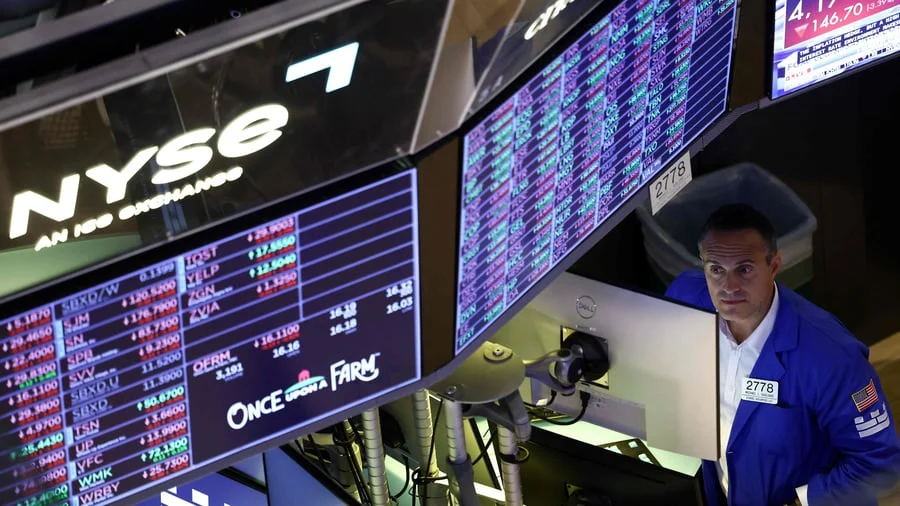
Upon the release of the July FOMC minutes, financial markets exhibited a measured reaction, largely because the decision to hold rates was already priced in. However, the nuances within the document prompted adjustments in market expectations for future policy.
- Equities: Stock markets saw minor fluctuations. Growth-oriented sectors, which are often more sensitive to interest rate expectations, showed some sensitivity to the discussions about "higher for longer." The S&P 500 briefly dipped before recovering, as investors digested the lack of a definitive pivot towards easing.
- Fixed Income: U.S. Treasury yields, particularly for shorter-dated maturities (2-year and 5-year), saw a slight upward tick. This reflected the market interpreting the minutes as a signal that rate cuts are unlikely in the near term and that the Fed is prepared to maintain a restrictive policy for an extended duration. The 10-year Treasury yield, a benchmark for mortgage rates and other long-term borrowing costs, also saw a modest increase.
- U.S. Dollar: The U.S. Dollar Index (DXY) strengthened marginally against a basket of major currencies. The persistent hawkish undertones in the minutes, suggesting continued U.S. interest rate superiority, provided support for the greenback.
- Economist Interpretations: Leading economists and market strategists quickly dissected the minutes. "The minutes reinforce the Fed’s commitment to fighting inflation, even if it means tolerating a period of slower growth," noted Dr. Evelyn Reed, Chief Economist at Global Macro Advisors. "The emphasis on data dependency means every upcoming inflation and jobs report will be scrutinized even more closely." Others highlighted the internal divisions. "The debate between the hawks and doves is clearly laid out," commented Mr. Thomas Vance, a senior strategist at Sterling Asset Management. "The market will now be looking for any shifts in this balance in upcoming speeches by Fed officials." The discussions around financial stability also caught attention, indicating that while not a primary driver of policy, it remains a significant consideration.
Broader Implications for the Economy and Public
The insights gleaned from the July FOMC minutes carry significant implications for various segments of the economy and the general public.
- For Consumers: The "higher for longer" narrative embedded in the minutes suggests that borrowing costs, including mortgage rates, auto loans, and credit card interest rates, are likely to remain elevated for the foreseeable future. This could continue to temper consumer spending, particularly on large-ticket items, and put pressure on household budgets. Conversely, savers may continue to benefit from relatively higher yields on savings accounts and certificates of deposit (CDs).
- For Businesses: Businesses will continue to face higher costs of capital, which could impact investment decisions, expansion plans, and hiring intentions. Companies reliant on debt financing for growth may find it more challenging. The continued strength of the labor market, however, also implies ongoing wage pressures, which businesses may seek to pass on to consumers, potentially fueling further inflation. Small and medium-sized enterprises (SMEs) might feel the pinch more acutely due to less access to diverse financing options compared to larger corporations.
- For Investors: The minutes suggest that volatility in financial markets could persist as investors continually re-evaluate the Fed’s next moves based on incoming economic data. Sector-specific impacts are also likely, with rate-sensitive industries like real estate and technology potentially facing headwinds, while financial institutions might benefit from higher net interest margins. Investors will need to maintain diversified portfolios and remain agile in their investment strategies, focusing on companies with strong balance sheets and resilient earnings.
- Future Policy Outlook: The minutes strongly indicate that the FOMC remains in a data-dependent mode. While the July meeting resulted in a pause, the discussions underscore that future rate hikes are not entirely off the table if inflation proves more stubborn than anticipated. Conversely, a significant deterioration in economic conditions or a rapid deceleration in inflation could prompt a shift towards easing. The September 2026 FOMC meeting and subsequent gatherings will be closely watched for any changes in rhetoric or policy direction, with market participants particularly keen on the updated Summary of Economic Projections (SEP) that accompanies some meetings, offering insights into individual members’ forecasts for interest rates, inflation, unemployment, and GDP.
Conclusion: Navigating Economic Uncertainty
The release of the July 28-29, 2026 FOMC minutes reaffirms the Federal Reserve’s unwavering commitment to achieving its dual mandate of maximum employment and price stability amidst an uncertain economic landscape. The detailed discussions reveal a central bank meticulously evaluating incoming data, weighing the risks of both overtightening and undertightening, and actively debating the appropriate path for monetary policy. While the decision to hold rates steady provides a temporary respite, the "higher for longer" sentiment and the emphasis on data dependency mean that the economic journey ahead remains fraught with complexities. For policymakers, businesses, investors, and consumers alike, vigilance and adaptability will be paramount in navigating the evolving economic environment as the Federal Reserve continues its delicate balancing act to steer the nation towards sustainable growth and price stability.
The full text of the minutes can be viewed on the Board’s official website. For media inquiries, interested parties may contact the Federal Reserve Board at [email protected] or by calling 202-452-2955. The minutes are available in both HTML and PDF formats for comprehensive review.