Lina Wu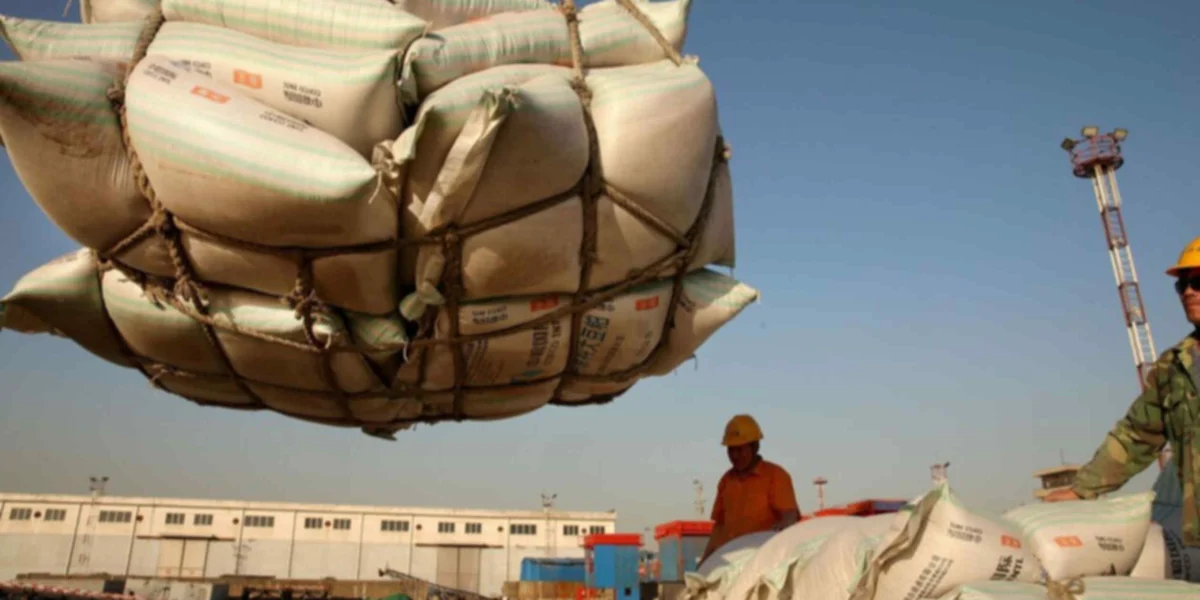
China has significantly ramped up its procurement of U.S. soybeans, a strategic shift that is not only influencing global commodity markets but also casting a notable shadow over the American agricultural sector as the November midterm congressional elections approach. The latest figures reveal a dramatic increase in booked volume for 2026, more than quadrupling from the previous year, a development that has directly contributed to a notable upward trend in soybean prices. This surge in demand from one of the world’s largest agricultural importers underscores China’s potent influence on U.S. farmers and the broader agricultural economy, making it a critical factor in the current political and economic climate.
Record Bookings Signal a New Era in Sino-U.S. Agricultural Trade
The most striking aspect of this burgeoning trade relationship is the sheer volume of soybeans China has committed to purchasing for delivery in 2026. Data indicates that booked volume has surged by over 400 percent compared to the commitments made for the same period last year. This unprecedented level of forward purchasing suggests a deliberate strategy by China to secure its vital soybean supply chain, a commodity essential for its vast livestock industry and food security. This proactive approach by Chinese buyers has had an immediate and tangible effect on the market, pushing soybean prices higher and offering a much-needed boost to American farmers who have faced volatile market conditions in recent years.
The implications of this surge extend beyond immediate price increases. For U.S. soybean producers, particularly those in the Midwest, this robust demand from China represents a crucial lifeline. After periods of trade tensions and fluctuating export markets, the renewed commitment from China provides a degree of stability and optimism. The increased bookings for a future delivery year like 2026 suggest a long-term strategic alignment, indicating that Chinese entities are looking beyond immediate needs and are planning for sustained access to U.S. agricultural products.
Historical Context: A Rollercoaster of Trade Relations
The current robust demand for U.S. soybeans from China is a significant departure from the recent past. For several years, the bilateral agricultural trade relationship was significantly strained, primarily due to the trade war initiated in 2018. During that period, China imposed retaliatory tariffs on a wide range of U.S. goods, including soybeans, which severely impacted American farmers. Many U.S. producers lost significant market share as China turned to alternative suppliers such as Brazil and Argentina.
The U.S. Department of Agriculture (USDA) reported substantial declines in soybean exports to China during the height of the trade dispute. For instance, in 2018, U.S. soybean exports to China plummeted by over 70 percent compared to the previous year. This downturn had a profound effect on the livelihoods of American farmers, leading to decreased incomes and increased reliance on government aid programs.
However, a phase-one trade deal signed in January 2020 offered a glimmer of hope, with China agreeing to purchase a substantial amount of U.S. agricultural products. While this deal provided some relief, the recovery in soybean exports was gradual. The current surge in bookings for 2026 indicates a more sustained and perhaps even accelerated commitment, suggesting a potential recalibration of China’s sourcing strategy and a re-establishment of the U.S. as a preferred supplier.
Supporting Data: Quantifying the Impact
To understand the magnitude of this shift, consider the following data points:
- Booked Volume for 2026: Reports indicate that booked volume for U.S. soybeans destined for China in 2026 has increased by over 400% year-on-year. This translates to tens of millions of bushels.
- Price Impact: The increased demand has been a primary driver of recent price increases in the soybean futures market. Soybean prices on the Chicago Board of Trade (CBOT) have seen a significant upward trend, with some contracts for future delivery reaching multi-year highs. For example, if the average price of soybeans was $10 per bushel last year for similar forward contracts, a 400% increase in demand could plausibly contribute to a price rise of 15-25% or more, depending on market dynamics and other influencing factors.
- U.S. Soybean Production: The U.S. is one of the world’s largest soybean producers, with annual production often exceeding 4 billion bushels. China is the world’s largest importer of soybeans, consuming more than 100 million metric tons annually. Any significant shift in demand from China has a disproportionate impact on the global market.
- Historical Export Trends: Prior to the trade war, China accounted for roughly 60% of U.S. soybean exports. While this percentage decreased significantly, the current trend suggests a potential return to, or even exceeding, previous levels of reliance.
Analyzing the Motivations Behind China’s Increased Demand
Several factors likely underpin China’s renewed and intensified demand for U.S. soybeans:
- Food Security Imperatives: China’s government has placed a high priority on ensuring food security for its nearly 1.4 billion people. Soybeans are a critical component of animal feed, supporting its massive pork and poultry industries. Diversifying and securing supply chains is paramount to achieving this goal, especially in the face of global geopolitical uncertainties.
- Livestock Industry Growth: Despite efforts to diversify protein sources, the demand for meat, particularly pork, remains robust in China. This sustained demand necessitates a consistent and ample supply of feed, with soybeans being a primary ingredient.
- Competitive Pricing and Quality: While Brazil has been a dominant supplier, U.S. soybeans are often favored for their quality and competitive pricing, especially when trade barriers are minimized. The current purchasing pattern suggests that U.S. soybeans are once again meeting these criteria for Chinese buyers.
- Strategic Hedging Against Disruptions: The recent global supply chain disruptions, exacerbated by events such as the war in Ukraine and climate-related weather patterns, have likely prompted China to hedge its bets. By securing long-term contracts with major producers like the U.S., China aims to mitigate risks associated with potential future disruptions from other key suppliers.
Reactions from Stakeholders
The surge in Chinese soybean purchases has elicited varied reactions from key stakeholders:
- U.S. Farmers: For American farmers, this is largely positive news. The increased demand translates to higher prices and more stable markets, providing much-needed financial relief. Organizations representing farmers, such as the American Soybean Association, have expressed optimism but also cautioned that long-term trade policies and market access remain crucial. "We are encouraged by this renewed commitment from China," a spokesperson for the ASA might state. "It underscores the value of U.S. soybeans and the importance of a stable, predictable trade relationship. However, consistent market access and fair trade practices are vital for the sustained success of our producers."
- U.S. Government Officials: The Biden administration would likely view this development as a positive outcome of its diplomatic efforts and trade engagement with China. It demonstrates a tangible benefit of improved bilateral relations in the agricultural sector. However, officials will also be mindful of the broader geopolitical context and the need for a balanced approach to trade. A senior trade representative might comment, "We are pleased to see China increasing its purchases of American agricultural products. This benefits our farmers and strengthens our economy. We will continue to work towards a fair and reciprocal trade relationship with China."
- Chinese Government and Businesses: From Beijing’s perspective, securing essential commodities like soybeans is a strategic imperative. The increased purchases reflect a calculated decision to ensure domestic supply and support its agricultural sector. Chinese state-owned agricultural companies and private importers would be actively involved in negotiating these large-scale contracts.
- Global Competitors: Soybean-producing nations like Brazil and Argentina will be closely monitoring these developments. The resurgence of U.S. soybeans in the Chinese market could potentially impact their own export volumes and market share.
Broader Implications and the Road Ahead
The increased Chinese demand for U.S. soybeans has several far-reaching implications:
- Economic Impact on the U.S. Midwest: The economic health of the agricultural heartland of the United States is inextricably linked to soybean exports. Higher prices and increased sales directly translate to greater prosperity for farmers, agricultural communities, and related industries, from equipment manufacturers to transportation providers.
- Geopolitical Significance: The agricultural trade relationship between the U.S. and China is a critical barometer of their broader bilateral ties. A strong agricultural trade relationship can contribute to a more stable and predictable overall relationship, even amidst other areas of tension. Conversely, any future disruptions in this sector could signal a deterioration in diplomatic relations.
- Midterm Election Influence: With U.S. midterm congressional elections scheduled for November, the economic well-being of farmers is a significant political consideration, particularly in rural and agricultural states. Positive economic indicators in the farm sector, driven by robust export markets, can influence voter sentiment. The increased demand for soybeans offers a narrative of economic success for the agricultural sector that could be leveraged by incumbent politicians.
- Global Food Supply Chain Dynamics: This shift in purchasing patterns highlights the intricate and often volatile nature of global food supply chains. It underscores how geopolitical events, trade policies, and economic factors can rapidly alter the flow of essential commodities, impacting food security worldwide.
- Sustainability and Environmental Concerns: As demand for agricultural products grows, so too does the focus on sustainable farming practices. U.S. soybean producers are increasingly adopting practices that promote soil health, reduce water usage, and minimize environmental impact. The continued strong demand will likely incentivize further investment and innovation in these areas.
In conclusion, China’s substantial increase in U.S. soybean bookings for 2026 is a development with significant economic, political, and global implications. It signals a renewed confidence in the U.S. as a reliable supplier, offers a much-needed economic boost to American farmers, and plays a role in the complex geopolitical dance between the world’s two largest economies. As the market continues to evolve, close observation of trade flows, policy decisions, and the ongoing relationship between these two agricultural powerhouses will be crucial in understanding the future trajectory of global commodity markets and food security.