Farhan Pambudi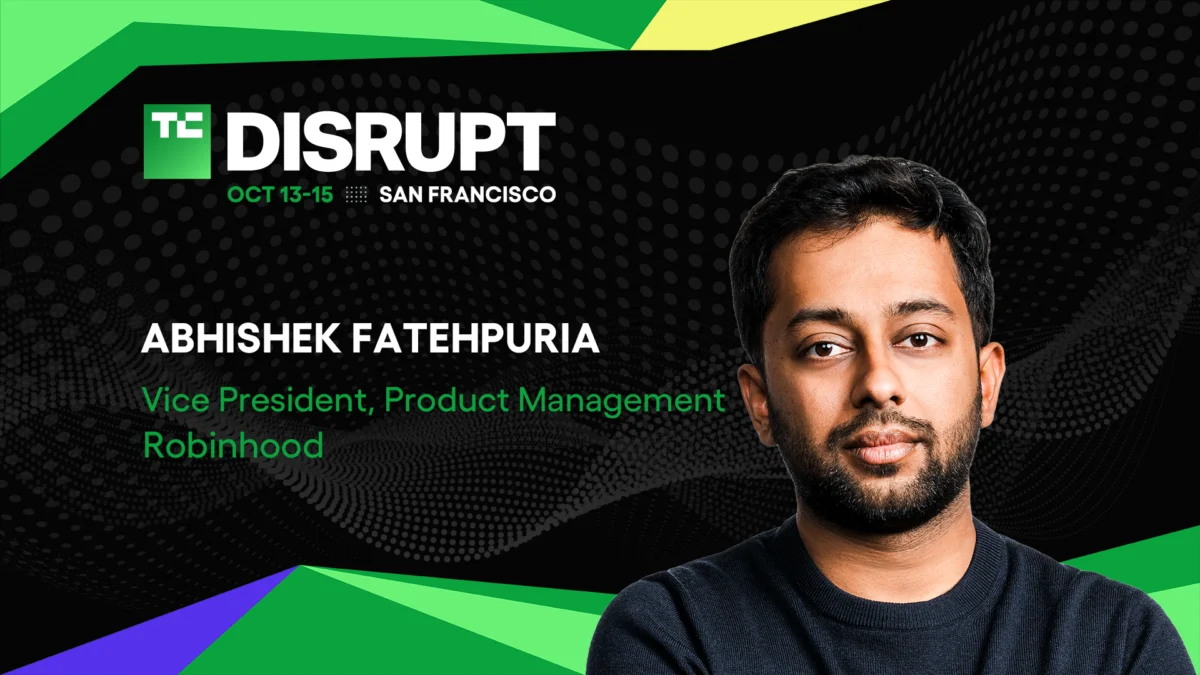
The global financial services industry is currently undergoing a period of unprecedented consolidation and technological transformation, characterized by the blurring of lines between traditional banking, retail brokerage, and emerging digital asset classes. As consumers increasingly demand that their financial tools mirror the seamless, intuitive user experiences found in the broader technology sector, firms are racing to build "super-apps" capable of managing every facet of a user’s economic life. At the center of this evolution is Robinhood Markets, Inc., which has transitioned from a disruptive commission-free trading platform into a comprehensive financial ecosystem. To address these shifts, Abhishek Fatehpuria, Vice President of Product Management for Brokerage at Robinhood, will take the Smart Money Stage at TechCrunch Disrupt 2026 in San Francisco to present a session titled Winning the Modern Financial Consumer.
The appearance comes at a pivotal moment for the Menlo Park-based company and the fintech sector at large. Scheduled for October 13–15 at Moscone West, TechCrunch Disrupt 2026 is expected to host more than 10,000 founders, investors, and technology decision-makers. Fatehpuria’s session will focus on the intersection of artificial intelligence, high-scale product management, and the shifting psychology of the modern investor. As the industry moves toward 2027, the primary challenge for fintech leaders is no longer just providing access to markets, but rather maintaining consumer trust while scaling complex, AI-driven products that operate at the speed of the internet.
The Evolution of the Robinhood Ecosystem: A Chronology of Diversification
To understand the context of Fatehpuria’s upcoming address, one must look at the rapid expansion of Robinhood’s product roadmap over the last several years. Founded in 2013 with the mission to "democratize finance for all," the company initially focused on a single value proposition: zero-commission stock trading. This model forced a paradigm shift across the entire brokerage industry, leading incumbents like Charles Schwab and E*TRADE to eventually eliminate their own trading fees.
However, the post-2021 era marked a strategic pivot for the firm. Following its initial public offering (IPO) in July 2021, Robinhood began an aggressive campaign to diversify its revenue streams and increase its "wallet share" among users. This journey involved several key milestones:
- Expansion into Retirement (2023): The launch of Robinhood Retirement, featuring the first-ever IRA match for contributors, signaled the company’s intent to move beyond short-term "meme stock" trading and into long-term wealth management.
- The Credit and Banking Push (2024-2025): Following the acquisition of credit card startup X1, Robinhood launched its own credit card and significantly enhanced its banking features, offering high-yield cash sweeps that rivaled traditional high-yield savings accounts.
- Global Integration and Crypto (2025): The company expanded its crypto trading capabilities into European markets and integrated sophisticated wallet features, allowing for the seamless movement of assets between traditional fiat and digital currencies.
- The AI Pivot (2026): By early 2026, Robinhood began rolling out "Cortex," its proprietary AI engine designed to provide personalized financial insights, alongside "Agentic Trading" tools that allow users to delegate specific trading parameters to autonomous digital agents.
By the end of August 2026, these efforts culminated in a platform hosting 28.6 million funded customers with a staggering $384 billion in total platform assets. This scale places Robinhood in direct competition not just with other fintechs, but with the largest retail banks in the United States.
Supporting Data: Quantifying the Shift in Consumer Behavior
The data released by Robinhood in its 2026 mid-year reports highlights a significant shift in how users interact with financial technology. No longer is the platform viewed solely as a place to buy and sell equities; it has become a central hub for liquidity and speculation.

In the banking sector, Robinhood Banking attracted over $3 billion in deposits by the second quarter of 2026. This influx of capital is attributed to the platform’s ability to offer interest rates that often exceed those of "Big Four" banks, coupled with a user interface that removes the friction typically associated with moving money between accounts. Furthermore, the credit card division has matured into a significant revenue driver, surpassing $100 million in annualized revenue within a relatively short timeframe.
Perhaps the most striking data point lies in the explosion of prediction markets. In August 2026 alone, Robinhood reported that 4.7 billion event contracts were traded on its platform—a 15-fold increase compared to the previous year. Prediction markets, which allow users to trade on the outcome of real-world events ranging from economic indicators to political elections, have emerged as a dominant form of engagement for the younger demographic. The cumulative total of 3.5 billion contracts traded through the first half of the year suggests that "speculative information trading" is becoming a staple of the modern financial diet.
The AI Frontier: Cortex and Agentic Trading
A core component of Fatehpuria’s discussion at TechCrunch Disrupt will likely involve Robinhood’s foray into artificial intelligence. The fintech industry is currently grappling with how to implement AI in a way that provides genuine utility without introducing systemic risk or violating fiduciary responsibilities.
Robinhood’s solution has been the introduction of Agentic Trading. As of the second quarter of 2026, nearly 100,000 customers had opened accounts specifically designed for this purpose. Agentic Trading utilizes AI-powered agents to execute trades in equities, options, and cryptocurrencies based on high-level strategies set by the user. For example, a user might instruct an agent to "rebalance my portfolio toward green energy stocks whenever market volatility exceeds a certain threshold," and the AI handles the execution.
This move represents a fundamental change in the relationship between the user and the brokerage. In the traditional model, the broker is a passive execution venue. In the AI-driven model, the platform becomes an active partner in portfolio management. The success of these tools depends heavily on "Cortex," the underlying AI infrastructure that processes massive datasets in real-time to provide the logic for these agents.
Industry Reactions and the Competitive Landscape
The rapid ascent of Robinhood’s multi-product ecosystem has drawn mixed reactions from the financial community. Traditional banking executives have expressed concerns regarding the "gamification" of complex financial products, particularly prediction markets and high-leverage options trading. Critics argue that the ease of use provided by these apps can sometimes mask the inherent risks of the underlying assets.
Conversely, venture capitalists and technology analysts view Robinhood’s evolution as the blueprint for the future of finance. "The consumer doesn’t want five different apps for their mortgage, their stocks, their crypto, and their credit card," noted one fintech analyst during a recent industry roundtable. "They want a unified balance sheet. Robinhood is currently the closest thing to a Western ‘Super App’ in the financial space."

Regulatory bodies, including the SEC and FINRA, continue to monitor the integration of AI in retail trading. The challenge for Robinhood—and the topic of much debate at events like Disrupt—is how to scale these "trust-heavy" products while navigating a tightening regulatory environment that is increasingly skeptical of algorithmic influence on retail investors.
TechCrunch Disrupt 2026: Context and Significance
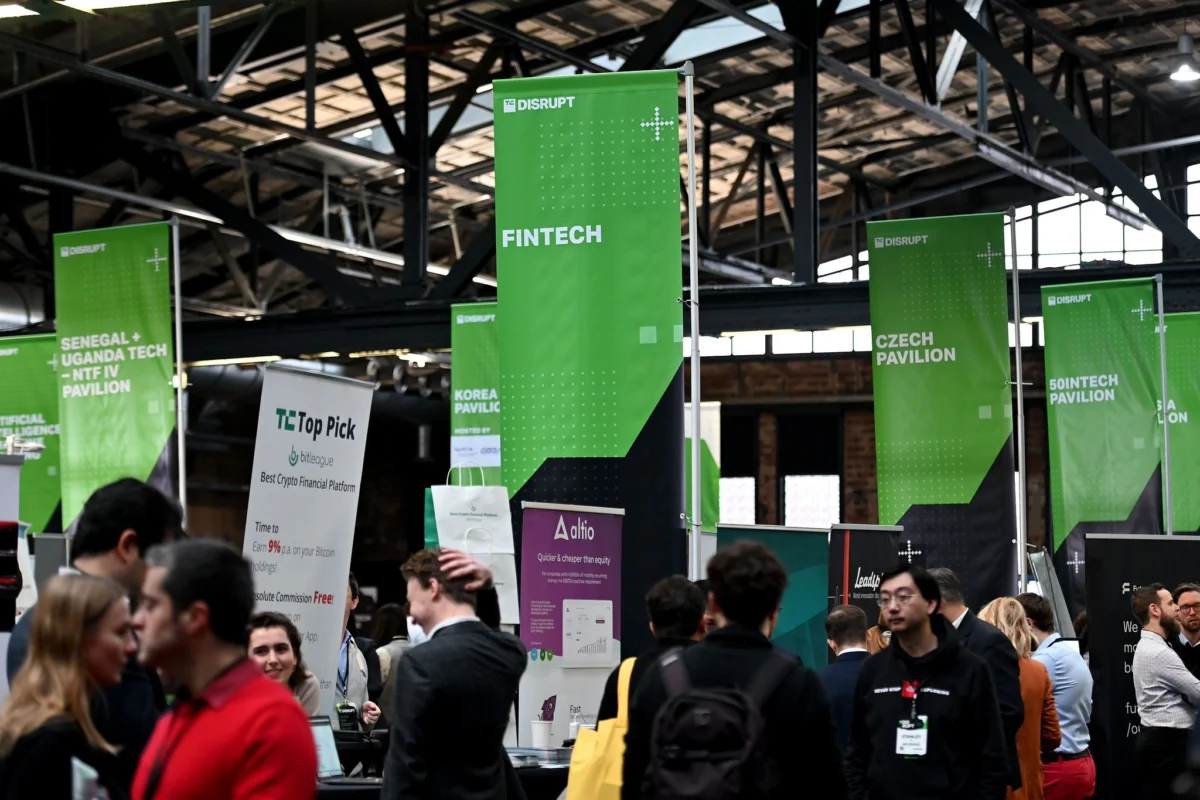
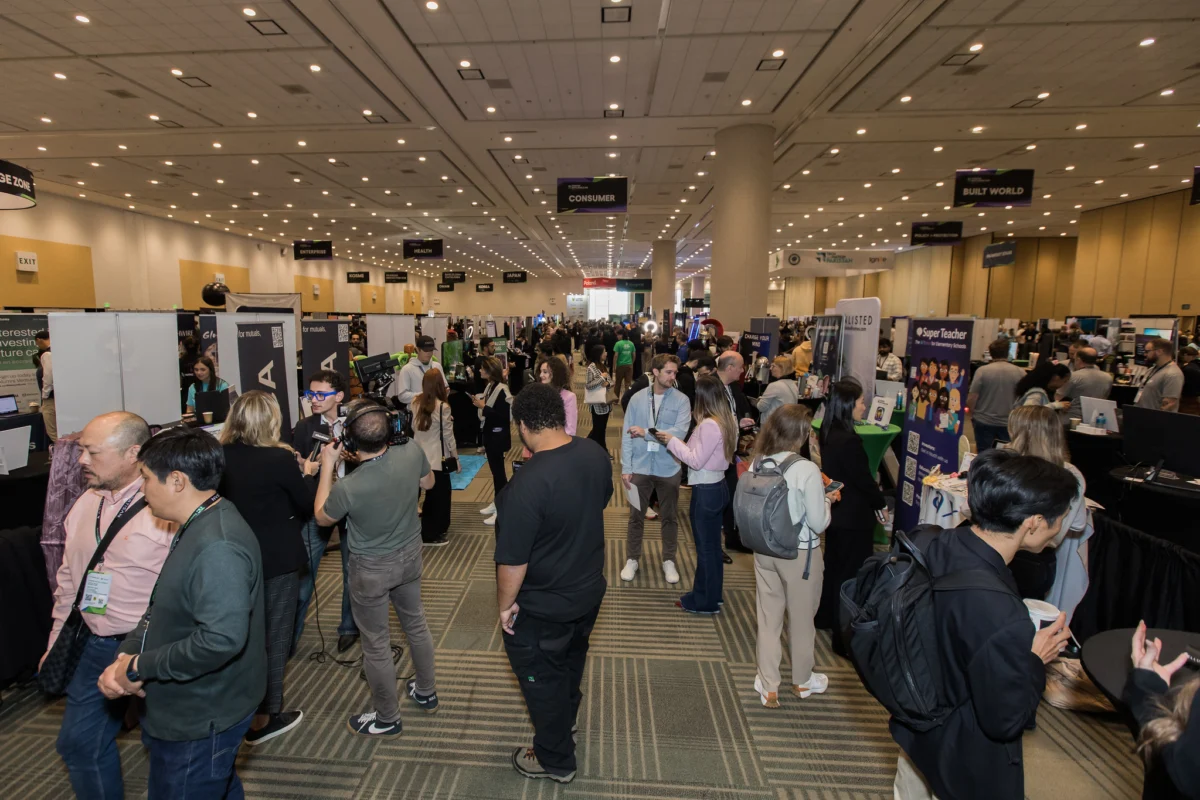
TechCrunch Disrupt remains the premiere venue for exploring these industry-defining tensions. Since its inception, the conference has served as the launching pad for companies that have redefined the global economy, including the likes of Dropbox and Fitbit. The 2026 edition, held at Moscone West, comes at a time when the "Series A crunch" of previous years has given way to a new era of "Scale-Up" dominance, where the focus has shifted from mere user growth to sustainable profitability and ecosystem lock-in.
The Smart Money Stage, where Fatehpuria will speak, is specifically dedicated to the intersection of money and technology. It provides a forum for founders to learn how to maintain product-led growth and for investors to identify the next wave of infrastructure that will power global commerce. The event also offers practical benefits for the startup community; organizers have announced that registration before the September 25 deadline offers savings of up to $200, with additional discounts for group passes.
Broader Impact and Future Implications
The themes Abhishek Fatehpuria will explore—trust, scale, and the modern consumer—have implications that extend far beyond the walls of Robinhood. As financial products become more "responsive" and "intuitive," the barrier to entry for sophisticated financial strategies is being lowered. This democratization of complex tools could lead to greater financial inclusion, but it also necessitates a new era of digital financial literacy.
Furthermore, the "winning" strategy for the modern consumer appears to be rooted in the elimination of complexity. The successful financial products of the late 2020s will likely be those that can manage high levels of backend complexity (AI agents, cross-border crypto settlement, prediction market liquidity) while presenting a simple, unified interface to the user.
As Robinhood continues its push into private markets and international expansion, its performance serves as a bellwether for the entire fintech sector. The company’s ability to convert 28 million traders into 28 million "financial life" customers will determine whether the "Super App" model can truly take root in the fragmented Western market. Attendees at TechCrunch Disrupt 2026 will receive a firsthand account of this ambitious evolution, gaining insights into the product philosophy that manages nearly $400 billion in assets through a smartphone interface.
The financial consumer is no longer a static entity; they are a dynamic participant in a global, 24/7 digital economy. For leaders in the space, the mandate is clear: adapt to the speed of technology or risk obsolescence in an era where the app used to trade a stock is the same app used to buy groceries, save for retirement, and predict the future.