Farhan Pambudi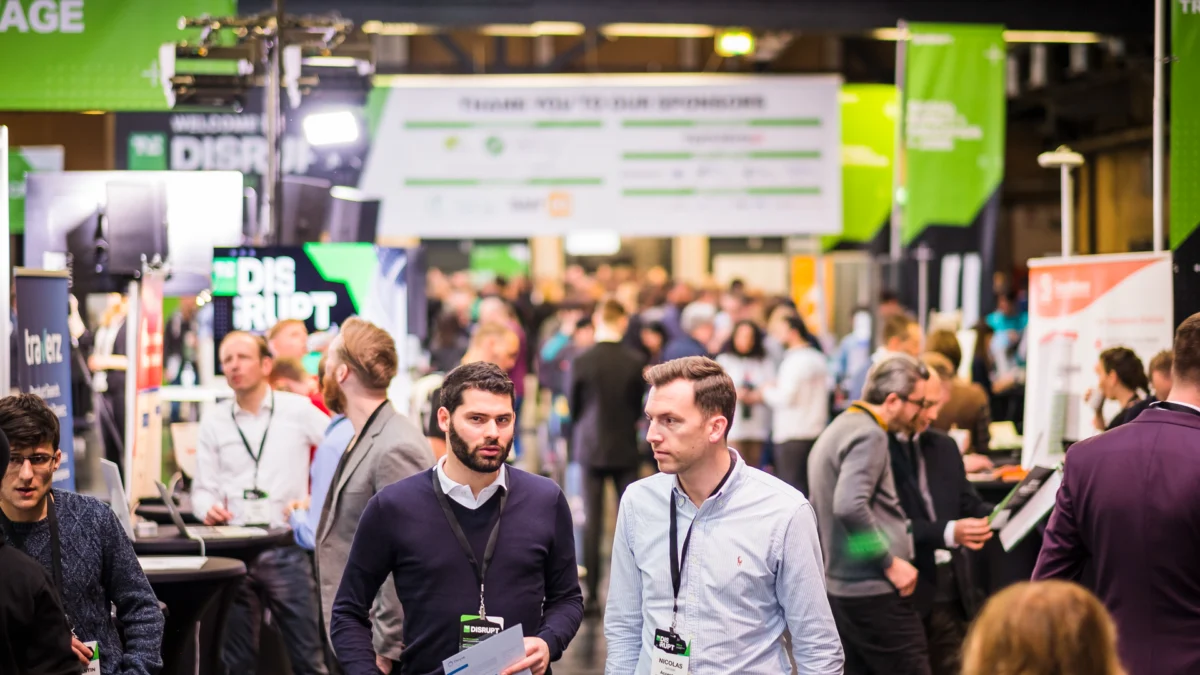
TechCrunch has officially launched a strategic "Buy One, Get One 50% Off" (BOGO) ticket initiative for its flagship Disrupt 2026 conference, signaling a push to maximize collaborative attendance as the event nears its October 13 opening. The promotion, which applies across all primary registration tiers, is designed to facilitate the presence of co-founding teams, investment partners, and organizational cohorts at the Moscone West convention center in San Francisco. Under the terms of the offer, the purchase of any single pass entitles the buyer to a 50% discount on a second pass of the identical ticket type, provided the transaction is completed before the venue doors open at 8:00 a.m. PT on the first day of the conference.
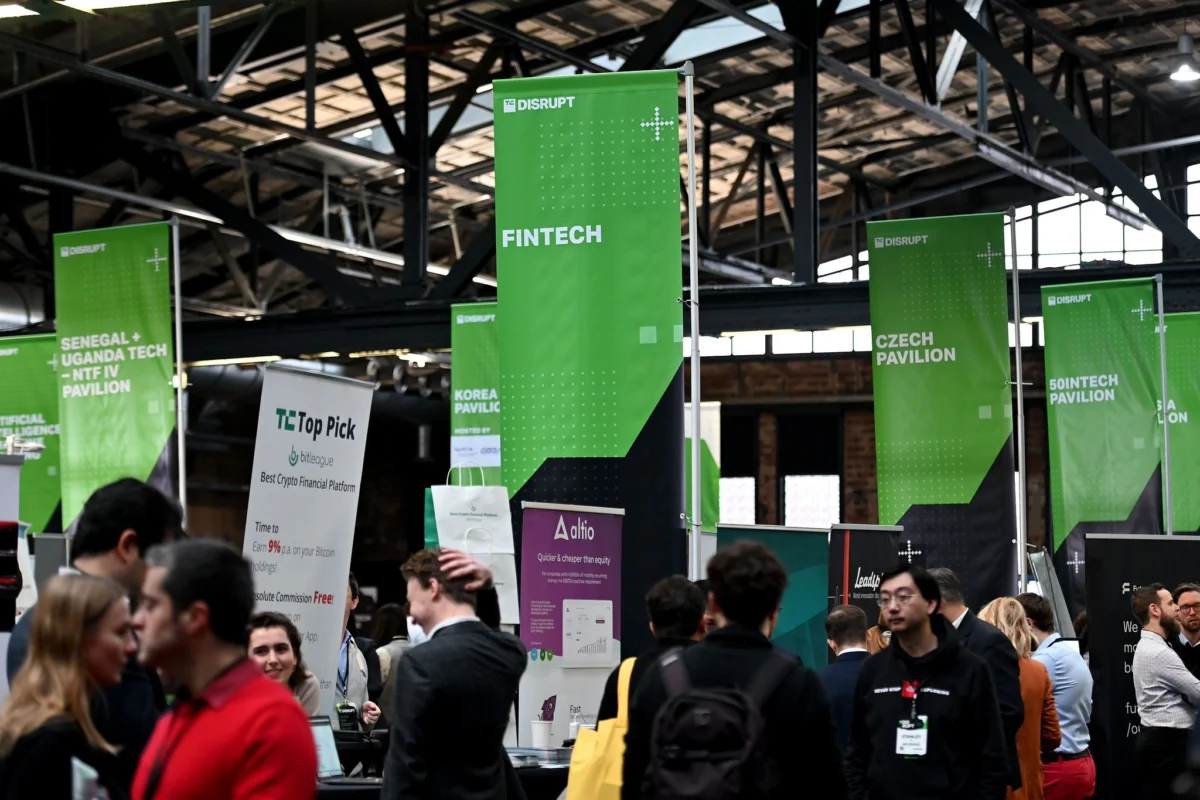
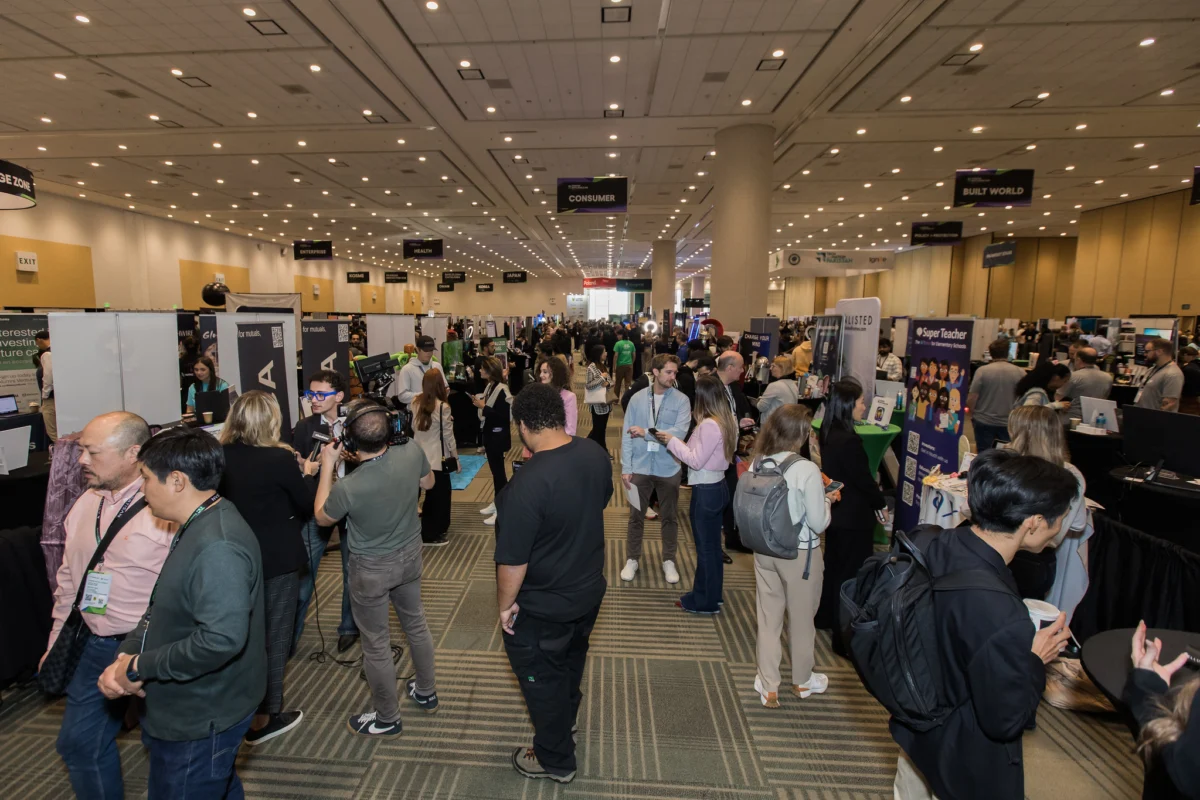
This tactical pricing adjustment comes at a critical juncture for the 2026 tech calendar. As the industry grapples with evolving venture capital dynamics and the rapid integration of generative artificial intelligence across the enterprise stack, the value of in-person technical and financial exchange has seen a resurgence. By incentivizing "plus-one" attendance, TechCrunch Disrupt aims to address a common logistical challenge of large-scale summits: the inability of a single individual to navigate the more than 200 sessions and 300 startup exhibitions scheduled over the three-day period.
Strategic Framework of the BOGO Initiative
The decision to implement a tiered BOGO offer reflects a nuanced understanding of the different personas within the tech ecosystem. Each ticket category carries a specific value proposition and a corresponding savings margin that reflects its market position.
Investor and Founder Dynamics
For the investment community, the BOGO offer provides a savings of up to $450. In the current high-stakes environment where due diligence and rapid signal-processing are paramount, the ability for firms to send two partners or an associate-partner pair is a significant advantage. This allows investment teams to bifurcate their efforts—one focusing on the Startup Battlefield competition while the other engages in curated networking or industry-specific roundtables.

Founders, meanwhile, stand to save $425 through the initiative. This tier is arguably the most critical for the event’s "disruptive" mission. Founding teams often face the dilemma of choosing between attending technical workshops and pitching to prospective investors. The discounted second pass enables co-founders to divide these responsibilities, ensuring that the startup maintains a presence at both the Builders Stage and the networking lounges simultaneously.
Operators and Industry Professionals
The "Attendee" pass, geared toward product managers, engineers, and growth marketers, offers a $412 reduction on the second ticket. This category focuses on the "how-to" of scaling technology companies. With six industry stages running concurrently, an organizational pair can effectively double their intelligence-gathering capacity, covering topics ranging from DevOps optimization to go-to-market strategies for SaaS platforms.
Specialized Tiers: Non-Profits, Students, and Explorers
TechCrunch has also extended the offer to the edges of the ecosystem. Non-profit organizations can save $237 on a second pass, a move intended to bridge the gap between social impact and high-growth technology. Students, representing the future talent pipeline, receive a $175 discount on the second pass, encouraging peer-based networking. Finally, the "Expo+" tier—designed for those scouting talent or seeking a broad overview of the 300+ showcasing startups—provides a $162 savings on the second ticket.
Event Scale and Technical Infrastructure
Disrupt 2026 is projected to host more than 10,000 attendees, including a diverse mix of founders, venture capitalists, and corporate leaders. The 2026 iteration is characterized by a significant investment in AI-powered matchmaking infrastructure. This system is designed to move beyond traditional "business card exchange" networking by utilizing algorithmic data to suggest meetings based on stage of funding, industry vertical, and technical requirements.
The conference agenda is structured across three days (October 13-15) and features:

- 200+ Tactical Sessions: Led by a roster of 250+ tech leaders, these sessions focus on the practicalities of building and scaling in the current economic climate.
- Six Industry Stages: These stages provide deep dives into specific sectors, including Fintech, AI, SaaS, Healthtech, and Sustainability.
- The Startup Battlefield: The hallmark competition where 200 startups compete for equity-free prize money and the attention of the global media and investment community.
- Braindate and Roundtables: Smaller, focused discussion groups designed for peer-to-peer learning and problem-solving.
Chronology and Important Deadlines
The lead-up to Disrupt 2026 has been marked by several key phases in the registration cycle. The current BOGO window represents the final major promotional period before the event shifts to full-price on-site registration.
- Early-Stage Launch: Initial ticket sales began earlier in the year, focusing on "early bird" pricing for individual founders.
- September 24: The official launch of the BOGO 50% discount offer.
- September 25 (11:59 p.m. PT): A critical secondary deadline. For those attending solo, individual ticket prices are scheduled to increase at this time, making the 24-hour window between the BOGO launch and the individual price hike a high-volume period for the TechCrunch registration platform.
- October 13 (8:00 a.m. PT): The absolute expiration of the BOGO offer. Once the doors at Moscone West open, all ticket types revert to standard walk-up pricing, which typically carries a significant premium.
Background: The Role of Moscone West and the San Francisco Tech Economy
The choice of Moscone West as the venue is symbolic of San Francisco’s enduring status as the epicenter of global venture capital and software development. Despite the rise of remote work and the emergence of secondary tech hubs, the concentration of capital in the Bay Area remains unparalleled.
The Moscone Center has historically served as the launchpad for some of the most significant technologies of the 21st century. Hosting Disrupt in this venue places the 2026 cohort of startups in a lineage of companies that have utilized the platform to transition from "stealth mode" to IPO. For the city of San Francisco, the influx of 10,000 tech professionals represents a vital economic injection for the local hospitality and service sectors, which have become increasingly reliant on large-scale tech summits to drive mid-week revenue.
Analysis of Implications: Why the "Plus-One" Strategy Matters
From a professional development perspective, attending a conference of this magnitude in pairs or small groups significantly increases the "Return on Time" (ROT). Educational psychology suggests that peer-to-peer debriefing immediately following a session enhances retention and the ability to translate abstract concepts into actionable business plans.
In the context of Disrupt 2026, the implications are two-fold:

- Operational Redundancy: In the high-pressure environment of the Startup Battlefield or the Expo floor, having a second team member allows for a "relay" approach to networking, ensuring that a startup’s booth is never unmanned while the founder is in high-level meetings.
- Strategic Verification: For investors, having a partner present to provide a "second set of eyes" on a pitch or a demo can be the difference between identifying a viable deal and missing a red flag. The BOGO offer encourages this collaborative vetting process.
Official Context and Industry Sentiment
While TechCrunch does not release internal marketing memos, the structure of this offer aligns with broader trends in the events industry. Post-pandemic, organizers have observed that "community-based" attendance leads to higher satisfaction rates and a higher likelihood of year-over-year retention. By making it financially viable to bring a colleague, TechCrunch is effectively building a more resilient network within the event.
Industry analysts suggest that the 2026 tech landscape is one of "cautious acceleration." While capital is available, it is being deployed with greater scrutiny than in the 2020-2021 era. Consequently, events like Disrupt serve as a filter. The BOGO initiative acts as a catalyst for this filtering process, bringing more decision-makers into the room at a lower average cost of acquisition.
As the tech world prepares to descend on San Francisco this October, the focus remains on the "trajectory-changing" connections that have become the hallmark of the Disrupt brand. With the BOGO window now open, the emphasis is clearly on collective participation as the primary driver of startup momentum in 2026.