Ena Muazin
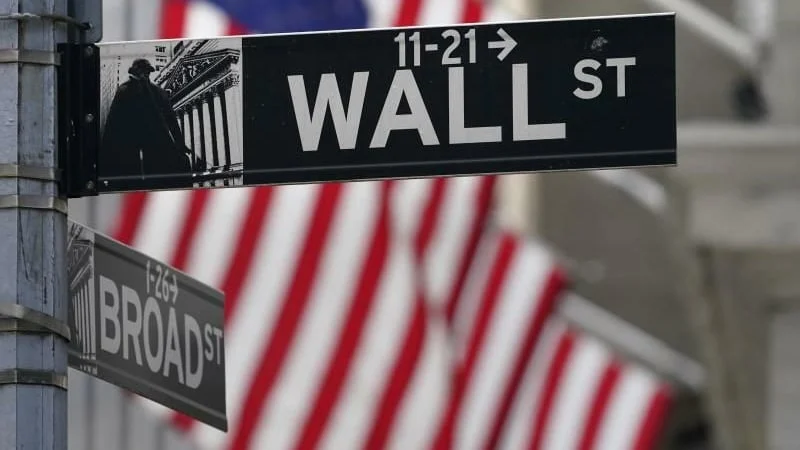
New York – The specter of rising interest rates cast a shadow over Wall Street on Wednesday, as major U.S. stock indices surrendered gains from the previous two trading days. Simultaneously, a wave of concern in the bond market triggered a sell-off, propelling the yield on the benchmark 10-year U.S. Treasury note to its highest level since 2007. This surge in yields reflects heightened investor anxiety about persistent inflation and the Federal Reserve’s commitment to tightening monetary policy.

The Dow Jones Industrial Average, the S&P 500, and the Nasdaq Composite all experienced a downturn, reversing earlier positive momentum. This shift in market sentiment underscores the delicate balance investors are trying to strike between economic growth prospects and the inflationary pressures that continue to challenge policymakers.
Rising Oil Prices Fuel Inflation Fears
Adding to the prevailing market unease, crude oil prices have also been on an upward trajectory, further exacerbating inflation concerns. The price of Brent crude oil, a global benchmark, has been steadily climbing, driven by supply-side constraints and robust global demand. This rise in energy costs has a ripple effect across the economy, impacting transportation, manufacturing, and consumer spending. Higher energy prices directly contribute to inflation, making it more challenging for central banks to achieve their price stability mandates.
Federal Reserve’s Hawkish Stance Intensifies Concerns
The market’s renewed focus on interest rates was amplified by remarks from Federal Reserve Governor Michael Barr. Barr indicated that further monetary policy adjustments are likely necessary to bring inflation back to the Fed’s target. Speaking at a conference hosted by the regional Federal Reserve Bank of Chicago, Barr stated, "In my baseline scenario, further monetary policy adjustments will be required to bring inflation back to target in a timely manner."
This dovish-leaning commentary from a key Fed official suggests that the central bank is not yet ready to pause its rate-hiking cycle. The Fed’s aggressive stance comes after it raised its benchmark interest rate for the first time in over three years just last week. This series of rate hikes is intended to cool down an overheating economy and curb inflation, but it also carries the risk of slowing economic growth too sharply.
Economic Indicators Point to Persistent Inflationary Pressures
Preliminary data released on Wednesday from S&P Global provided further fuel for inflation worries. The Purchasing Managers’ Index (PMI) for both the manufacturing and services sectors indicated that economic activity in September reached its highest level in over five years. While this suggests a resilient economy, the report also highlighted significant supply chain bottlenecks.
"This growth is occurring alongside significant supply chain bottlenecks, suggesting that companies are gaining pricing power, which is cause for concern for the inflation outlook," commented S&P Global economist Chris Williamson. This statement underscores the dual challenge faced by policymakers: stimulating growth while simultaneously combating rising prices. The interplay between robust demand and constrained supply creates a fertile ground for sustained inflationary pressures, making the Federal Reserve’s task even more complex.

Historical Context: The Long Road to 5.1% Yields
The current yield of over 5.1% on the 10-year U.S. Treasury note represents a significant milestone, marking the highest level seen since 2007. To understand the implications of this level, it’s crucial to recall the economic landscape of that era. In 2007, the U.S. was on the cusp of the Global Financial Crisis, a period characterized by a housing bubble, excessive leverage, and a subsequent sharp economic contraction.
The yield on Treasury bonds is a crucial indicator of borrowing costs for the U.S. government and serves as a benchmark for many other interest rates in the economy, including mortgages, corporate bonds, and auto loans. A higher yield signifies that investors demand greater compensation for lending their money to the government for a longer period, reflecting increased perceived risk and expectations of higher future inflation or interest rates.

The sustained increase in yields over the past year can be attributed to several factors:
- Aggressive Monetary Tightening: The Federal Reserve’s rapid series of interest rate hikes has been a primary driver. By increasing the cost of borrowing, the Fed aims to reduce demand and slow down the economy, thereby curbing inflation.
- Inflationary Pressures: Persistent high inflation rates, driven by supply chain disruptions, strong consumer demand, and geopolitical events, have forced investors to demand higher yields to maintain the real return on their investments.
- Government Debt Levels: While the U.S. government debt is substantial, the primary driver for recent yield increases has been inflation and monetary policy rather than immediate concerns about sovereign default. However, higher borrowing costs do increase the government’s debt servicing expenses.
Implications for the U.S. Economy
The climb of the 10-year Treasury yield above 5.1% has several significant implications for the U.S. economy:

- Increased Borrowing Costs: For consumers, this translates into higher interest rates on mortgages, car loans, and credit cards, potentially dampening consumer spending. Businesses will face higher costs for capital investment, which could slow down expansion and hiring.
- Impact on Stock Markets: Higher bond yields generally make fixed-income investments more attractive relative to equities. This can lead investors to reallocate capital from stocks to bonds, putting downward pressure on stock prices. Tech stocks, which are often valued based on future earnings potential, can be particularly sensitive to rising interest rates.
- Government Debt Servicing: The U.S. government’s debt servicing costs will increase as existing debt matures and is refinanced at higher rates, and as new debt is issued. This can put pressure on the federal budget.
- Recession Risk: A rapid and sustained increase in interest rates can increase the risk of an economic recession. If borrowing becomes too expensive, businesses may cut back on investment and hiring, leading to a slowdown in economic activity.
Broader Market Dynamics and Investor Sentiment
The current market environment is characterized by a tug-of-war between fears of persistent inflation and the potential for an economic slowdown. While the strong performance of some sectors earlier in the year was driven by optimism about technological advancements and a post-pandemic economic rebound, recent data and hawkish central bank commentary have introduced a note of caution.
The "tech rally" of recent weeks, while impressive, appears to be facing headwinds as the market recalibrates its expectations for future interest rate policy. Investors are increasingly scrutinizing economic data for any signs of a significant slowdown that could prompt the Federal Reserve to alter its course. However, the Fed has consistently emphasized its commitment to taming inflation, even at the risk of a mild recession.

The volatility in the bond market, with yields reaching multi-year highs, is a clear signal of this heightened uncertainty. Bond investors are actively pricing in the possibility of further rate hikes and a sustained period of higher interest rates. This shift in bond market sentiment often precedes or coincides with significant movements in equity markets.
Outlook for the Remainder of the Year
As the year progresses, investors will be closely monitoring a range of economic indicators, including inflation data, employment figures, and consumer spending reports. The Federal Reserve’s future actions will be heavily influenced by this data. Any indication that inflation is not abating as expected could lead to further rate hikes, while signs of a sharp economic downturn might prompt a more cautious approach.

The current trajectory suggests that the battle against inflation remains the Federal Reserve’s top priority. Consequently, investors should brace for continued volatility in both the bond and equity markets. The 5.1% yield on the 10-year Treasury note is not just a technical level; it represents a fundamental shift in the cost of capital and a recalibration of risk premiums in the financial system, signaling a potentially more challenging economic landscape ahead. The coming weeks and months will be critical in determining whether the U.S. economy can navigate this period of monetary tightening without tipping into a significant downturn.