Farhan Pambudi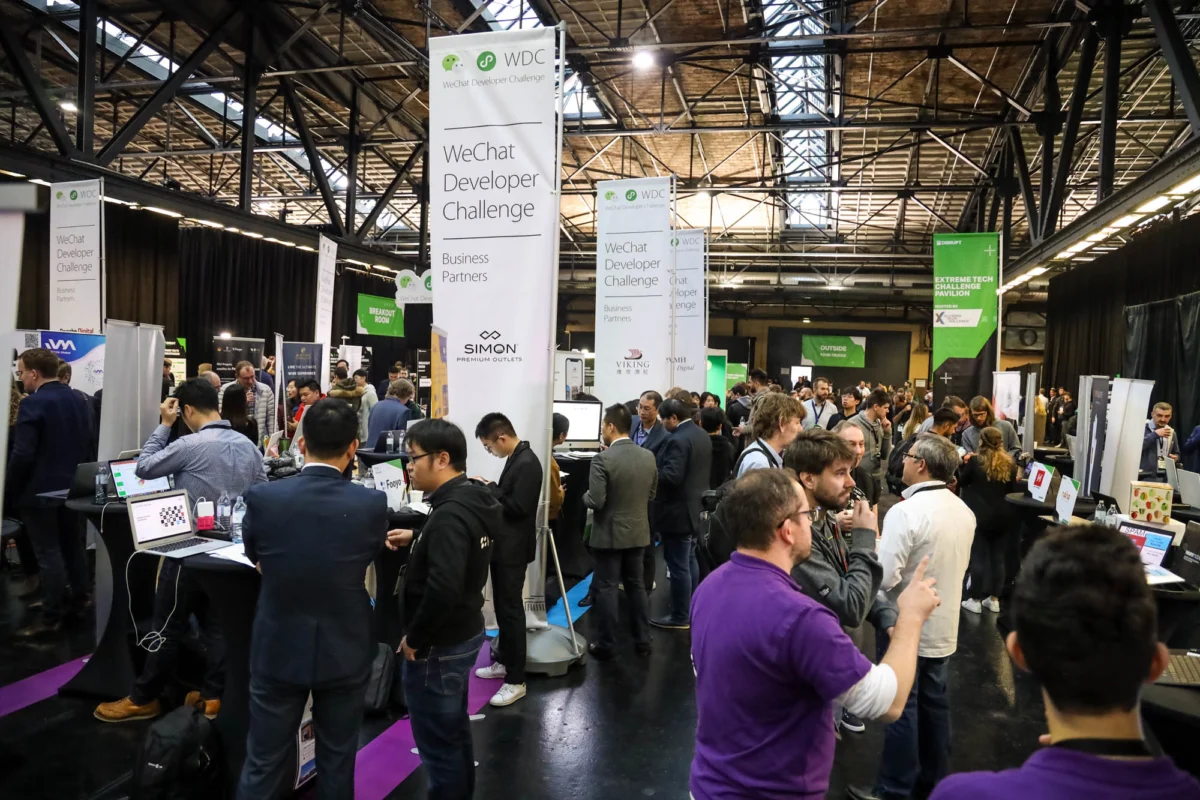
The global technology ecosystem is currently focusing its attention on San Francisco as the final countdown begins for participation in one of the industry’s most influential annual gatherings. Organizers of TechCrunch Disrupt 2026 have issued a final call for startups wishing to secure a dedicated presence on the exhibition floor, with the deadline for exhibit table applications set for September 18 at 11:59 p.m. PT. This deadline marks a critical juncture for early-stage and growth-stage companies seeking to capitalize on the high-density networking and fundraising environment that has come to define the Disrupt experience.
Scheduled to take place from October 13 to 15 at the Moscone West convention center, TechCrunch Disrupt 2026 is projected to draw more than 10,000 attendees, including a concentrated demographic of founders, venture capitalists, corporate operators, and technical leaders. As the tech industry navigates a complex period of rapid artificial intelligence integration and shifting venture capital priorities, the event serves as a barometer for the health and direction of the global startup economy.
The Strategic Value of the Expo Floor
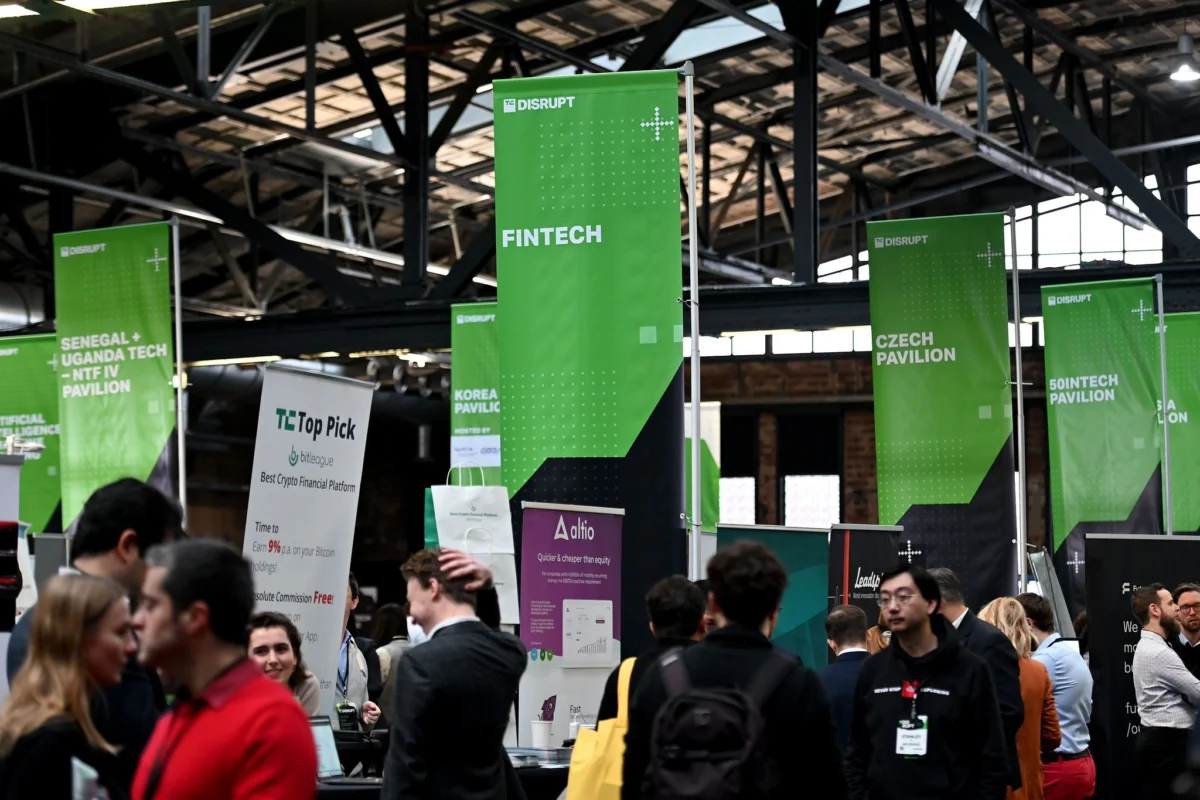
For many emerging companies, the Expo Hall floor represents more than just a physical space; it is a tactical launchpad. The exhibition package offered to startups includes a 6-foot by 30-inch branded exhibit table, designed to facilitate live product demonstrations and face-to-face engagement with potential stakeholders. In an era where digital marketing costs are escalating and virtual fatigue remains a factor in B2B relations, the opportunity for physical interaction is increasingly viewed by industry analysts as a high-value asset for lead generation.
The exhibition experience is structured to maximize visibility over the three-day duration of the event. By placing startups in high-traffic corridors, the organizers aim to facilitate "serendipitous networking"—the unplanned encounters between founders and investors that have historically led to significant seed and Series A funding rounds. According to historical data from previous Disrupt events, companies that exhibit often report a higher rate of follow-up inquiries compared to those who attend solely with general admission passes.
Historical Context and the Evolution of Disrupt
Since its inception, TechCrunch Disrupt has functioned as a primary stage for the unveiling of technologies that eventually become household names. The event’s legacy is built on its ability to identify and amplify nascent trends before they hit the mainstream. From the early days of the mobile revolution to the current dominance of generative AI, Disrupt has consistently relocated its epicenter to match the industry’s most pressing innovations.
The 2026 iteration comes at a time when San Francisco is reinforcing its status as the "AI Capital of the World." The choice of Moscone West—a venue synonymous with major tech breakthroughs—reflects the scale of ambition for this year’s event. By bringing together 10,000 participants, the conference aims to stimulate the local economy while providing a centralized hub for a decentralized global workforce.
Chronology of Key Deadlines and Event Milestones
To ensure a seamless experience for participants, the organizers have established a strict chronological framework for the lead-up to the October event:
- September 18, 2026 (11:59 p.m. PT): Final deadline for startups to book exhibit tables. This is the cutoff point for companies to guarantee their physical footprint in the Expo Hall.
- September 19 – October 12, 2026: Finalization of the Startup Battlefield 200 cohort and logistics preparation for the Moscone West installation.
- October 13, 2026: Official opening of TechCrunch Disrupt 2026. Keynote addresses begin across six industry-specific stages.
- October 14, 2026: Peak exhibition hours and the intensification of the Startup Battlefield competition, where the most promising startups pitch to panels of expert judges.
- October 15, 2026: Final dealmaking sessions, closing ceremonies, and the announcement of the Startup Battlefield winner.
Supporting Data: The Startup Landscape in 2026
Market data suggests that the demand for exhibition space at major tech conferences is on the rise. After a period of conservative spending in 2023 and 2024, venture capital "dry powder"—capital committed but not yet deployed—is expected to reach significant levels by late 2026. This creates a high-stakes environment for founders who must distinguish themselves in a crowded field.

Internal metrics from past TechCrunch events indicate that the "Disrupt Effect" can be substantial. Startups participating in the exhibition or the Battlefield competition have collectively raised billions of dollars in follow-on funding. Furthermore, the inclusion of AI-powered matchmaking tools at the 2026 event is expected to increase the efficiency of networking by 30%, according to preliminary projections. These tools analyze attendee profiles to suggest high-probability connections, ensuring that founders spend less time searching for the right partners and more time closing deals.
Industry Stages and Specialized Content
Beyond the Expo Hall, Disrupt 2026 will feature six specialized industry stages. These stages are designed to provide deep dives into specific sectors that are currently driving market growth. While the final schedule is subject to refinement, the core focus areas include:
- Artificial Intelligence and Machine Learning: Exploring the transition from theoretical models to practical, revenue-generating applications.
- SaaS and Enterprise Software: Addressing the evolving needs of the modern, distributed workforce.
- Fintech and Decentralized Finance: Analyzing the regulatory landscape and the next generation of digital transactions.
- Sustainability and Climate Tech: Highlighting the startups tackling global environmental challenges through hardware and software innovation.
- Hardware and Robotics: Showcasing physical innovations that bridge the gap between the digital and material worlds.
- BioTech and HealthTech: Focusing on the intersection of data science and life sciences.
Broader Impact and Market Implications
The implications of TechCrunch Disrupt 2026 extend beyond the immediate success of the participating startups. For the city of San Francisco, the event serves as a vital component of its post-pandemic recovery strategy, demonstrating that the "tech exodus" narrative of previous years has been largely countered by the resurgence of AI-driven enterprise.
For the broader tech market, the event acts as a clearinghouse for ideas. As investors scrutinize business models more closely than in the "easy money" era, the ability of a startup to present a coherent, viable product in a high-pressure environment like the Disrupt Expo Hall is a significant validator. Analysts suggest that the trends emerging from the October 13–15 sessions will likely dictate the investment themes for the first half of 2027.
The "Startup Battlefield 200" remains a cornerstone of the event. This curated group of 200 startups receives extensive coaching and visibility, representing what TechCrunch editors deem the most promising early-stage companies globally. The competition for these spots, and the subsequent "Battlefield" pitch competition, remains one of the most rigorous gauntlets in the tech world.
Official Perspectives and Participation Options
While the organizers maintain a neutral, journalistic stance, the feedback from the venture capital community emphasizes the importance of centralized events. "In a fragmented market, having a single point of convergence like Disrupt is essential for efficient price discovery and talent acquisition," noted one industry observer familiar with the event’s planning.
For those not ready to commit to a full exhibit table, various attendance tiers remain available. General admission allows access to the 300+ startups expected to showcase in the Expo Hall, as well as all stage content and networking sessions. However, the recurring message from the Disrupt team is clear: for startups looking to move from the periphery to the center of the conversation, the window to secure a dedicated physical presence is rapidly closing.
The September 18 deadline is not merely a logistical cutoff but a strategic one. As Moscone West prepares to host 10,000 of the tech industry’s most influential figures, the companies that will occupy the exhibit tables are positioning themselves at the heart of the next wave of technological disruption. With five days remaining until the deadline, the scramble for space underscores the enduring relevance of TechCrunch Disrupt as the premier venue for startup discovery and dealmaking.