Putri Inara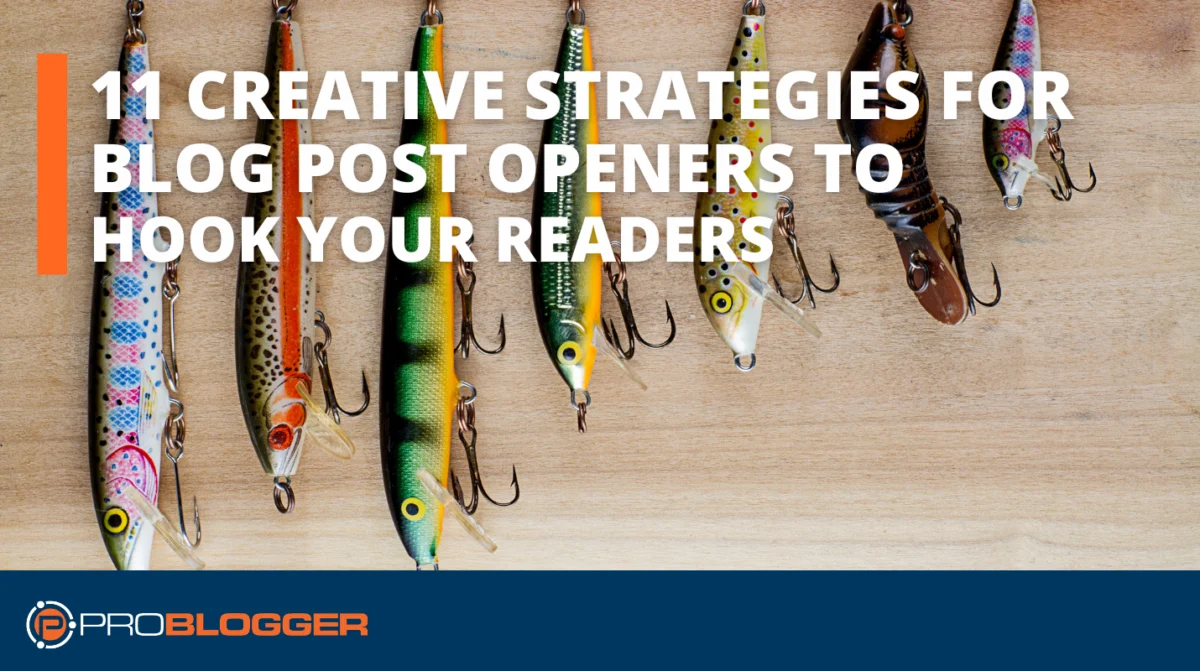
In an era defined by the "attention economy," the efficacy of digital content is increasingly measured by its ability to secure reader engagement within the first few seconds of interaction. Industry data suggests that while eight out of ten people will read a headline, only two out of ten will proceed to read the rest of the content. This statistical reality places an unprecedented burden on the opening line of a blog post, positioning it as the secondary gatekeeper of audience retention. Following the headline, the lead sentence serves as the critical bridge that transitions a casual browser into a committed reader. Professional content strategists and digital publishers have identified a series of high-impact techniques designed to mitigate reader bounce rates and foster deeper engagement through strategic narrative construction.
The Critical Role of the Lead in Modern Content Strategy
The fundamental objective of a blog post title is to earn the click; however, the objective of the opening line is to earn the reading of the second line. This cascading effect is the cornerstone of effective digital copywriting. According to research by the Nielsen Norman Group, users often leave web pages within 10 to 20 seconds unless a clear value proposition is established. In this context, the opening line is not merely a greeting but a strategic tool for retention.
The evolution of digital consumption patterns indicates that readers utilize an "F-shaped" scanning pattern, focusing heavily on the top and left sides of the screen. Consequently, the first sentence must function as a "hook" that halts the scanning process and initiates a deep-reading state. This transition is essential for increasing "dwell time," a metric that search engines like Google use to determine the relevance and quality of a page.
A Chronology of Digital Writing Paradigms
Historically, the structure of written information followed the traditional journalistic "inverted pyramid," where the most crucial facts were delivered in the first paragraph. As the internet transitioned into the Web 2.0 era, characterized by social media and high-volume blogging, the "narrative hook" became more prevalent.
By the mid-2000s, pioneering digital publishers began experimenting with psychological triggers—such as curiosity gaps and pattern interruptions—to compete with the growing noise of the information age. The current paradigm, often referred to as "engagement-first" writing, prioritizes emotional resonance and immediate utility over formalistic introductions. This shift reflects a broader change in consumer behavior, where audiences seek authenticity and direct solutions to their problems.
Data-Driven Analysis of Reader Retention
Recent metrics from content analytics platforms like Chartbeat indicate a sharp drop-off in readership immediately following the headline. On average, a significant percentage of visitors do not scroll past the "above-the-fold" section of a website. To combat this, the opening line must leverage specific psychological mechanisms.
For instance, the use of "Cognitive Ease"—the ease with which our brains process information—is achieved when an opening line asks a simple, relatable question. Conversely, the "Zeigarnik Effect," which suggests that people remember uncompleted or interrupted tasks better than completed ones, can be triggered by an opening that poses a mystery or an intriguing question, compelling the reader to finish the article to find the resolution.
Eleven Strategic Frameworks for Opening Lines
Digital marketing experts have codified eleven primary strategies to enhance the effectiveness of post openers. Each serves a specific psychological or functional purpose within the reader-author relationship.
1. The Identification of Immediate Needs
This strategy involves pinpointing a specific problem the reader is facing. By articulating the reader’s struggle in the first sentence, the author establishes immediate empathy and relevance. This approach signals that the content is a practical resource rather than a theoretical exercise.
2. The Binary "Yes" Question
A staple of persuasive copywriting, the "one-answer question" seeks to elicit a mental "yes" from the reader. This creates a "consistency loop," where the reader, having agreed with the opening premise, is more likely to remain receptive to the subsequent arguments or advice.
3. The Curiosity Gap
Posing a question that promises a unique revelation can trigger the brain’s reward system. Questions that challenge common assumptions or hint at "hidden" knowledge incentivize the reader to continue in search of the answer.
4. Pattern Interruption and Surprise
Using a personal anecdote or an unexpected fact can disrupt the reader’s autopilot mode. An example of this is the "pattern interrupt" where an author shares a humorous personal failure or a counter-intuitive observation. This humanizes the brand and distinguishes the content from standardized, AI-generated prose.
5. The Power of Narrative Analogy
Stories and analogies transform abstract concepts into tangible experiences. Starting with a brief narrative—whether true or fictional—engages the reader’s imagination, making the information more memorable. This technique is particularly effective for complex technical or philosophical topics.
6. The Bold Assertion
Leading with a strong, authoritative claim or a significant promise sets high expectations. This "alpha" approach establishes the author as an expert but requires that the subsequent content rigorously supports the initial claim to maintain credibility.
7. Strategic Controversy
Stirring controversy by challenging a popular opinion or a major industry player can generate immediate interest. While high-risk, this method often leads to higher comment volume and social shares as readers feel compelled to defend or debate the stance.
8. Visual and Sensory Priming
Encouraging readers to visualize a specific scenario engages multiple areas of the brain. By using sensory language, authors can evoke emotional responses that make the reader more invested in the outcome of the article.
9. The Impact of Startling Statistics
Leading with a data point that contradicts expectations or highlights a massive problem provides an objective "shock" to the reader. Statistics lend immediate authority to the piece and quantify the importance of the subject matter.
10. The Appeal to External Authority
Starting with a quote from a respected figure allows the author to "borrow" authority. A well-chosen quote can set the thematic tone and provide a sophisticated entry point into the discussion.
11. The Visual Anchor
In many digital environments, an image functions as the true "first line." High-quality, relevant imagery can draw readers into the text, particularly in visual-heavy industries like photography, travel, or design.
Industry Responses and Expert Perspectives
The efficacy of these strategies is supported by a consensus among content marketing leaders. Experts at the Content Marketing Institute (CMI) emphasize that the "first-person connection" is becoming increasingly vital as the web becomes saturated with generic content.
"The opening line is no longer just about the topic; it’s about the voice," notes one industry analyst. "Readers are looking for a reason to trust the source. A hook that shows personality or unique insight is what separates a professional publication from a content farm."
Furthermore, SEO specialists argue that the opening line is a crucial component of "User Experience" (UX). If the lead does not align with the promise of the headline (a phenomenon known as "clickbait"), the resulting high bounce rate can negatively impact search rankings. Therefore, the journalistic integrity of the opening line is as important as its creative flair.
Broader Implications for Digital Communication
The mastery of opening lines extends beyond blogging into email marketing, social media, and corporate communications. As human attention spans continue to adapt to rapid-fire digital environments—some studies suggesting an average span of just eight seconds—the ability to condense value into a single, potent sentence is a critical skill for the 21st century.
The implications for brand authority are significant. A publication that consistently utilizes engaging, high-value openers builds a reputation for quality, leading to higher subscriber loyalty and brand recall. Conversely, a failure to capture attention at the outset results in "invisible content"—well-researched information that remains unread due to a lack of initial engagement.
In conclusion, the opening line of a blog post is a high-stakes element of digital architecture. By employing a mix of psychological triggers, data-driven insights, and narrative techniques, publishers can significantly increase their impact in a crowded marketplace. As the digital landscape continues to evolve, the art of the "hook" remains a fundamental pillar of effective communication and audience retention.