Farhan Pambudi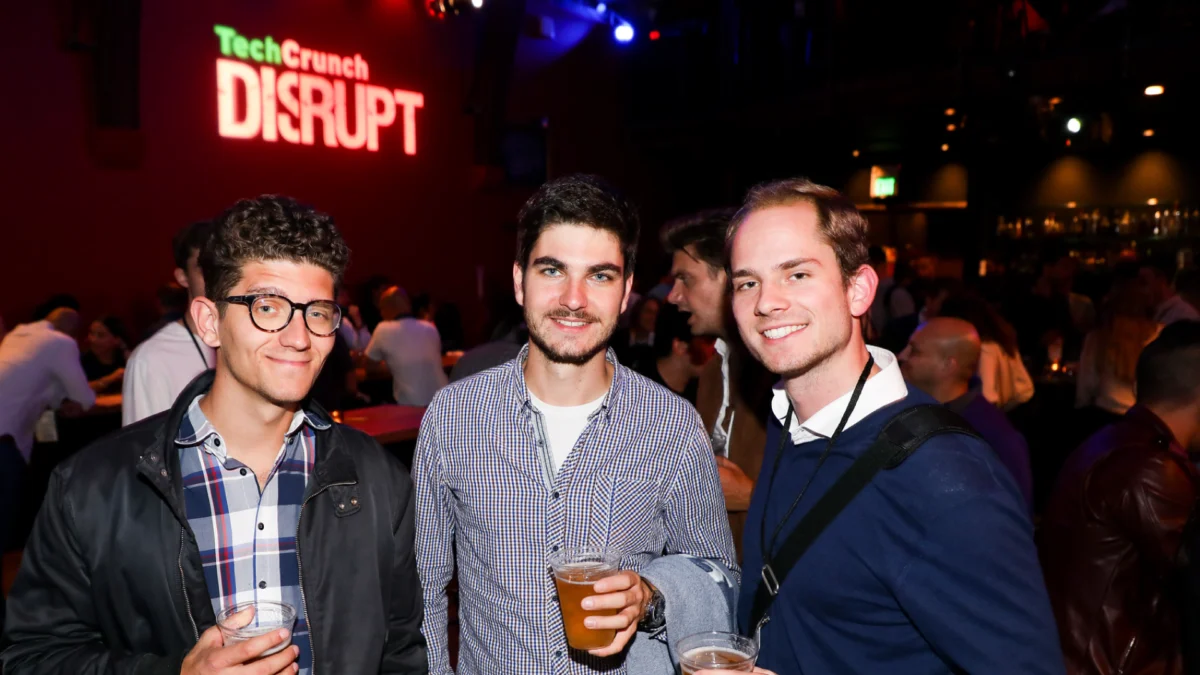
The window for participation in one of the technology industry’s most significant networking calendars is rapidly closing as the deadline for TechCrunch Disrupt 2026 Side Event applications arrives tonight at midnight PT. Organizers have issued a final call to founders, venture capital firms, and corporate partners to submit their proposals for independent gatherings that will run parallel to the main conference, which is scheduled to take place in San Francisco from October 10 through October 16, 2026. This final push for applications underscores the growing importance of peripheral programming in the modern trade show ecosystem, where the "event around the event" often serves as the primary catalyst for high-level deal-making and community building.
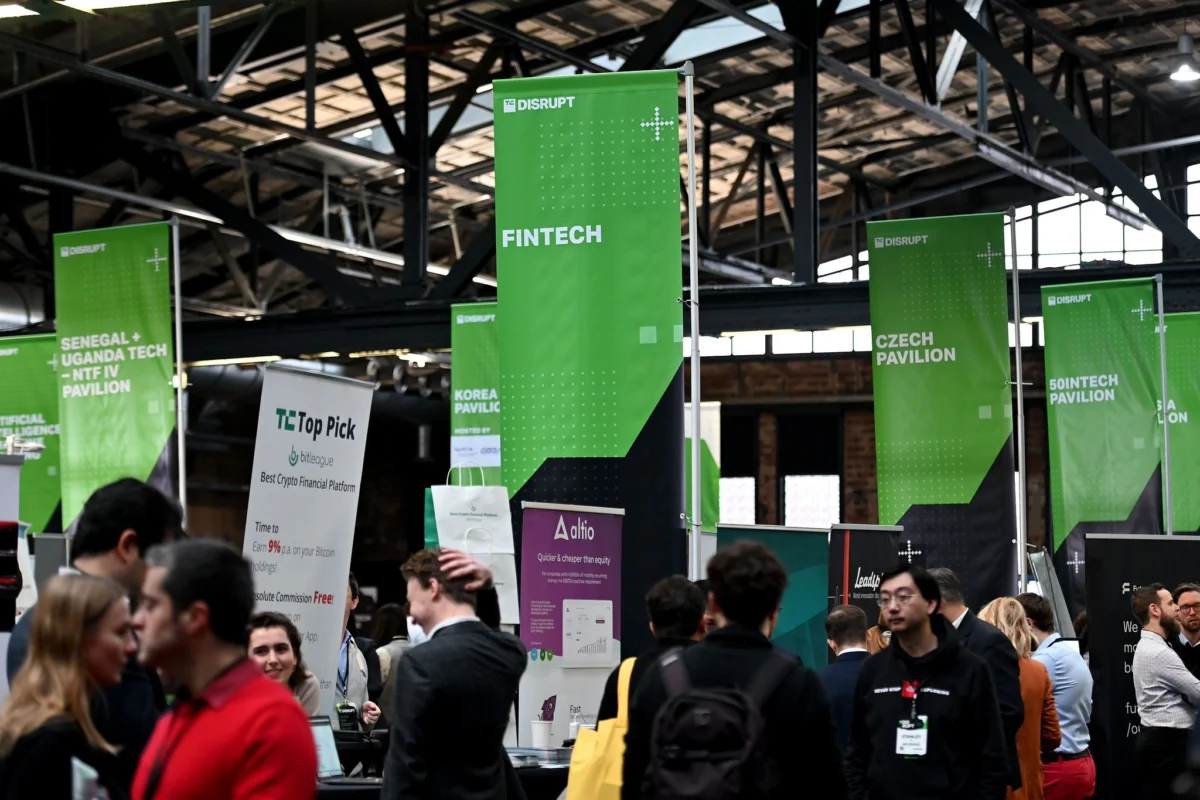
The Side Event program is designed to integrate the broader Silicon Valley community into the official Disrupt week, providing a platform for organizations to host their own meetups, workshops, panel discussions, and networking mixers. While TechCrunch Disrupt serves as the central hub for the global startup community, the Side Events allow for more niche, specialized interactions that cater to specific sectors such as generative artificial intelligence, climate technology, fintech, and biotech. By hosting an approved Side Event, brands gain visibility within the official conference schedule, reaching an estimated audience of over 10,000 tech leaders, investors, and innovators who converge on the Bay Area for the annual summit.
The Strategic Framework of Side Events
The concept of the "Side Event" has evolved from informal after-hours drinks into a sophisticated strategic tool for brand positioning. In the context of TechCrunch Disrupt, an official Side Event designation provides a layer of legitimacy and discoverability that independent events often lack. Approved events are listed within the official Disrupt ecosystem, allowing registered attendees and the general public to discover gatherings that align with their specific professional interests.
According to historical data from previous iterations of the conference, Side Events have become essential for venture capital firms looking to host "portfolio days" or for startups seeking to build a community around a new product launch. The 2026 program emphasizes "impactful conversations" that "push the needle," suggesting a shift away from purely social gatherings toward content-rich experiences. This evolution reflects a broader trend in the tech industry where professionals are increasingly seeking high-value, curated networking opportunities over large-scale, generalized mixers.
The application process requires hosts to detail their event’s objective, target audience, and logistical plan. While TechCrunch provides the platform for promotion, the hosts retain full responsibility for all costs, venue sourcing, and execution. This model allows for a diverse range of event styles, from intimate breakfast roundtables in South of Market (SoMa) lofts to large-scale evening receptions at San Francisco’s iconic landmarks.
Chronology and Event Timeline
The timeline for TechCrunch Disrupt 2026 is structured to maximize the week-long presence of international and domestic visitors. The Side Event window officially opens on October 10, three days before the main stage activities begin at the Moscone Center or similar high-capacity venues.

- October 10–12 (Pre-Conference Activation): These dates are typically reserved for "warm-up" events, including hackathons, community hikes, and early-bird investor brunches. These events cater to the thousands of attendees who arrive early to acclimatize and begin their networking circuits before the main floor opens.
- October 13–15 (Main Conference Days): During the core Disrupt days, Side Events usually take place in the early mornings or late evenings to avoid clashing with the Startup Battlefield and keynote sessions. This period is the peak of activity, characterized by high-energy cocktail parties, founder dinners, and late-night "after-parties" that facilitate informal introductions between founders and potential backers.
- October 16 (Post-Conference Synthesis): The final day of the Side Event window is often used for "debrief" sessions, smaller workshops, or site visits to local headquarters and incubators.
The application deadline tonight, falling several weeks before the October start date, allows the TechCrunch events team to conduct a rigorous review process. Each proposal is evaluated based on its relevance to the Disrupt audience and its potential to enhance the overall attendee experience.
Data and Economic Context of the Bay Area Tech Scene
The decision to host TechCrunch Disrupt in San Francisco remains a strategic choice, despite the recent decentralization of the tech industry. San Francisco and the broader Silicon Valley region continue to lead the world in venture capital investment. In the most recent fiscal quarters leading up to the 2026 planning cycle, the Bay Area consistently captured over 35% of all venture capital deployed in the United States.
For Side Event hosts, this concentration of capital is a primary draw. The presence of 10,000+ tech leaders in a seven-day window creates a unique "density of talent" that is difficult to replicate. Market analysis suggests that for every dollar spent on hosting a high-quality Side Event, organizations see a significant return in the form of Marketing Qualified Leads (MQLs), potential hiring candidates, and brand impressions within a highly targeted demographic.
Furthermore, the economic impact on San Francisco is substantial. Large-scale tech conferences contribute millions of dollars to the local hospitality and service sectors. Side Events extend this impact beyond the convention center, distributing foot traffic to local restaurants, bars, and event spaces throughout the city’s various neighborhoods, from the Mission District to the Embarcadero.
Official Review and Host Responsibilities
Prospective hosts must navigate a clear set of guidelines to gain approval. The TechCrunch events team has clarified that application does not guarantee acceptance. The criteria for approval focus on the quality of the programming and the professional standing of the host organization. Once approved, the event becomes an "Official Side Event," granting the host the right to use official branding in their promotional materials and ensuring inclusion in the curated list sent to Disrupt attendees.
Logistically, the burden of execution lies entirely with the applicant. This includes:
- Venue Procurement: Securing a physical location that meets San Francisco’s safety and capacity regulations.
- Budgeting: Managing all overhead, including catering, audio-visual equipment, and staffing.
- Registration: Handling their own RSVP lists and attendee check-ins, though many choose to integrate with the official Disrupt ticketing flow where possible.
- Promotion: While TechCrunch provides the listing, successful hosts typically augment this with their own marketing campaigns.
Industry analysts note that this "decentralized" model of event planning is becoming the standard for major tech summits like SXSW or Slush, as it allows the primary organizer to scale the conference’s reach without significantly increasing their own operational overhead.

Broader Implications for the 2026 Tech Landscape
The urgency of the current application deadline reflects the competitive nature of the 2026 tech calendar. As the industry moves further into the "AI Era," the demand for face-to-face interaction has seen a resurgence. After years of virtual and hybrid models, the 2026 Disrupt is expected to focus heavily on the tangible applications of autonomous systems, robotics, and decentralized infrastructure.
Side Events serve as the "testing ground" for these new ideas. It is not uncommon for a startup to demonstrate a prototype at a private Side Event that eventually becomes the highlight of the following year’s main stage. For investors, these events offer a less formal environment to conduct due diligence and observe how founders interact with their peers and potential customers.
The "Disrupt Effect" is a well-documented phenomenon where participating companies see a spike in media coverage and investor interest. By extension, Side Event hosts tap into this halo effect. For a mid-sized firm or a specialized law firm, hosting a panel during Disrupt week is often more cost-effective than a traditional advertising campaign in trade publications.
Ticketing and Participation Beyond Hosting
For those who choose not to host a Side Event, the opportunity to participate in the global tech scene remains available through general attendance. Organizers have noted that ticket prices are set to increase after September 25, with current rates offering discounts of up to $200. This tiered pricing strategy is designed to encourage early registration, allowing the logistics teams to better predict attendance numbers and resource allocation.
As the midnight PT deadline approaches, the tech community’s focus is squarely on the application portal. The events approved over the next few days will define the social and intellectual landscape of San Francisco this coming October. For the organizers at TechCrunch, the goal is to curate a week that is not just a conference, but a comprehensive "experience" that reflects the current state of innovation.
In summary, the 2026 TechCrunch Disrupt Side Event program represents a critical juncture for tech branding and networking. With the deadline tonight, the window for securing a spot in the official program is nearly shut. The resulting calendar of events will likely serve as a barometer for the health and direction of the global startup ecosystem as it heads into the final quarters of 2026.