Putri Inara
The digital publishing landscape has reached a saturation point where technical proficiency in search engine optimization (SEO) and high-quality writing no longer guarantee audience retention or commercial success. Industry analysts and digital marketing experts have identified a "personality gap" in modern content creation—a phenomenon where well-structured, informative blogs fail to gain traction because they lack a distinct human connection. In an era increasingly dominated by algorithmic content and artificial intelligence, the infusion of personal identity into digital platforms has transitioned from a stylistic choice to a fundamental business requirement for creators seeking to build sustainable brands.
The Evolution of the Creator Economy and the Personalization Mandate
To understand the current emphasis on personalization, one must examine the chronology of the blogging medium. In the early 2000s, blogs functioned primarily as online diaries, inherently personal but often lacking professional structure. As the medium matured between 2010 and 2015, the "ProBlogger" era introduced rigorous standards for SEO, monetization, and technical architecture. However, this professionalization led to a homogenization of content, where many sites began to look and sound identical.
Current market data from the creator economy—now valued at an estimated $250 billion—indicates that "trust-based" marketing has overtaken "reach-based" marketing. According to a 2023 consumer report, 81% of users need to trust a brand before they consider buying from them. For individual creators, this trust is built through personalization. The following analysis examines how ten industry-leading bloggers utilize specific psychological and visual strategies to bridge the gap between digital content and human connection.
Visual Identity and the Power of Authentic Imagery
The first point of contact between a reader and a blog is almost invariably visual. Case studies of successful travel and lifestyle platforms highlight a shift away from stock photography toward highly specific, personal imagery.
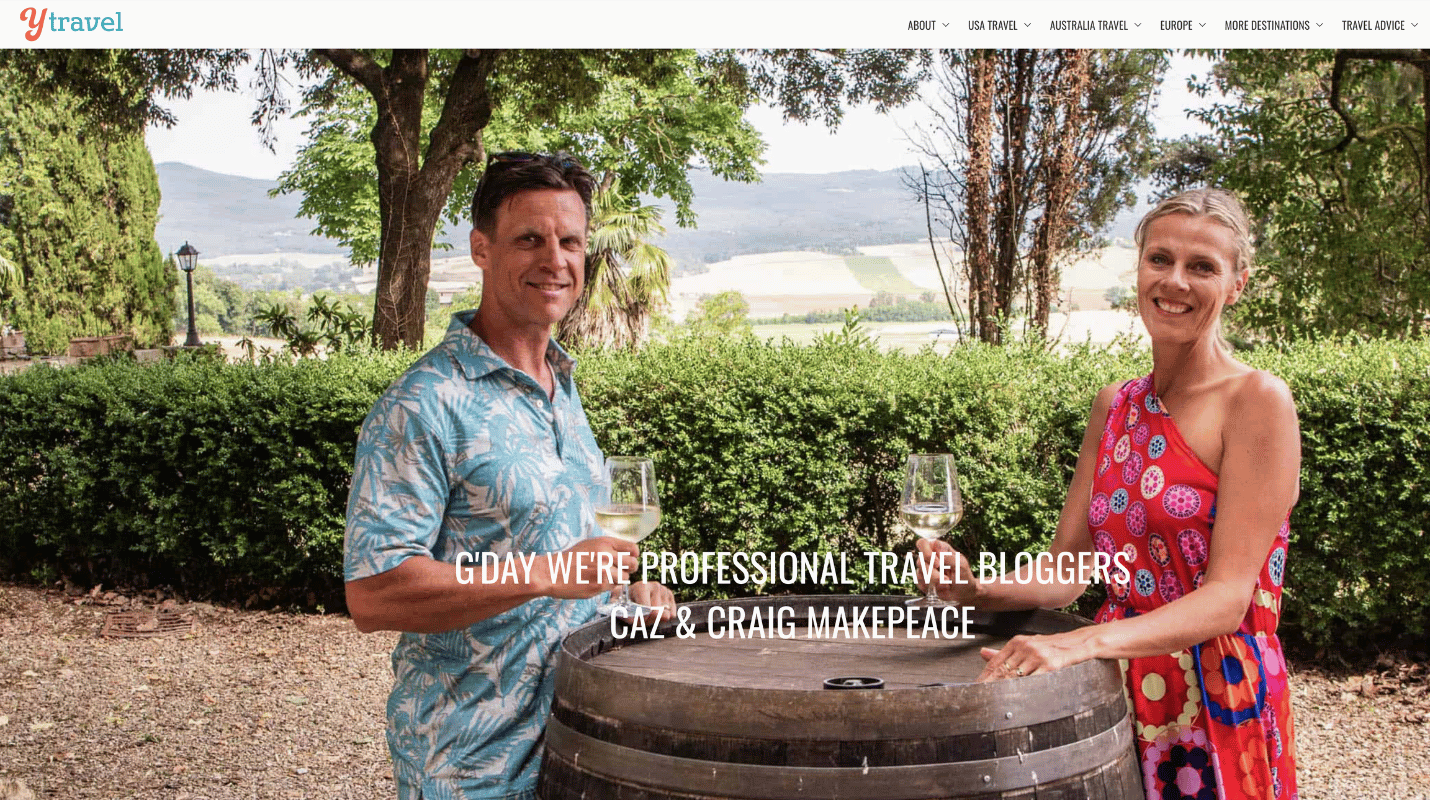
Caz and Craig of YTravel serve as a primary example of using "situational photography" to build authority. In the travel niche, where generic landscapes are ubiquitous, YTravel prioritizes candid family photos. This strategy serves two purposes: it provides social proof of their experiences and creates an emotional anchor for the reader. By showcasing their children in various travel scenarios—such as flying or settling into new environments—they transform a travel guide into a relatable narrative.
Similarly, Jadah Sellner utilizes color psychology to reinforce her personal brand. Digital marketing research suggests that color increases brand recognition by up to 80%. Sellner’s platform uses a cohesive palette that extends from her site’s user interface to the clothing she wears in professional headshots. This creates a "halo effect," where the warmth and earthiness of the visual design are subconsciously attributed to the creator’s personality, fostering an immediate sense of familiarity.
Strategic Illustration and Multi-Platform Consistency
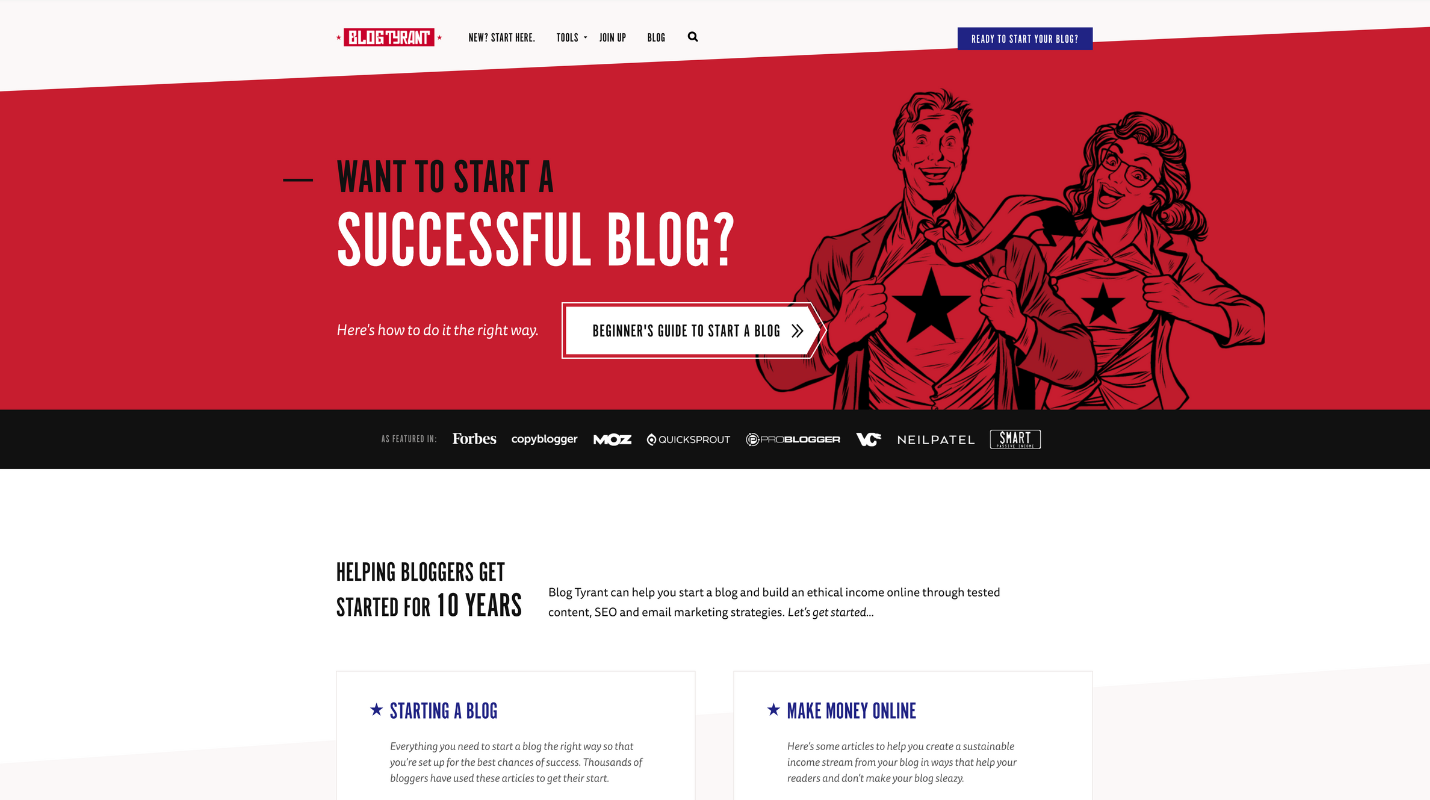
While photography is the standard for personalization, some creators opt for "symbolic identity" through custom illustrations. Ramsey, the creator of Blog Tyrant, utilizes a red-shirted superhero avatar across his home page, lead magnets, and featured images. This approach allows a creator to maintain a "larger-than-life" persona while staying distinct from the sea of standard headshots. It also facilitates easier branding of educational materials, as the avatar becomes a recognizable seal of quality.
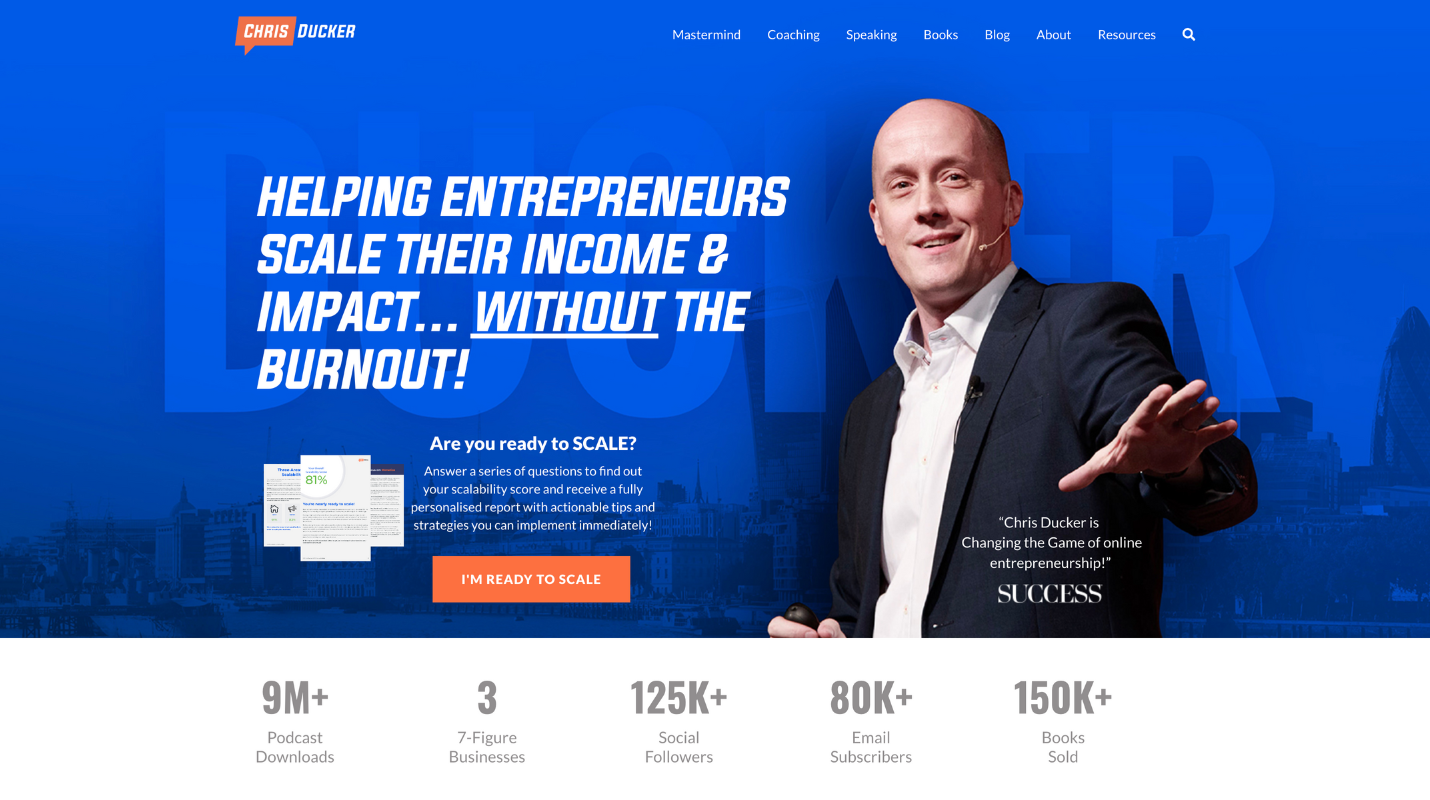
For creators like Chris Ducker, the strategy is rooted in "omni-channel consistency." Ducker employs identical smiling headshots across his blog, About page, and social media profiles (Twitter, Facebook, LinkedIn). This professional consistency ensures that regardless of where a user encounters the brand, the "face" remains constant. In a fragmented digital ecosystem, this repetition reduces cognitive load for the audience, making the brand more memorable.
The Linguistic Moat: Tone, Humor, and Polarization
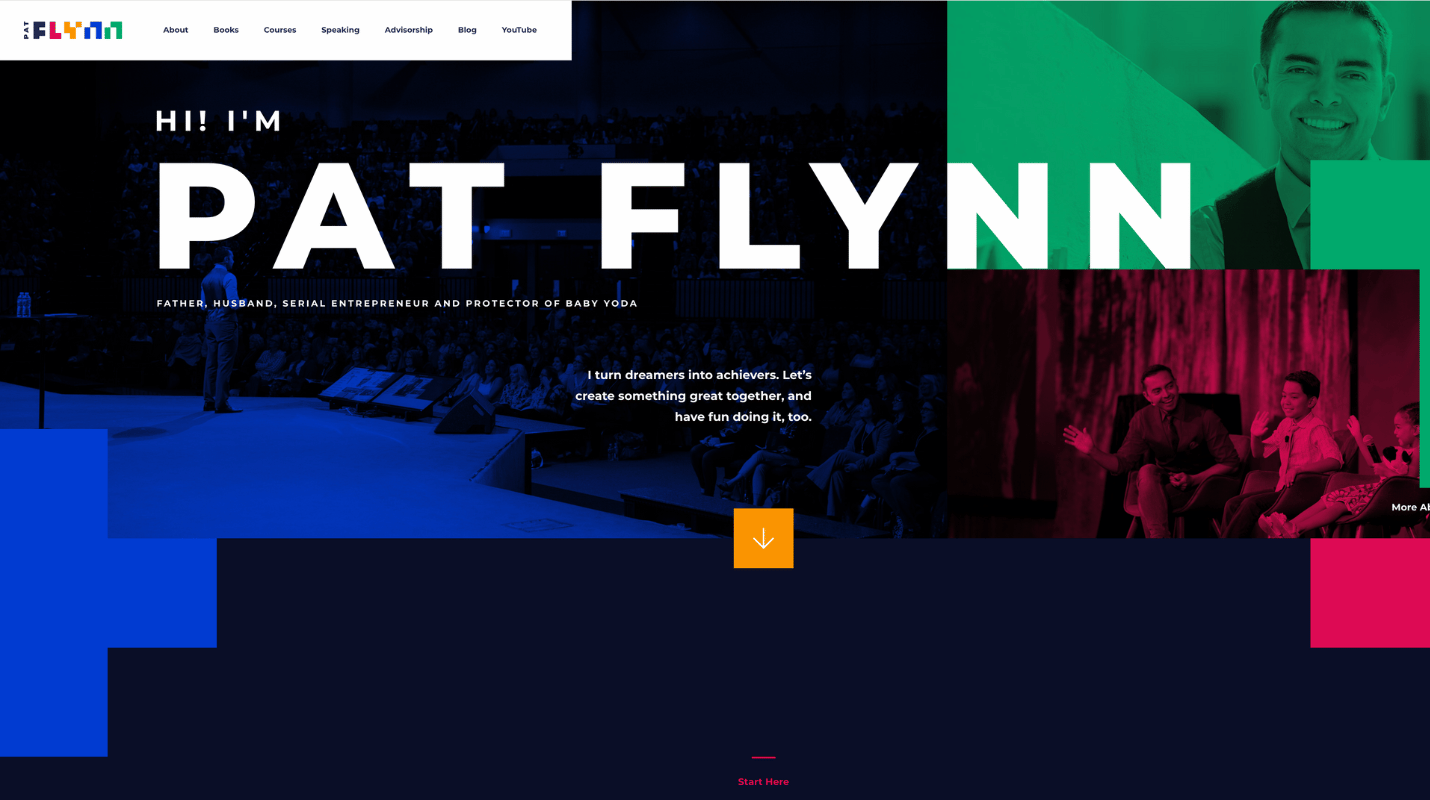
Beyond visuals, the "voice" of a blog acts as a linguistic moat, protecting the brand from being easily replicated by competitors or AI. Pat Flynn of Smart Passive Income exemplifies the use of "flair" and quirky humor. By identifying himself not just as an entrepreneur but as a "protector of Baby Yoda" and a dedicated family man, Flynn lowers the barrier to entry for his business advice. He humanizes the "serial entrepreneur" archetype, making his success feel attainable to his audience.
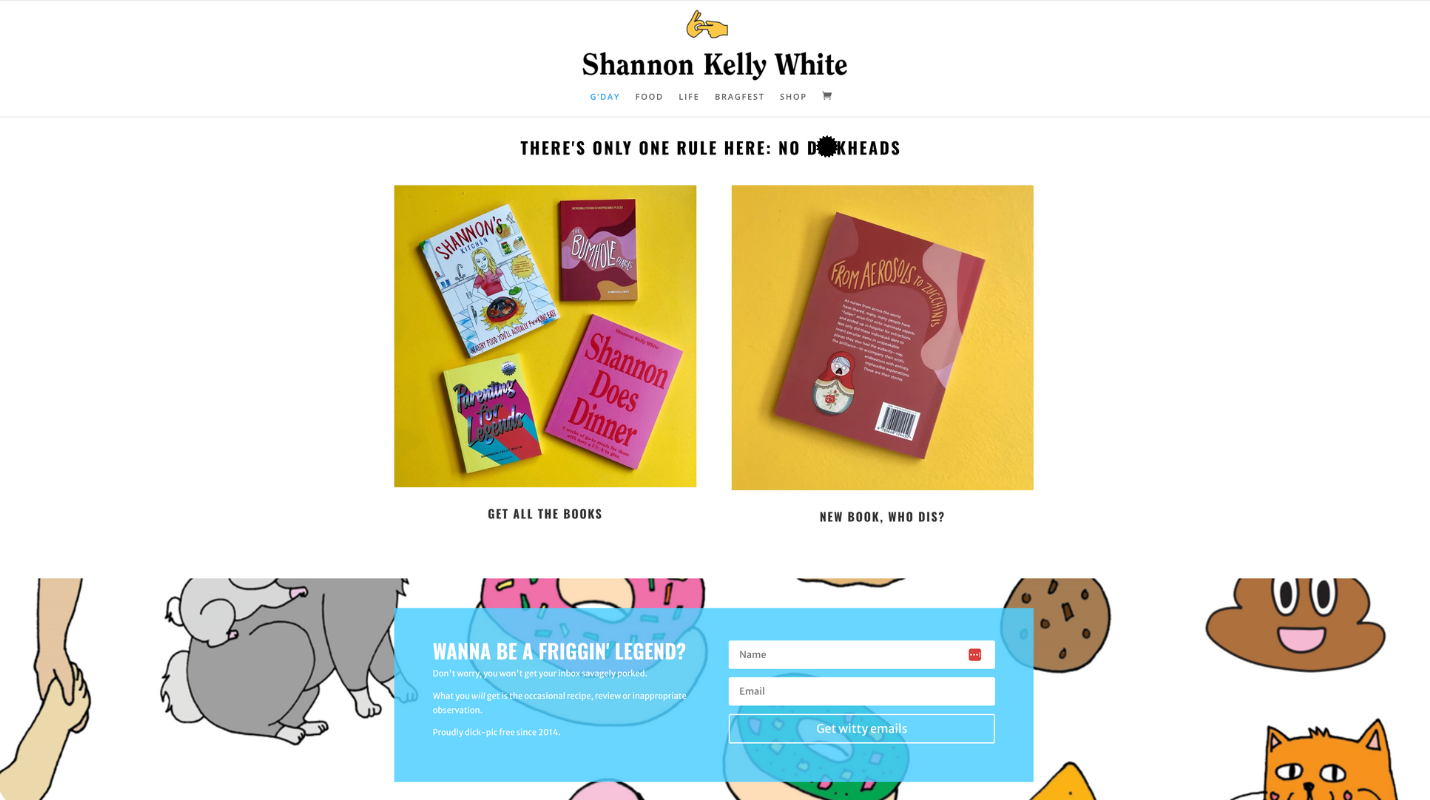
In contrast, Shannon Kelly White utilizes "polarizing language" as a filtering mechanism. By using enthusiastic and frequent profanity, White establishes a clear brand identity that attracts a specific demographic while intentionally repelling others. From a journalistic and marketing standpoint, this is a "niche-down" strategy. By being unapologetically herself, she builds a fiercely loyal community of readers who feel they are hearing from a genuine friend rather than a corporate entity.
Kelly Exeter further refines this linguistic approach through "efficiency of voice." Her blog uses a direct tagline and call-to-action (CTA) that cuts through marketing jargon. The use of a simple "Find Out Here" button, coupled with a clear statement of who she helps and how, removes friction from the user experience. This directness is, in itself, a personality trait that appeals to time-poor professionals.
Structural Personalization: The About Page and Brand Statements
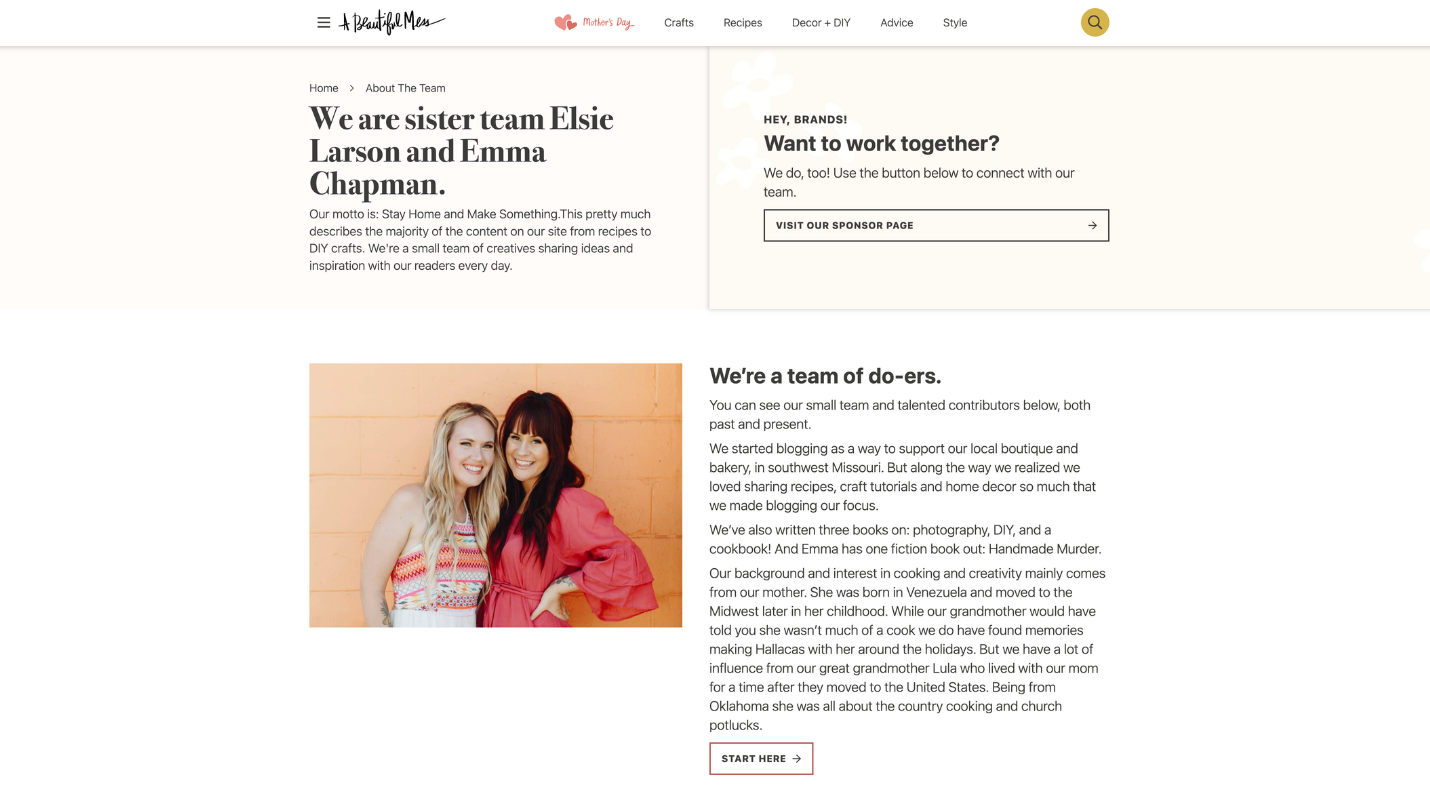
The "About Page" is consistently one of the most visited pages on any professional blog. Elsie and Emma of A Beautiful Mess treat this page not as a dry biography, but as a visual and narrative introduction to their world. By combining bold photography with catchy, high-energy introductions, they convert casual visitors into long-term followers.
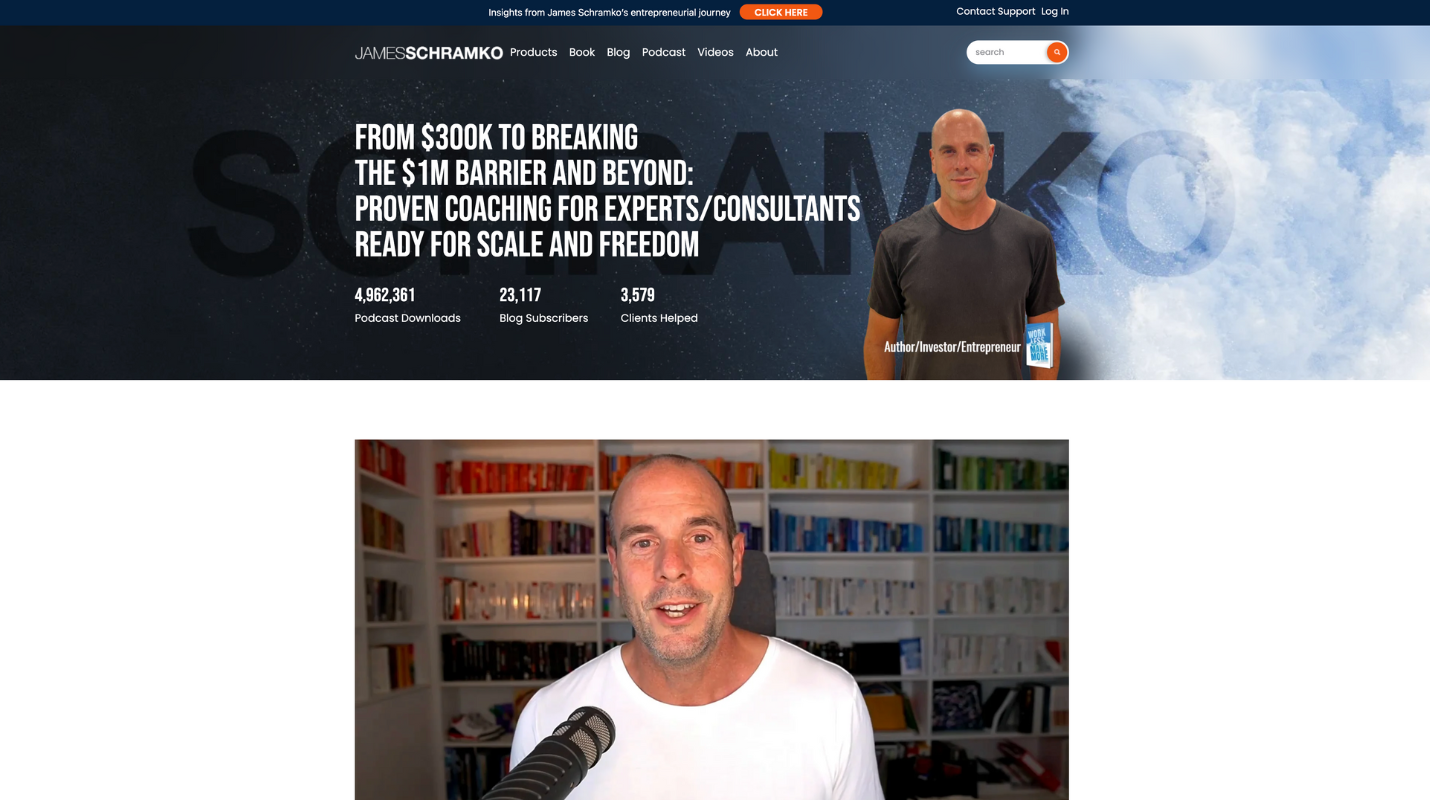
James Schramko of SuperFastBusiness utilizes a "Brand Statement" as a structural tool for personalization. By placing a clear declaration of his services and target audience at the very top of his site, he personalizes the content for the reader. This strategy shifts the focus from "Who am I?" to "Who am I helping?" It is a sophisticated form of personalization that builds authority by demonstrating a deep understanding of the audience’s specific pain points.
Psychological Identification and Audience Segmentation
Perhaps the most advanced form of personalization is helping the reader define themselves through the creator’s framework. Emily of Puttylike has achieved this by popularizing the term "Multipotentialite." Through her TED Talk and blog content, she provides a label for people who have many interests and creative pursuits but feel they lack a single "calling."
Emily’s use of an interactive quiz—"Are You a Multipotentialite?"—as a lead magnet is a masterful example of "participation-based personalization." It moves the reader from a passive consumer of content to an active participant in a community identity. This psychological alignment creates a high level of "stickiness" for the blog, as the audience views the platform as a reflection of their own identity.
Broader Impact and the Future of Human-Centric Content
The implications of these personalization strategies extend far beyond individual blog traffic. As generative AI becomes capable of producing technically perfect prose, the value of the "human element" is expected to appreciate. Data from digital advertising agencies suggests that influencer-led content—which is inherently personalized—generates 11 times the ROI of traditional banner ads.
The broader impact on the media industry is a shift toward "micro-communities." Rather than aiming for the widest possible audience with generic content, successful creators are using personalization to dominate specific niches. This trend is driving the growth of platforms like Substack and Patreon, where personality is the primary product being sold.
Conclusion and Strategic Analysis
The ten examples analyzed—ranging from the visual consistency of Chris Ducker to the psychological labeling of Puttylike—demonstrate that personalization is a multi-faceted discipline. It is not merely about "being yourself" but about strategically choosing which elements of one’s identity to amplify to build trust and recognition.
For modern digital publishers, the data is clear: technical excellence is the baseline, but personality is the competitive advantage. Creators who fail to personalize their platforms risk being lost in an increasingly automated sea of information. Those who successfully inject their unique voice, visuals, and values into their work are the ones who will define the next era of the creator economy. The transition from a "blog" to a "personal brand" is no longer an option for the few, but a survival strategy for the many.