Gilang Muhammad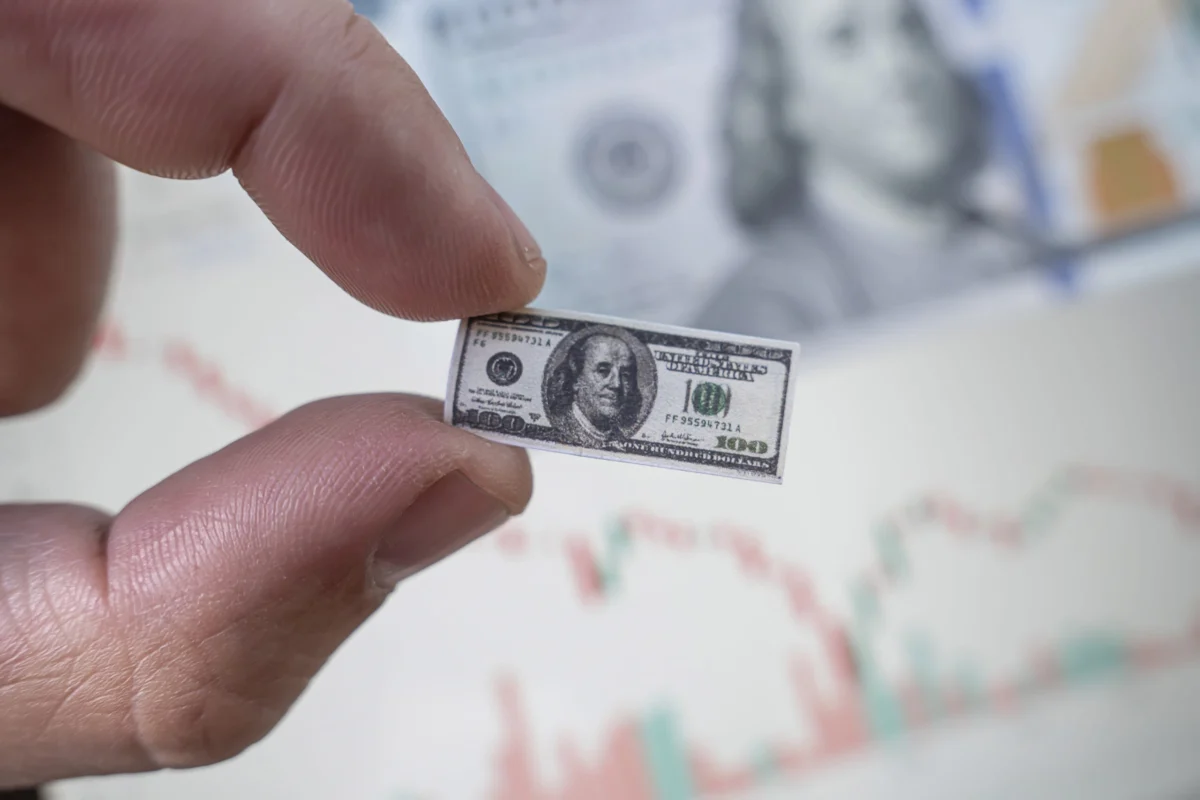
U.S. workers are grappling with a significant reversal in their economic fortunes as inflation once again accelerates beyond wage growth, creating a renewed squeeze on household budgets and threatening consumer spending. This trend, a stark departure from a period of gradual improvement, signals heightened economic pressures for millions of Americans who are finding their paychecks purchasing less in an environment of elevated prices.
The latest data from the U.S. Bureau of Labor Statistics (BLS) paints a concerning picture. Consumer prices surged by 3.4% in August 2026 from a year earlier, a rate that eclipsed the 3.1% increase in average hourly earnings over the same period. When adjusted for inflation, real average hourly earnings actually fell by 0.1% from July and were down 0.3% year-over-year in August. This widening gap underscores a critical erosion of purchasing power, leaving a substantial number of households worse off as their incomes fail to keep pace with the rising cost of living.
"A substantial number of Americans are worse off, their incomes are not keeping up with the price increases right now," stated Heather Long, chief economist at Navy Federal Credit Union, in an interview with CNBC. Her assessment highlights the immediate and tangible impact on daily financial realities for a broad segment of the population. The basic economic principle at play is unambiguous: "The basics are that inflation is wiping out wage gains," Long emphasized, pinpointing April 2026 as a crucial turning point after an extended stretch where wage growth had generally offered some relief by exceeding inflation.
A Reversal of Fortunes: The Shifting Economic Landscape
For nearly a year, from May 2023 until approximately April 2026, American workers had been slowly regaining ground against the inflationary tide that characterized the post-pandemic recovery. During this period, real wages saw modest gains, providing a glimmer of hope that the intense price pressures felt since 2021 might be abating. Long herself had been tracking this relationship, initially making the case that despite persistent frustration over high overall price levels, wages were indeed catching up, offering a measure of progress.
However, this hard-won progress began to unravel dramatically in the spring of 2026. The primary catalyst for this swift reversal has been a sharp increase in energy costs. "That’s what’s just hard to watch. Things were getting better, and now that improvement has blown up," Long lamented, capturing the sentiment of many who had begun to feel a sense of stability returning to their finances.
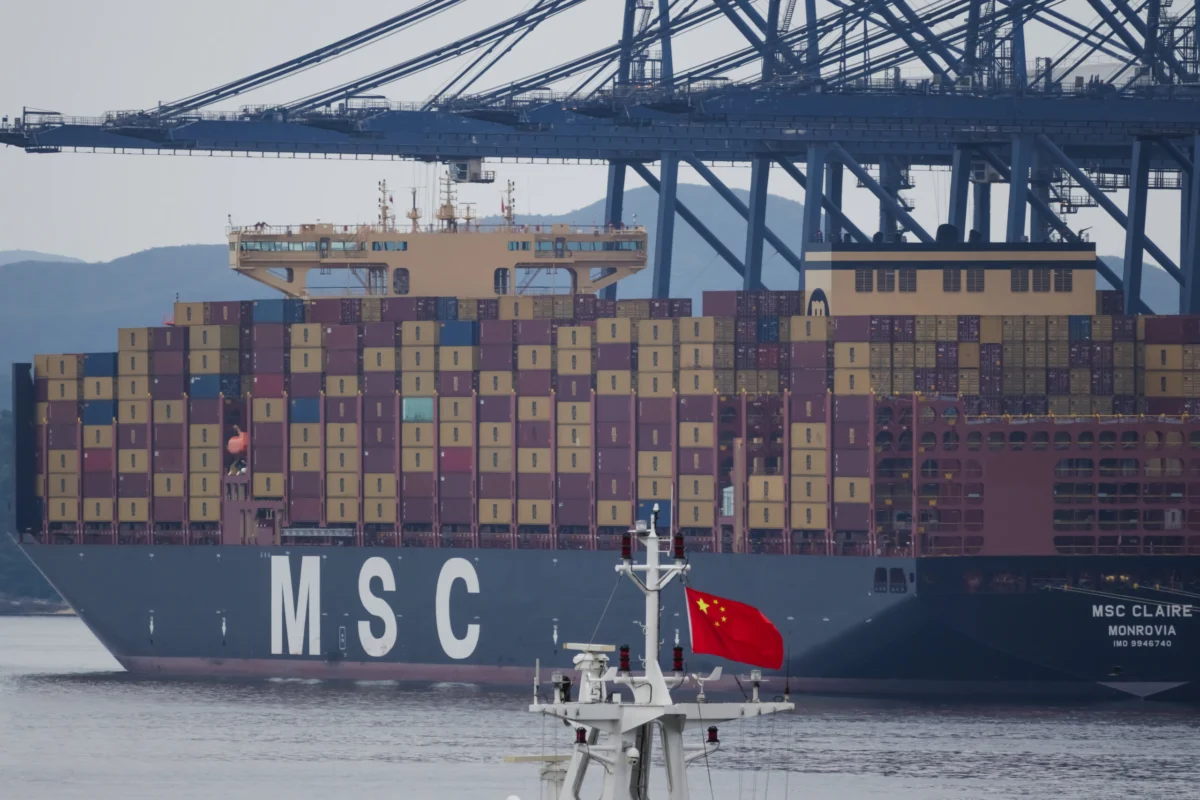
Energy remains a formidable source of pressure on the Consumer Price Index (CPI). Gasoline prices alone jumped by 3.9% in August, accounting for more than one-third of the overall CPI’s gain for the month. Adding to the burden, diesel prices touched an alarming $6 per gallon in early September for the first time, driven by significant fuel supply disruptions. These disruptions are largely attributed to ongoing geopolitical conflicts, specifically wars in Iran and Ukraine, which have destabilized global energy markets and choked supply routes, including critical maritime passages like the Strait of Hormuz.
The connection between geopolitical events and household finances is direct and profound. Long specifically ties the recent shift in American households’ economic stability to the surge in energy prices following the conflict in Iran. Navy Federal’s internal data, for instance, had previously estimated a staggering 21% jump in gasoline prices in March, which contributed to pushing its measure of car ownership costs to a new record high. Given that transportation is an inescapable cost for most households and a major input for nearly all goods and services, such increases ripple throughout the economy, exacerbating inflationary pressures across the board.
Broader Economic Context: The Post-Pandemic Inflationary Saga
To fully understand the current predicament, it is essential to contextualize it within the broader economic narrative of the past few years. The seeds of the current inflationary environment were sown during the initial phases of the COVID-19 pandemic. Unprecedented fiscal stimulus, designed to cushion the economic blow of lockdowns, injected vast sums of money into the economy. Simultaneously, a perfect storm of supply chain disruptions—stemming from factory shutdowns, port congestion, and labor shortages—clashed with a surge in consumer demand for goods, particularly as services spending was curtailed. This imbalance, often described as "too much money chasing too few goods," initiated a period of rapid and sustained price increases not seen in decades.
The Federal Reserve responded to this escalating inflation by embarking on an aggressive campaign of interest rate hikes, aiming to cool demand and bring inflation back down to its target of 2%. While these monetary tightening measures did contribute to moderating overall price increases from their peak, core inflation—which excludes volatile food and energy prices—has proven stubbornly persistent. The initial period where wage growth outpaced inflation was partly a reflection of a tight labor market, where employers, struggling to find and retain workers, offered higher pay. This was seen as a positive development, allowing workers to regain some lost purchasing power. However, the recent data suggests this momentum has stalled, if not reversed.
‘Going to be Tough for a Long Time’: The Economic Outlook
The outlook, according to economists like Heather Long, remains challenging. She finds it difficult to foresee a substantial decline in inflation as long as geopolitical tensions continue to disrupt global supply chains and energy markets, especially when coupled with the observed slowdown in wage growth. "It’s going to be tough for a long time," she cautioned, offering a sober assessment of the road ahead.
The most optimistic scenario Long envisions involves wage growth and inflation converging again around the beginning of 2027. However, even this convergence might offer little immediate relief. "But that’s still going to feel pretty miserable on Main Street if inflation equals wage growth," she noted. When wages merely keep pace with inflation, households gain no real increase in their standard of living; they simply manage to maintain their existing purchasing power, which, given the cumulative price increases of the past few years, still feels like a significant loss. This "break-even" scenario offers no opportunity to rebuild savings, pay down debt more aggressively, or invest in future growth.
Impact on Consumer Behavior and Broader Economy
A prolonged squeeze on purchasing power inevitably translates into changes in consumer behavior, which in turn has significant implications for the broader economy. Consumer spending is the bedrock of the U.S. economy, accounting for roughly two-thirds of all economic activity. As paychecks buy less, Long anticipates households will become increasingly cautious, pulling back on discretionary spending and prioritizing essential goods and services.
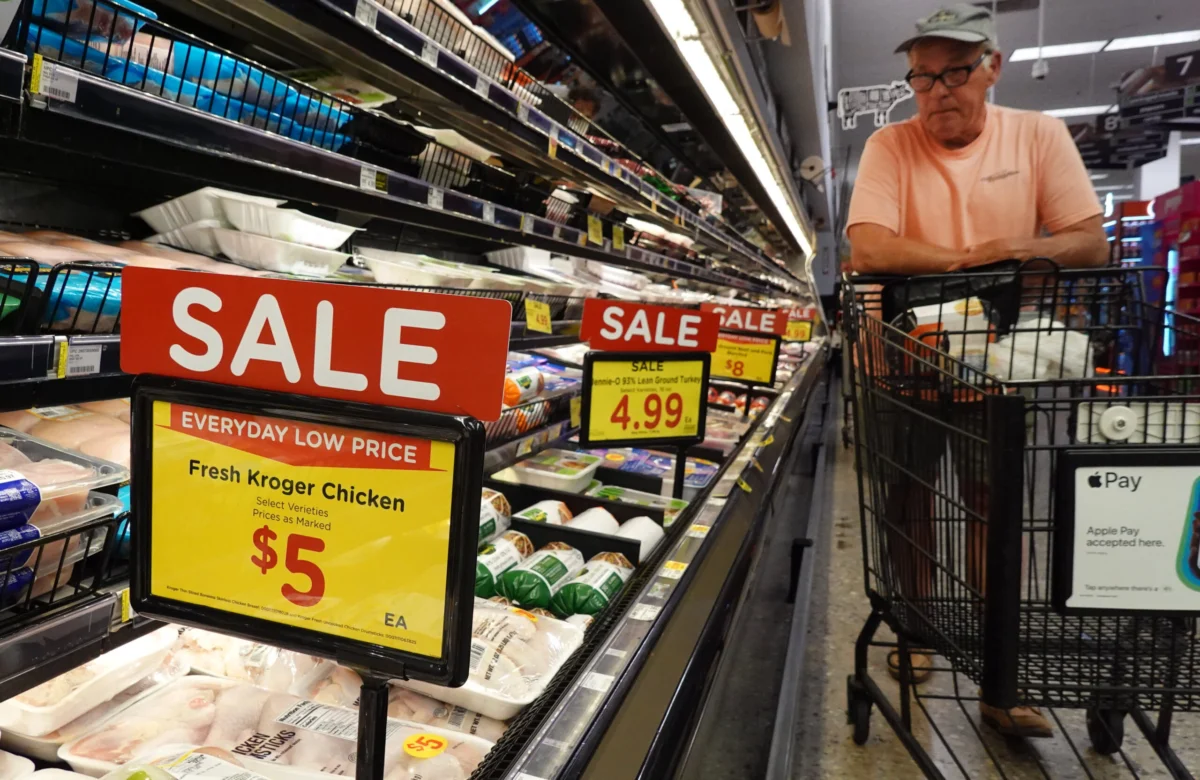
Evidence of this behavioral shift is already emerging in various data sets. YouGov data indicates a clear divergence in grocery shopping habits: higher-income shoppers tend to favor warehouse clubs like Costco, while middle- to lower-income households increasingly rely on discount retailers such as Walmart Supercenter for their groceries. This "trading down" phenomenon is not limited to groceries. Navy Federal’s internal spending data, which encompasses approximately 15 million members, confirms a similar trend across income spectrums. "People who used to shop at Whole Foods are now at Costco, Aldi, and so you can see that people are still really trying to stretch every dollar," Long explained, highlighting that this frugality is appearing "almost across the income spectrum."
This widespread adjustment in spending habits underscores the deep frustration and concern regarding inflation and affordability. Households are actively seeking ways to mitigate the impact of rising prices, even if it means altering long-standing purchasing patterns or sacrificing certain conveniences. For businesses, this translates into increased competition, pressure on profit margins, and a potential slowdown in sales for non-essential goods and services. Retailers catering to higher-end markets may see reduced foot traffic, while discount chains might experience a boost, albeit often with thinner profit margins.
The ripple effect extends beyond retail. Reduced consumer spending can dampen overall economic growth, potentially leading to slower job creation or even layoffs in sectors most dependent on discretionary purchases. This creates a challenging environment for policymakers, who must navigate between controlling inflation without tipping the economy into a recession. The Federal Reserve, for instance, faces the unenviable task of tightening monetary policy enough to bring inflation down to its target, but not so much that it stifles economic activity and pushes unemployment higher.
Policy Debates and Future Considerations
The current economic landscape fuels ongoing debates about potential policy responses. On the fiscal front, discussions may center on targeted relief for vulnerable households, energy subsidies, or investments in supply chain resilience to mitigate future disruptions. However, any new fiscal spending must be carefully weighed against its potential to reignite inflationary pressures.
Monetary policy will remain under intense scrutiny. The Federal Reserve’s path forward will depend heavily on incoming data regarding inflation, employment, and wage growth. Should inflation prove more persistent, further interest rate hikes could be on the table, despite the risk of a sharper economic slowdown. Conversely, if economic activity weakens significantly, the Fed might face calls to ease its stance, though this could complicate the fight against inflation.
Beyond immediate policy, the long-term implications of sustained inflation and eroding purchasing power are significant. It can exacerbate wealth inequality, as those with fewer assets or lower incomes are disproportionately affected by rising prices. It can also erode confidence in economic stability, impacting long-term investment and planning for both individuals and businesses. The current trend serves as a powerful reminder of the delicate balance required to maintain a healthy and equitable economy. The frustration expressed by consumers and economists alike is not merely about numbers; it reflects a tangible decline in the quality of life and future prospects for many American families. The path to restoring economic equilibrium, where wages once again meaningfully outpace inflation, promises to be a protracted and challenging one.