Clara Shinta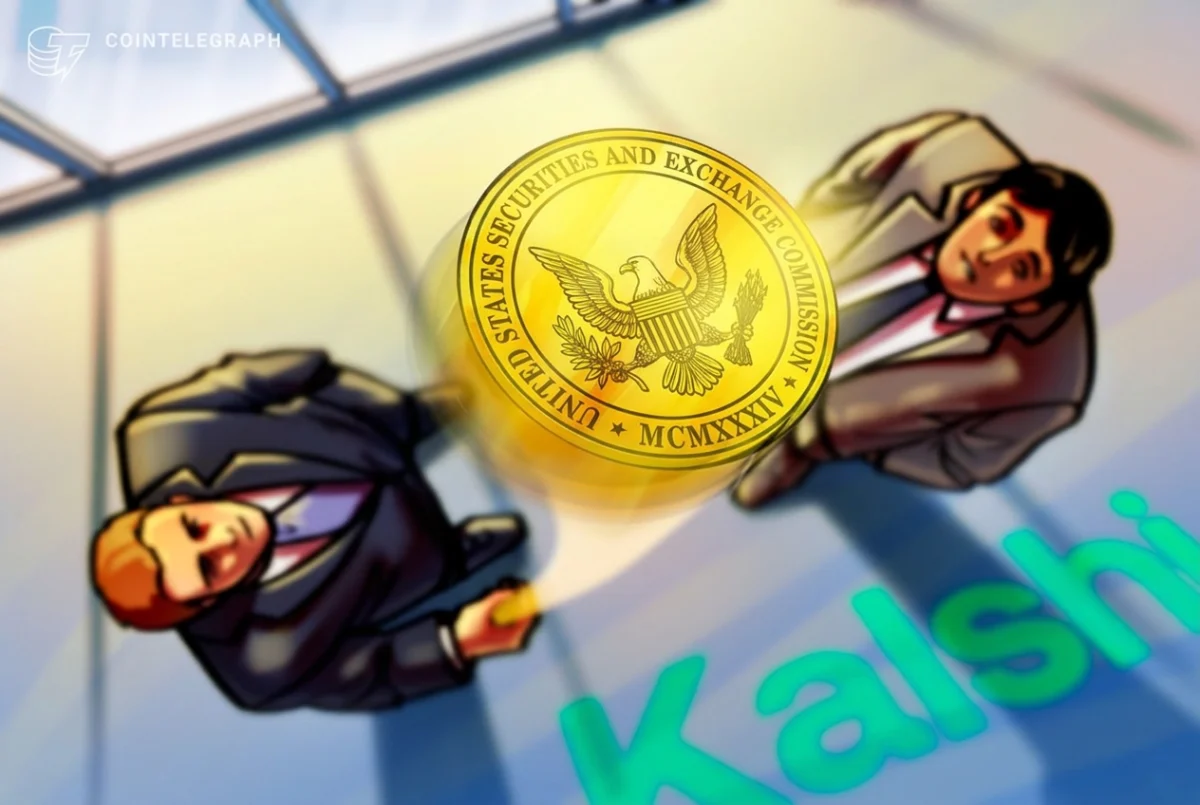
The landscape of US financial markets is poised for a transformative shift as Kalshi, the innovative prediction market platform, has formally submitted a proposal to the Securities and Exchange Commission (SEC) and the Commodity Futures Trading Commission (CFTC) to introduce perpetual futures contracts tied to individual US stocks. This strategic move positions Kalshi alongside cryptocurrency giants Coinbase and Kraken (via its parent company Payward’s Bitnomial Exchange), all of whom are simultaneously pushing to integrate a highly popular, crypto-native derivatives product into the traditional equity trading environment. These filings represent a concerted effort by key players to expand the horizons of financial instruments available to American investors, potentially ushering in an era of 24/7 trading and enhanced liquidity for major US equities.
Understanding the Innovation: Perpetual Futures Explained
At the heart of these ambitious proposals lies the concept of a "perpetual future." Unlike traditional futures contracts, which possess a predetermined expiration date, perpetual futures are designed to have no such expiry. This fundamental difference eliminates the need for traders to continually roll over positions, offering a more flexible and potentially less capital-intensive way to gain exposure to underlying assets.
The mechanism ensuring that the price of a perpetual future remains closely tethered to its underlying spot asset is a system of "periodic funding payments." These payments occur at regular intervals (e.g., every eight hours) between long and short position holders. If the perpetual contract trades at a premium to the spot price, those holding long positions pay those holding short positions, incentivizing short selling and driving the perpetual’s price down. Conversely, if the perpetual trades at a discount, short holders pay long holders, encouraging buying and pushing the price up. This ingenious system, pioneered in cryptocurrency markets, effectively manages basis risk and ensures convergence without the complexity of expiration.
Kalshi, in its filing, articulated that these proposed contracts would be classified as security futures products. To facilitate their trading and settlement, Kalshi intends for them to be cleared through its CFTC-registered clearinghouse, Kalshi Klear, underscoring a commitment to established regulatory frameworks even while introducing a novel product. This dual regulatory classification (security futures fall under the joint jurisdiction of the SEC and CFTC) highlights the complex regulatory pathway such instruments must navigate.
The Regulatory Gauntlet: Navigating the SEC and CFTC Landscape
The synchronized filings by Kalshi, Coinbase, and Bitnomial (Kraken’s parent company) on the same day underscore a coordinated strategy to present a united front to US regulators. The process involves submitting proposed rule changes to both the SEC and the CFTC, reflecting the dual jurisdiction often associated with derivatives products, particularly those crossing into equity markets. While the SEC oversees securities and the CFTC governs commodities (including most derivatives), security futures products specifically fall under a shared regulatory purview.
For these perpetual futures tied to individual US stocks to become a reality, they must receive explicit approval from both regulatory bodies. The CFTC has yet to approve any of these specific proposals for single-stock perpetuals. However, Kalshi has already demonstrated its capability to secure CFTC approval for perpetual futures in the cryptocurrency space, having received a green light for Bitcoin (BTC) perpetual contracts in May. This prior approval for crypto-based perpetuals, which also include Ether (ETH), Solana (SOL), and XRP (XRP), provides a precedent and potentially a clearer pathway for the firm’s expansion into equity derivatives, although the regulatory nuances for securities are distinct and often more stringent.
The simultaneous nature of these filings suggests a strategic attempt to demonstrate broad industry interest and readiness to comply with existing regulatory frameworks, while simultaneously pushing for the expansion of these frameworks to accommodate new product types. This collective push aims to provide regulators with a comprehensive view of the industry’s intent and capacity for innovation within a regulated environment.
A Race to Innovate: Kalshi, Coinbase, and Kraken’s Proposals
The recent flurry of regulatory filings signals an intensifying race among financial innovators to capture a nascent but potentially massive market for US single-stock perpetual futures. Each company brings its unique background and strategic vision to this endeavor:
Kalshi: As a prediction market platform, Kalshi has carved out a niche in event-based futures. Its existing experience with CFTC-approved cryptocurrency perpetuals positions it as a technically capable and regulatorily experienced contender. Kalshi’s focus on leveraging its CFTC-registered clearinghouse, Kalshi Klear, for these new products demonstrates a clear intent to operate within a regulated infrastructure, mirroring the structure used for its crypto offerings. Their prior success in obtaining approval for crypto perpetuals might offer them a slight advantage in demonstrating regulatory compliance and operational readiness.
Coinbase: A dominant force in the cryptocurrency exchange landscape, Coinbase has been increasingly aggressive in expanding its product offerings beyond spot trading. The company’s filing to offer single-stock perpetual futures is a natural extension of its strategy to bridge traditional finance with the efficiencies and innovation often found in crypto markets. Coinbase’s vast user base and brand recognition could quickly drive adoption if approvals are granted. Their push aligns with a broader industry trend of crypto exchanges seeking to diversify revenue streams and attract a wider range of investors by offering more sophisticated financial products.
Payward (Kraken) via Bitnomial Exchange: Kraken, another major cryptocurrency exchange, is entering this race through its parent company, Payward, and its Bitnomial Exchange. Bitnomial’s filing outlines plans to initially offer perpetual futures tied to 10 prominent US equities, including tech giants like Tesla, Nvidia, Apple, Microsoft, and Amazon. A key differentiator in Payward’s stated ambition is to work towards offering 24/5 trading, a significant departure from the standard US stock market hours. This aligns with the always-on nature of crypto markets and could appeal to a global investor base or those seeking greater flexibility. The selection of highly liquid and widely followed stocks suggests a strategy to target products with strong investor interest and robust underlying market data.
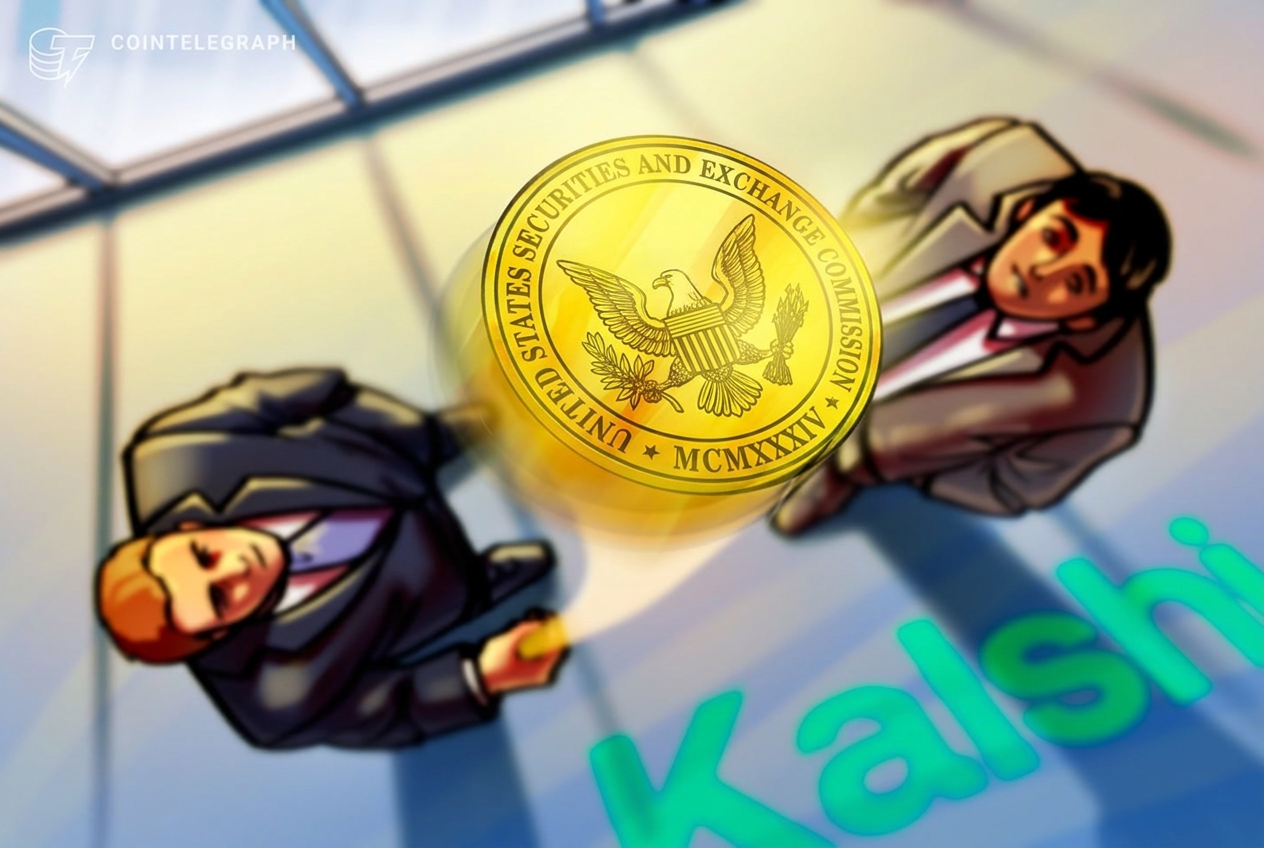
This convergence of crypto-native firms seeking to introduce crypto-style derivatives into traditional equity markets underscores a fundamental belief that these products offer distinct advantages, such as continuous trading and enhanced capital efficiency, that could appeal to a diverse range of investors.
The Shadow of Legislative Stalemate: The CLARITY Act and Regulatory Stance
These significant filings come hot on the heels of a notable legislative setback: the failure of the CLARITY Act to advance in the US Senate on September 15. The CLARITY Act was a bipartisan legislative effort aimed at providing much-needed regulatory clarity for digital assets, particularly regarding their classification as securities or commodities. Its failure to secure the 60 votes required to proceed left the digital asset industry and market participants in a continued state of uncertainty regarding the regulatory treatment of various crypto-related products.
The direct implication of the CLARITY Act’s failure is that regulators, particularly the SEC and CFTC, will continue to operate under their existing statutory authorities, which many in the industry argue are not perfectly suited for the novel characteristics of digital assets and related derivatives. This legislative void places an even greater onus on the regulatory agencies to interpret and apply existing laws to new financial instruments.
In a direct response to the legislative impasse, SEC Chair Paul Atkins stated, "with or without legislation," the agency would "act decisively" within its existing statutory authority to provide regulatory certainty for American investors and entrepreneurs. This statement, shared days after the CLARITY Act’s failure, signals a proactive, albeit potentially more cautious, approach from the SEC. It suggests that while the legislative path for comprehensive crypto regulation remains stalled, the SEC is prepared to use its current powers to address market developments, including the proliferation of new derivatives products. This could mean a stringent review process for the perpetual futures filings, with a strong emphasis on investor protection, market integrity, and systemic risk management. The industry’s push for these new products will therefore serve as a critical test of the existing regulatory framework’s adaptability.
Bridging the Divide: Crypto Innovation Meets Traditional Finance
The move by Kalshi, Coinbase, and Kraken to introduce single-stock perpetual futures is more than just a product launch; it represents a significant step in the ongoing convergence of cryptocurrency market innovations with traditional finance. Crypto markets, characterized by their 24/7 nature, global accessibility, and rapid product development cycles, have given rise to sophisticated instruments like perpetual futures that offer distinct advantages over their traditional counterparts.
The allure of perpetual futures in traditional equity markets is multifaceted:
- 24/7 Trading Potential: The ability to trade outside of standard market hours, mirroring crypto markets, could provide investors with greater flexibility to react to global news and events, reduce overnight risk, and enhance price discovery.
- Enhanced Liquidity: Continuous trading and the elimination of expiration dates can contribute to deeper and more consistent liquidity for underlying assets.
- Capital Efficiency: For traders and institutions seeking leveraged exposure or hedging strategies, perpetual futures can offer a more capital-efficient instrument compared to traditional futures or options, especially given the continuous nature.
- New Investment Strategies: These products can unlock new arbitrage opportunities, sophisticated hedging strategies, and directional bets on individual stocks without the complexities of physical stock ownership or the constraints of expiring contracts.
- Retail Accessibility: While derivatives are typically considered advanced instruments, the simplicity of a non-expiring contract, combined with the potential for fractional trading, could eventually broaden their appeal to a wider segment of retail investors, albeit with significant investor education and risk disclosure requirements.
This trend reflects a broader recognition within traditional finance of the innovative potential residing within the digital asset ecosystem. As market participants seek new avenues for growth and efficiency, the adoption of crypto-native concepts into established markets becomes increasingly appealing.
Potential Market Impact and Investor Considerations
If approved, the introduction of single-stock perpetual futures could have profound implications for the US equity market:
- Increased Market Volume and Volatility: The accessibility of these products could lead to higher trading volumes for underlying stocks and potentially increased intraday volatility as more sophisticated trading strategies are deployed.
- Diversification of Derivatives Landscape: It would significantly diversify the derivatives products available beyond standard options and futures, offering investors more granular control over their exposure.
- Regulatory Scrutiny: The SEC and CFTC will face the challenge of overseeing these new products, ensuring robust market surveillance, preventing manipulation, and safeguarding retail investors from the inherent risks of leveraged derivatives. This will likely involve detailed rules around margin requirements, clearing processes, and disclosure.
- Institutional Adoption: While initially appealing to retail traders familiar with crypto, institutional investors could also integrate these products into their portfolio management, hedging, and arbitrage strategies, especially if liquidity becomes robust.
- Competition with Existing Exchanges: Traditional derivatives exchanges might face increased competition or be compelled to innovate their own offerings to match the features of perpetual futures.
However, the path is not without challenges. Perpetual futures, particularly when leveraged, carry significant risks. Rapid price movements, margin calls, and the complexities of funding rates can lead to substantial losses, especially for inexperienced traders. Regulators will need to carefully weigh the benefits of innovation against the imperative of investor protection, likely imposing strict suitability requirements and educational mandates.
The Path Forward: Awaiting Regulatory Judgment
The future of single-stock perpetual futures in the US market now rests firmly in the hands of the SEC and CFTC. Their decisions will not only determine the fate of these specific proposals but will also send a powerful signal about the regulatory appetite for integrating crypto-derived innovations into mainstream finance.
The detailed nature of the filings by Kalshi, Coinbase, and Bitnomial, coupled with their existing experience in regulated environments (especially Kalshi’s CFTC approval for crypto perpetuals), suggests a serious and well-considered attempt to meet regulatory requirements. However, the unique characteristics of perpetual futures, particularly their non-expiring nature and the funding rate mechanism, demand thorough scrutiny within the context of securities laws.
The outcome of these applications will undoubtedly shape the evolution of US derivatives markets for years to come, potentially ushering in a new era of 24/7, highly liquid, and innovative trading opportunities for individual US stocks. As the financial world watches, the regulatory bodies are tasked with balancing innovation with stability and investor protection in an increasingly interconnected and rapidly evolving global financial ecosystem.