Lina Wu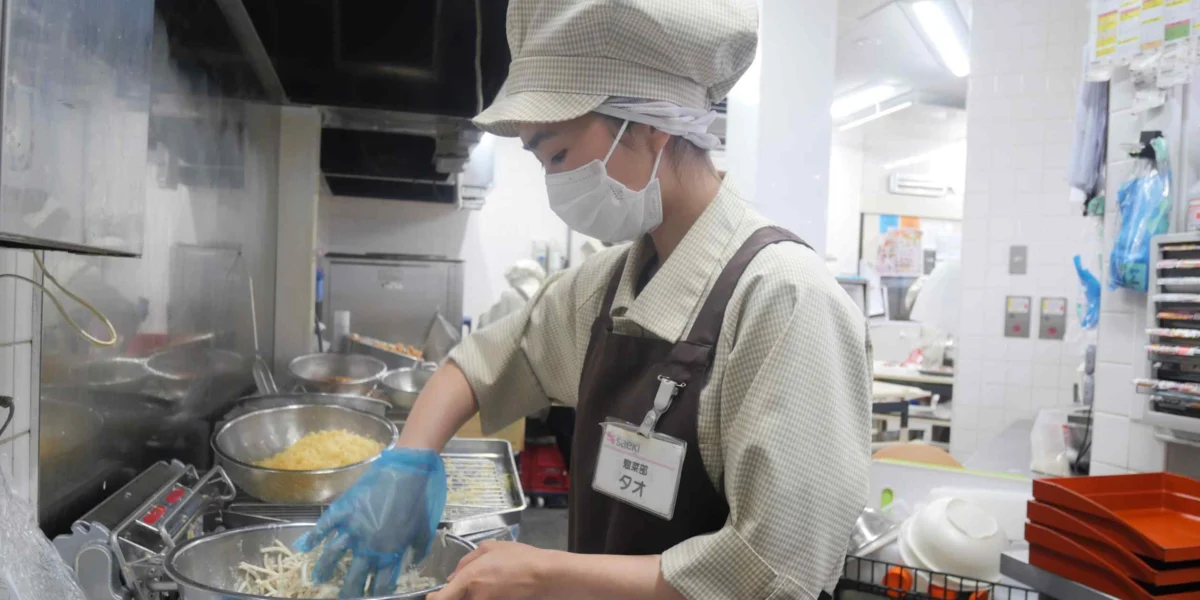
Japanese supermarket operator Saeki Selva Holdings is charting an ambitious course for its entry into the Vietnamese market, with a strategic emphasis on rapidly elevating local talent to store management positions. This initiative signifies a broader trend of Japanese retailers seeking to leverage emerging markets and cultivate a skilled, adaptable workforce capable of navigating diverse consumer landscapes. The company’s plan involves a comprehensive training program that will equip Vietnamese employees with the full spectrum of operational knowledge, from fundamental retail practices to the intricate responsibilities of overseeing entire store operations. This approach suggests a departure from traditional expatriate-led management models, opting instead for a more integrated and localized strategy.

Strategic Incursion into Vietnam: A Multilayered Approach
Saeki Selva Holdings’ decision to expand into Vietnam is rooted in a confluence of factors, including the nation’s robust economic growth, burgeoning middle class, and increasing consumer demand for quality and convenience. Vietnam has consistently demonstrated impressive GDP growth rates, projected to remain among the highest in Southeast Asia for the foreseeable future. This economic dynamism translates into a growing disposable income and a rising appetite for a wider array of consumer goods and services, including the sophisticated retail offerings that Japanese supermarkets are known for.
The company’s proposed training framework is designed to be a cornerstone of its Vietnamese operations. It aims to bridge potential knowledge gaps and cultural nuances by immersing Vietnamese staff in Saeki’s established operational philosophies and best practices. This will likely involve a dual-pronged approach: on-site training within existing Saeki stores in Japan for select Vietnamese employees, and the establishment of dedicated training facilities in Vietnam. The curriculum is expected to cover critical areas such as inventory management, customer service standards, merchandising techniques, food safety protocols, and financial oversight. The ultimate goal is to foster a cadre of Vietnamese store managers who can independently lead and innovate within the local market.

Background and Context: Japan’s Evolving Retail Landscape
The Japanese retail sector has long been characterized by its high standards of quality, meticulous attention to detail, and customer-centric approach. However, the domestic market faces demographic challenges, including an aging population and a declining birthrate, which exert pressure on sales growth and labor availability. Consequently, many Japanese companies are increasingly looking overseas for new avenues of expansion and talent acquisition.
Vietnam, with its young and growing population, presents a compelling alternative. The nation’s workforce is often characterized by its diligence, adaptability, and eagerness to learn, qualities that are highly valued in the service-oriented retail industry. By investing in the development of local management talent, Saeki Selva Holdings not only aims to ensure operational efficiency and cultural resonance but also to build a sustainable and deeply embedded presence in the Vietnamese market. This proactive approach to talent development can also mitigate some of the challenges associated with relocating and integrating Japanese expatriate managers, such as language barriers, cultural acclimatization, and higher operational costs.

Timeline and Chronology of Expansion Plans
While specific dates for the full rollout of Saeki’s Vietnamese operations have not been publicly disclosed, the announcement indicates that preparatory phases are likely underway. The initial phase would typically involve market research, site selection, legal and regulatory compliance, and the establishment of initial partnerships. Following this, the company would likely begin constructing its first retail outlets.
The training program for Vietnamese employees is expected to commence concurrently with or shortly after the establishment of these initial operations. A phased approach to training would be logical, starting with foundational skills for entry-level positions and progressively advancing to supervisory and managerial roles. This could involve:

- Phase 1: Foundational Training (First 6-12 months): Focus on core retail operations, customer service, product knowledge, and adherence to Saeki’s quality standards. This phase may involve initial training conducted by experienced Japanese staff on-site in Vietnam.
- Phase 2: Advanced Skills Development (12-24 months): For promising individuals, intensive training in areas like inventory control, visual merchandising, team leadership, and basic financial management. This could include opportunities for selected trainees to visit and train in Saeki stores in Japan.
- Phase 3: Management Trainee Program (24-36 months): A comprehensive program designed to prepare individuals for store management responsibilities. This would involve practical experience in all facets of store operations, strategic decision-making, and leadership development. The aim is to have a pool of ready-to-lead managers within three years of the program’s inception.
The company’s commitment to "fast-tracking" suggests an accelerated timeline within these phases, possibly compressing the traditional learning curves through intensive, hands-on experiences and mentorship.
Supporting Data and Market Indicators
Vietnam’s retail market is a dynamic and rapidly growing sector. According to Statista, the retail e-commerce market in Vietnam is projected to reach $12.5 billion in 2024 and is expected to grow annually by 8.24%. While Saeki’s focus is on brick-and-mortar stores, this growth in online retail indicates a broader consumer shift towards modern shopping habits and an increasing willingness to spend on consumer goods.

The food and beverage sector, a core component of supermarket operations, is also experiencing significant expansion. Euromonitor International reports that the Vietnamese food and non-alcoholic beverage market is valued in the tens of billions of dollars and is projected for continued robust growth. This underscores the significant market potential for well-positioned and quality-focused retailers like Saeki.
Furthermore, the increasing number of foreign direct investments in Vietnam’s retail sector, including those from other Asian countries, highlights the attractiveness of the market. Saeki’s strategy of investing in local talent can be seen as a competitive differentiator, potentially leading to stronger brand loyalty and a more authentic connection with Vietnamese consumers compared to competitors who rely more heavily on expatriate management.

Inferred Reactions and Strategic Implications
The strategic decision by Saeki Selva Holdings to prioritize the rapid development of local management talent is likely to elicit a range of reactions.
- From Vietnamese Job Seekers and Employees: This initiative presents a significant opportunity for career advancement and professional development. The prospect of being trained by a reputable Japanese retailer and fast-tracked to management roles could attract a highly motivated and skilled workforce. It signals a commitment to empowering local talent, which can foster strong employee loyalty and a positive employer brand.
- From Competitors (Domestic and International): Saeki’s approach could put pressure on other retailers operating in Vietnam to re-evaluate their own talent development strategies. Companies that have historically relied on importing management expertise might face challenges in competing with a locally managed, culturally attuned operation. This could spur a broader trend of localization within the Vietnamese retail landscape.
- From Industry Analysts: Analysts are likely to view this move as a shrewd long-term strategy. By investing in human capital, Saeki is building a sustainable competitive advantage. The success of this model could serve as a blueprint for other Japanese companies looking to enter or expand in similar emerging markets. It also speaks to a maturing approach to international expansion, moving beyond mere market entry to genuine integration and local empowerment.
Broader Impact and Analysis
The implications of Saeki Selva Holdings’ strategy extend beyond the company itself. It contributes to the professionalization of the Vietnamese retail sector by introducing advanced training methodologies and management standards. This can lead to improved operational efficiency, higher quality of service, and greater consumer confidence across the market.

Moreover, this initiative aligns with Vietnam’s broader economic development goals, which include fostering a skilled workforce and attracting high-value foreign investment. By creating pathways for local employees to ascend to leadership positions, Saeki is contributing to the development of a domestic managerial class with international exposure and expertise.
The success of Saeki’s model could also influence future Japanese investment in Vietnam and other Southeast Asian nations. It demonstrates that a deep commitment to local talent development can be a powerful driver of business success, fostering not only operational excellence but also positive social and economic contributions within the host country. This approach moves beyond a transactional view of market entry to a more collaborative and mutually beneficial relationship between the investing company and the local economy. As Saeki Selva Holdings embarks on this ambitious venture, its focus on empowering Vietnamese talent will be a critical factor in its ability to navigate the complexities of a new market and establish a lasting presence.