Lina Wu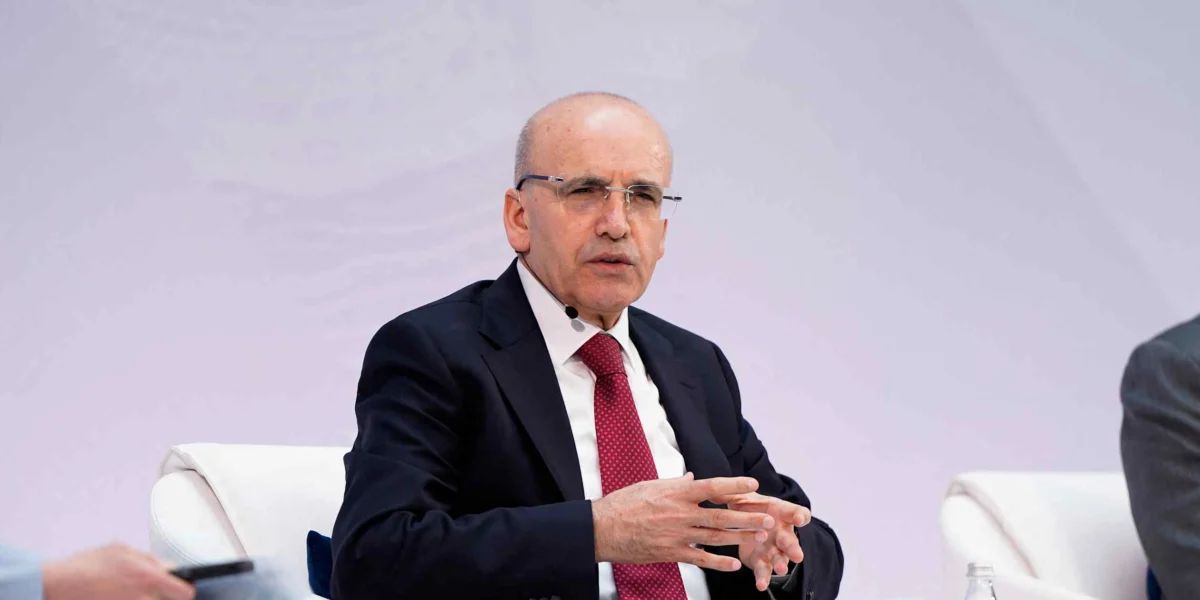
ISTANBUL – Turkey’s Finance Minister Mehmet Simsek has moved to allay market anxieties following the forced liquidation of investment funds totaling $18.3 billion, asserting that regulatory safeguards are in place to prevent contagion and ensure the stability of Borsa Istanbul. The intervention, which has sent ripples through the Turkish financial landscape, comes amidst a broader effort by the government to bolster investor confidence and reinforce the integrity of its capital markets. Simsek emphasized that authorities are maintaining a vigilant watch on market dynamics to preempt any adverse spillover effects.
The scale of the liquidation, involving significant sums, has inevitably drawn considerable attention from both domestic and international investors. This development is occurring against a backdrop of Turkey’s ongoing efforts to attract foreign investment and stabilize its economy after a period of significant volatility. The government’s proactive stance, as articulated by Minister Simsek, suggests a commitment to transparency and robust regulatory oversight as key pillars of its economic strategy.
Background to the Fund Liquidation
The precise reasons behind the forced liquidation of these investment funds have been attributed to a series of regulatory breaches and alleged malpractices. While specific details remain under investigation or have not been fully disclosed by the Capital Markets Board of Turkey (SPK), preliminary reports indicate concerns related to fund management, asset valuation, and compliance with established investment protocols. Such actions, when discovered, necessitate swift and decisive intervention to protect investors and uphold market fairness.
Historically, Turkey’s financial markets have experienced periods of rapid growth alongside challenges related to regulatory enforcement. The SPK, as the primary regulatory body, plays a critical role in overseeing the operations of financial institutions, including investment funds, to ensure adherence to laws and protect the investing public. The current situation underscores the importance of stringent oversight and the SPK’s mandate to act when rules are violated.
The liquidation process itself involves a complex unwinding of fund assets, with the aim of returning capital to investors as efficiently as possible. This can involve selling off underlying securities, real estate, or other assets held by the funds. The sheer volume of assets involved in this instance – an estimated $18.3 billion – signifies the substantial impact on the affected investors and potentially on the broader market liquidity.
Chronology of Events and Market Reaction
The market sell-off, which preceded Minister Simsek’s reassuring statements, appears to have been triggered by news of the impending or ongoing liquidation. While the exact timeline of the SPK’s decision-making process and the subsequent market reaction is still being pieced together, it is understood that the regulatory action was initiated following thorough investigations.
Early reports of the liquidation likely created uncertainty among investors, leading to a wave of selling as some participants sought to de-risk their portfolios or exit positions perceived to be at risk. This initial reaction can often be amplified by algorithmic trading and the rapid dissemination of news in today’s interconnected financial environment.
The timing of Minister Simsek’s remarks, delivered shortly after the market downturn, indicates a concerted effort by the government to stem any further panic and provide clarity. His statements, broadcast to reassure financial markets, are a critical component of managing investor sentiment during periods of volatility. The focus on "regulatory changes" and "contagion risk" suggests that the government has identified specific mechanisms that will mitigate the impact of the liquidation.
Supporting Data and Market Indicators
While specific data points detailing the exact composition of the liquidated funds and their holdings are not publicly available, the $18.3 billion figure itself provides a significant benchmark. This sum represents a substantial portion of the Turkish investment fund market. For context, the total assets under management in Turkey’s investment funds sector have seen fluctuations, but figures in the hundreds of billions of dollars are not uncommon for the broader financial ecosystem. A liquidation of this magnitude therefore warrants careful scrutiny.
The performance of Borsa Istanbul, the Turkish stock exchange, is a key indicator of market sentiment. Following the news of the fund liquidation, it would be expected that the main indices of Borsa Istanbul would have experienced a decline. Analyzing the extent of this decline, the sectors most affected, and the subsequent recovery or stabilization would provide crucial data on the market’s resilience.
Furthermore, the Turkish Lira’s exchange rate against major currencies, particularly the US Dollar and the Euro, would also be a sensitive indicator. Increased uncertainty can often lead to currency depreciation as foreign investors withdraw capital. The government’s objective would be to see the Lira stabilize and potentially recover as confidence is restored.
Bond yields, especially those of Turkish government debt, would also reflect market perceptions of risk. Rising yields would suggest increased borrowing costs for the government, while stable or falling yields would indicate a more sanguine outlook.
Official Responses and Government Strategy
Finance Minister Mehmet Simsek’s primary objective is to project an image of strong governmental control and a proactive approach to market stability. His assurance that regulatory changes will prevent contagion risk is a crucial part of this strategy. These "regulatory changes" could refer to a variety of measures, such as:
- Enhanced Capital Requirements: Mandating higher capital buffers for financial institutions to absorb potential losses.
- Stricter Compliance Protocols: Imposing more rigorous checks and balances on fund operations and reporting.
- Improved Transparency Measures: Requiring greater disclosure from investment funds regarding their holdings and investment strategies.
- Contingency Planning: Developing and implementing robust plans to manage systemic risks should they emerge.
The Turkish government, under President Recep Tayyip Erdoğan, has consistently emphasized the importance of economic stability and attracting foreign direct investment. This incident, while potentially disruptive, also presents an opportunity for the government to demonstrate its commitment to these goals by effectively managing the fallout and reinforcing the regulatory framework.
The Capital Markets Board of Turkey (SPK) is expected to provide further details on its findings and the rationale behind the liquidation as investigations progress. The SPK’s independence and its ability to enforce regulations without political interference are vital for maintaining investor trust.
Broader Impact and Implications
The liquidation of such a large volume of investment funds carries several potential implications for the Turkish economy:
- Investor Confidence: The immediate impact is on investor confidence. If managed effectively, the government’s swift action and clear communication could reinforce confidence in the long run. Conversely, a poorly handled situation could deter both domestic and international investors.
- Market Liquidity: The forced sale of assets to liquidate the funds could temporarily impact liquidity in certain market segments, potentially leading to price volatility. However, the assertion by Minister Simsek that regulatory changes will mitigate contagion suggests that the authorities believe this liquidity impact will be contained.
- Reputational Risk: Turkey’s reputation as an investment destination could be affected. For international investors, the predictability and fairness of the regulatory environment are paramount. Demonstrating a robust and transparent regulatory system is therefore crucial.
- Economic Growth: Ultimately, sustained investor confidence and stable financial markets are prerequisites for robust economic growth. Any significant disruption could have a dampening effect on investment and economic activity.
The Turkish authorities are likely to be focused on a dual approach: addressing the immediate fallout from the liquidation while also implementing long-term reforms to strengthen the financial sector’s resilience. This includes not only regulatory adjustments but also fostering a culture of compliance and ethical conduct within the financial industry. The success of these efforts will be closely watched by the global financial community.
Minister Simsek’s statements represent the government’s initial response, aiming to provide reassurance and signal a proactive management of the situation. The coming weeks and months will be critical in observing how the market absorbs this event and whether the implemented regulatory measures prove effective in safeguarding Borsa Istanbul and preserving investor confidence in Turkey’s financial future. The $18.3 billion figure serves as a stark reminder of the significant challenges and responsibilities that come with managing a large and complex financial market.