Putri Inara
The landscape of digital marketing and brand development has shifted fundamentally toward a relationship-based model, where the ability to connect with key industry figures—commonly referred to as influencers—determines the trajectory of a blog or business. In an era defined by information saturation, the methodology used to approach these high-authority individuals has become a critical differentiator between professional growth and brand stagnation. Industry data suggests that while influencer marketing is projected to grow into a $24 billion industry by the end of 2024, the success rate of cold outreach remains remarkably low, often due to a reliance on automated systems that prioritize volume over value.
Experts in the field of digital networking emphasize that the primary objective of influencer outreach is not the immediate acquisition of a favor, but the cultivation of a mutually beneficial partnership. This shift from transactional interactions to relationship-centric strategies represents a maturation of the blogging and social media ecosystem. For professionals seeking to expand their reach, understanding the nuances of modern outreach is essential to navigating a landscape where top-tier influencers may receive hundreds of inquiries daily.
The Pitfalls of Automated Outreach Systems
A significant challenge in the current digital environment is the proliferation of automated "outreach sequences." These tools, designed to save time by triggering emails based on recipient behavior, have inadvertently created a climate of skepticism among influencers. Professional bloggers and industry leaders report receiving dozens, and in some cases over a hundred, such communications every day.
The failure of these systems lies in their lack of personalization. Boilerplate templates, often featuring misspelled names or incorrect niche categorizations, are frequently flagged as spam or immediately deleted. For a brand, the use of these tools can be counterproductive, signaling a lack of genuine interest and potentially damaging the sender’s reputation before a relationship can even begin. Journalistic analysis of the sector suggests that "human-centric" outreach—where the sender has clearly invested time in understanding the influencer’s work—enjoys a significantly higher response rate than any automated alternative.
A Strategic Framework for Influencer Engagement
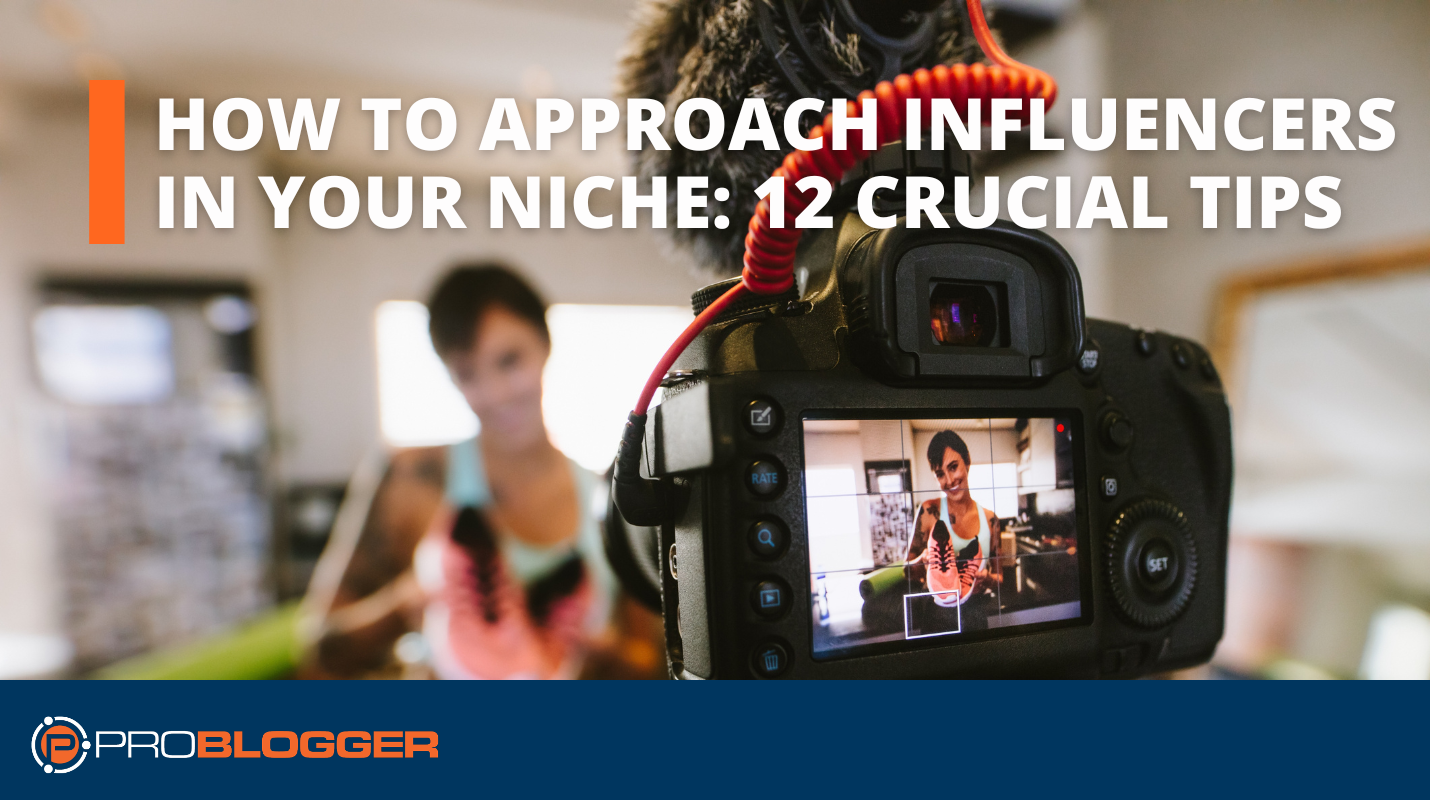
To navigate this competitive environment, digital strategists recommend a twelve-point framework designed to maximize the efficacy of outreach efforts. This framework is rooted in the principle of reciprocity, a psychological concept popularized by Robert Cialdini, which suggests that people are more likely to assist those who have first provided value to them.
1. Managing Expectations and Resilience
Professional outreach requires a high degree of emotional intelligence. Influencers with large followings often manage communication across multiple platforms, making it impossible to respond to every inquiry. Industry experts advise that a lack of response should not be interpreted as a personal slight. Maintaining professionalism and avoiding public grievances on social media is paramount; attacking an influencer for a non-response is a definitive way to terminate any future collaborative potential.
2. Establishing Boundaries and Professionalism
While enthusiasm is a prerequisite for networking, it must be balanced with a respect for boundaries. "Stalking" behavior—excessive messaging or overly personal gestures—is a common mistake that leads to immediate blacklisting. When offering gifts or samples, the item should be relevant to the influencer’s current projects. For example, if an influencer has publicly stated they are starting a new venture, providing a resource specifically tailored to that venture is viewed as thoughtful rather than intrusive.
3. Cultivating a Credible Digital Presence
Before responding to an inquiry, an influencer will almost certainly conduct a background check on the sender’s digital footprint. This "vetting" process looks for credibility, expertise, and tone. A professional blog, a consistent social media presence, and a history of constructive discourse are essential. Even for those with smaller audiences, projecting a professional image—avoiding public complaints and maintaining a polished website—establishes the sender as a peer worth knowing.
4. Identifying Optimal Communication Channels
Communication preferences vary significantly among industry leaders. While some maintain a strict "email only" policy for business inquiries, others are more responsive on specific social media platforms like LinkedIn, X (formerly Twitter), or Instagram. Researching where an influencer is most active and engaged allows the sender to meet them in their preferred digital space, increasing the likelihood of a successful first contact.
5. Enhancing Engagement with Content
Influencers prioritize engagement metrics, such as comments, shares, and conversions. One of the most effective ways to provide value is to contribute meaningfully to their existing content. Rather than generic "nice post" comments, professionals should offer constructive insights, answer questions posed in the content, or provide additional data that enriches the discussion. This builds visibility within the influencer’s community and demonstrates a genuine interest in their work.
6. Supporting Community Growth
Influencers often view their followers as a community rather than a mere audience. Assisting in the management or growth of this community—such as welcoming new members in a forum or answering basic questions in a comment thread—positions the sender as a helpful ally. However, this must be done with caution to avoid appearing as though one is attempting to "hijack" the audience. Offering to volunteer for specific tasks, such as moderating a Facebook group or preparing questions for a live stream, is a more formal and respected approach.

7. Facilitating Audience Expansion
Even a sender with a modest following can assist a major influencer by sharing their content with a new, albeit smaller, audience. Linking to an influencer’s work in a guest post for a major publication is particularly effective. Historical data from the blogging industry shows that a single high-quality backlink or a mention in a mainstream media interview can drive significant traffic to an influencer, instantly making the sender a valuable contact.
8. Driving Commercial Success
Most influencers operate as businesses with products or services to sell. Actively supporting these commercial interests—through affiliate marketing, providing detailed product reviews, or offering high-quality testimonials—is a powerful networking tool. Video or audio testimonials are especially prized, as they provide high-conversion social proof for the influencer’s sales pages.
9. Contributing to Content Creation
The demand for consistent, high-quality content is a constant pressure for influencers. Providing well-researched ideas, data points, or even offering to assist with research for a specific topic can alleviate this burden. Private, polite corrections regarding broken links or typographical errors are also generally appreciated, provided they are not handled in a public forum.
10. Capitalizing on Time-Sensitive Opportunities
Influencers are most receptive to help during high-stress periods, such as product launches, book releases, or the adoption of new platforms. During these windows, their need for support—whether through social media promotion or technical assistance—is at its peak. Aligning outreach with these specific milestones increases the probability of a "win-win" outcome.
11. Humanizing the Interaction
It is easy to forget that influencers are individuals subject to the same pressures as anyone else. Engaging on a human level—offering words of encouragement during a difficult time or sharing a light-hearted moment on social media—can break the "business-only" barrier. Personal rapport often serves as the foundation for long-term professional collaboration.
12. Prioritizing Long-Term Relationship Building
The most common mistake in outreach is asking for a favor too early. The most successful connections are those established months or even years before a specific need arises. By being genuine about the desire to connect and help, a sender builds a "social bank account" of goodwill. This proactive approach ensures that when a request is eventually made, it comes from a trusted acquaintance rather than a stranger.

Data and Chronology: The Evolution of Outreach
The history of influencer outreach has evolved in tandem with the internet itself. In the early 2000s, "blogrolls" and simple link exchanges were the primary methods of networking. By 2010, the rise of Twitter and Facebook introduced real-time interaction, making it possible to bypass traditional gatekeepers.
However, by 2018, the "Gold Rush" of influencer marketing led to an explosion of automated spam, forcing influencers to adopt more rigorous filtering methods. Current data from 2023-2024 indicates that influencers are now retreating into "dark social" channels—private Slacks, Discords, and closed groups—to escape the noise of public DMs and emails. This shift underscores the necessity of the "value-first" approach; as access becomes more restricted, only those who have demonstrated consistent value can penetrate these inner circles.
Broader Impact and Industry Implications
The implications of these outreach strategies extend beyond individual blogs. They represent a broader trend in the digital economy toward "permission-based marketing" and authentic engagement. As AI-generated content and automated bots continue to flood the internet, the value of a genuine human connection increases.
Industry analysts suggest that the future of the creator economy will be dominated by "Micro-Influencer Networks"—smaller, highly specialized groups of creators who support each other’s growth through the very tactics outlined above. For the modern professional, the ability to master these twelve tips is no longer an optional skill; it is a fundamental requirement for survival in a crowded and increasingly skeptical digital marketplace. By focusing on utility, respect, and long-term value, individuals can transform their niche presence from an isolated voice into a connected and influential brand.