Ena Muazin
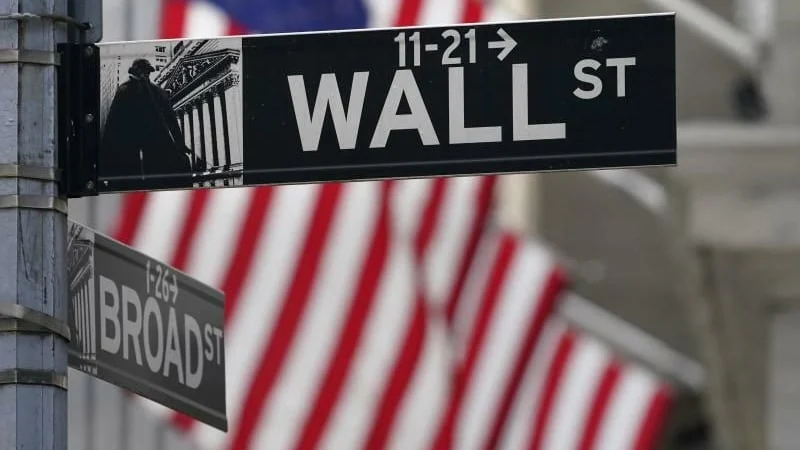
Wall Street experienced a positive trading session on Thursday, marking the first upward movement of the week for investors. The improved sentiment among market participants is likely attributed to a combination of factors, including a dip in oil prices and the opportunity to refocus on other economic indicators following the U.S. Federal Reserve’s recent interest rate decision. The Federal Reserve’s monetary policy continues to be a central theme for market watchers, with the latest pronouncements providing a clearer, albeit still complex, outlook for the coming months.

Fed’s Interest Rate Decision and Market Reaction
The Federal Reserve concluded its latest Federal Open Market Committee (FOMC) meeting on Wednesday, announcing its decision regarding benchmark interest rates. While the specific details of the rate hike or hold were not explicitly detailed in the provided text, the article indicates that this decision was a significant event, prompting a shift in investor focus. The subsequent press conference, led by Fed Chair Jerome Powell, offered further insights into the central bank’s economic outlook and its commitment to managing inflation.
Sources within the financial community suggest that Fed Chair Powell’s remarks were interpreted as hawkish, reinforcing the central bank’s resolve in its fight against inflation. This stance, while potentially leading to further monetary tightening, also provides a degree of predictability for investors, allowing them to re-evaluate their portfolios and strategies. The clarity, even if signaling continued restrictive policy, can be a welcome development in an often volatile market environment.
The "Dot Plot" and Future Rate Hike Expectations
A key element influencing market sentiment is the Federal Reserve’s Summary of Economic Projections, often referred to as the "Dot Plot." This tool provides individual projections from FOMC members on the future path of the federal funds rate. The latest projections, released following the Wednesday meeting, indicate a divided outlook among policymakers but a leaning towards further tightening.
According to the provided information, twelve out of nineteen Fed officials anticipate at least one additional interest rate hike by the end of the year. Furthermore, four policymakers foresee as many as two further rate increases. It is crucial to note that only twelve of these officials hold voting rights on the actual interest rate decisions at any given FOMC meeting. This nuanced distribution of projections highlights the ongoing debate within the Fed regarding the appropriate pace and extent of monetary policy adjustments.
The CME FedWatch Tool, a widely used resource for gauging market expectations of future Federal Reserve actions, currently reflects a significant probability of at least one more rate hike occurring this year. This aligns with the signals from the "Dot Plot," suggesting that the market is pricing in continued monetary tightening. Such expectations can influence borrowing costs, investment decisions, and overall economic activity.
Inflationary Pressures and the Role of Oil Prices
A significant driver behind the Federal Reserve’s monetary policy decisions has been the persistent concern over inflation. The article mentions that Fed Chair Kevin Warsh explicitly identified the inflation rate as a problem during the post-meeting press conference. In August, the annual inflation rate stood at 3.4 percent. This figure, while potentially subject to revisions and different measurement methodologies, remains a key metric for the Fed in its pursuit of price stability.

The recent decline in oil prices has been identified as a potential factor contributing to the improved market sentiment. Oil prices have a substantial impact on inflation, as they influence transportation costs, manufacturing expenses, and consumer spending. A sustained decrease in oil prices can alleviate inflationary pressures, potentially giving the Federal Reserve more flexibility in its monetary policy decisions. Observers are hopeful that this easing in the energy market will translate into a broader moderation of inflation.
Historical Context of Interest Rate Adjustments
The provided text subtly alludes to the rarity of single-digit interest rate hikes in the past. This suggests that the current monetary policy environment might be characterized by more significant or frequent adjustments than previously observed. Historically, central banks have often opted for gradual, incremental changes to interest rates to avoid abrupt shocks to the economy. However, periods of elevated inflation have sometimes necessitated more assertive policy responses.

The "Dot Plot" itself has become a critical communication tool for the Fed, offering transparency into its internal deliberations and future intentions. The evolution of these projections over time provides valuable context for understanding the central bank’s evolving assessment of economic conditions and its chosen policy path. Investors closely scrutinize these projections for clues about the future trajectory of interest rates, which can significantly impact asset valuations and investment strategies.
Broader Economic Implications and Market Outlook
The Federal Reserve’s monetary policy actions have far-reaching implications for the broader economy. Higher interest rates can lead to increased borrowing costs for businesses and consumers, potentially slowing down investment and consumption. This can, in turn, impact economic growth, employment levels, and corporate earnings. Conversely, a stable and predictable monetary policy environment can foster business confidence and encourage long-term investment.

The current market sentiment, characterized by optimism on the day following the Fed’s decision, suggests that investors may be finding a balance between concerns about inflation and the potential for economic resilience. The ability of companies to navigate higher borrowing costs and maintain profitability will be a key determinant of market performance in the coming months. Furthermore, global economic developments, geopolitical events, and shifts in consumer behavior will all play a role in shaping the investment landscape.
The article’s focus on Wall Street’s positive trading day underscores the dynamic nature of financial markets. Investor sentiment can shift rapidly based on new information and evolving economic conditions. The ongoing dialogue between central banks, policymakers, and market participants is crucial for navigating the complexities of the current economic environment. As the Federal Reserve continues to monitor inflation and economic growth, its future policy decisions will remain a central focus for investors worldwide. The intricate interplay between monetary policy, inflation, and market reactions will continue to define the economic narrative for the foreseeable future.